Artwork
Colossal Head
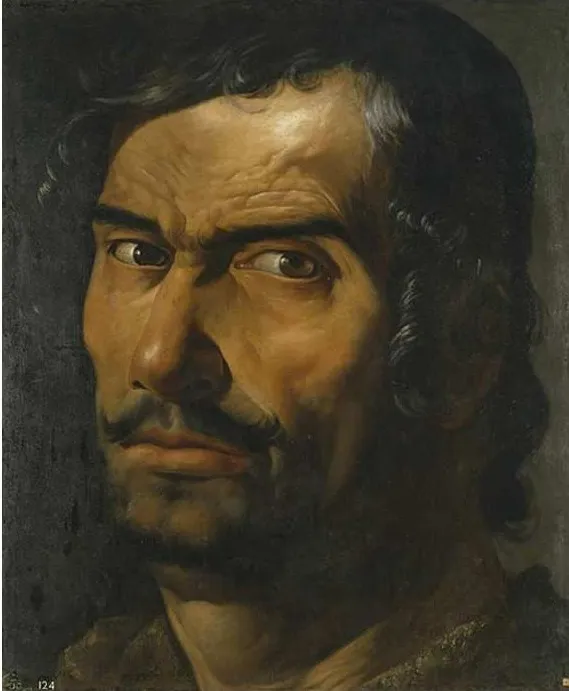
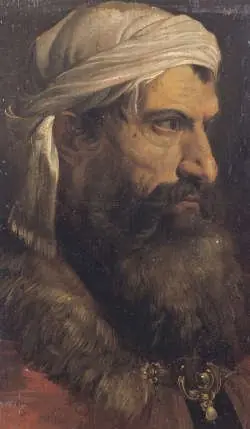
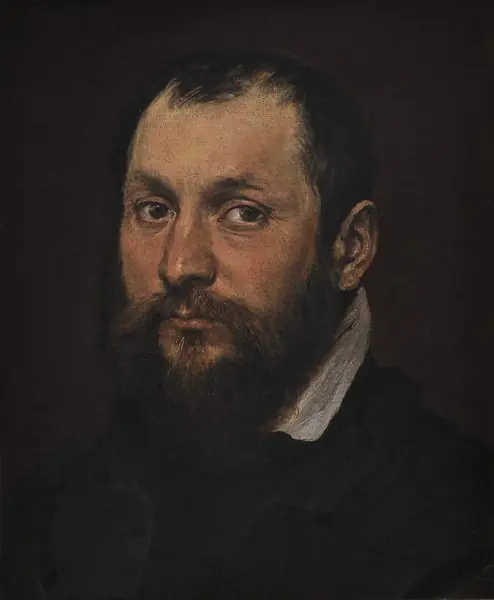
Colossal Head is an oil painting by the Mannerist artist Vincenzo Carducci. It dates from 1550 and is held in the collection of the Museo del Prado.
About this work
Overview
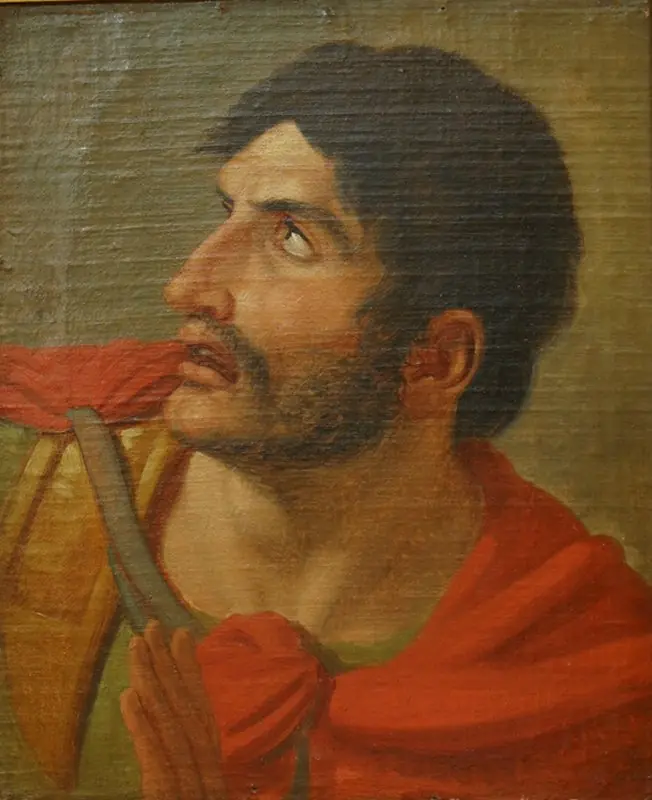
Painted around 1550 by Vincenzo Carducci, an Italian artist working in Spain, this oil-on-panel portrait depicts a male figure in profile.
Painted around 1550 by Vincenzo Carducci, an Italian artist working in Spain, this oil-on-panel portrait depicts a male figure in profile. The work is part of the Museo del Prado’s collection and reflects the stylistic tendencies of Mannerism, emphasizing emotional intensity and formal refinement over naturalism. Its compact scale and focused composition suggest an intimate study rather than a grand commission.
Subject & Meaning
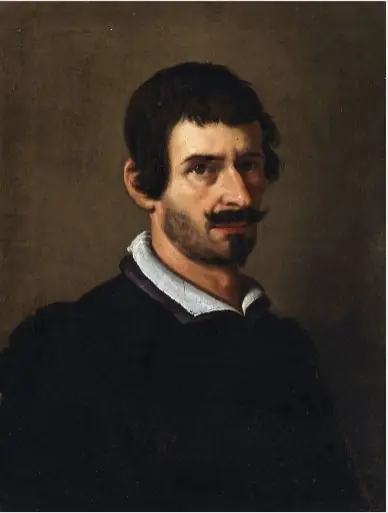
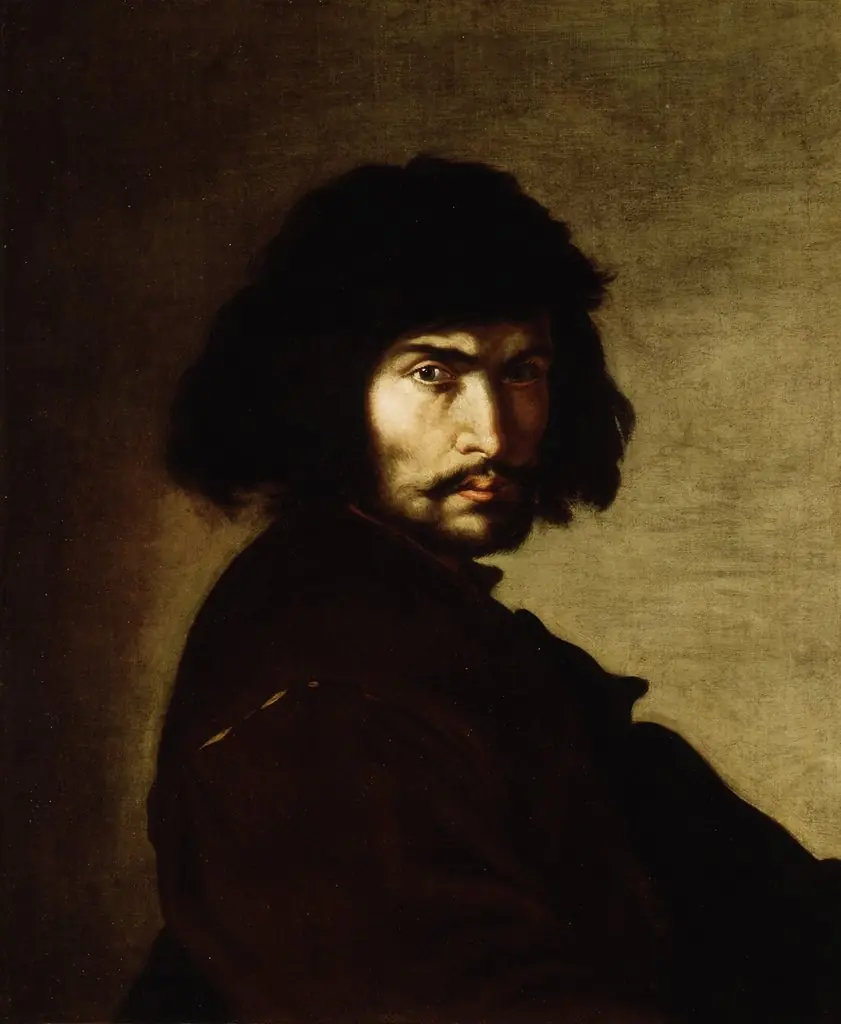
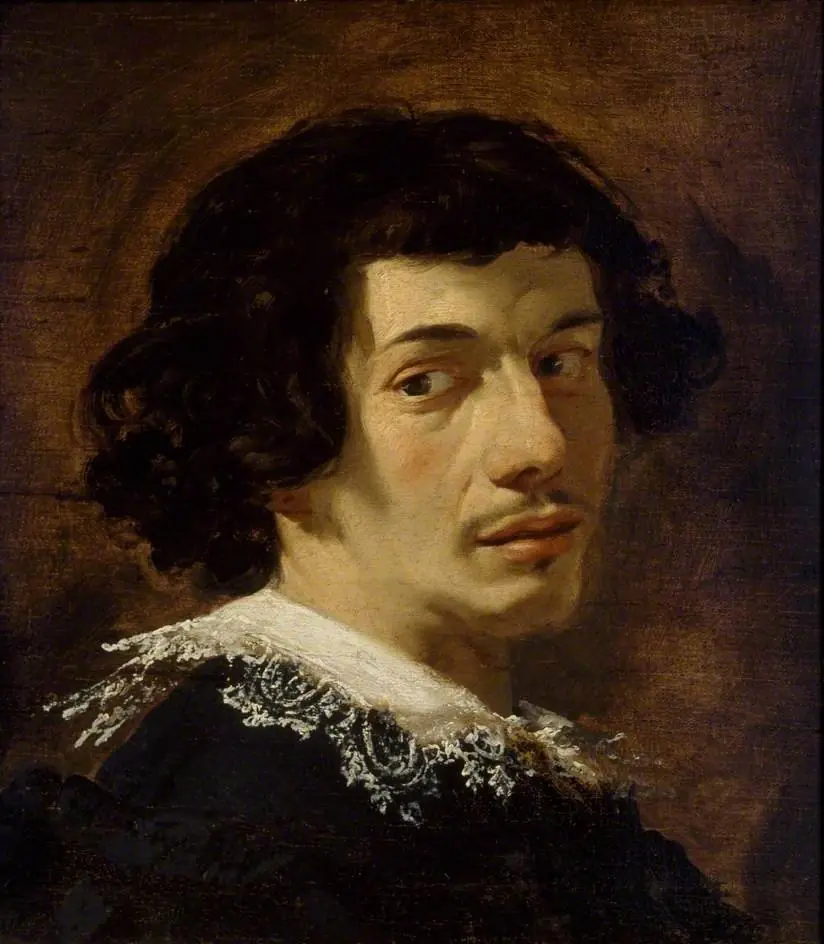
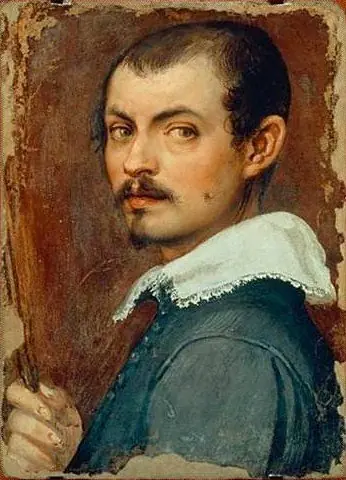
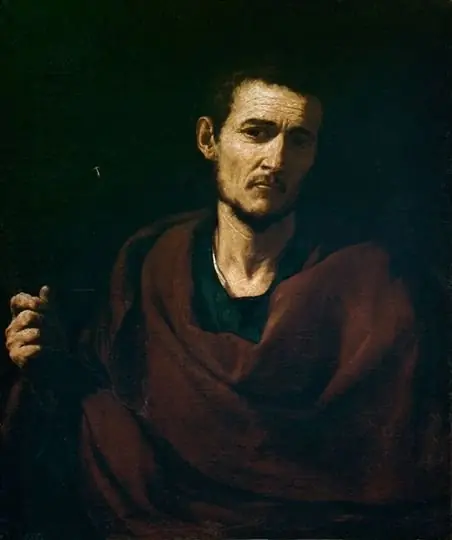
The subject is a middle-aged man with a thick, carefully groomed beard and short, unruly hair. His stern gaze and furrowed brow convey a sense of quiet authority or inner tension. The absence of contextual clues—no clothing, insignia, or setting—invites interpretation as a character study, possibly a thinker, soldier, or artisan. The intensity of his expression suggests psychological depth rather than mere likeness.
Technique & Style
Carducci employs strong chiaroscuro to model the face, using sharp contrasts between light and shadow to define the contours of the forehead, cheekbone, and jaw. The background is uniformly dark, eliminating distraction and heightening the three-dimensionality of the head. Brushwork is controlled yet expressive, with subtle transitions in tone that avoid overt realism, aligning with Mannerist preferences for stylized form over naturalistic detail.
History & Provenance
The painting entered the Museo del Prado’s collection in the 19th century, though its earlier ownership remains undocumented. Carducci, active in Madrid during the mid-1500s, was known for religious and portrait works commissioned by Spanish patrons. This portrait likely originated from a private collection, possibly linked to court circles, but no definitive records of its commission or original context survive.
Context
In mid-16th century Spain, portraiture was increasingly valued as a means of expressing individual identity, especially among the nobility and clergy. Carducci, trained in Italy, brought Mannerist conventions to the Spanish court, blending Italian compositional rigor with local tastes for somber dignity. This portrait reflects that synthesis—formal yet emotionally restrained, typical of Spanish Mannerist portraiture.
Legacy
Though not widely reproduced or celebrated in its time, the painting contributes to the understanding of Carducci’s role in transmitting Italian Mannerism to Spain. Its focus on psychological presence and technical control influenced later Spanish portraitists, including those in the circle of El Greco. Today, it stands as a quiet example of how personal identity was rendered with restraint and depth in early modern Iberian art.
Artist & collection
Artist
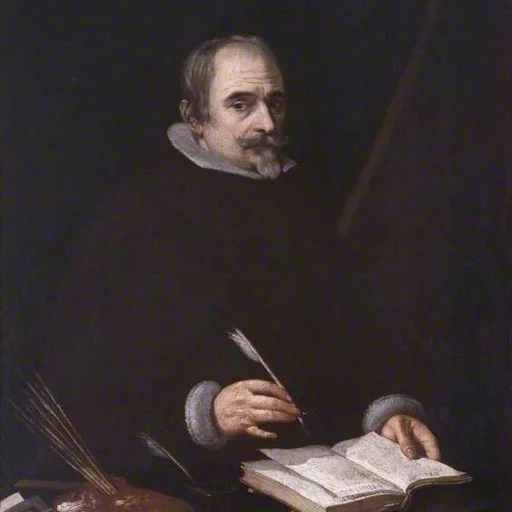
Vincenzio Carduccio (in Spanish, sometimes Vicencio or Vicente Carducho; 1576 or 1578–1638) was an Italian painter who spent his career in Spain.