Artwork
Thomas Pryse of Gogerddan
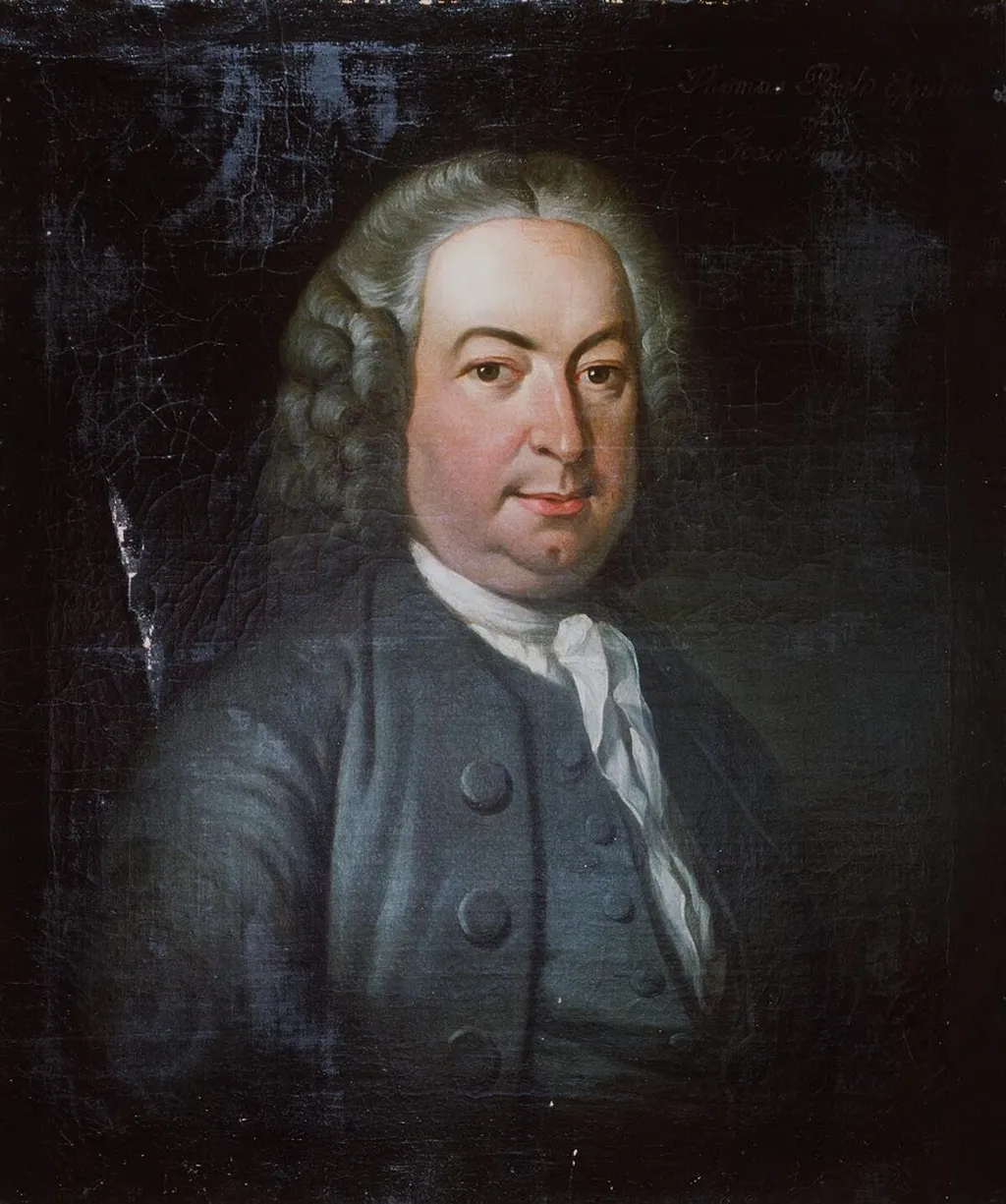
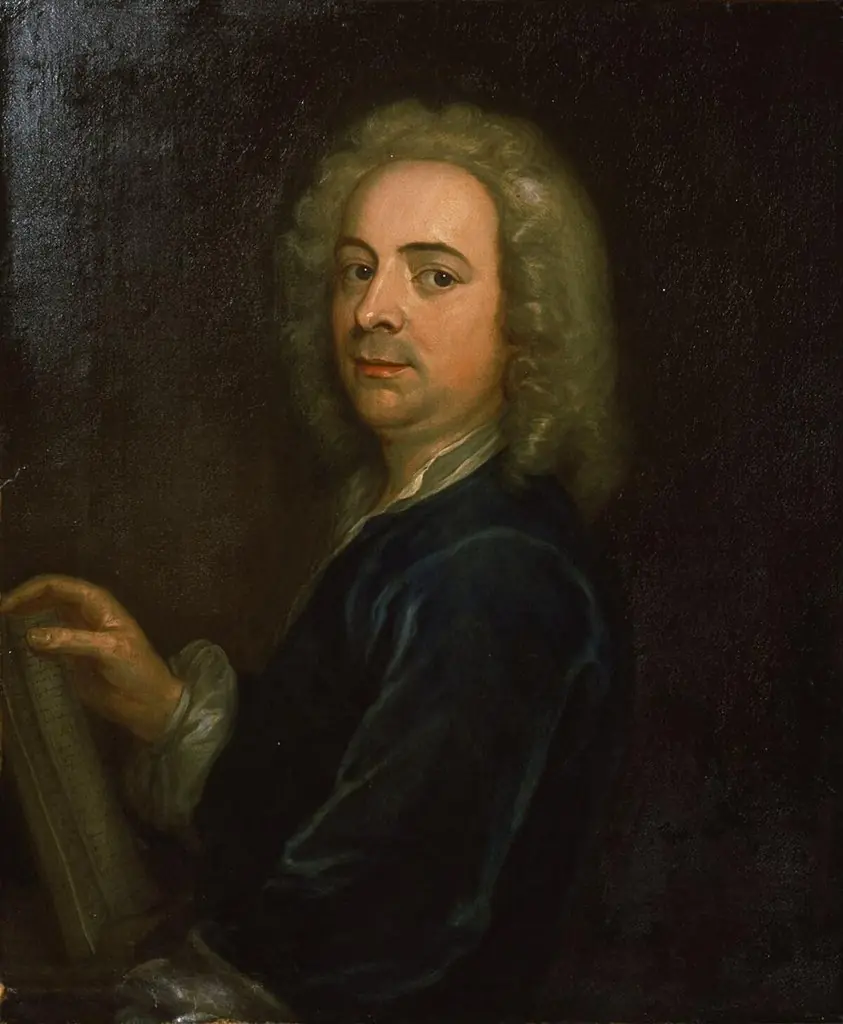
Thomas Pryse of Gogerddan is an oil painting by the Rococo painting artist Unknown. It dates from 1740 and is held in the collection of the National Library of Wales.
About this work
Overview
This oil painting depicts Thomas Pryse of Gogerddan, a Welsh landowner, rendered in a formal portrait style. The composition centers on his poised figure against a muted, shadowed background, emphasizing his presence without distraction. The lighting subtly contours his face and attire, drawing attention to his expression and attire, which convey quiet authority and composure.
Subject & Meaning
Thomas Pryse is portrayed with a restrained demeanor—his serious gaze, slightly raised brows, and faint smile suggest introspection rather than warmth.
Thomas Pryse is portrayed with a restrained demeanor—his serious gaze, slightly raised brows, and faint smile suggest introspection rather than warmth. The formal cravat and dark jacket reflect his social standing, while the absence of symbols or props avoids narrative distraction. The portrait functions as a statement of personal dignity and inherited status, typical of landed gentry portraiture in its era.
Technique & Style
The artist employs fine brushwork to render the texture of the cravat and the curl of white hair, contrasting with broader, looser strokes in the dark background. Facial features are carefully modeled with soft transitions, capturing subtle expressions. The lighting is directional, highlighting the face and upper torso while allowing the rest to recede, reinforcing the sitter’s centrality without theatricality.
History & Provenance
The portrait was likely commissioned by or for Thomas Pryse during the late 18th or early 19th century, a period when Welsh gentry increasingly sought to assert their status through portraiture. It remained within the Pryse family for generations, eventually entering institutional collection through descent or donation, preserving its connection to Gogerddan estate history.
Context
In the decades following the Acts of Union, Welsh landowners like Pryse cultivated portraits to align with English aristocratic norms while affirming local identity. Such images were displayed in family homes or estate halls, serving as both personal commemoration and social assertion. The restrained style reflects a shift away from flamboyant Baroque conventions toward understated neoclassical dignity.
Legacy
The portrait endures as a representative example of provincial British portraiture, valued for its psychological nuance and technical restraint. It contributes to the visual record of Welsh gentry culture, offering insight into how regional elites negotiated identity through visual representation. Its preservation ensures continued study of non-urban artistic practices in the early modern period.
Artist & collection

 Domestic Scene
 Giacomo and Cardinal Marco, investing Andrea, Abbot of San Zeno, with his Benefice
 The Nymph of Fontainebleau
 Portrait of a Woman
 Madonna and Child with Saints in the Enclosed Garden
 Venus and Minerva
 Family Group of Four on Sofa
 Wall painting from Room H of the Villa of P. Fannius Synistor at Boscoreale
 Morgan Lloyd Esq
 Dr. Samuel Boude
 Miehen muotokuva
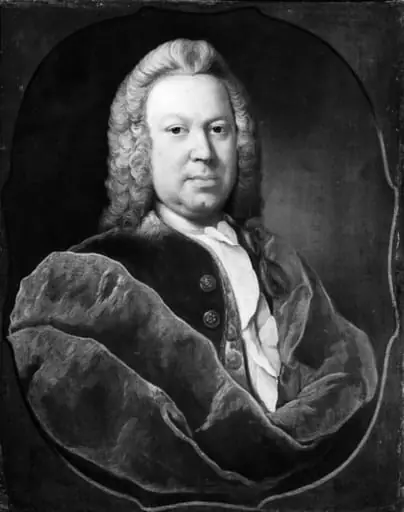 Mandsportræt
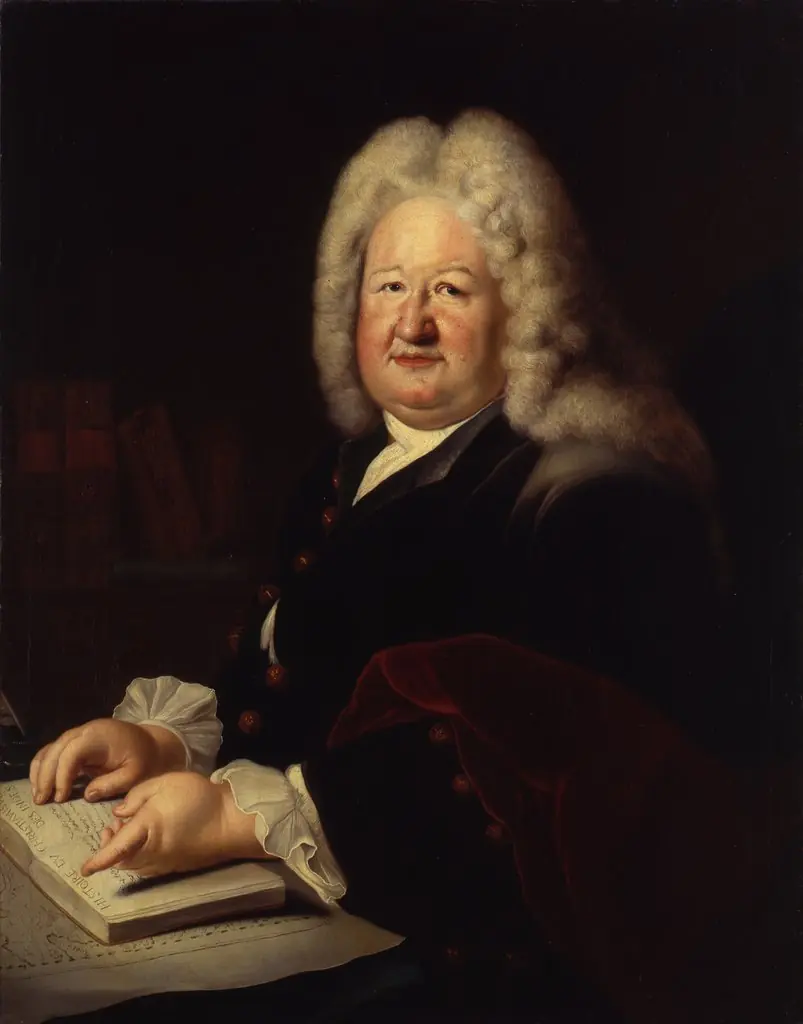 Der Orientalist Mathurin Veyssière de La Croze (1661-1739)
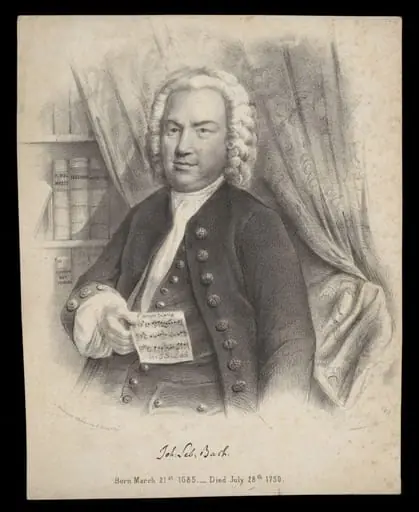 H Beard Print Collection
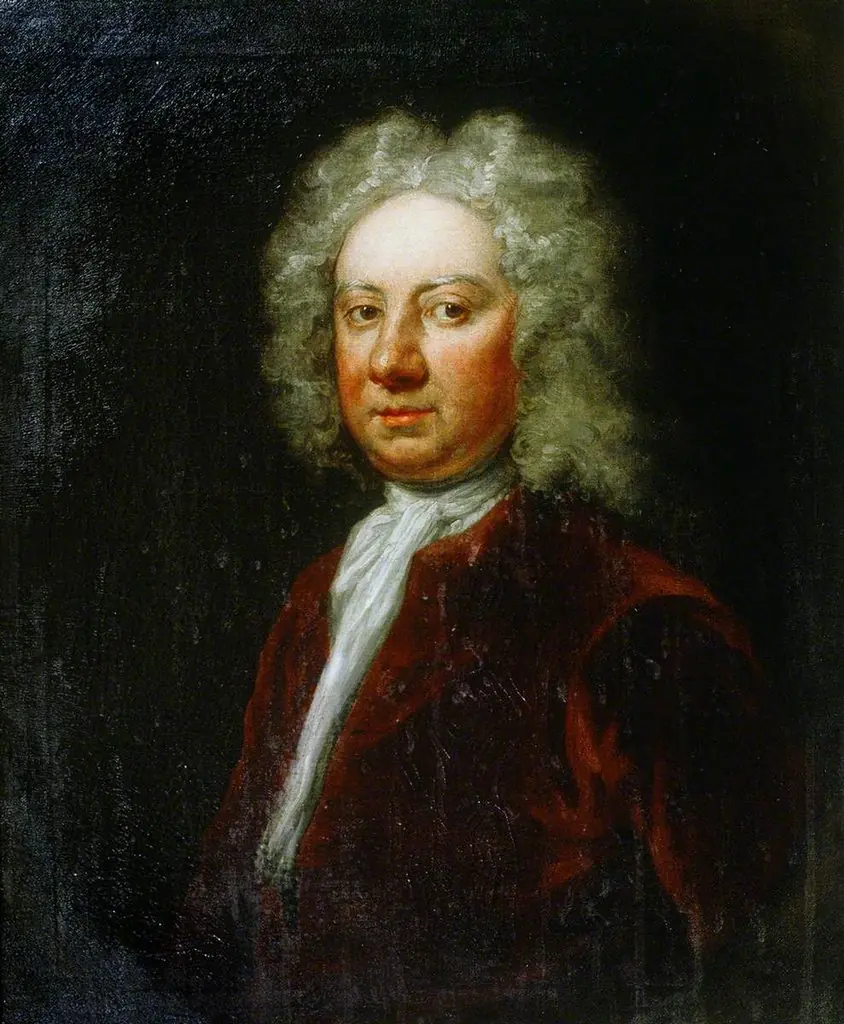 Portrait of a gentleman
 The saxon Electoral Councilor of War Johann Gottlieb von Leyser (around 1698-1780)
 Richard Gwynne Esq of Taliaris
 Portrait of a Man, probably Cornelis Troost
 Portrait of Sigismund Streit
 Lewis Pryse