Artwork
Cristo coroado de espinhos
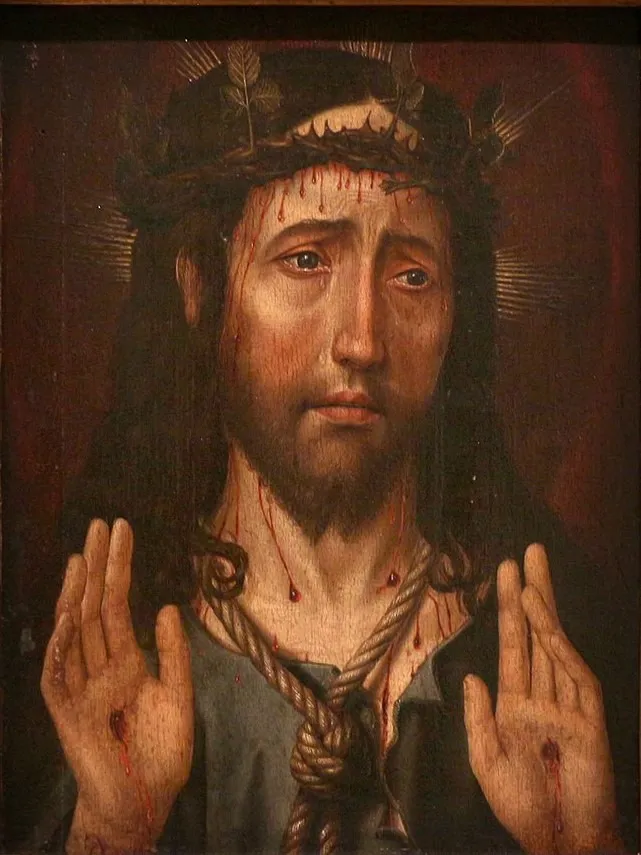
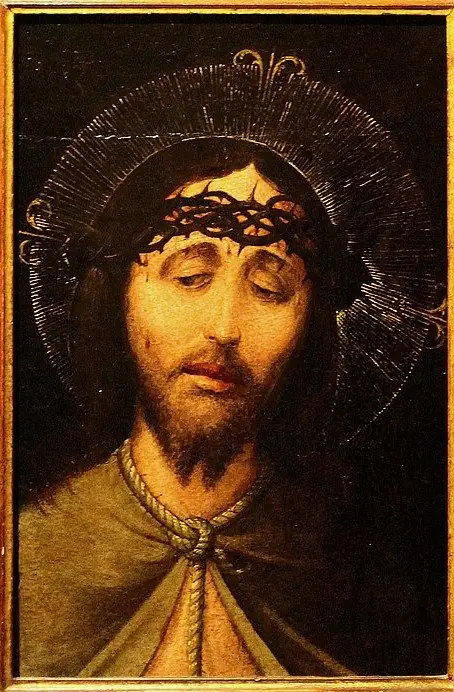
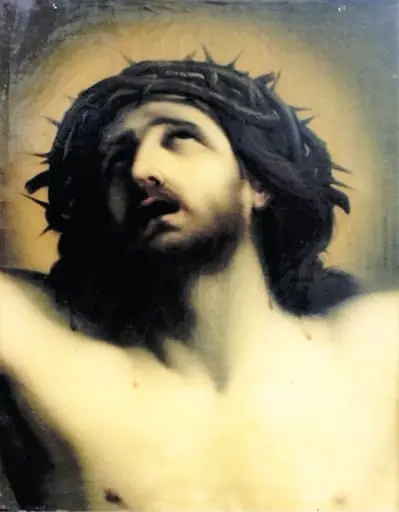
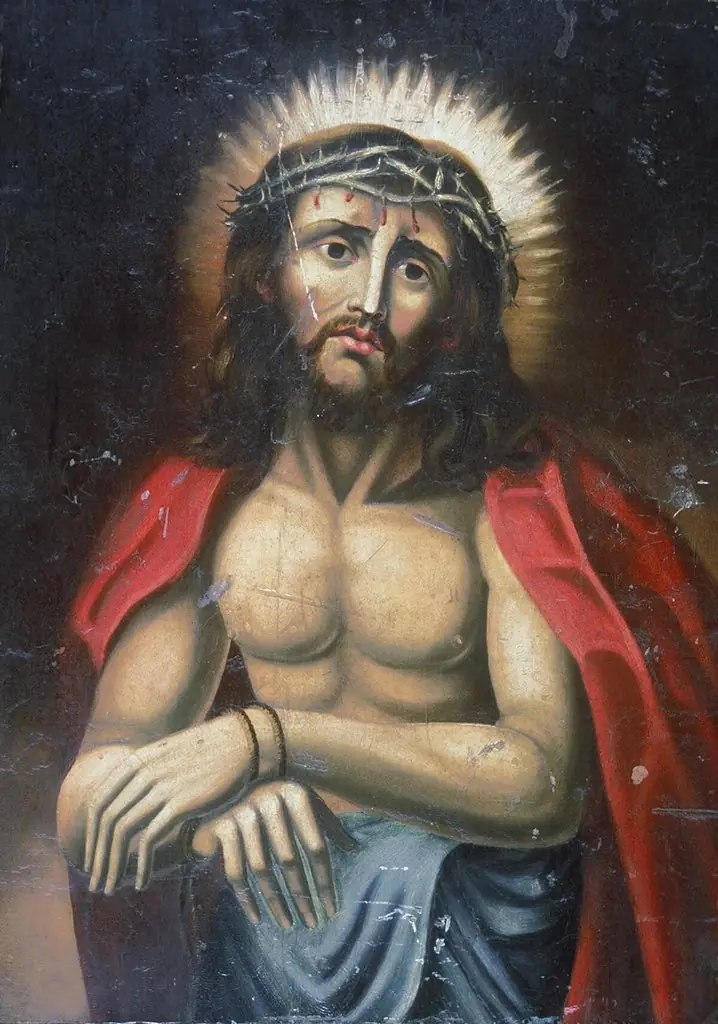
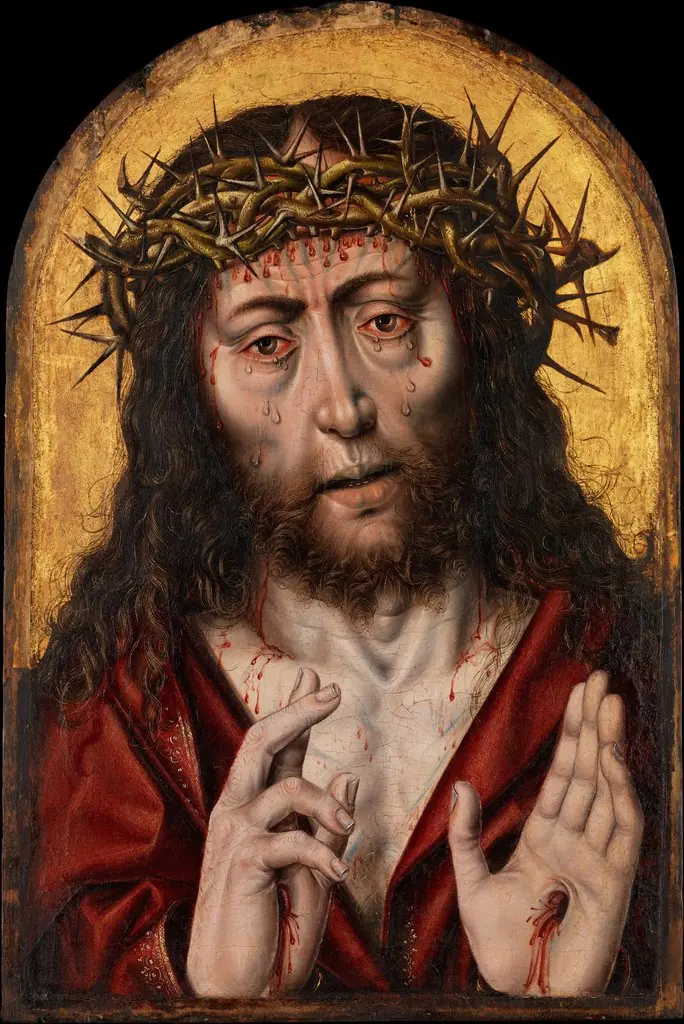
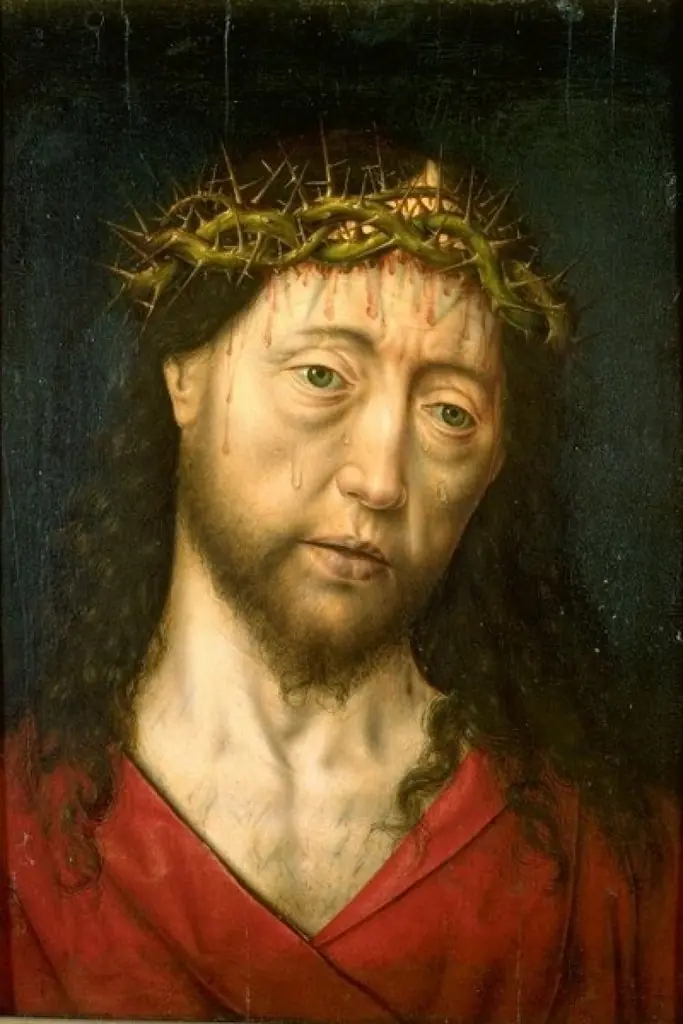
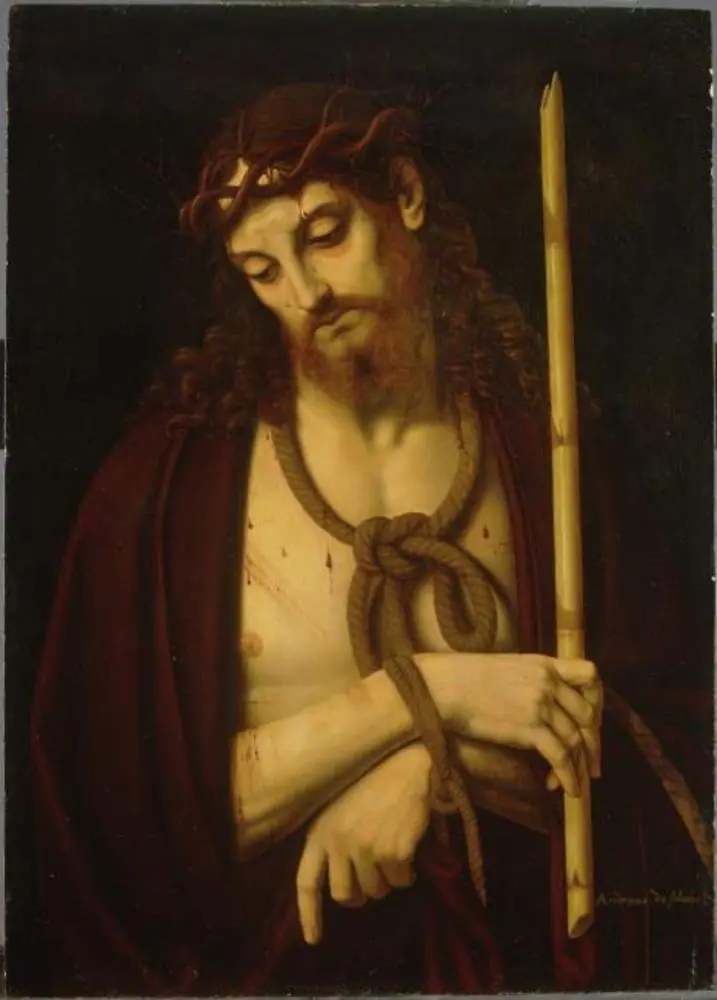
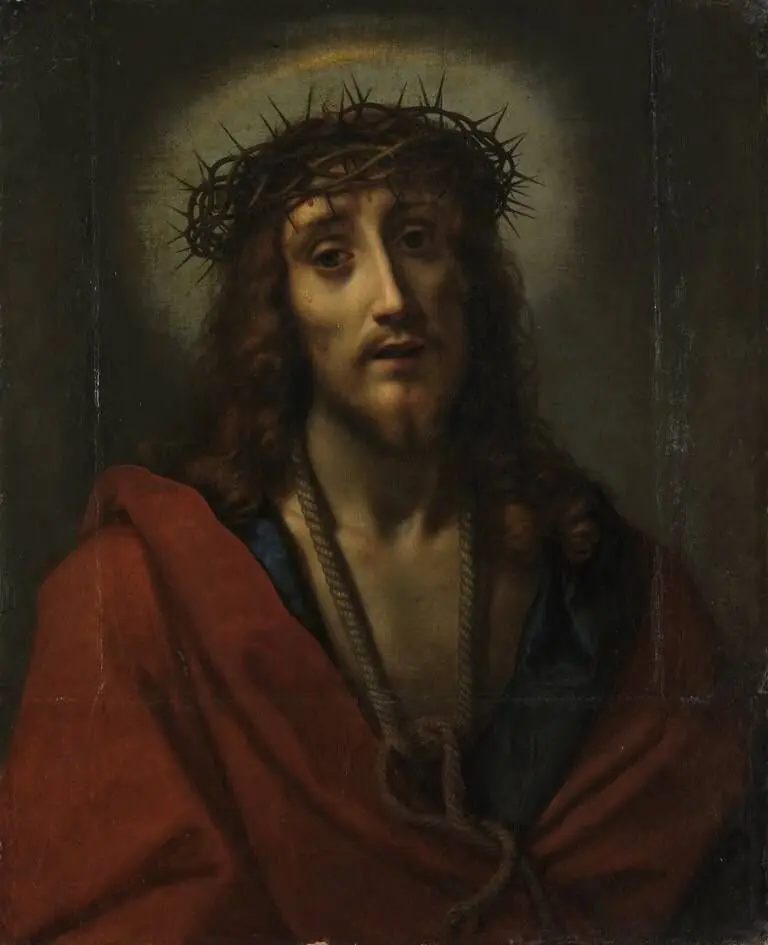
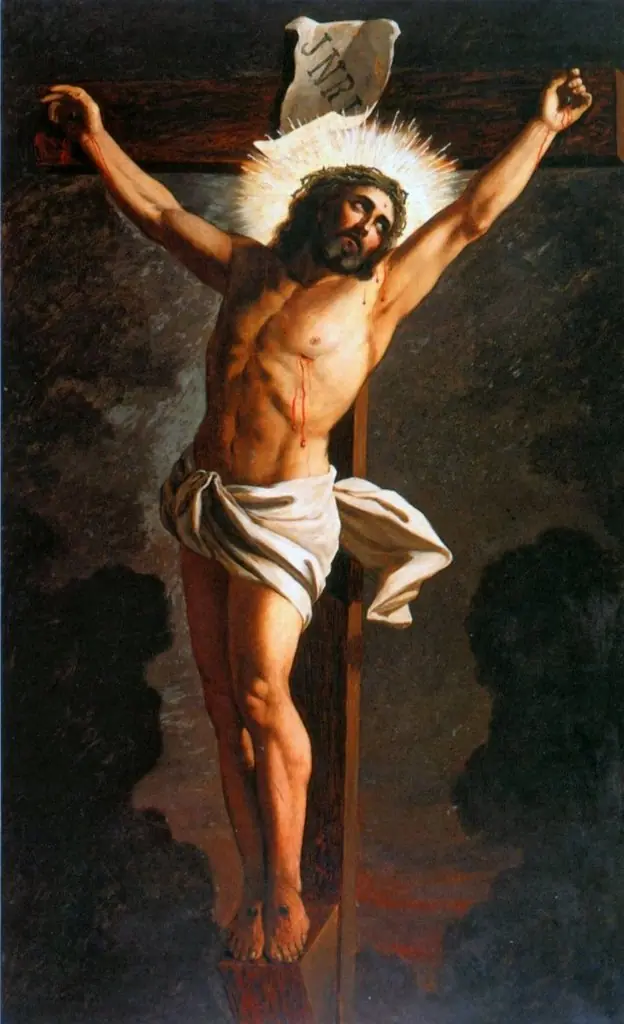
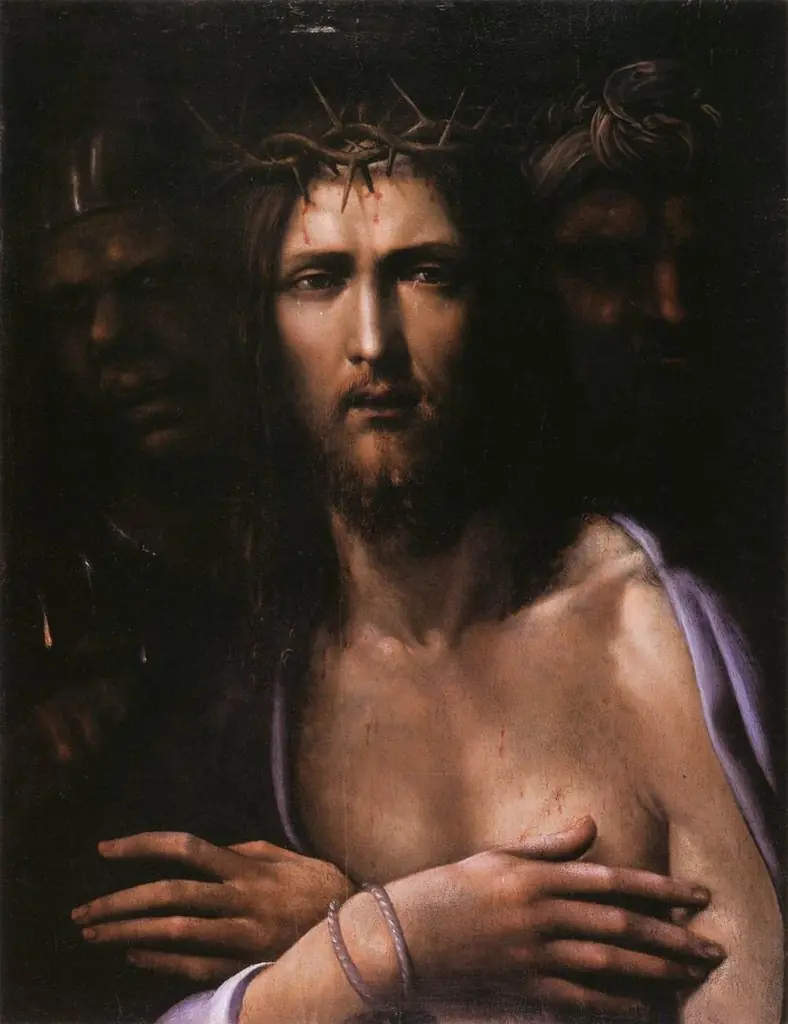
Cristo coroado de espinhos is an unspecified painting by the High Renaissance artist Unknown. It dates from 1510 and is held in the collection of the National Museum of Ancient Art. This painting portrays Jesus Christ after his scourging and before his crucifixion, wearing a crown of thorns.
About this work
Overview
The composition isolates the figure against a dark, unadorned background, focusing attention entirely on his wounded body.
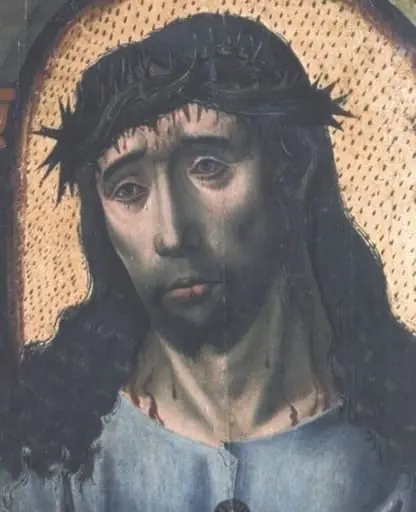
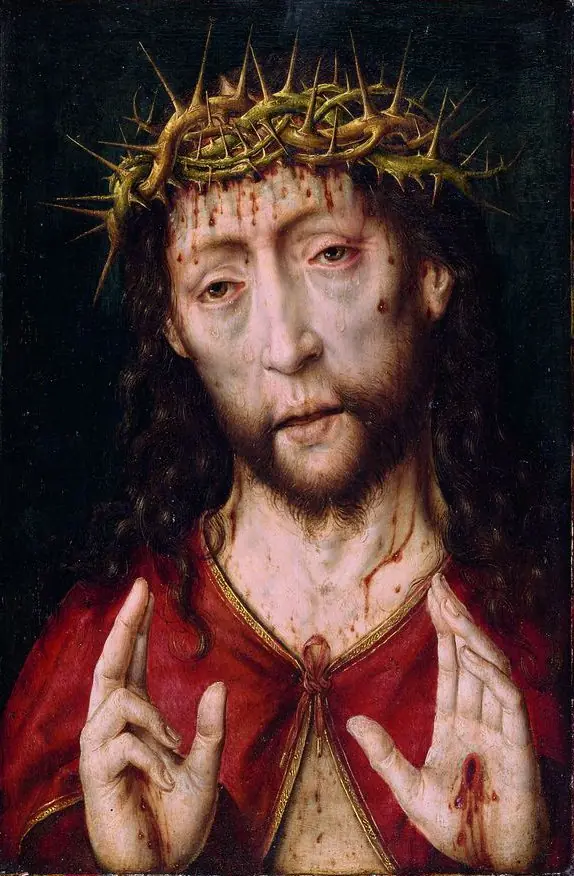
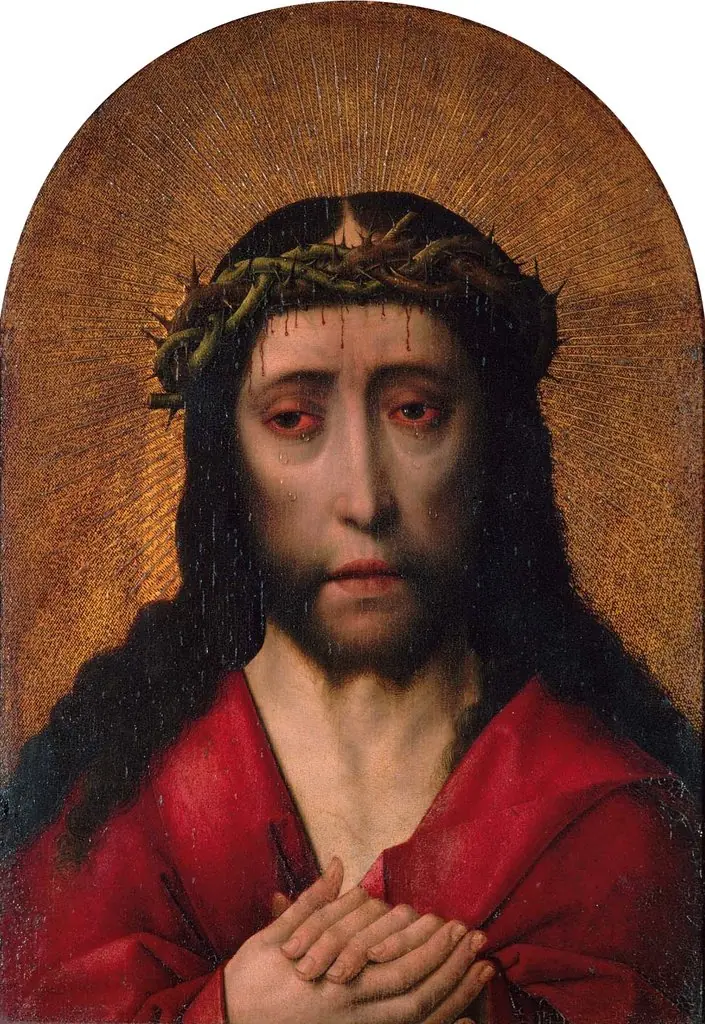
This painting portrays Jesus Christ after his scourging and before his crucifixion, wearing a crown of thorns. His posture and expression convey physical torment and emotional anguish. The composition isolates the figure against a dark, unadorned background, focusing attention entirely on his wounded body. The work belongs to a devotional tradition centered on Christ's suffering, common in Counter-Reformation Spain.
Subject & Meaning
The figure represents Christ at the moment of Ecce Homo, when Pontius Pilate presents him to the crowd. His raised hands, bloodied face, and downward gaze reflect resignation and sorrow rather than defiance. The crown of thorns and the visible wounds emphasize the physical reality of his sacrifice. The image invites contemplation of suffering, humility, and divine endurance, aligning with spiritual practices of the period.
Technique & Style
The artist employs strong chiaroscuro to model the figure’s form, using deep shadows and sharp highlights to accentuate the texture of skin, blood, and fabric. The dark, neutral background enhances the three-dimensionality of the body and intensifies its emotional weight. Brushwork is restrained but precise, avoiding ornamentation to preserve the scene’s solemnity and immediacy.
History & Provenance
The painting originates from early 17th-century Spain, likely created within a religious context for private devotion or monastic use. Its style suggests influence from Caravaggio and Spanish realist painters like Ribera. Though exact provenance is undocumented, similar works were commissioned by convents or used in Passion processions, reflecting the era’s emphasis on tactile, emotional piety.
Context
Created during the height of the Counter-Reformation, the image responds to Church efforts to deepen personal devotion through vivid depictions of Christ’s Passion. Spanish religious art of this time favored raw realism over idealization, aiming to stir empathy and repentance. The absence of bystanders or narrative elements isolates the viewer in direct confrontation with suffering.
Legacy
This work contributes to a broader visual language of sacred suffering that influenced later Spanish and Latin American religious art. Its unadorned realism and emotional intensity became a model for devotional imagery in regions where Catholicism emphasized bodily sacrifice and personal penance. Though not widely exhibited, it remains a quiet testament to the period’s spiritual aesthetics.
Artist & collection

 Domestic Scene
 Giacomo and Cardinal Marco, investing Andrea, Abbot of San Zeno, with his Benefice
 The Nymph of Fontainebleau
 Portrait of a Woman
 Madonna and Child with Saints in the Enclosed Garden
 Venus and Minerva
 Family Group of Four on Sofa
 Wall painting from Room H of the Villa of P. Fannius Synistor at Boscoreale