Artwork
Lot and His Daughters
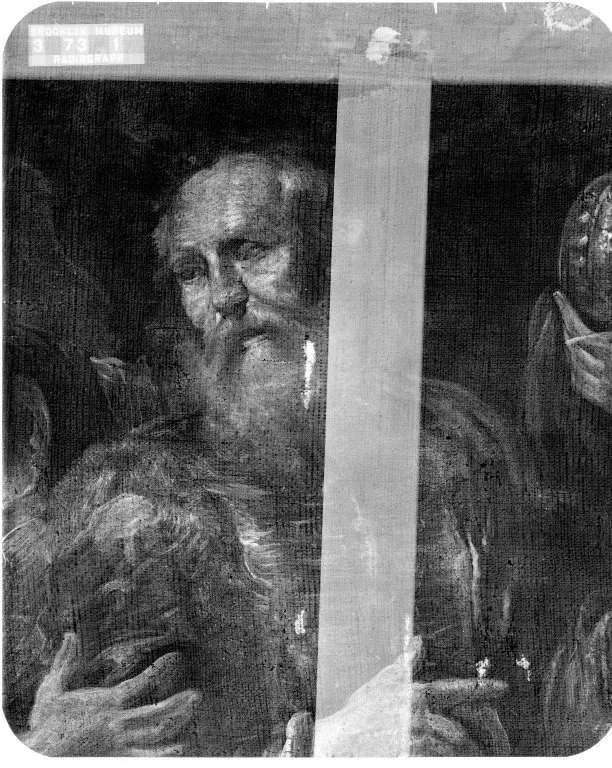
Lot and His Daughters is an oil painting by the Spanish Baroque Tenebrist artist Unknown. It dates from 1700 and is held in the collection of the Brooklyn Museum. The canvas portrays a central male figure flanked by two women, each positioned on opposite sides.
About this work
Overview
The canvas portrays a central male figure flanked by two women, each positioned on opposite sides. The man’s expression is solemn, and he is clothed in dark garments, while the women wear lighter attire. The overall composition is dominated by a muted palette of browns and blacks, with visible brushwork adding surface texture.
Subject & Meaning
The work illustrates the biblical episode of Lot and his daughters, a narrative in which the patriarch is shown in a reflective mood amid his offspring. The contrast between the somber male figure and the brighter‑clothed women underscores the emotional tension inherent in the story.
Technique & Style
Executed in oil on canvas, the painting employs a restrained color scheme that emphasizes chiaroscuro. The artist’s brushstrokes remain discernible, contributing a tactile quality to the figures and background, and reinforcing the work’s dramatic mood.
History & Provenance
The painting is part of the permanent collection of the Brooklyn Museum, where it is displayed for public viewing. Its acquisition details and earlier ownership are not specified in the available information.
Context
The depiction aligns with a long tradition of interpreting the Lot narrative in Western art, often focusing on themes of survival and moral ambiguity. The work’s dark tonalities and intimate grouping reflect the period’s interest in psychological depth within biblical subjects.
Artist & collection

 Domestic Scene
 Giacomo and Cardinal Marco, investing Andrea, Abbot of San Zeno, with his Benefice
 The Nymph of Fontainebleau
 Portrait of a Woman
 Madonna and Child with Saints in the Enclosed Garden
 Venus and Minerva
 Family Group of Four on Sofa
 Wall painting from Room H of the Villa of P. Fannius Synistor at Boscoreale
 Der zwölfjährige Jesus im Tempel
 Niobe lässt die Bildsäule der Diana niederreißen
 The Ascension of the Virgin
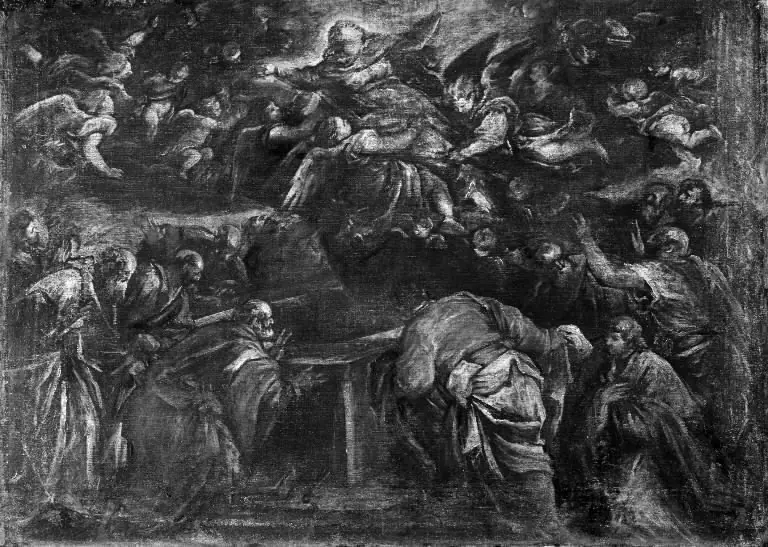 The Ascension of the Virgin
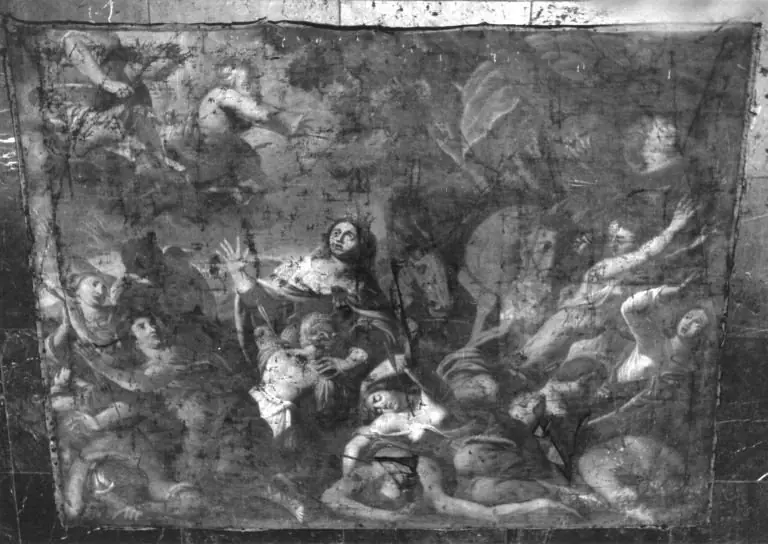 Die Kinder der Niobe
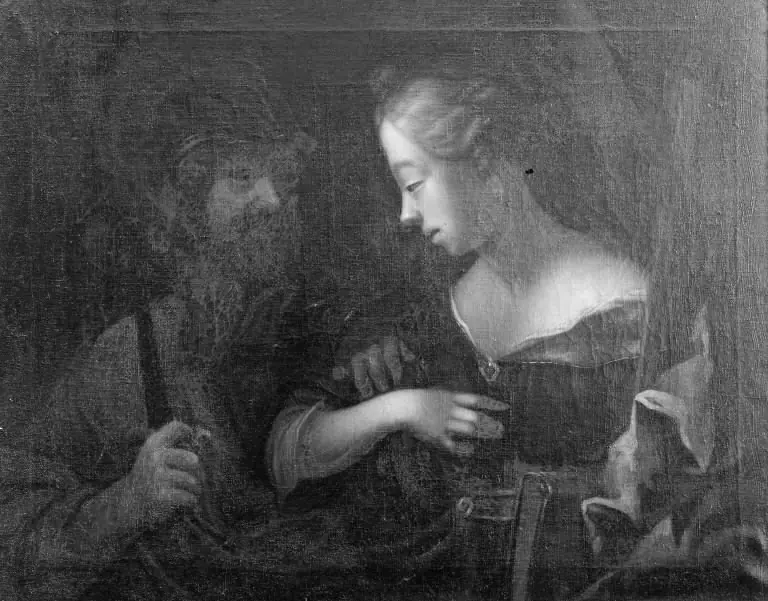 Et ungt fruentimmer i blå kjole, samtaler med en gammel mand
 Et ungt fruentimmer i blå kjole, samtaler med en gammel mand
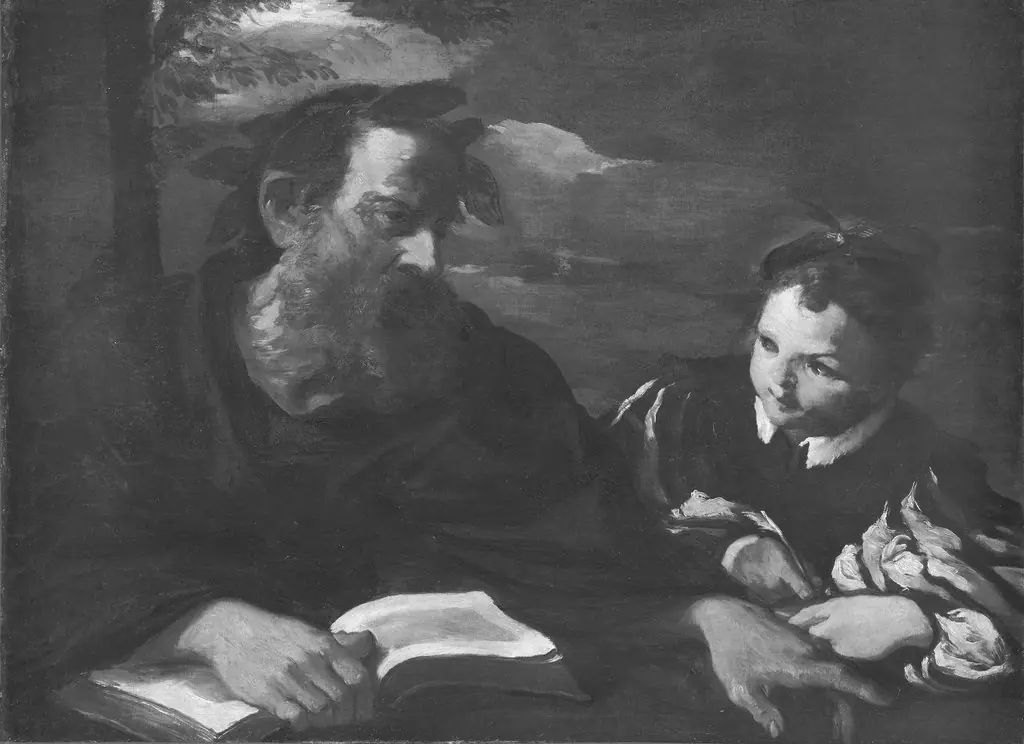 Homer Dictating
 Homer Dictating
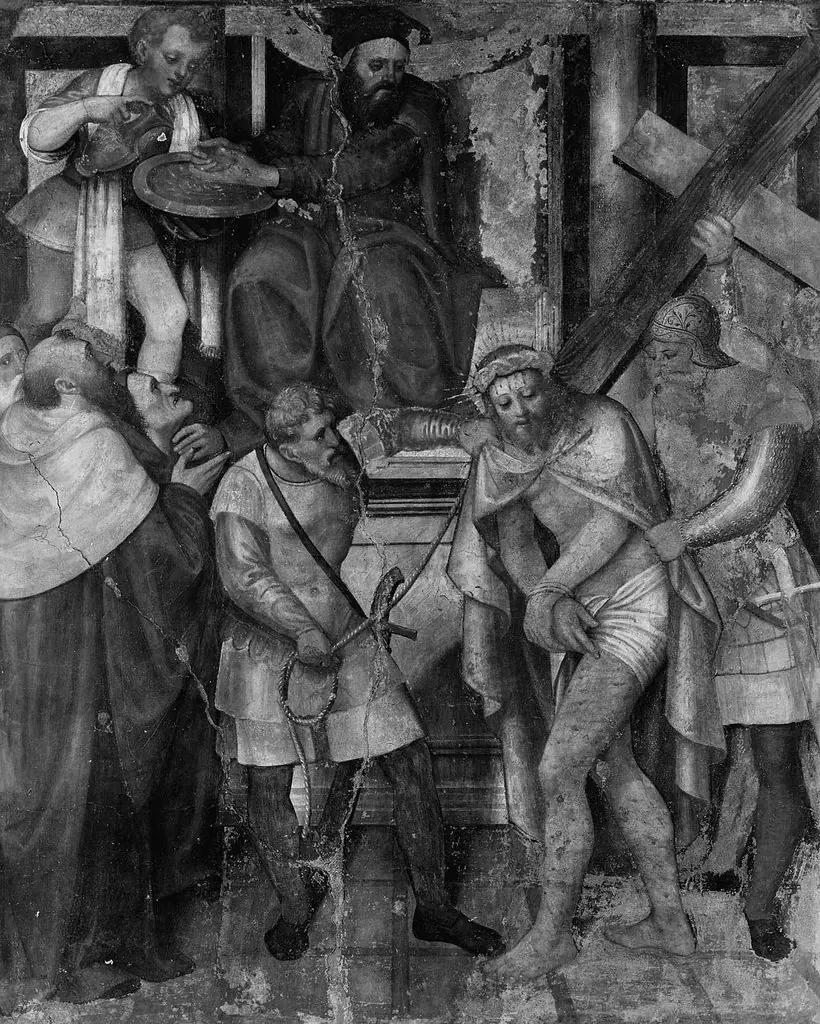 Christ before Pilate
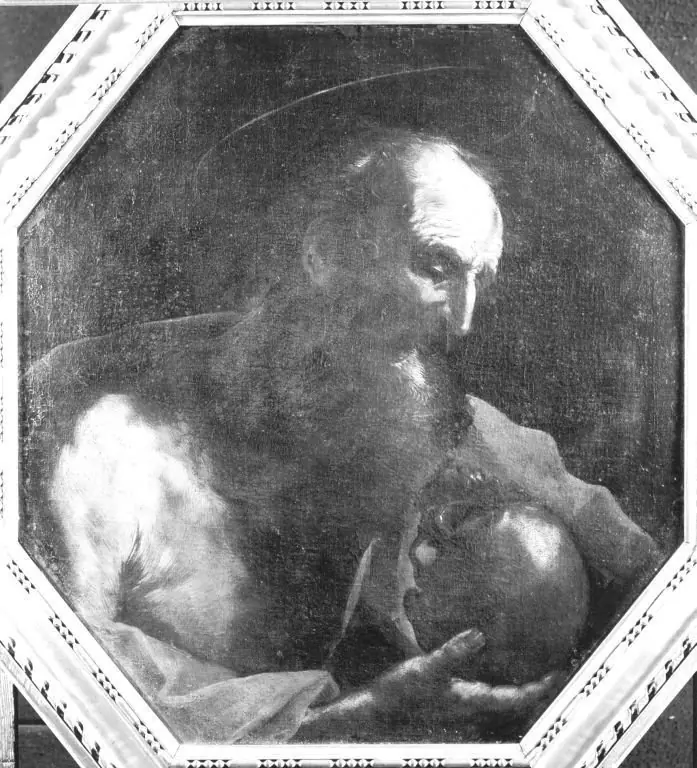 Der hl. Hieronymus (Kopie nach)
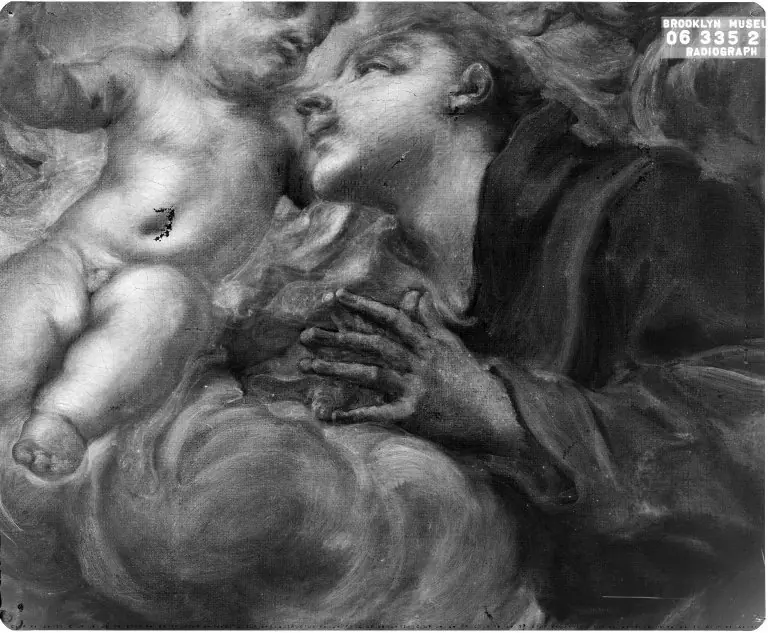 Appearance of the Christ Child to Saint Anthony of Padua