Artwork
Girl with Three Deer: Todi Ragini
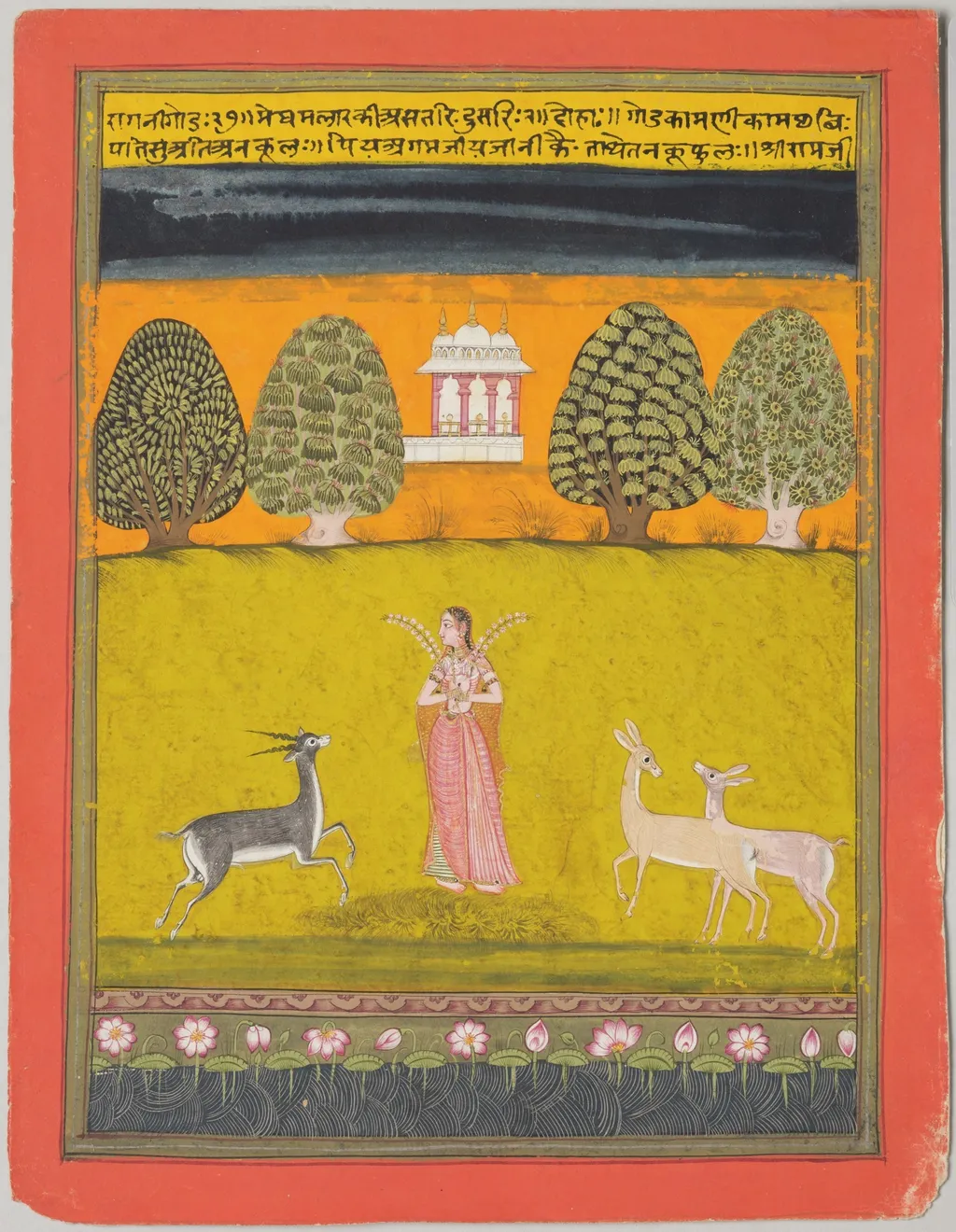
Girl with Three Deer: Todi Ragini is an unspecified painting by the Mughal Painting artist Unknown. It dates from 1650 and is held in the collection of the Detroit Institute of Arts. This painting, titled Girl with Three Deer and classified as a Todi Ragini, depicts a solitary woman in a pastoral setting.
About this work
Overview
She is dressed in a long pink garment and holds a bow and arrows, while three deer—colored white, gray, and light brown—stand nearby, each oriented differently.
This painting, titled Girl with Three Deer and classified as a Todi Ragini, depicts a solitary woman in a pastoral setting. She is dressed in a long pink garment and holds a bow and arrows, while three deer—colored white, gray, and light brown—stand nearby, each oriented differently. The background features a yellow field, scattered vegetation, and a distant structure with pink columns and a white roof, all rendered with careful attention to detail.
Subject & Meaning
The figure likely represents a musical raga’s personification, as Todi Ragini is associated with late morning and introspective mood in Indian classical tradition. The deer, often symbols of gentleness and harmony in South Asian art, surround the woman as if responding to her presence. Her weapons suggest a duality—domestic grace paired with latent power—reflecting the raga’s emotional complexity.
Technique & Style
The work employs fine brushwork to render textures: the intricate embroidery on the woman’s dress, the individual strands of deer fur, and the subtle gradations in the field’s yellow tones. Colors are deliberately contrasted to draw focus to the central figure and animals. The composition balances naturalism with stylized elements, typical of Pahari school miniatures, where realism serves symbolic intent.
History & Provenance
The painting originates from the Pahari region of northern India, likely created in the late 18th century. It entered the collection of the Detroit Institute of Arts through documented acquisition, though its earlier ownership remains unrecorded. Its preservation in good condition reflects careful handling and conservation practices over time.
Context
Todi Ragini paintings were part of a larger tradition linking music, poetry, and visual art in North Indian courts. Each raga was visualized as a mood or scene, often featuring figures in nature. This work aligns with other Pahari miniatures that used landscape and animal symbolism to evoke specific times of day and emotional states, serving both devotional and aesthetic purposes.
Legacy
As a representative of the Todi Ragini series, this painting contributes to the understanding of how Indian musical traditions were translated into visual form. It remains a key example of Pahari miniature painting’s capacity to merge narrative, emotion, and natural observation. Its presence in a major Western institution underscores its role in cross-cultural art historical discourse.
Artist & collection

 Domestic Scene
 Giacomo and Cardinal Marco, investing Andrea, Abbot of San Zeno, with his Benefice
 The Nymph of Fontainebleau
 Portrait of a Woman
 Madonna and Child with Saints in the Enclosed Garden
 Venus and Minerva
 Family Group of Four on Sofa
 Wall painting from Room H of the Villa of P. Fannius Synistor at Boscoreale
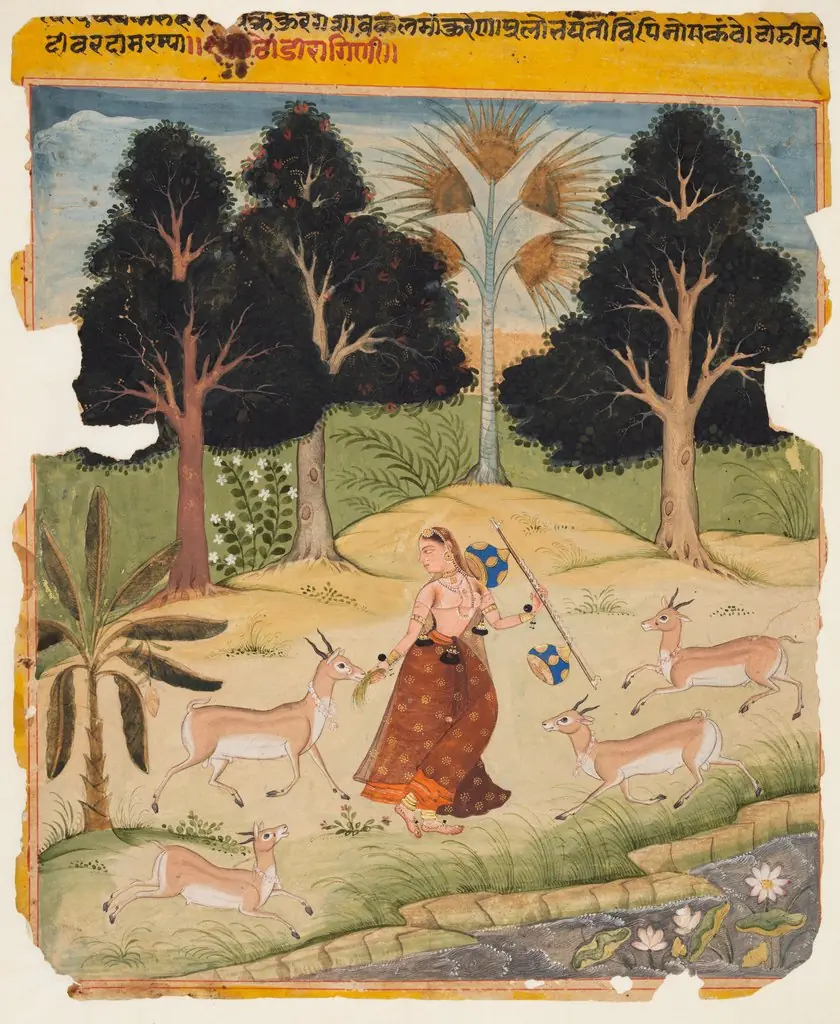 Woman Feeding Deer: Todi Ragini, from a Ragamala
 Todi Ragini
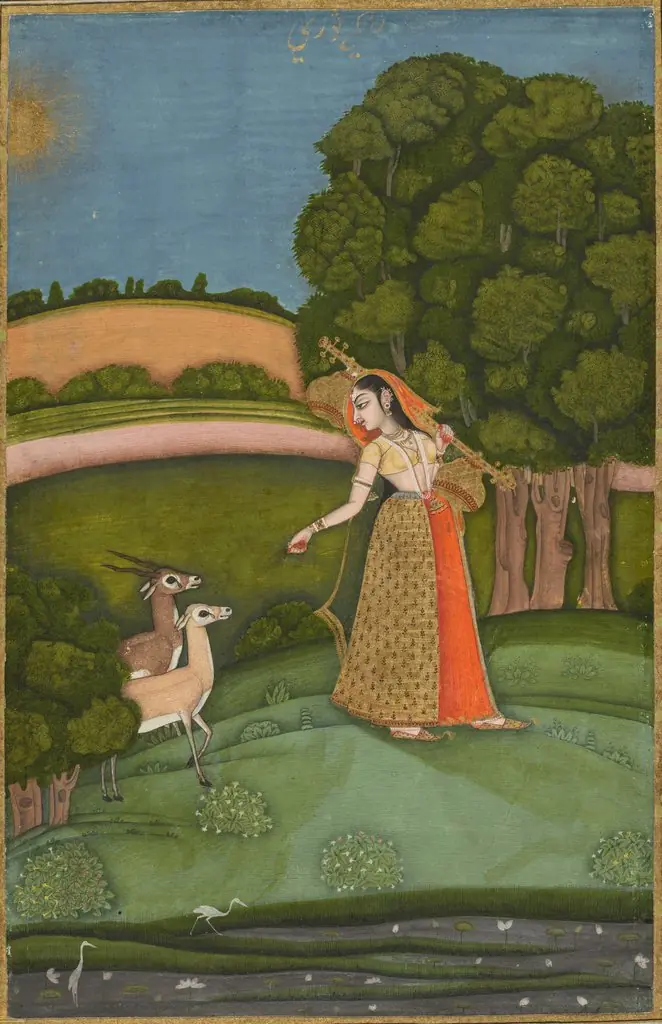 Todi Ragini, from a Ragamala Series
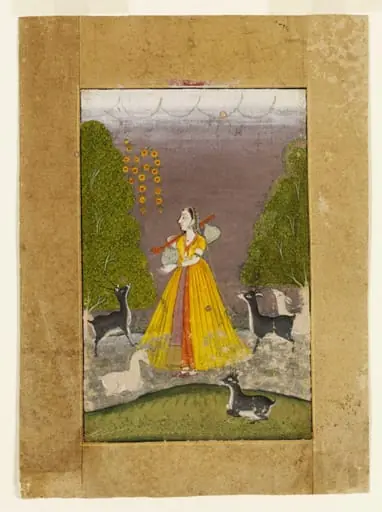 Todi Ragini
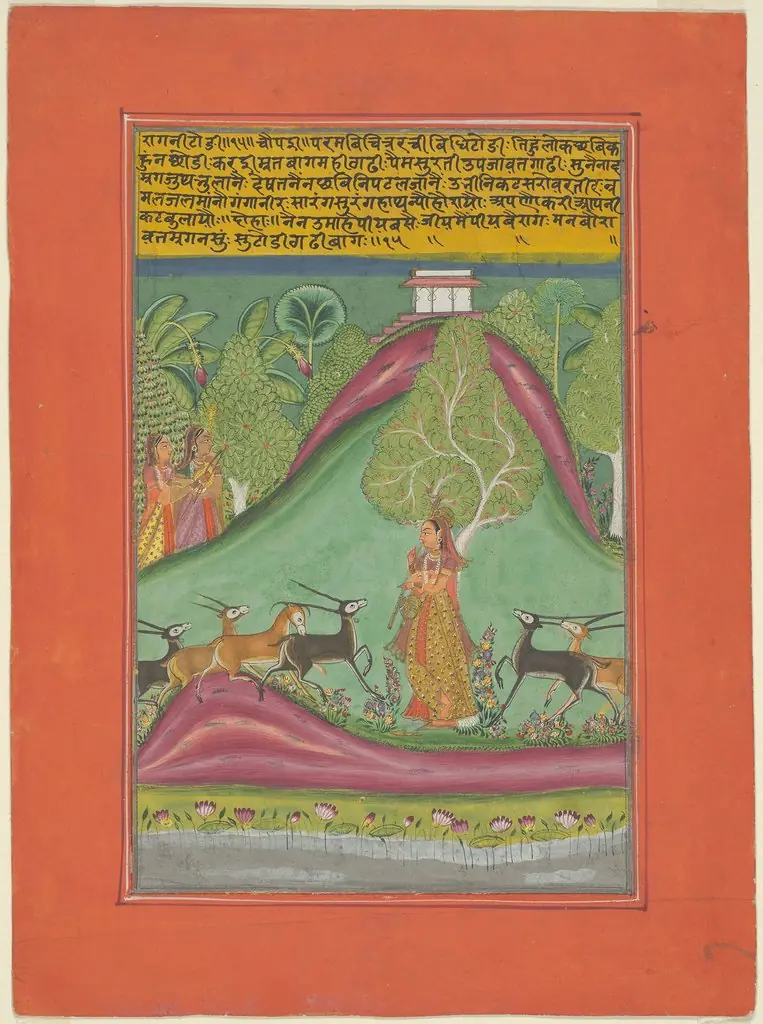 Ragini Todi, Page from a Jaipur Ragamala Set
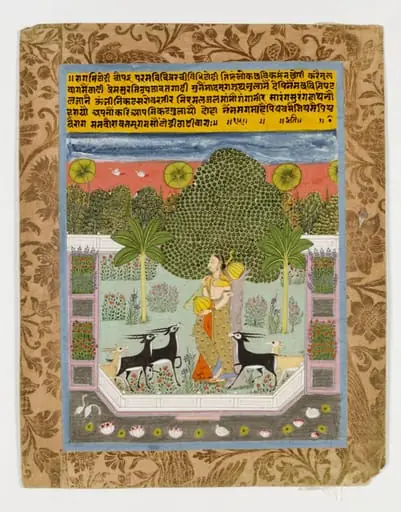 Todi Ragini
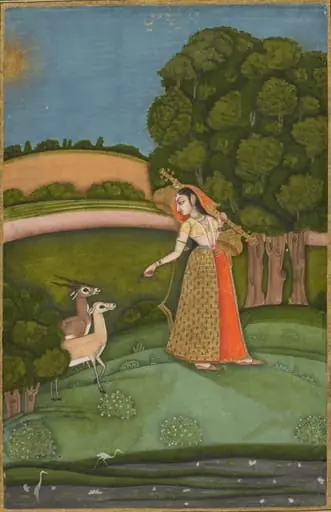 Todi Ragini, from a Ragamala Series
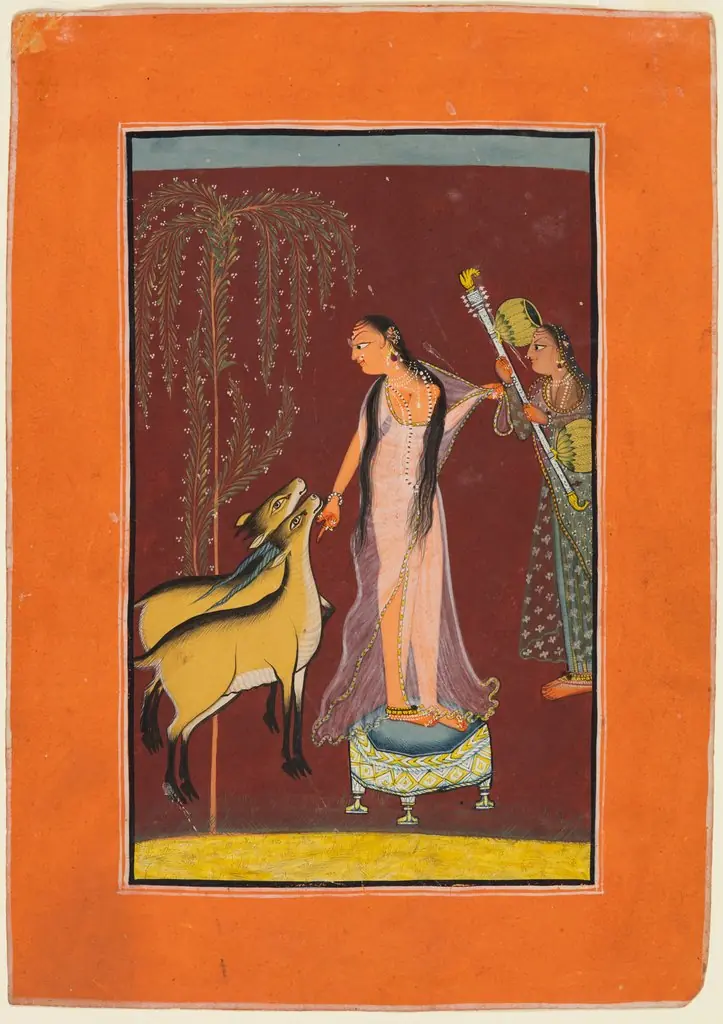 A Lady with Attendant and a Pair of Deer: Probably Gujari Ragini of Dipak, from a Pahari Ragamala
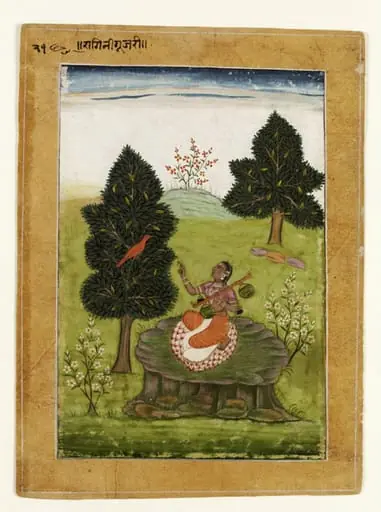 Gujari Ragini
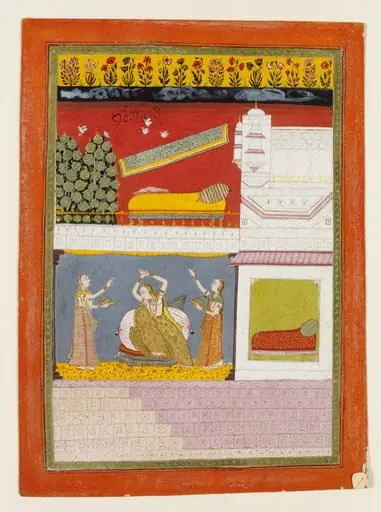 Varara Ragini