Artwork
Iskander Comforts the Dying Darius
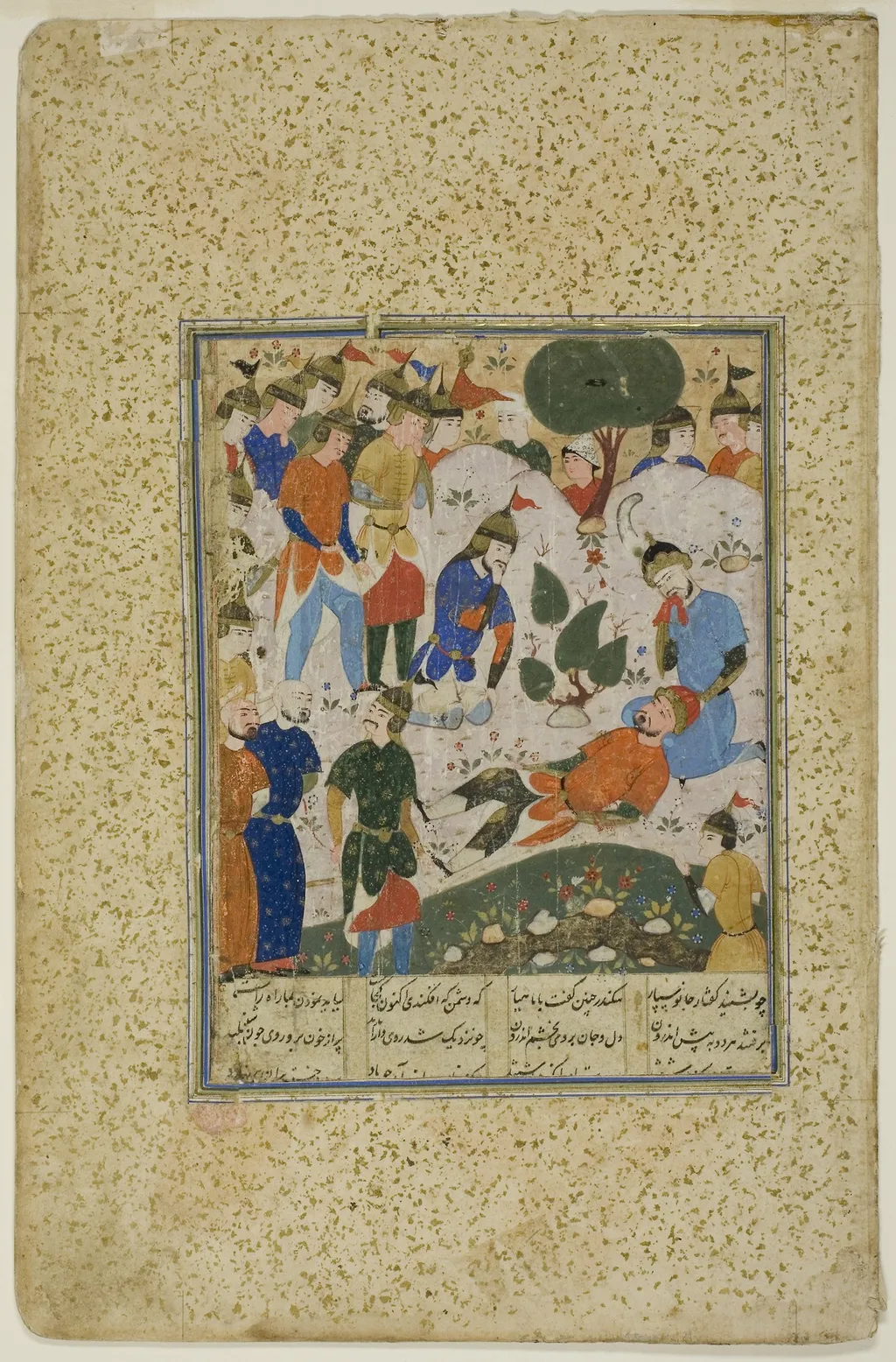
Iskander Comforts the Dying Darius is an unspecified painting by the Mannerist artist Unknown. It dates from 1596 and is held in the collection of the Art Institute of Chicago.
About this work
Overview
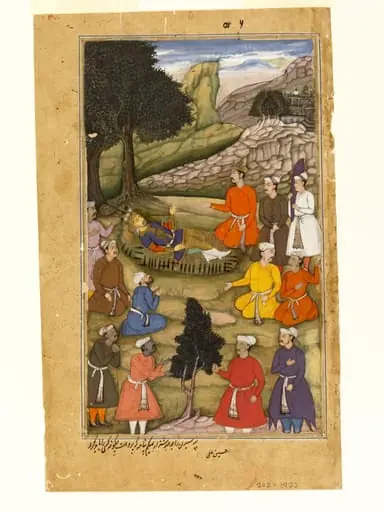
This painting depicts a moment of solemnity in which Iskander, likely Alexander the Great, tends to the dying Darius III, the defeated Persian king.
This painting depicts a moment of solemnity in which Iskander, likely Alexander the Great, tends to the dying Darius III, the defeated Persian king. The scene unfolds on a bare, earth-toned ground, surrounded by a group of attendants and soldiers in vivid garments. The composition centers on the fallen ruler, surrounded by figures in varied postures of grief and reverence, suggesting a narrative drawn from classical history rather than myth.
Subject & Meaning
The scene illustrates a legendary act of mercy following battle: Alexander, having defeated Darius, honors his fallen rival with care in his final moments. The presence of weapons and vessels implies both the violence of war and the ritual of last rites. The gesture underscores themes of chivalry and human dignity across enemy lines, reflecting Renaissance ideals of noble conduct even in defeat.
Technique & Style
The figures are rendered with attention to textile detail and varied color, creating visual rhythm amid the stillness of death. The background, lightly textured with muted brown speckles, recedes without depth, focusing attention on the central group. Figures are arranged in a semi-circle, their gestures and drapery guiding the viewer’s eye toward the dying king, emphasizing emotional gravity over spatial realism.
History & Provenance
The painting likely originates from the late 16th or early 17th century, a period when European artists frequently drew from classical histories and Persian legends. Its style aligns with Northern Mannerist traditions, though its exact origin and early ownership remain undocumented. It may have been commissioned by a collector interested in moralized historical narratives from antiquity.
Context
During this era, stories of Alexander the Great were widely circulated as exemplars of virtue and leadership. Artists and writers often highlighted episodes where he showed compassion to enemies, reinforcing ideals of enlightened rule. This painting fits within a broader trend of using ancient history to comment on contemporary notions of power, honor, and humanity.
Legacy
Though not widely known today, the painting contributes to a visual tradition that shaped perceptions of Alexander as a noble conqueror. Its quiet dignity and focus on mercy distinguish it from more dramatic battle scenes of the period. It remains a quiet testament to how historical narratives were adapted to reflect moral values in early modern visual culture.
Artist & collection

 Domestic Scene
 Giacomo and Cardinal Marco, investing Andrea, Abbot of San Zeno, with his Benefice
 The Nymph of Fontainebleau
 Portrait of a Woman
 Madonna and Child with Saints in the Enclosed Garden
 Venus and Minerva
 Family Group of Four on Sofa
 Wall painting from Room H of the Villa of P. Fannius Synistor at Boscoreale
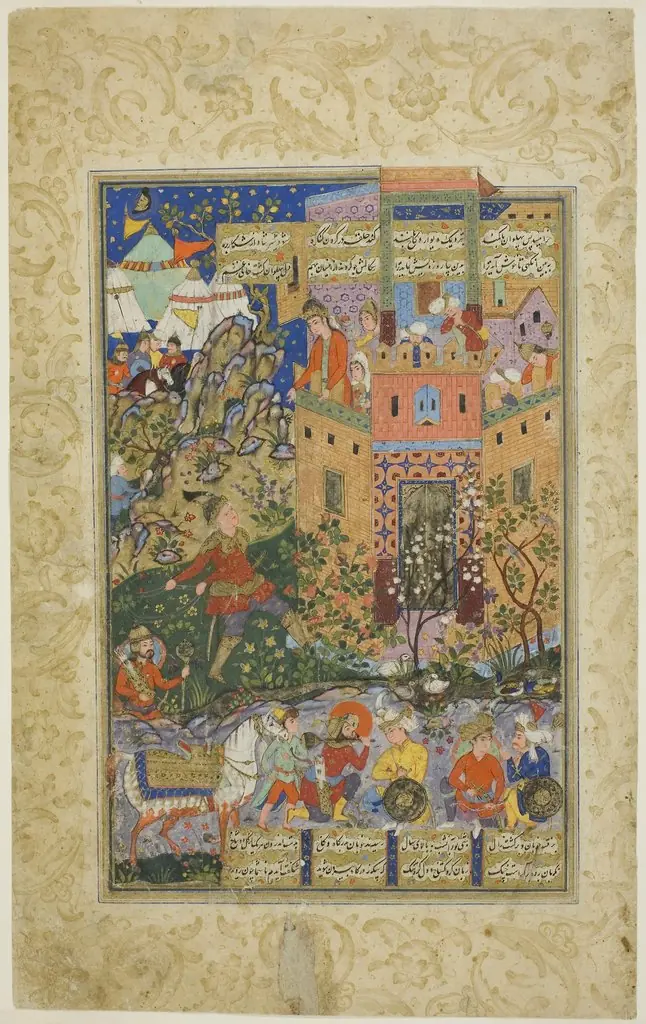 Zal Climbing to Rudaba, page from a copy of the Shahnama of Firdausi
 King Anushirwan and the Owls, from the Khamsa of Nizami
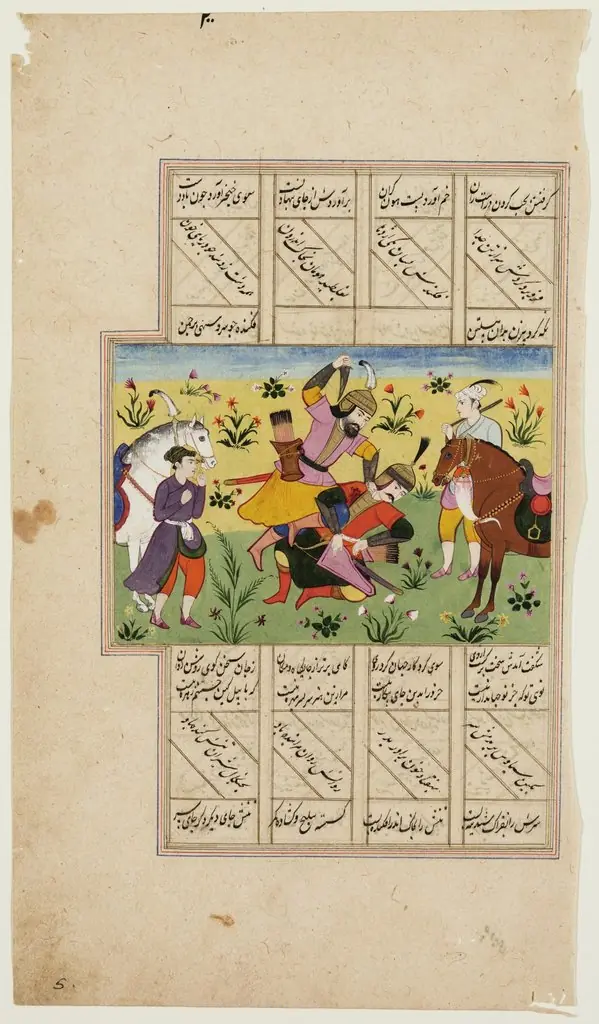 King Slaying Enemy with a Dagger
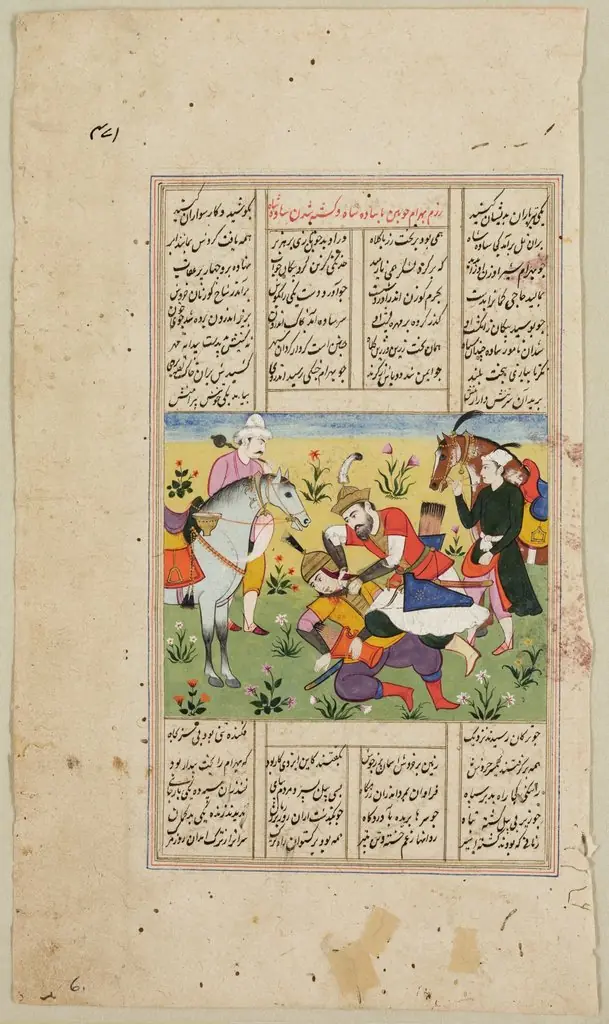 King Beheading Enemy
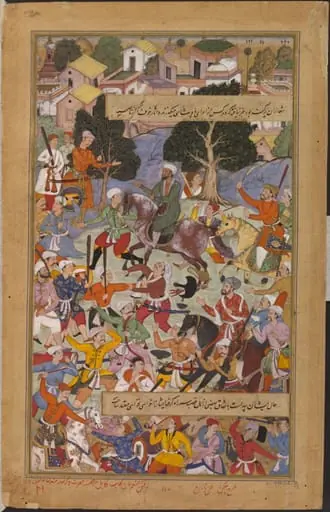 Mu'nim Khan
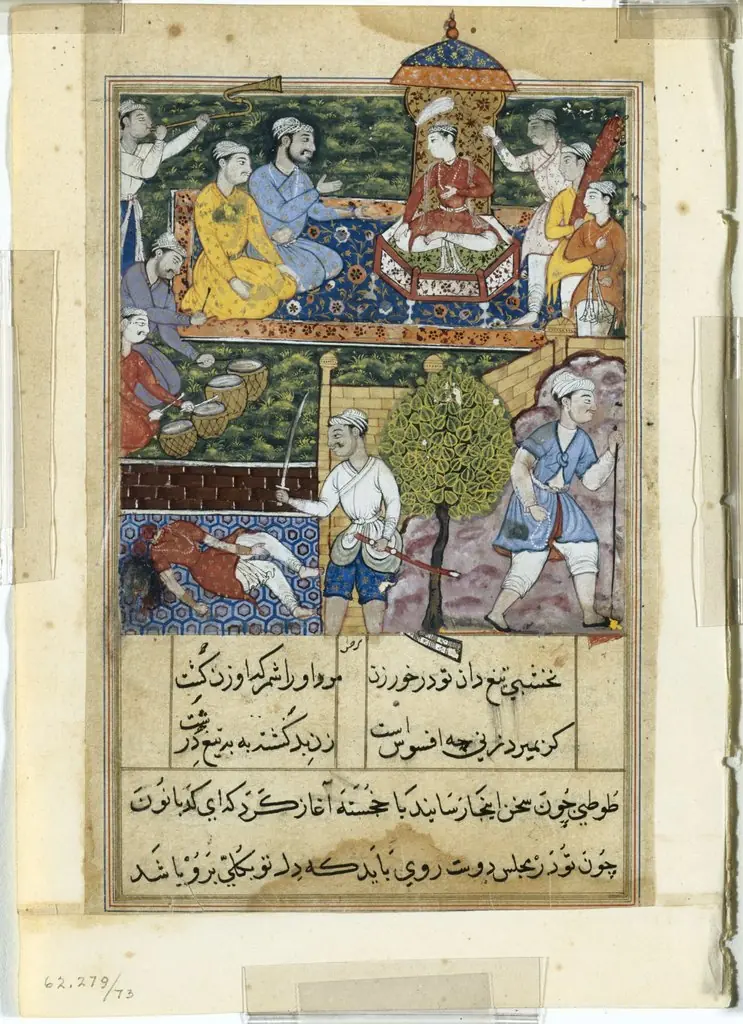 The young prince is crowned and the wicked handmaiden is executed, from a Tuti-nama (Tales of a Parrot): Eighth Night
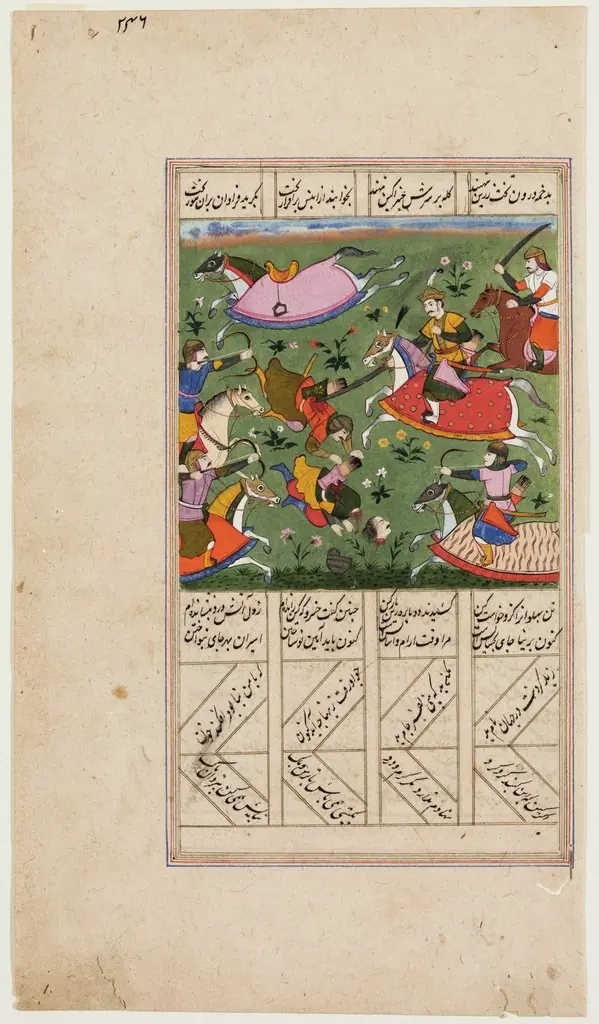 Cavalry Battle with Beheaded Warrior
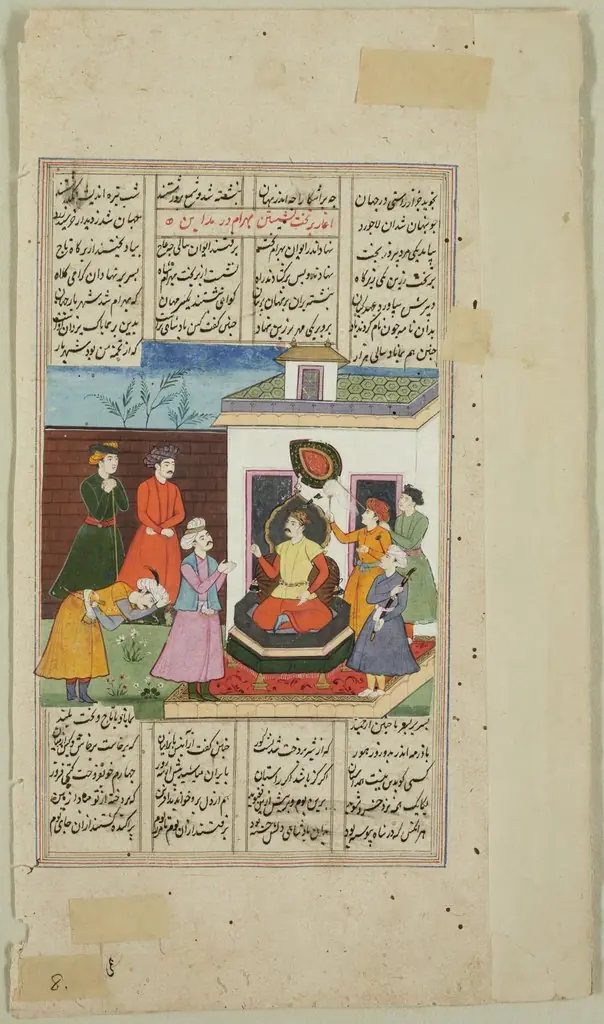 King Enthroned Outside and Standing Retainers
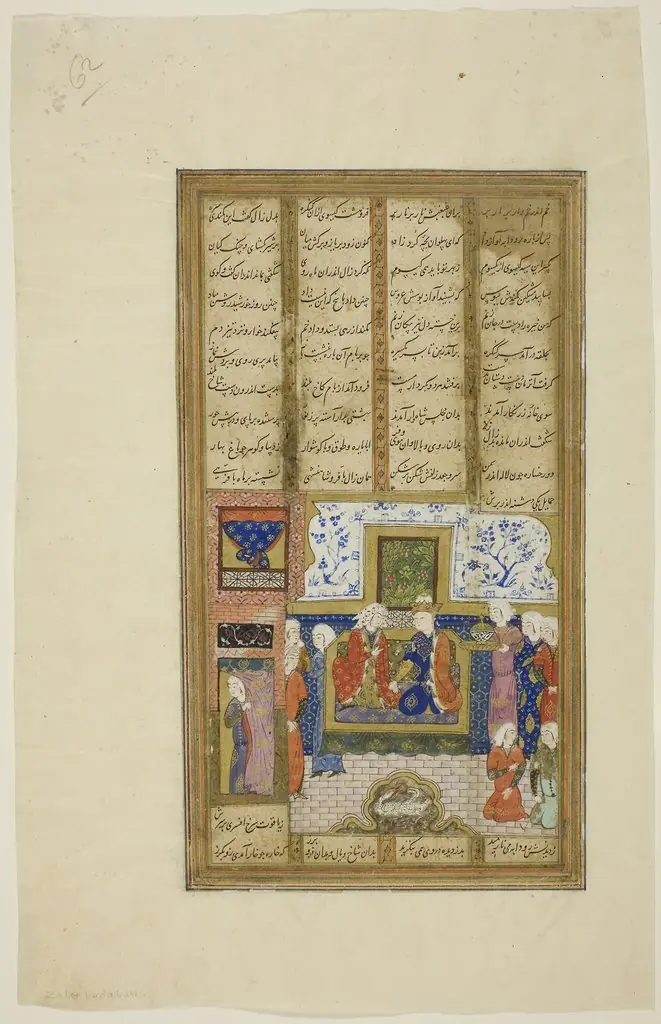 Zal and Rudaba in a Palace, page from a copy of the Shahnama of Firdausi
 Untitled
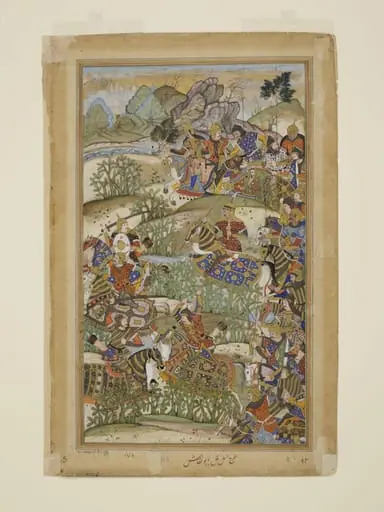 Battle of Sarnal in Gujarat
 Bhisma