Artwork
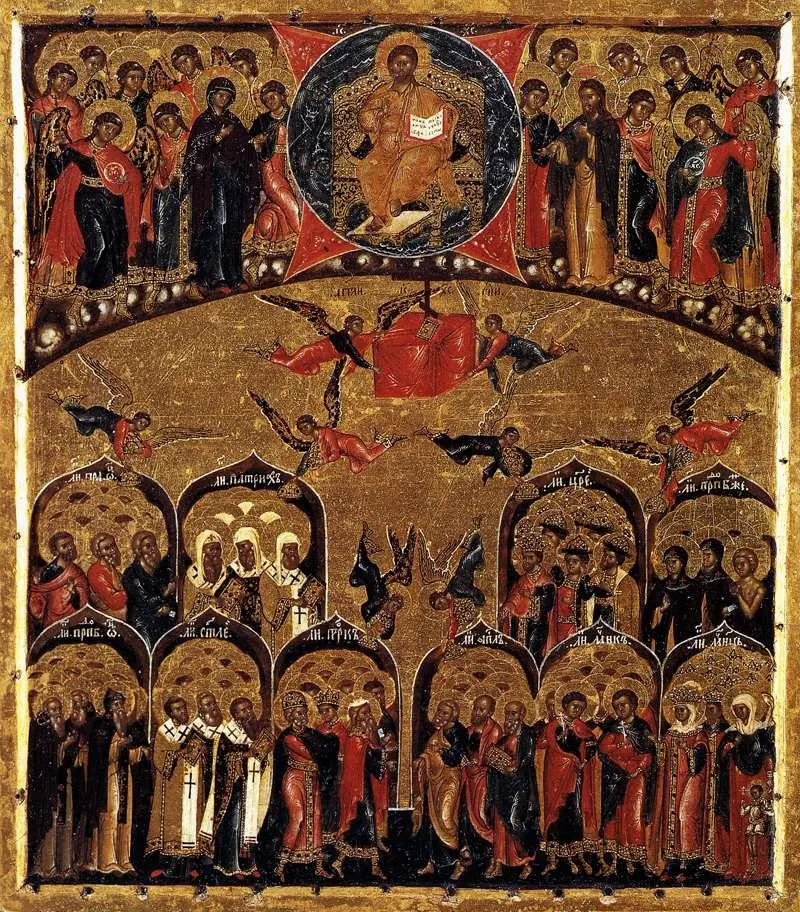
Trinity with the Saints
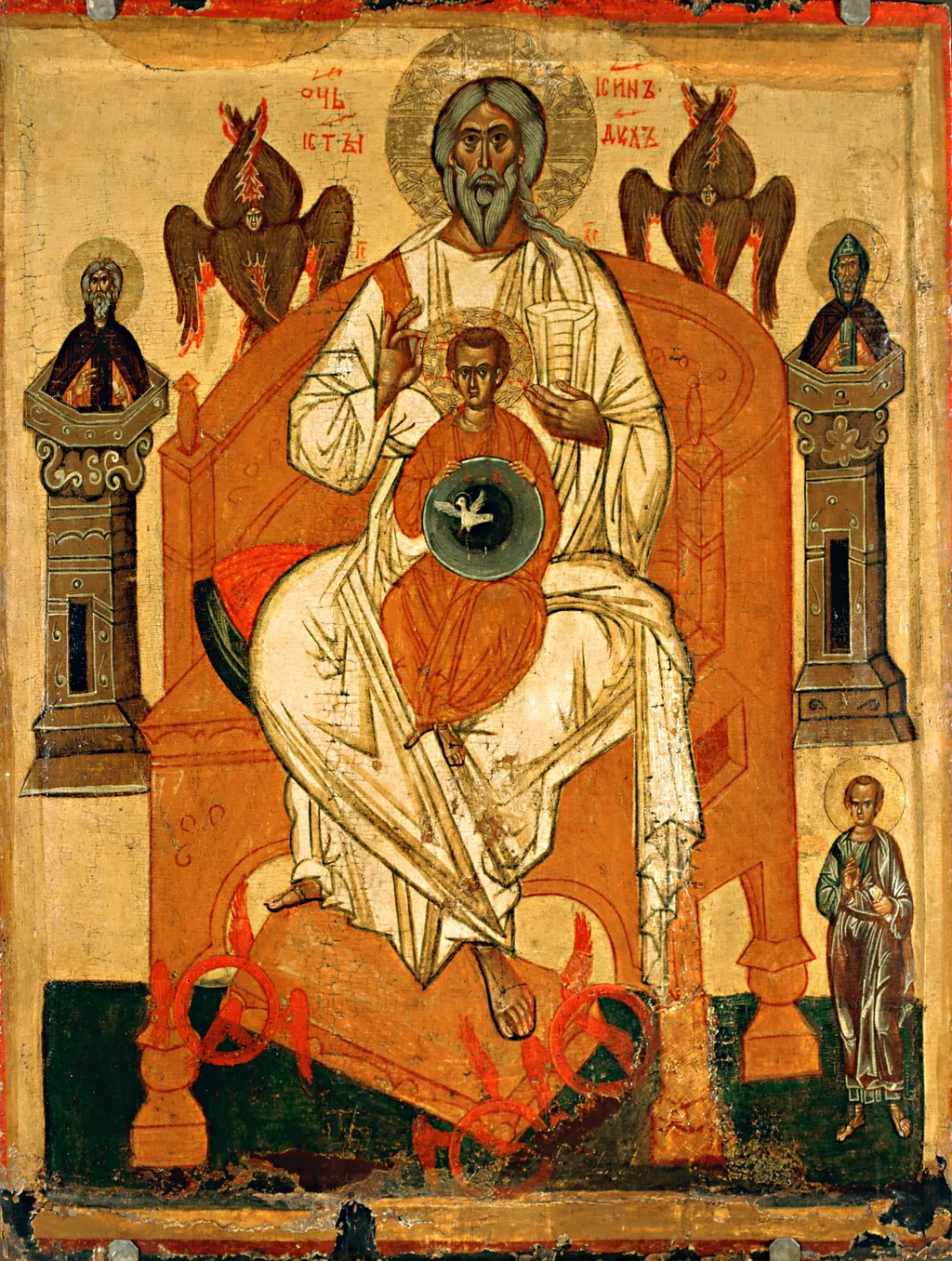
Trinity with the Saints is a tempera painting by the Byzantine icon painting artist Unknown. It dates from 1400 and is held in the collection of the Tretyakov Gallery.
About this work
If you're interested in learning more about this technique, you might want to look up the artist, whose work is held at the Tretyakov Gallery.
This painting, titled "Trinity with the Saints," is a tempera work from the early 15th century. It features a central figure with a long white robe and a halo, surrounded by smaller figures in various robes. The background is a warm, golden color.
The central figure holds a book and appears to be speaking to the smaller figures. The smaller figures are arranged around the central figure, each with their own unique expression and gesture. The overall mood of the painting is one of reverence and contemplation.
The use of tempera in this painting gives it a sense of depth and texture. If you're interested in learning more about this technique, you might want to look up the artist, whose work is held at the Tretyakov Gallery.
Overview
This tempera painting from the early 1400s depicts a sacred assembly centered on a robed figure, likely Christ or God the Father, flanked by saints in varied postures. The golden background enhances the spiritual atmosphere, while the figures’ gestures and expressions convey quiet devotion. Tempera’s fine, layered application lends a crisp, luminous quality to the surfaces, typical of early Renaissance devotional panels.
Subject & Meaning
The central figure, identified by halo and book, represents the divine presence, possibly the Trinity in human form. Surrounding saints, each distinct in attire and gesture, signify intercessors between the divine and the faithful. The composition reflects medieval theological hierarchy, with the sacred at the core and holy figures arranged in reverent attendance, reinforcing the theme of celestial order.
Technique & Style
Tempera paint, made from pigment mixed with egg yolk, was applied in thin, precise strokes to create fine detail and subtle tonal shifts. The flat, gold background avoids perspective, focusing attention on the figures. Facial expressions and drapery folds are rendered with careful line work, characteristic of late Gothic traditions transitioning into early Renaissance naturalism.
History & Provenance
The painting’s origin is tied to a religious community, likely commissioned for a chapel or monastic setting. Its survival suggests it remained in ecclesiastical care for centuries, possibly moved during secularization or reform periods. No definitive record of its first owner or location survives, but its style aligns with Italian workshop practices of the early 15th century.
Context
Created during a period when devotional imagery was central to worship, the painting reflects the Church’s emphasis on visual mediation of the divine. Similar works adorned altars in Tuscany and Umbria, where tempera remained dominant before oil painting spread. The inclusion of multiple saints indicates a local cult or patron saint devotion, common in regional religious practice.
Legacy
Though unsigned and unattributed to a known master, the work exemplifies the craftsmanship of anonymous artisans who shaped early Renaissance religious art. Its preservation offers insight into pre-humanist devotional aesthetics, influencing later altarpieces that retained symbolic composition even as naturalism advanced.
Artist & collection

 Domestic Scene
 Giacomo and Cardinal Marco, investing Andrea, Abbot of San Zeno, with his Benefice
 The Nymph of Fontainebleau
 Portrait of a Woman
 Madonna and Child with Saints in the Enclosed Garden
 Venus and Minerva
 Family Group of Four on Sofa
 Wall painting from Room H of the Villa of P. Fannius Synistor at Boscoreale
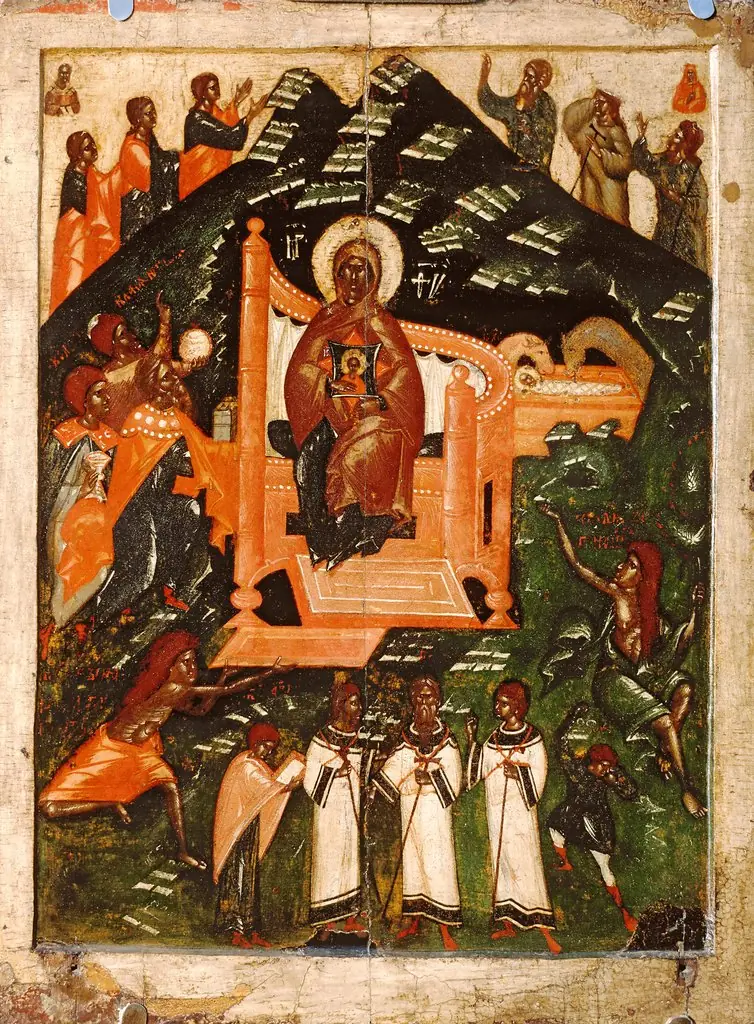 Celebration of Our Lady
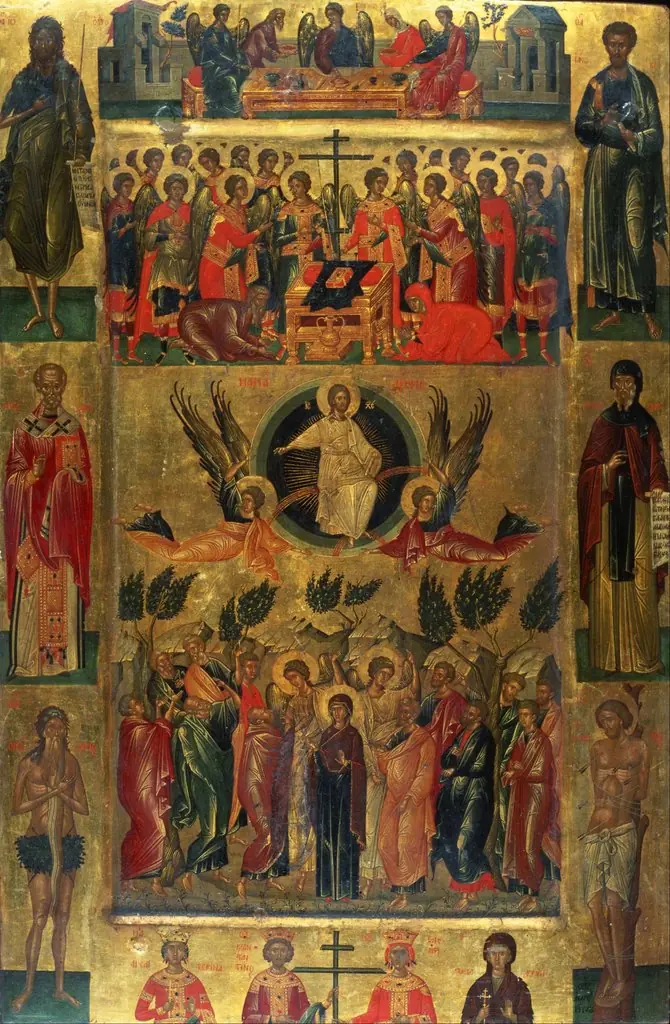 Ascension of Christ with the Hetoimasia
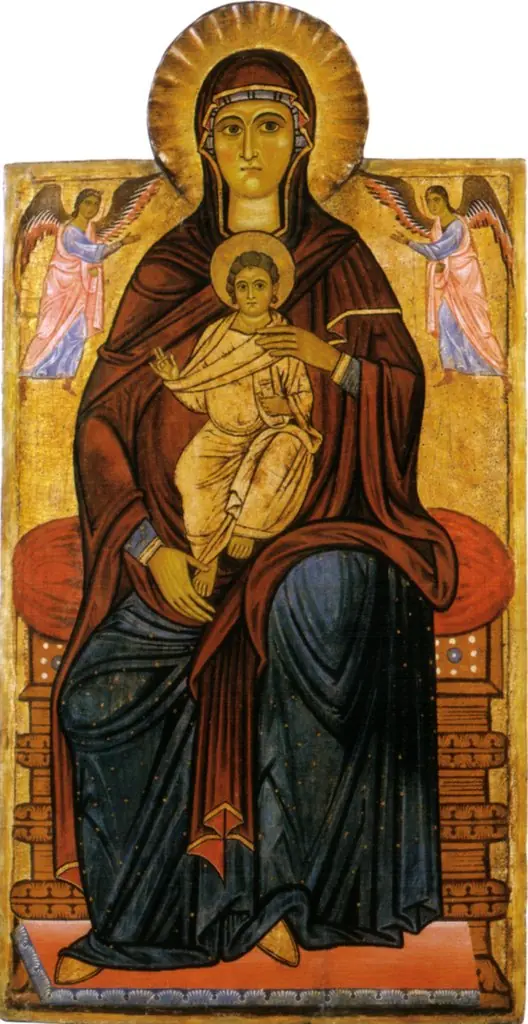 Madonna with Child enthroned with two Angels
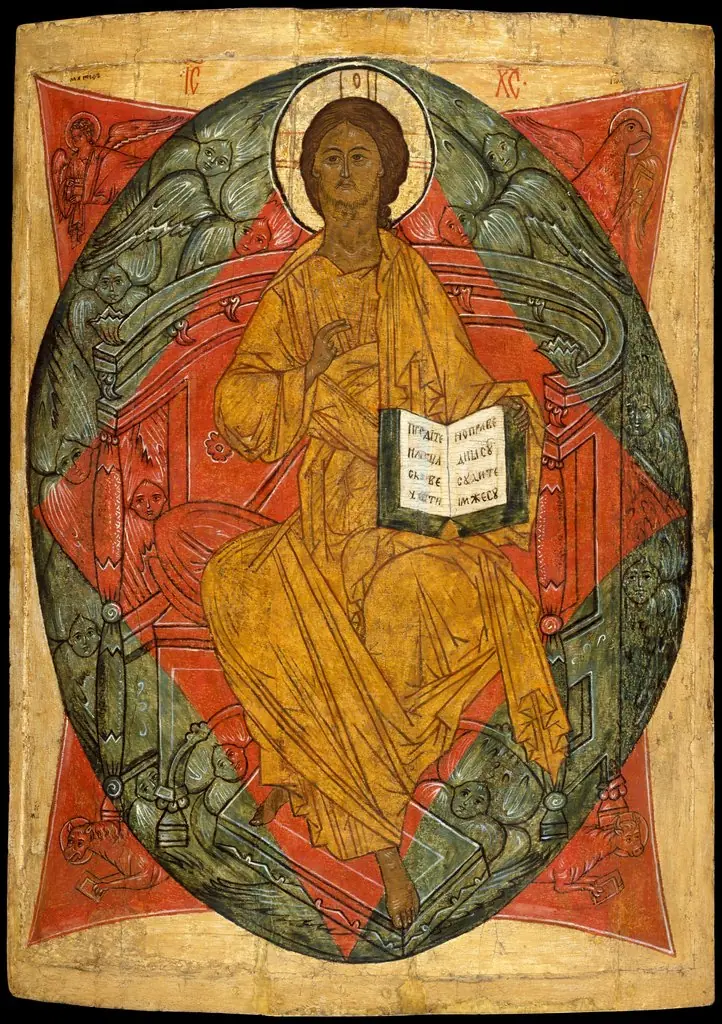 Christ in Glory
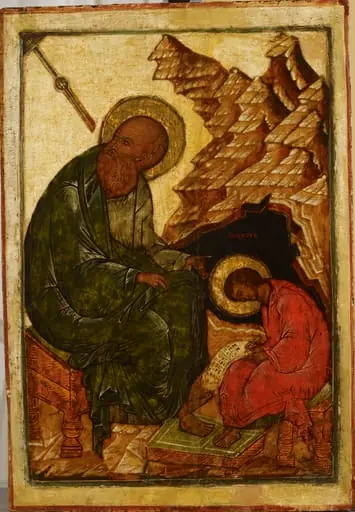 Johannes Evankelista ja oppilaansa Prohoros, venäläinen ikoni
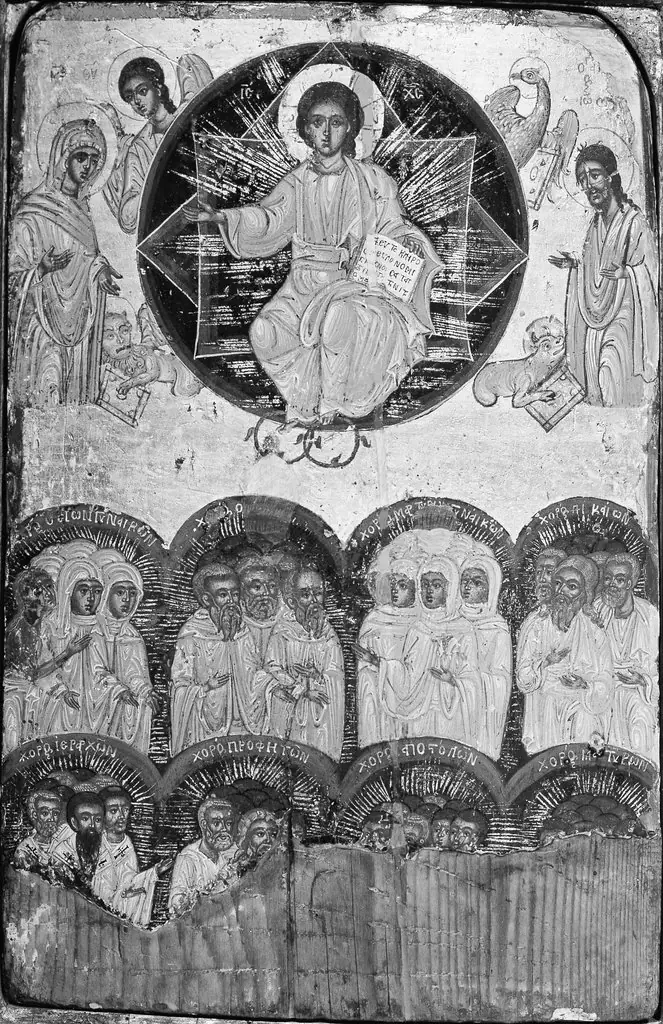 All Saints
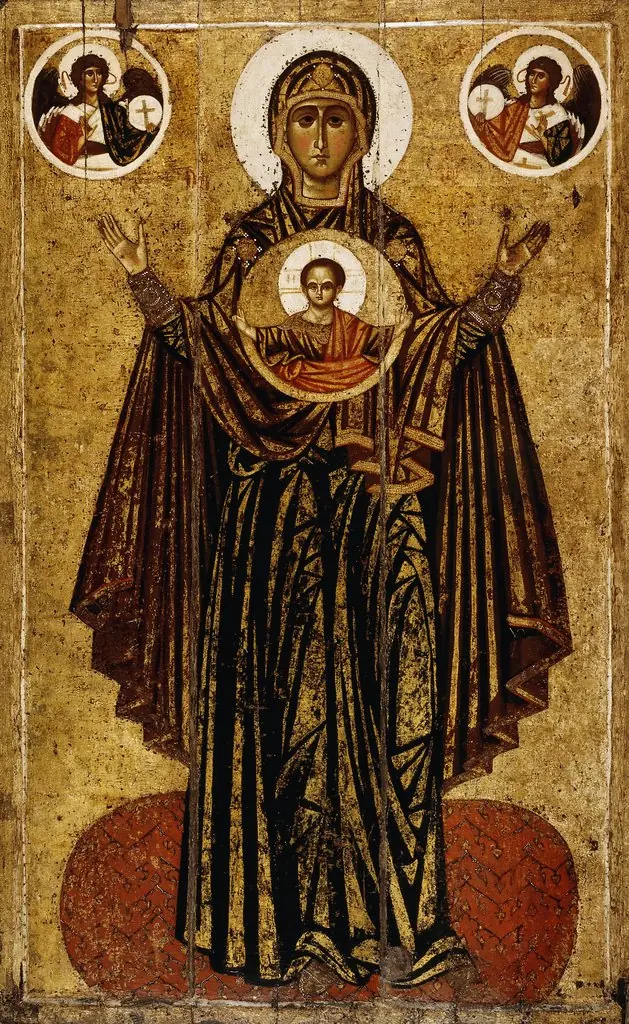 Our Lady of the Great Panagiya
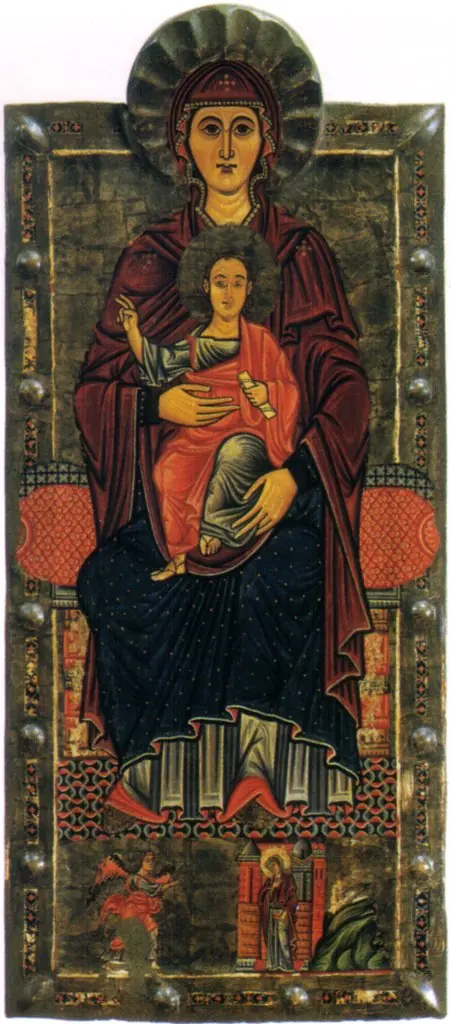 Virgin and Child enthroned; Annunciation
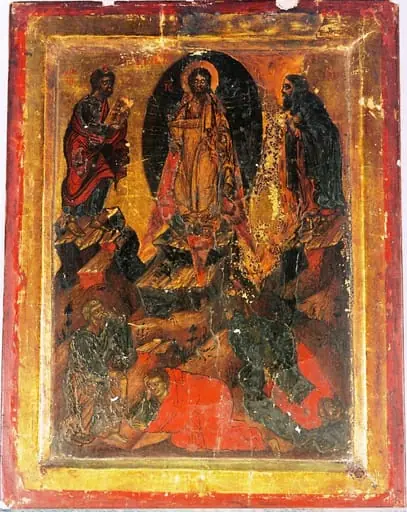 SCHIMBAREA LA FATA
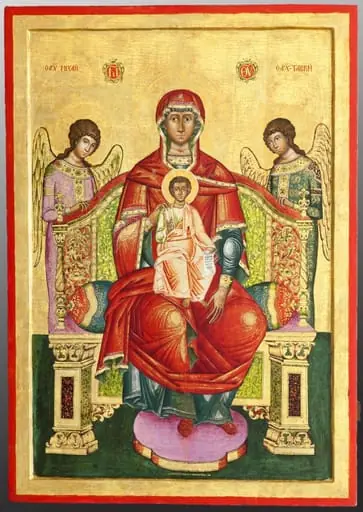 Maica Domnului cu Pruncul - Stăpâna Îngerilor
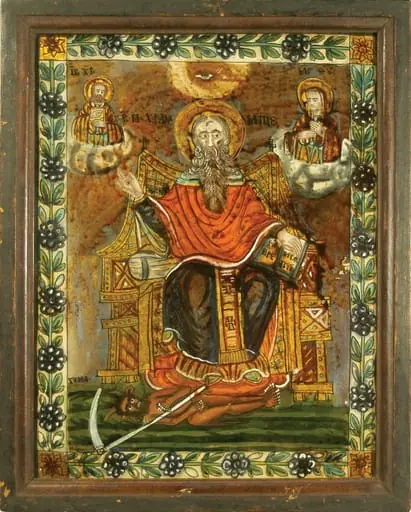 Sf. Haralambie
 Synaxis of All Saints