Artwork
The Holme Family
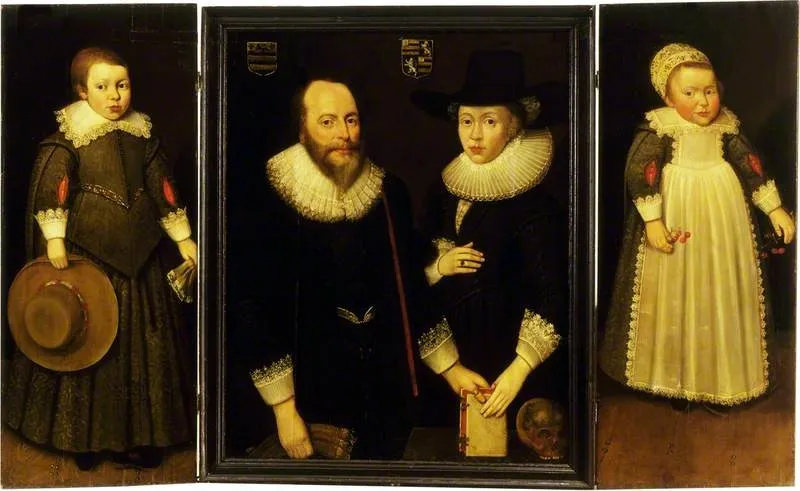
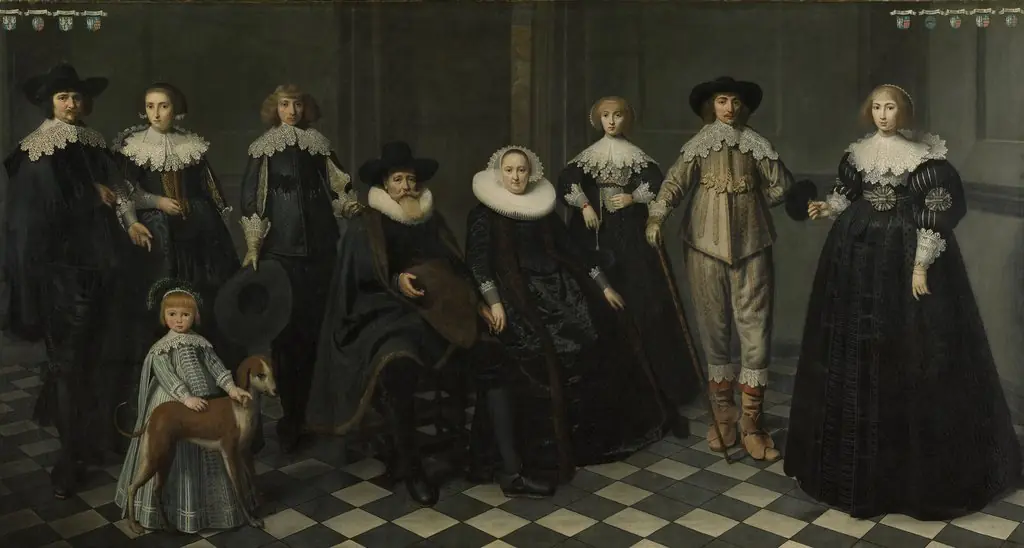
The Holme Family is an oil painting by Unknown. It dates from 1628 and is held in the collection of the Victoria and Albert Museum.
About this work
The man and woman wear dark attire with white lace collars and cuffs, while the girls are dressed in dark and white outfits.
This painting depicts a family portrait, with a man and woman at the center, flanked by two young girls. The man and woman wear dark attire with white lace collars and cuffs, while the girls are dressed in dark and white outfits. The man holds a red cane, and the woman grasps a book. The background is a dark, muted tone. The painting's style and attire suggest it is from the 17th century. The use of dark colors and the formal poses of the subjects are characteristic of the time period.
Overview
The work titled The Holme Family is an oil painting that presents a formal group portrait. Central figures are a man and a woman, each dressed in dark garments accented with white lace collars and cuffs, accompanied by two young girls positioned on either side. The composition is set against a subdued, dark background, emphasizing the figures and their attire.
Subject & Meaning
The portrait captures a domestic scene of a 17th‑century family, with the male figure holding a red cane—a possible symbol of status—while the female figure clasps a book, perhaps indicating literacy or piety. The children's matching yet slightly varied clothing suggests their roles within the family hierarchy, reinforcing notions of lineage and social standing.
Technique & Style
Executed in oil on canvas, the painting employs a limited palette of deep tones punctuated by the stark white of lace and the vivid red of the cane. The figures are rendered with careful attention to texture, especially in the lacework and fabric folds, while the muted background recedes, a hallmark of the period’s restrained, formal portraiture.
Context
The attire and compositional conventions align the work with mid‑to‑late 17th‑century English portraiture, when aristocratic families often commissioned group images to affirm their lineage. The use of dark clothing and subdued lighting reflects contemporary aesthetic preferences for sobriety and moral seriousness in domestic representation.
Legacy
While the artist remains unidentified, the painting serves as a visual document of period dress, family structure, and the social symbols valued by the English gentry. It contributes to the broader corpus of family portraiture that informs scholars about gender roles, education, and status markers in early modern England.
Artist & collection

 Domestic Scene
 Giacomo and Cardinal Marco, investing Andrea, Abbot of San Zeno, with his Benefice
 The Nymph of Fontainebleau
 Portrait of a Woman
 Madonna and Child with Saints in the Enclosed Garden
 Venus and Minerva
 Family Group of Four on Sofa
 Wall painting from Room H of the Villa of P. Fannius Synistor at Boscoreale
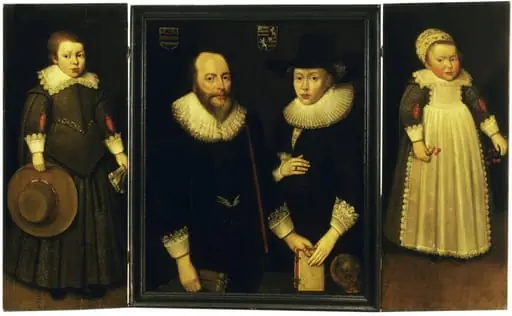 The Holme Family
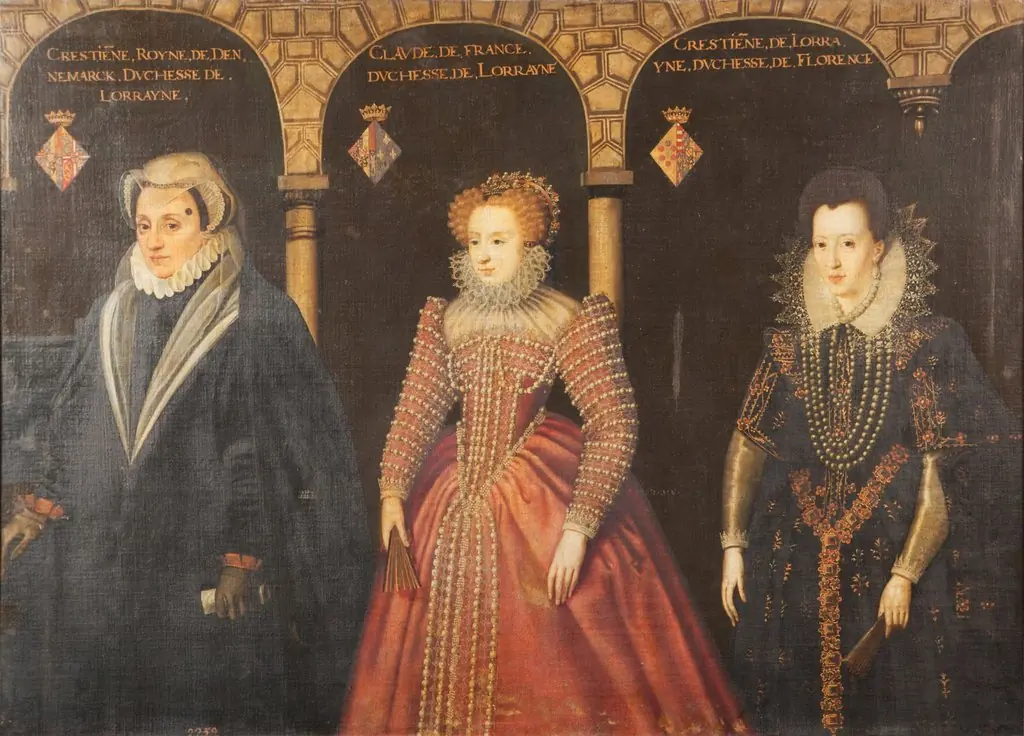 Portrait of Christina of Denmark, Claude of Valois and Christina of Lorraine
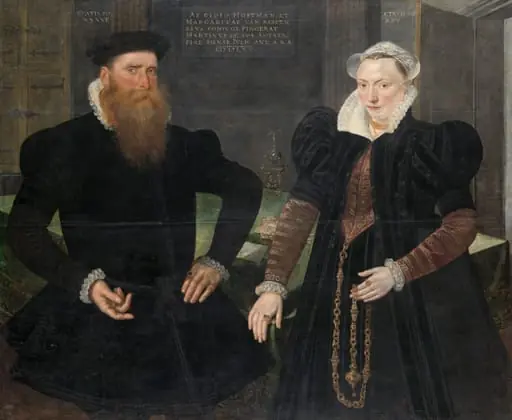 Portrait of Gillis Hooftman, Shipowner, and his Wife Margaretha van Nispen (Gilles van Eichelenberg, called Hoffman)
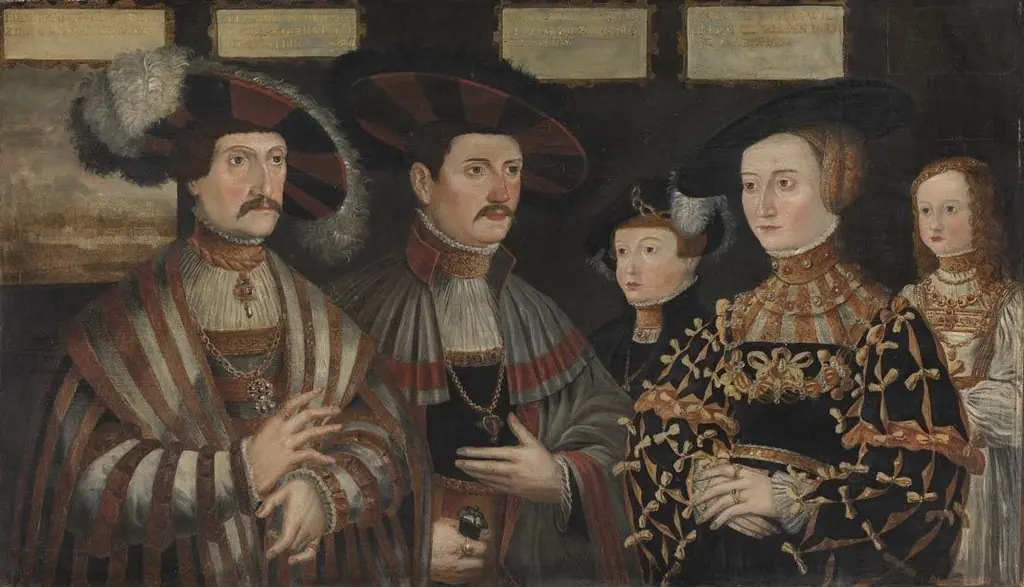 Family Portrait of Ludwig II
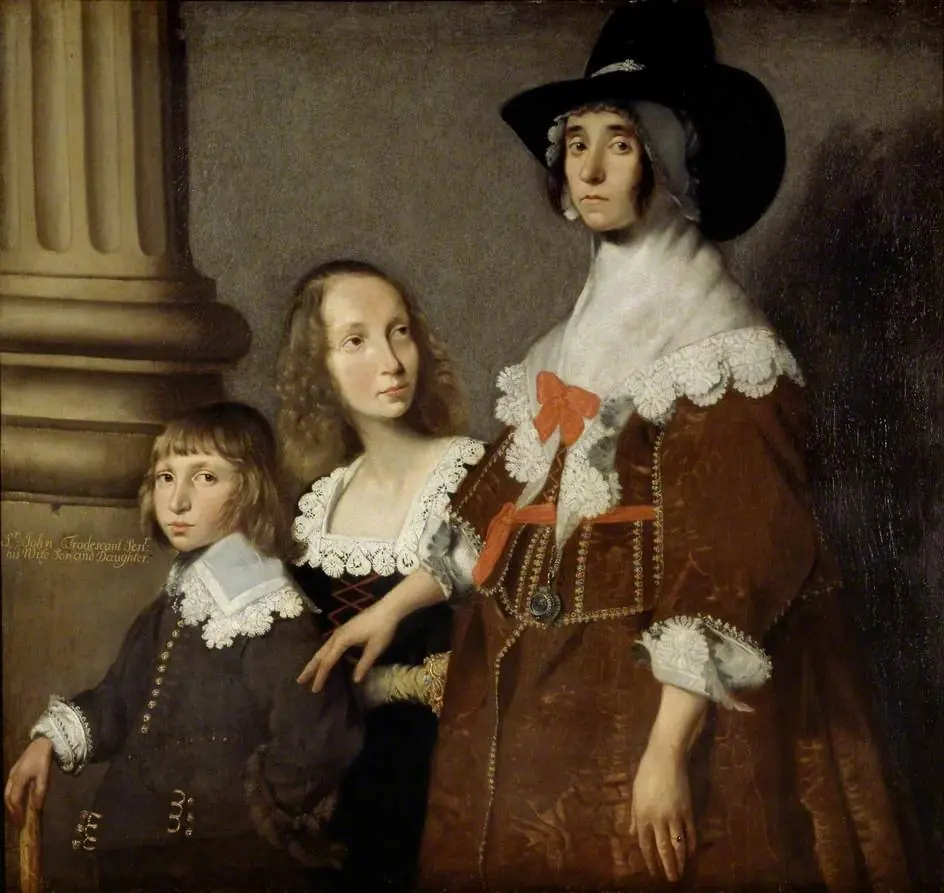 Hester Tradescant and her Stepchildren, John and Frances
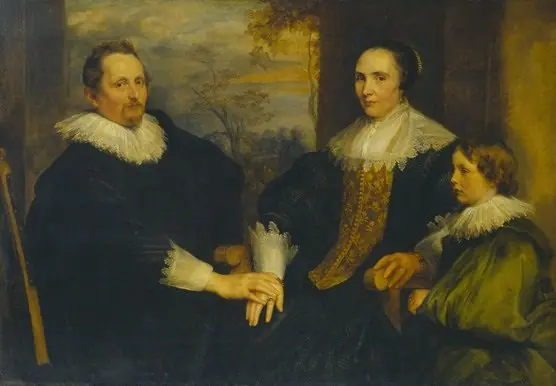 Sebastiaan Leerse with his wife and son
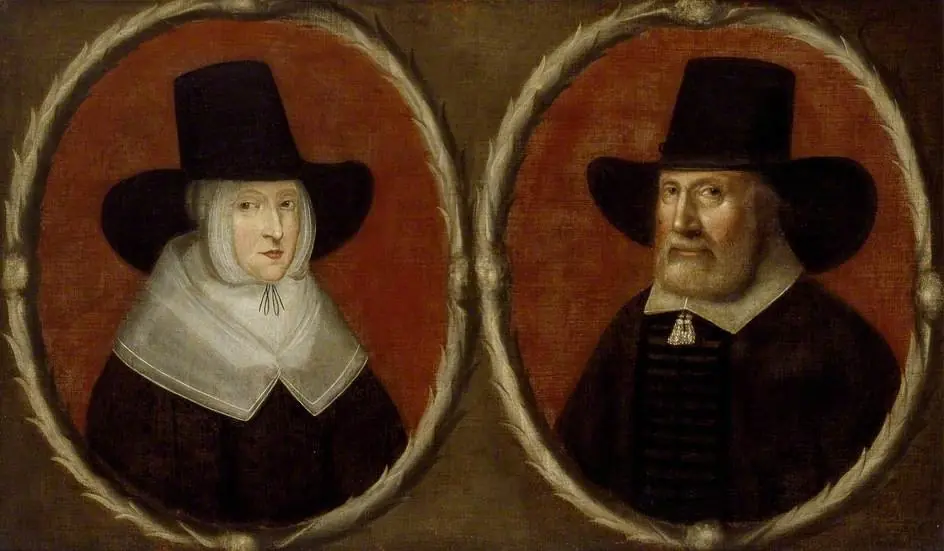 Portrait of a Couple, said to be John Tradescant the Elder and his Wife Elizabeth
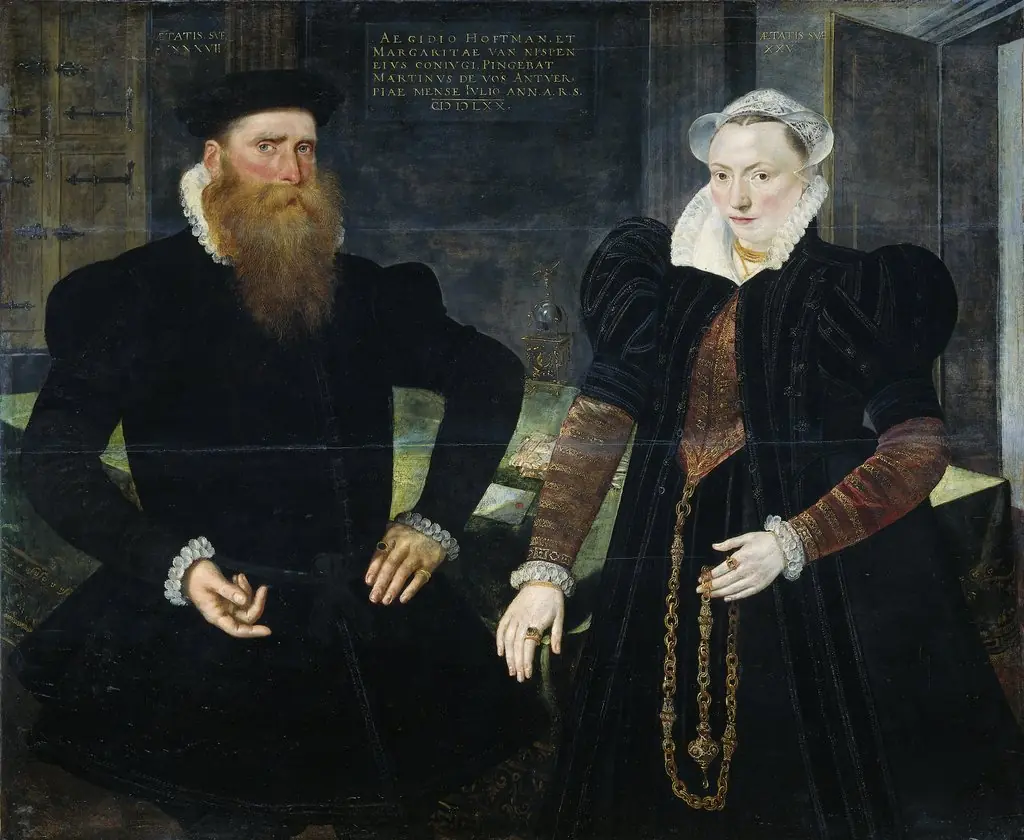 Portrait of Gillis Hooftman (1521-81). Shipowner, and his wife Margaretha van Nispen (b 1545)
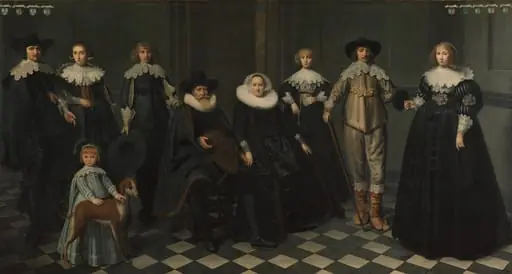 Portrait of the Family of Dirck Bas Jacobsz, Burgomaster of Amsterdam
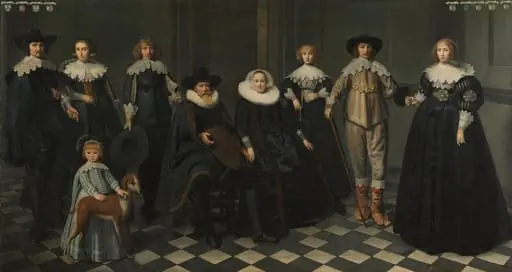 Portrait of the Family of Dirck Jacobsz Bas (1569-1637), Burgomaster of Amsterdam, and Margriet Snoeck (1588-1645)
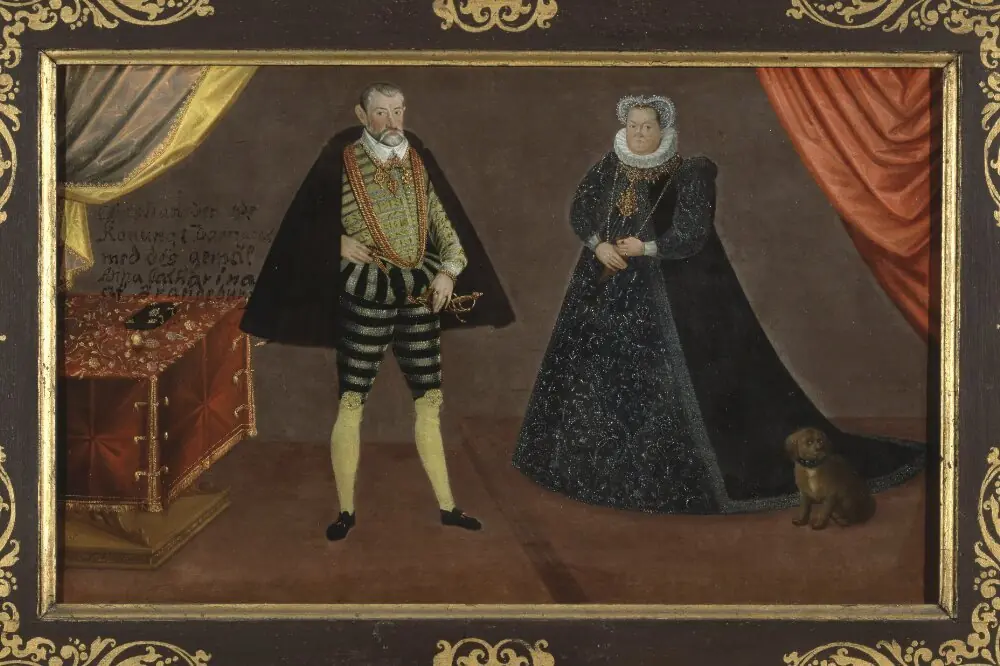 Okänt furstepar
 The family of Dirck Bas Jacobsz, burgomaster of Amsterdam