Artwork
Nicolas Abraham de la Framboisiere
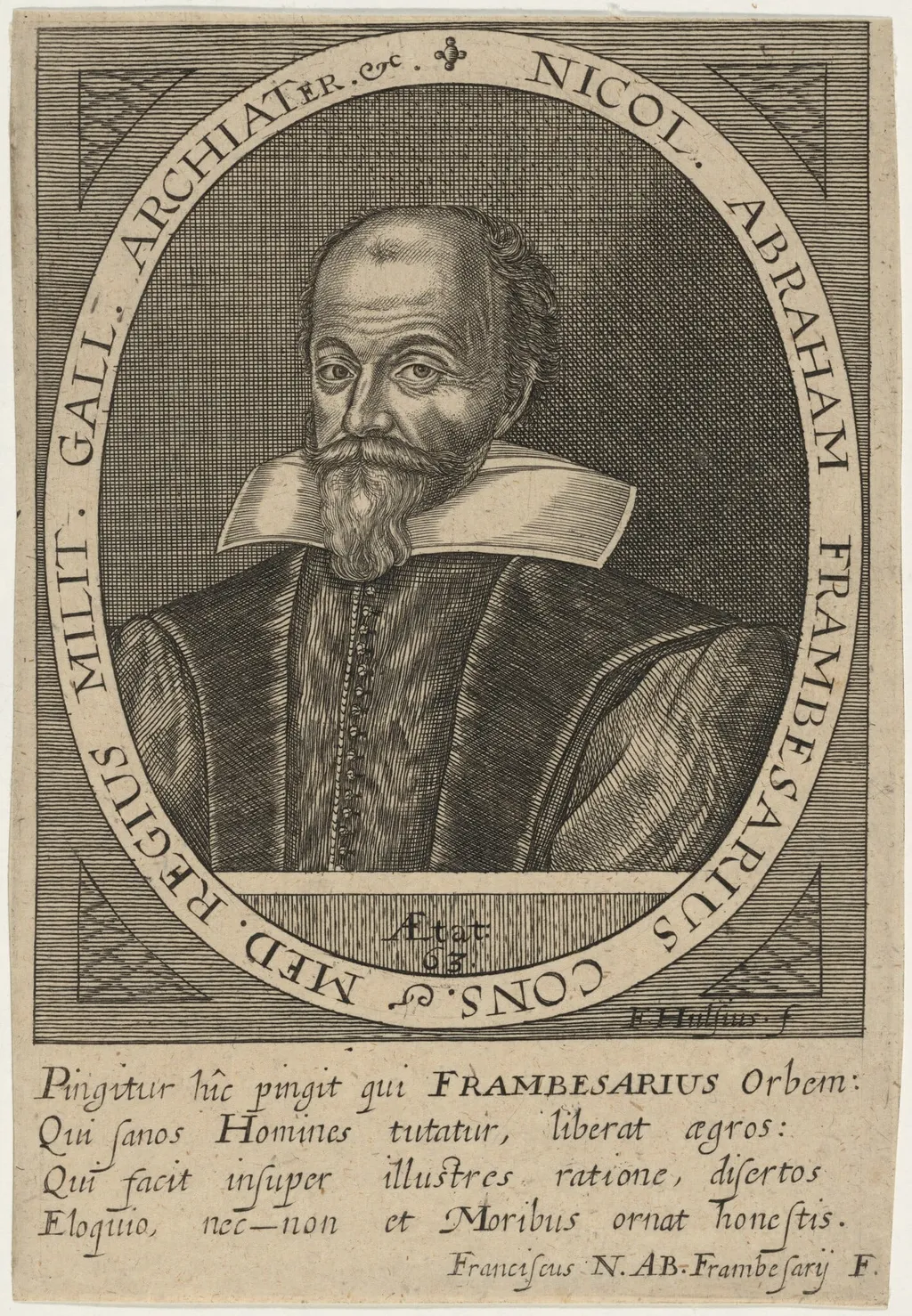
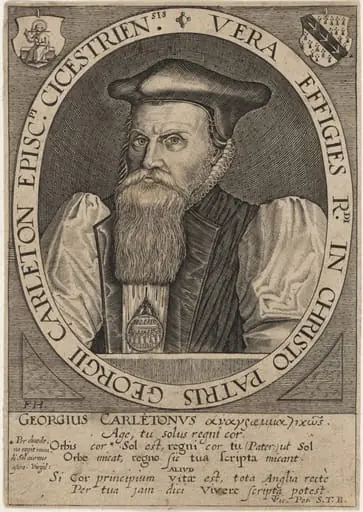
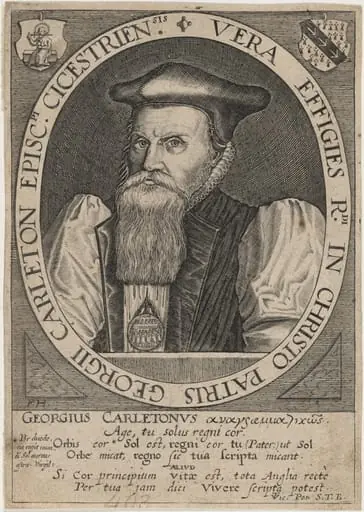
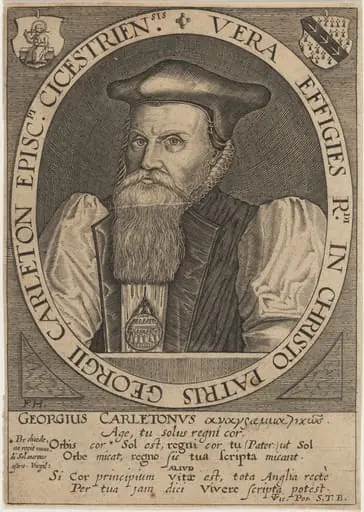
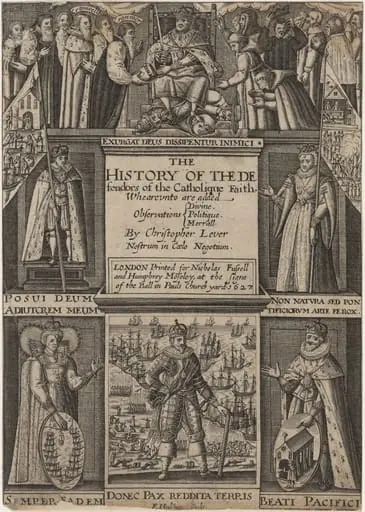
Nicolas Abraham de la Framboisiere is an ink print by the Renaissance artist Frederik van Hulsen. It dates from 1620 and is held in the collection of the National Gallery of Art.
About this work
Overview
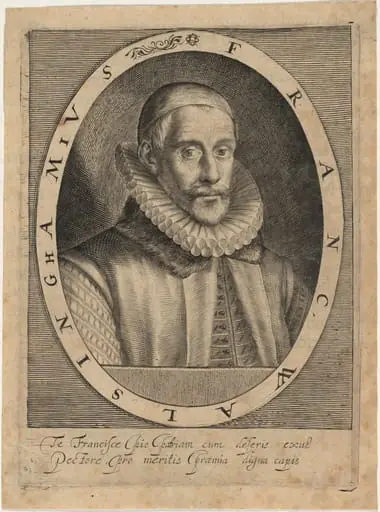
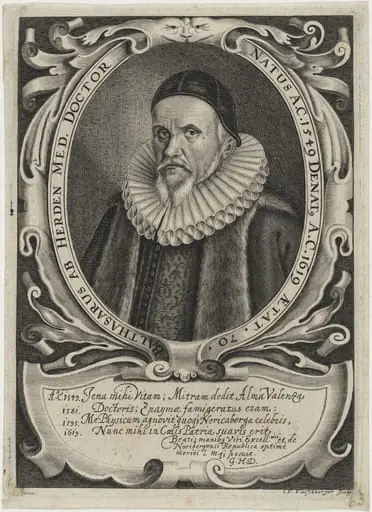
Frederik van Hulsen’s 1620 engraving presents a portrait of Nicolas Abraham de la Framboisière. Executed in the fine line work typical of early‑17th‑century printmaking, the image captures the sitter’s solemn expression and period attire. The composition is confined to the figure’s head and shoulders, allowing the viewer to focus on the intricate rendering of facial features and clothing details.
Subject & Meaning
The portrait depicts Nicolas Abraham de la Framboisière, a contemporary figure whose identity is recorded only by name. His serious demeanor and modest dress suggest a dignified, perhaps scholarly or bureaucratic role, reflecting the conventions of portraiture that emphasized personal virtue and social standing through restrained expression and attire.
Technique & Style
Van Hulsen employed copperplate engraving, using a network of delicate incised lines to model light, texture, and depth. The fine hatching creates subtle tonal variations across the skin and fabric, while cross‑hatching builds richer shadows. This meticulous approach demonstrates the artist’s command of line work, a hallmark of Dutch and Flemish printmakers of the period.
History & Provenance
Created in 1620, the print was likely produced for a limited audience, possibly as a personal commission or for inclusion in a collection of portrait prints. Copies of the engraving have survived in several European libraries and museum print rooms, indicating its circulation among collectors of early modern portraiture.
Context
The work belongs to a broader tradition of engraved portraiture that flourished in the Dutch Republic and surrounding regions during the early 1600s. Engravers such as van Hulsen often reproduced the likenesses of notable individuals, providing a durable, reproducible medium for disseminating images before the rise of oil portrait painting as the dominant form.
Artist & collection