Artwork
Don Carlos, Prince of Asturias
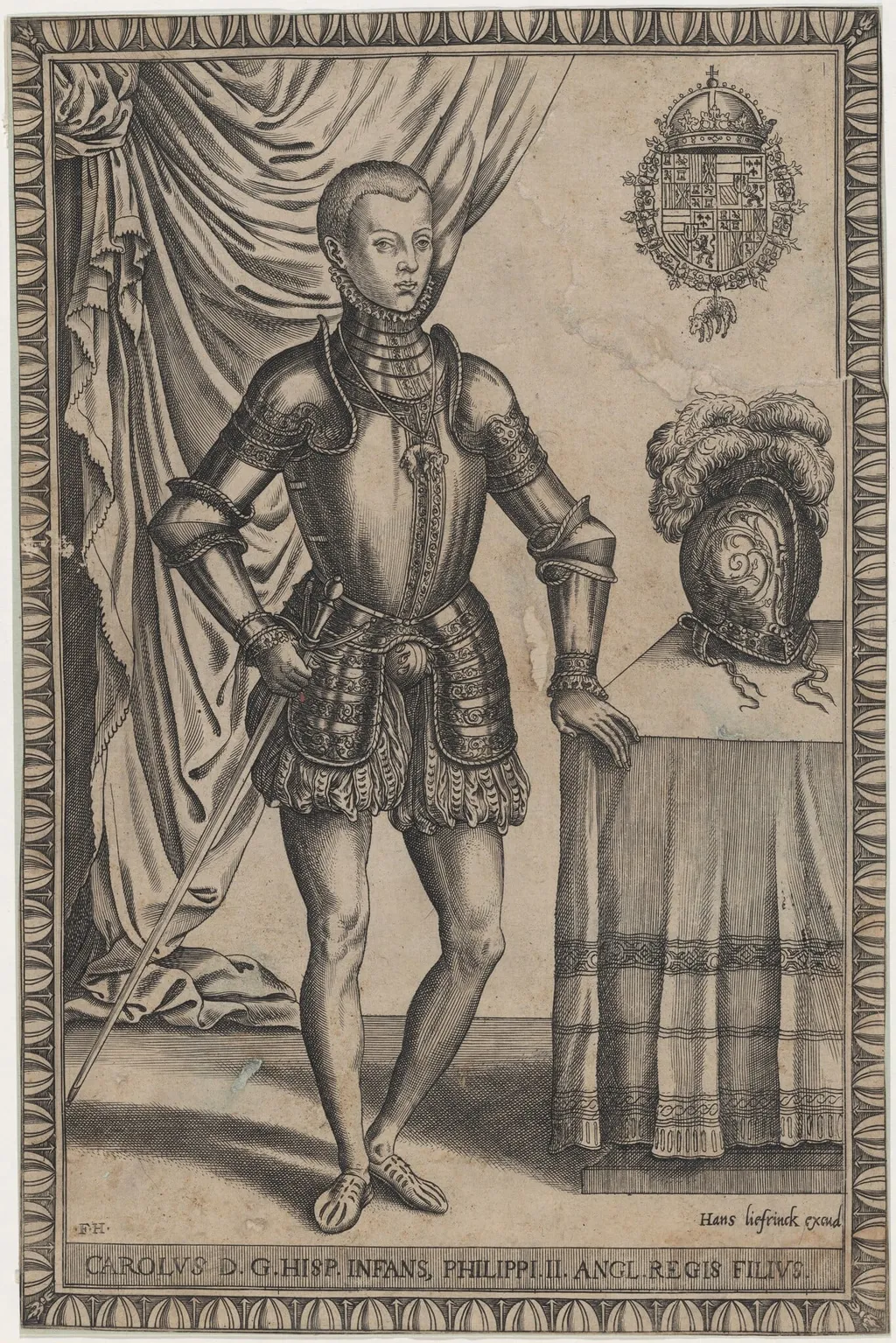
Don Carlos, Prince of Asturias is an ink print by the Renaissance artist Frans Huys. It dates from 1556 and is held in the collection of the National Gallery of Art.
About this work
This etching, created by Frans Huys in the mid-16th century, showcases the artist's skill in capturing the essence of the Renaissance style.
The image depicts a young man dressed in ornate Renaissance attire, standing in front of a draped curtain. He wears a short, fringed skirt and a long-sleeved shirt with a high collar, adorned with intricate details and patterns. His right hand rests on a table beside him, while his left hand grasps a sword at his side.
To the right of the young man, a helmet sits atop the table, its design and craftsmanship evident in the etching. The overall scene exudes a sense of elegance and refinement, characteristic of Renaissance art.
This etching, created by Frans Huys in the mid-16th century, showcases the artist's skill in capturing the essence of the Renaissance style. For more works in this vein, explore the Renaissance movement.
Overview
This 1556 print by Frans Huys depicts Don Carlos, Prince of Asturias, in a formal portrait rendered through etching and engraving on laid paper. The composition presents the young nobleman in a static, dignified pose, framed by a draped curtain that suggests a private chamber or ceremonial space. The work belongs to a tradition of engraved portraiture used to circulate the likenesses of European royalty among elite audiences.
Subject & Meaning
Don Carlos, heir to the Spanish throne, is portrayed as a young man of noble bearing, dressed in elaborate Renaissance garments that signal his status. The sword at his side and the helmet on the table imply his role as a future military leader, while the refined attire and composed stance emphasize his royal identity. The image functions less as a psychological portrait and more as a symbol of dynastic continuity and princely authority.
Technique & Style
Huys employs fine linear engraving to render the textures of fabric, metal, and skin with precision. The intricate patterns on the prince’s clothing and the detailed surface of the helmet demonstrate mastery of the burin. The use of hatching and cross-hatching creates subtle tonal variation, enhancing the three-dimensionality of the figure. The composition is tightly controlled, reflecting the Northern Renaissance emphasis on detail and clarity.
History & Provenance
Created in 1556, the print likely served as a reproductive image for aristocratic collectors, disseminating the prince’s image beyond the Spanish court. Frans Huys, active in the Low Countries, was known for translating portraits into engraved form. The work’s survival in multiple institutional collections suggests it was widely circulated, though its original commission and early ownership remain undocumented.
Context
In mid-16th-century Europe, engraved portraits of royalty were tools of political representation, often produced to reinforce lineage and legitimacy. Don Carlos, son of Philip II, was a figure of intense public interest due to his position as heir. Huys’s print aligns with a broader trend in Netherlandish printmaking that adapted Italianate portraiture for Northern audiences, blending realism with ceremonial formality.
Legacy
Though Huys is not among the most celebrated printmakers of his era, this work remains a representative example of how royal imagery was mechanically reproduced for elite consumption. The print contributes to the visual record of Habsburg dynastic identity and illustrates the role of print culture in shaping perceptions of nobility during the Renaissance.
Artist & collection


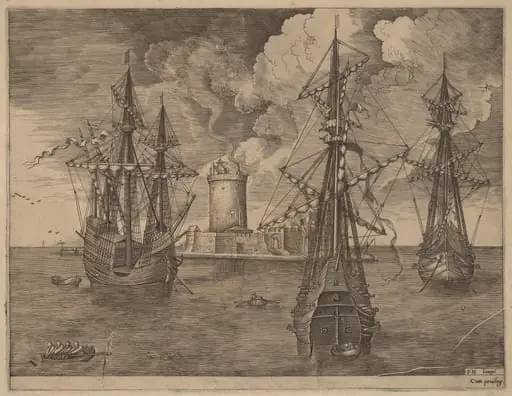 Four-Master (Left) and Two Three-Masters Ancored Near a Fortified Island with a Lighthouse
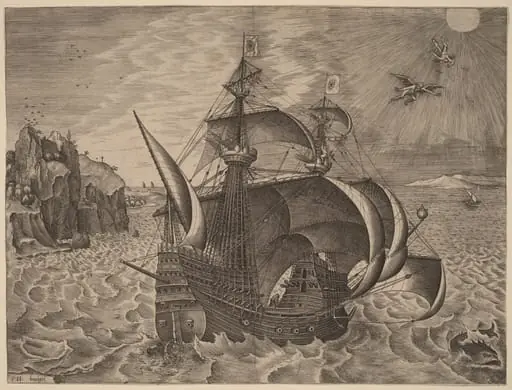 Armed Three-Master with Daedalus and Icarus in the Sky
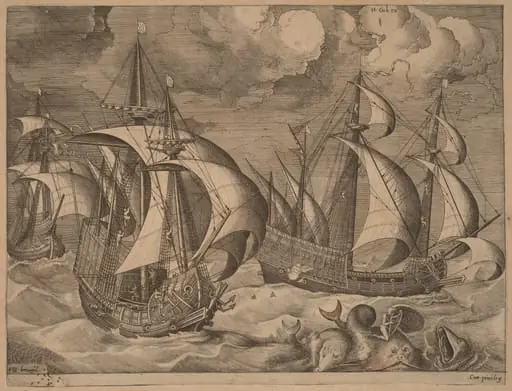 Three Caravels in a Rising Squall with Adrion on a Dolphin
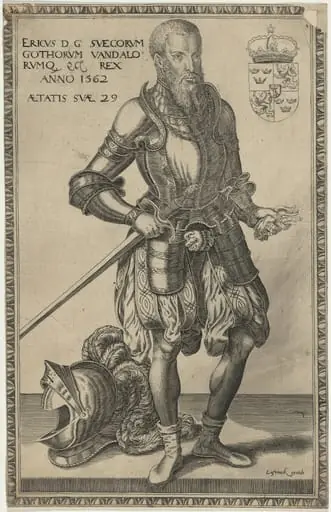 Eric XIV, King of Sweden
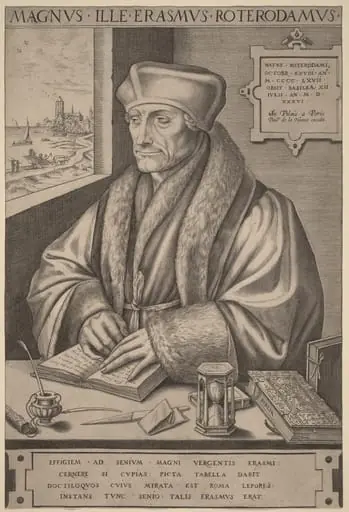 Erasmus of Rotterdam
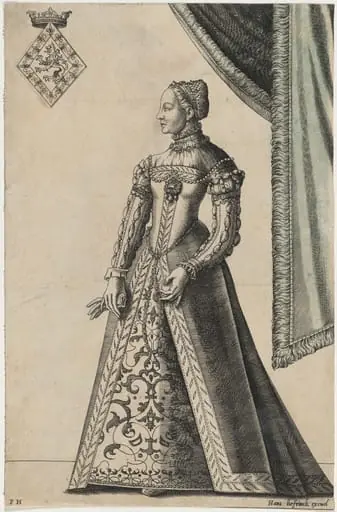 Mary, Queen of Scots
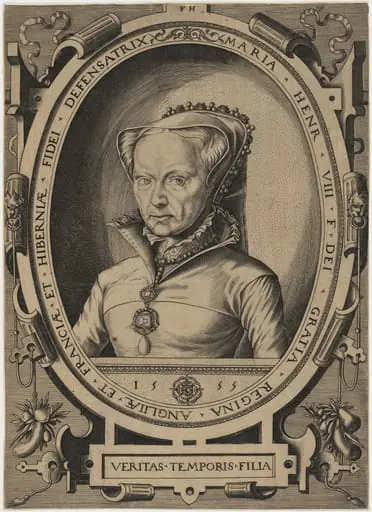 Queen Mary of England
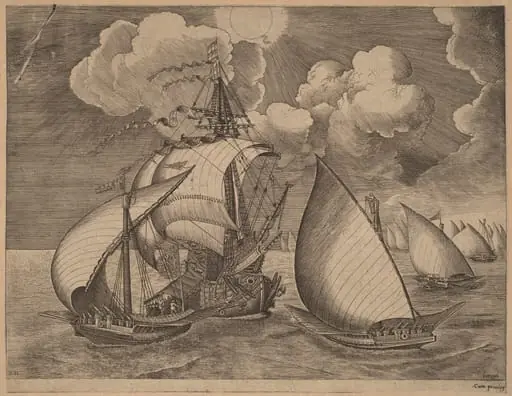 A Fleet of Galleys Escorted by a Caravel
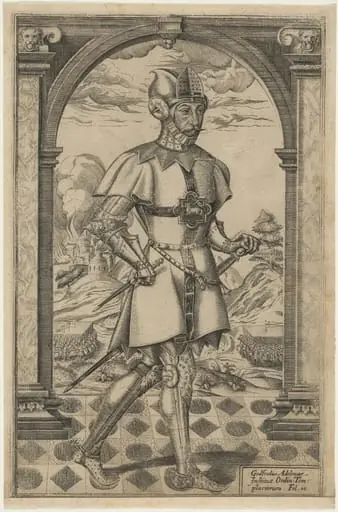 Godfrey Adelmar, Founder of the Knights Templar
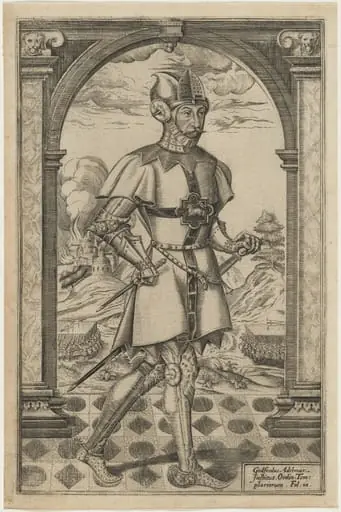 Godfredus Aldemarus Alexandrino (Godfrey Adelmar)
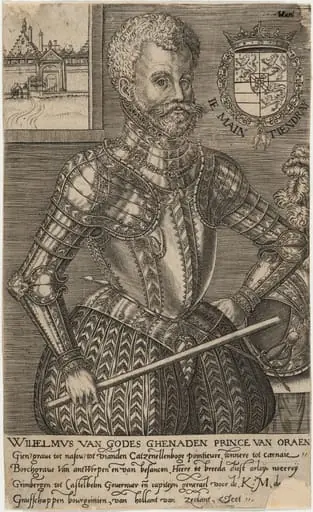 William I, Prince of Orange
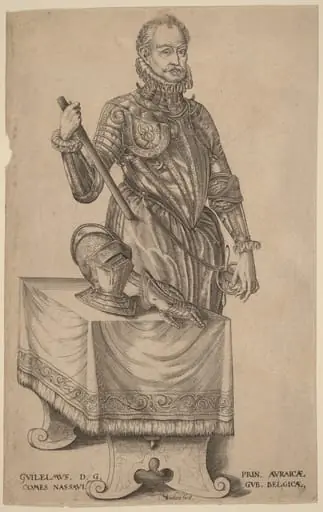 William of Nassau, Prince of Orange
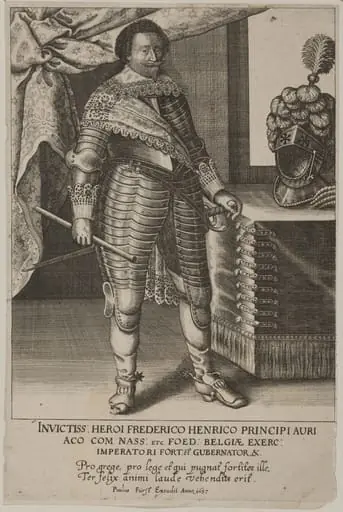 Frederick Henry of Nassau
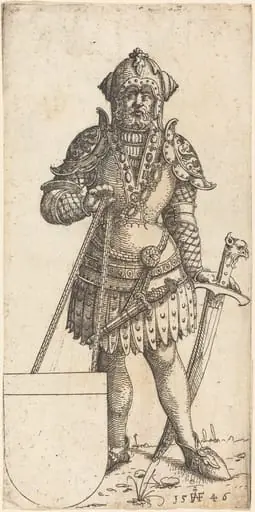 Ludwig II, King of Hungary
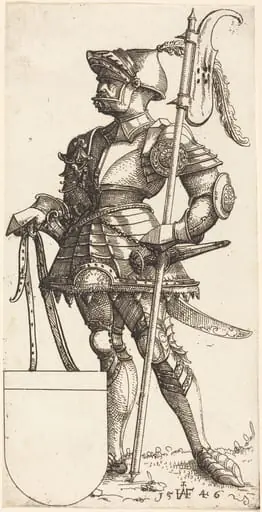 Christian II of Denmark
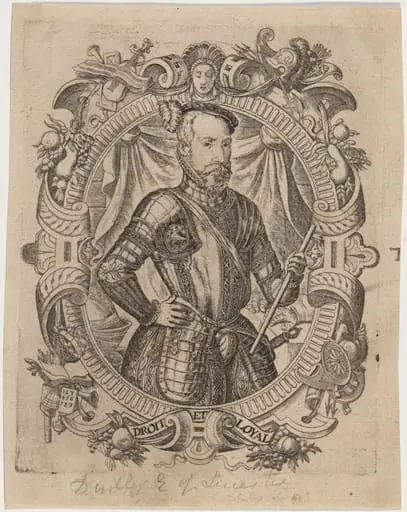 Robert Dudley, Earl of Leicester
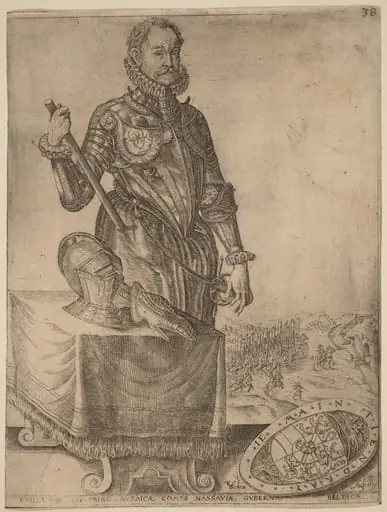 William of Nassau, Prince of Orange
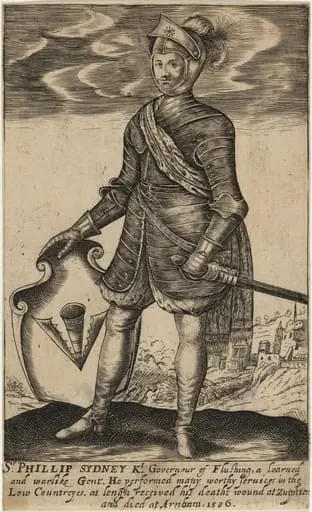 Sir Philip Sidney