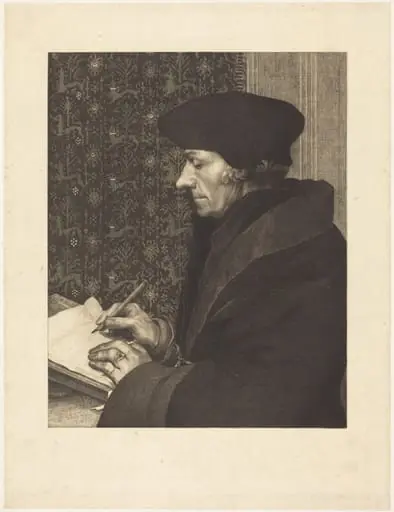
Artwork
Erasmus of Rotterdam
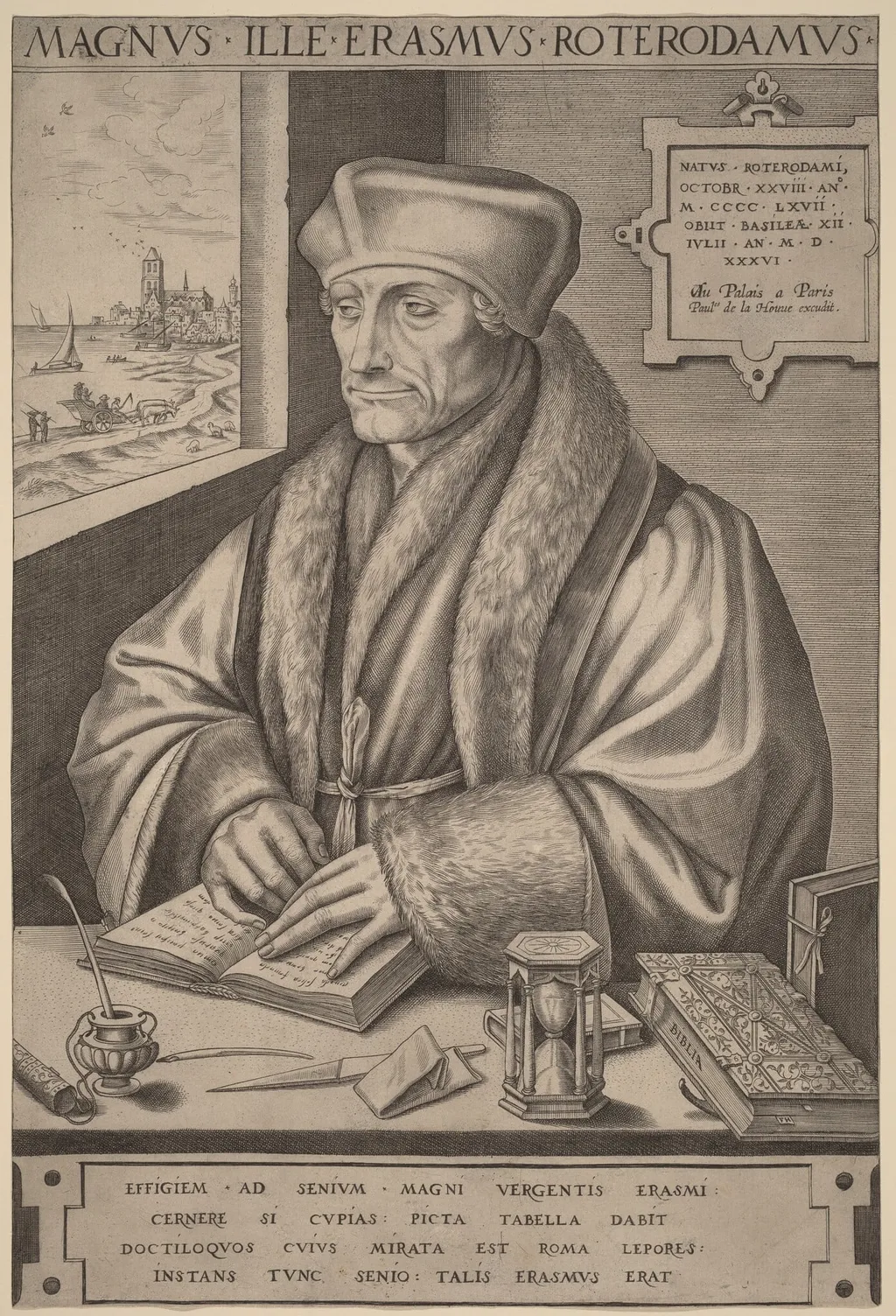
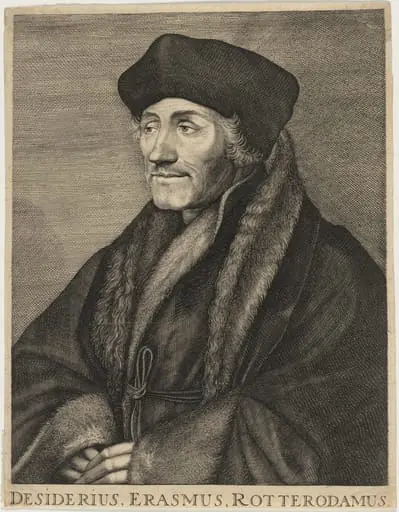
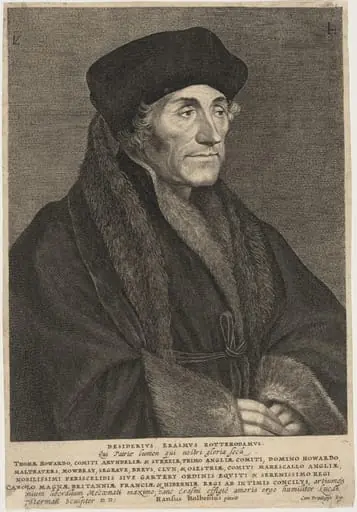
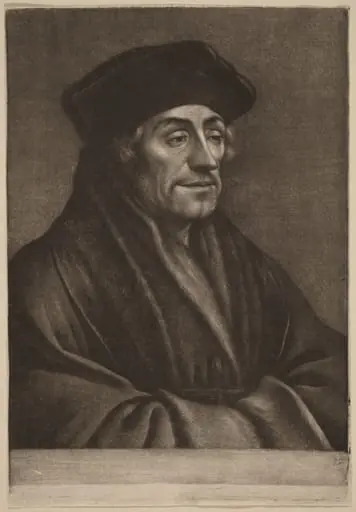
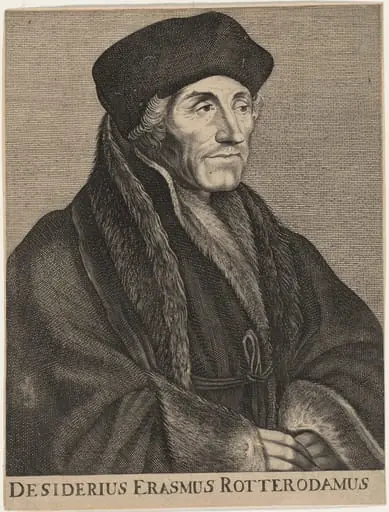
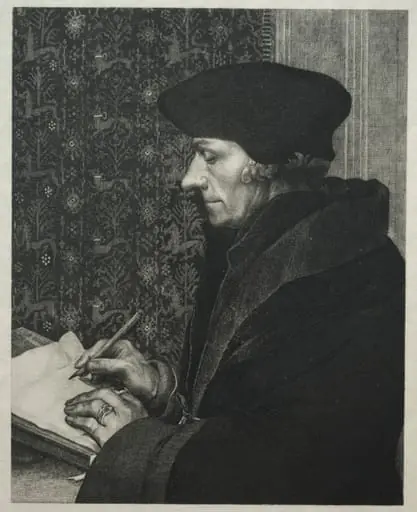
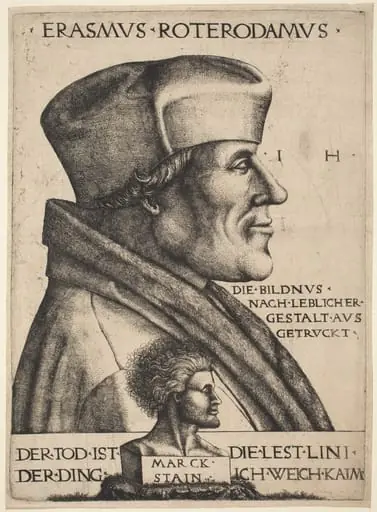
Erasmus of Rotterdam is an ink print by the Renaissance artist Frans Huys. It dates from 1555 and is held in the collection of the National Gallery of Art.
About this work
Overview
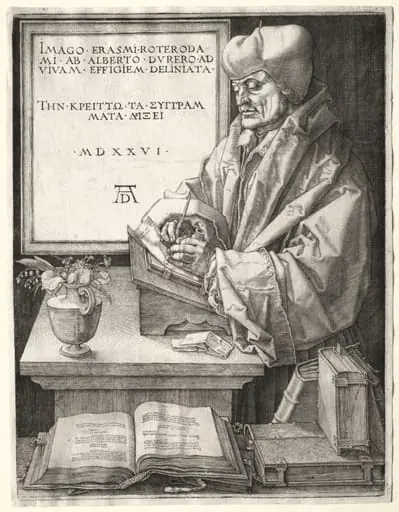
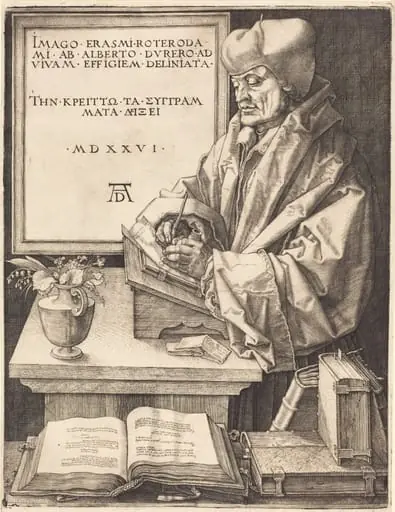
Created in 1555 by Frans Huys, this engraving depicts the Dutch humanist Erasmus of Rotterdam in a quiet moment of study. Rendered on laid paper, the work captures him seated at a desk, absorbed in reading. The composition emphasizes intellectual labor over ceremonial grandeur, with modest surroundings and precise linework characteristic of Northern Renaissance printmaking.
Subject & Meaning
His fur-lined robe suggests status without ostentation, while the book, quill, and hourglass signify study, writing, and the passage of time.
Erasmus is portrayed not as a noble or cleric, but as a scholar engaged in solitary thought. His fur-lined robe suggests status without ostentation, while the book, quill, and hourglass signify study, writing, and the passage of time. The Latin inscription identifies him formally, reinforcing his reputation as a leading intellectual. The background scene of a harbor subtly connects his ideas to the wider world of trade and communication.
Technique & Style
Huys employed fine, controlled engraving lines to render texture and depth on metal, then transferred the image to paper. Details like the folds of fabric, the grain of the desk, and the tiny ships in the distance demonstrate meticulous craftsmanship. The use of chiaroscuro and layered hatching creates a sense of volume and atmosphere, typical of Northern European printmakers who valued precision over boldness.
History & Provenance
The print was made shortly after Erasmus’s death in 1536, during a period when his writings continued to influence European thought. Huys, a Flemish artist, likely based the image on earlier portraits, as no known life drawing by Erasmus survives. This engraving circulated widely among scholars and printers, contributing to the visual legacy of Erasmus as a symbol of humanist learning.
Context
In mid-16th century Europe, printed portraits of intellectuals served as both tribute and propaganda. Erasmus’s image, disseminated through engravings, helped solidify his role as a moral and scholarly authority amid religious upheaval. The inclusion of everyday objects—letters, inkwell, hourglass—reflected a growing cultural interest in the private lives of thinkers, not just their public roles.
Legacy
This engraving became one of the most reproduced images of Erasmus, shaping how later generations visualized the humanist ideal. Its quiet realism and attention to detail influenced portrait prints well into the 17th century. Though not commissioned by Erasmus himself, it endures as a faithful representation of the scholar’s ethos: contemplative, grounded, and devoted to knowledge.
Artist & collection


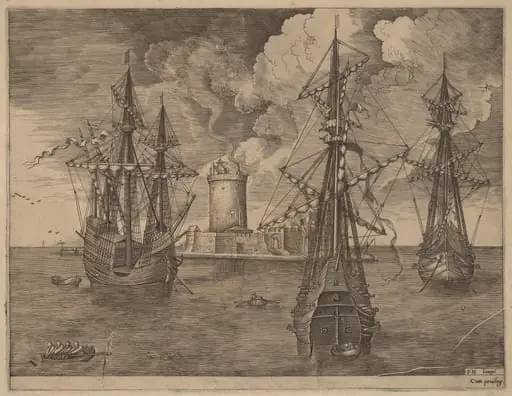 Four-Master (Left) and Two Three-Masters Ancored Near a Fortified Island with a Lighthouse
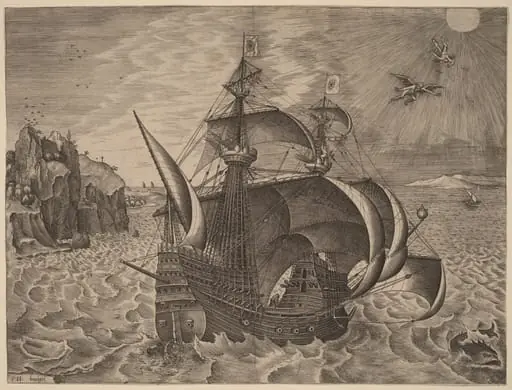 Armed Three-Master with Daedalus and Icarus in the Sky
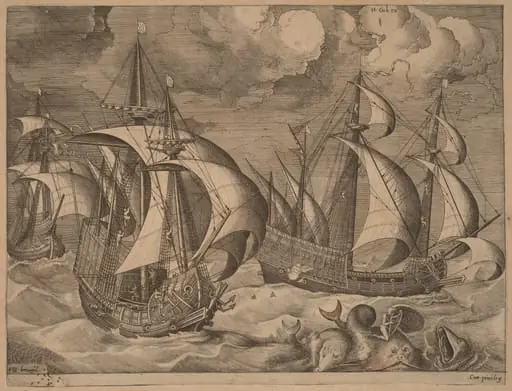 Three Caravels in a Rising Squall with Adrion on a Dolphin
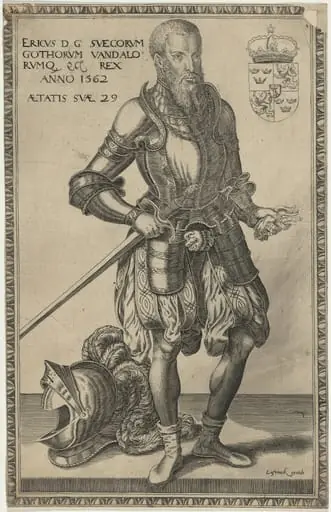 Eric XIV, King of Sweden
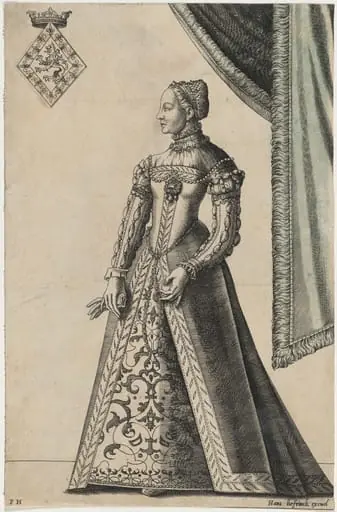 Mary, Queen of Scots
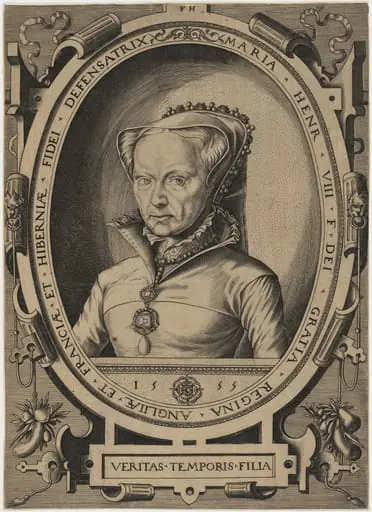 Queen Mary of England
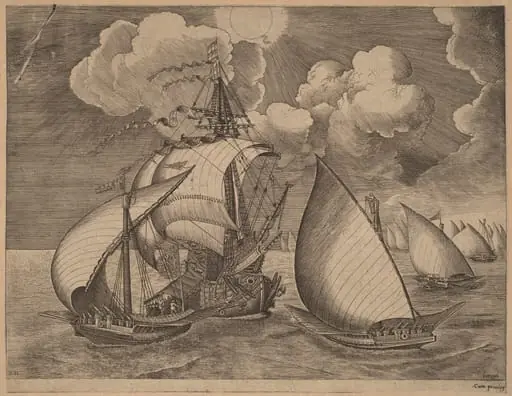 A Fleet of Galleys Escorted by a Caravel
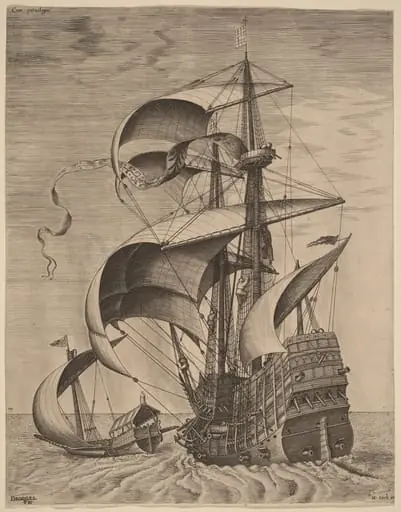 Armed Three-Master on the Open Sea, Accompanied by a Galley