Artwork
River Crossing
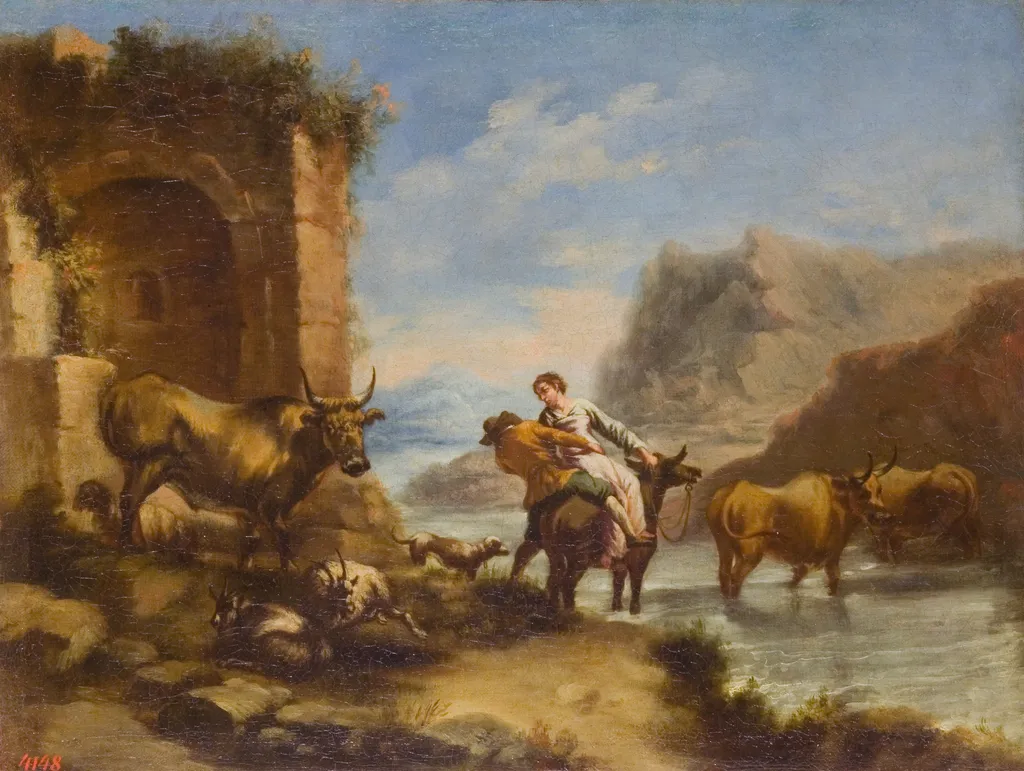
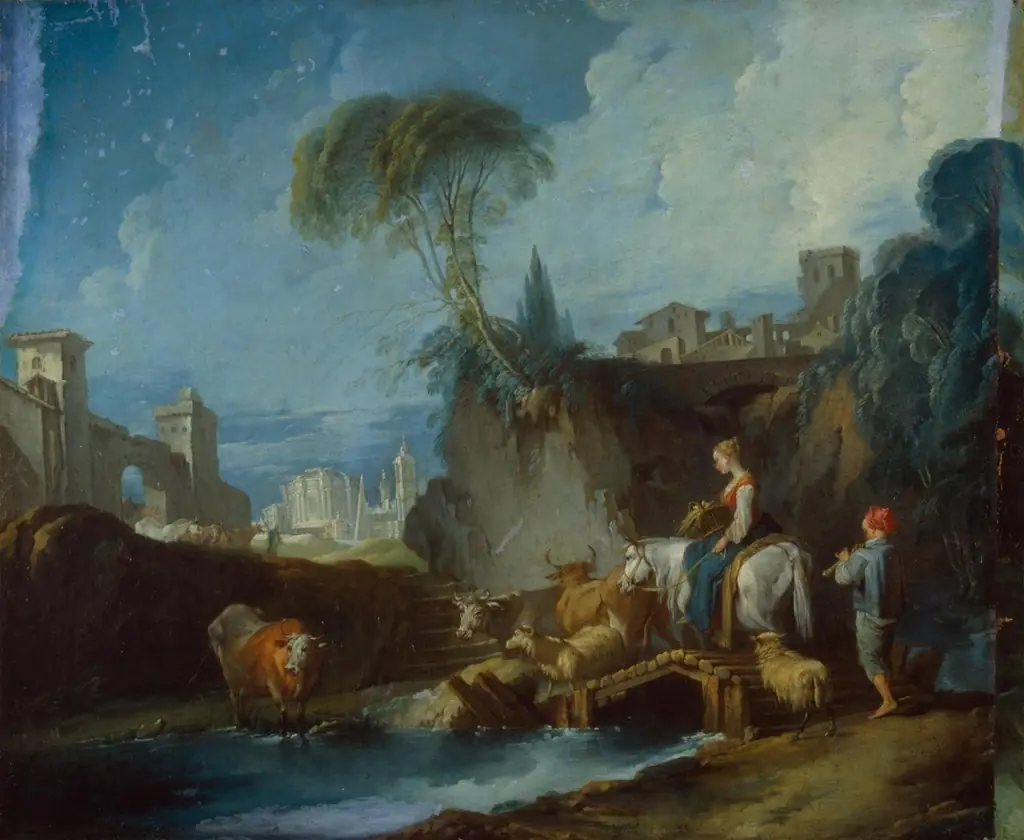
River Crossing is an oil painting by the Early Baroque Italian artist Ignacio de Iriarte. It dates from 1665 and is held in the collection of the Hermitage Museum.
About this work
Overview
The painting reflects the artist’s interest in everyday rural life, rendered with careful attention to natural detail and atmospheric light.
Painted in 1665 by Ignacio de Iriarte, River Crossing is an oil-on-canvas work depicting a rural scene in Spain. It is part of the collection at the State Hermitage Museum in Saint Petersburg. The composition centers on a lone figure navigating a shallow river atop a cow, surrounded by livestock and a quiet landscape. The painting reflects the artist’s interest in everyday rural life, rendered with careful attention to natural detail and atmospheric light.
Subject & Meaning
The painting portrays a peasant man crossing a river while carrying a heavy load of hay, his expression tense with effort. The presence of other grazing animals suggests a pastoral setting, common in 17th-century Spanish countryside scenes. The act of crossing water with livestock implies practical labor rather than symbolic narrative. The scene conveys the quiet endurance of rural existence, without idealization or dramatic flourish.
Technique & Style
Iriarte employs a restrained palette and soft, diffused lighting to evoke the warmth of midday sun. The textures of fur, fabric, and water are rendered with subtle brushwork, avoiding overt detail in favor of atmospheric cohesion. Shadows fall naturally across the figures and animals, grounding the scene in observed reality. The composition is balanced yet unstructured, mirroring the spontaneity of daily life rather than staged grandeur.
History & Provenance
The painting entered the Hermitage Museum’s collection in the 18th or early 19th century, likely through European acquisitions of Spanish art. Its attribution to Iriarte is consistent with his known body of work, though few of his paintings survive. The work’s preservation suggests it was valued for its quiet realism, even if it was never widely exhibited during the artist’s lifetime.
Context
In mid-17th-century Spain, genre scenes of rural labor were gaining attention among collectors, though often overshadowed by religious or royal commissions. Iriarte, active in Madrid, was among artists documenting the lives of common people with observational accuracy. This painting aligns with a broader trend of Spanish naturalism, influenced by Dutch realism and the declining dominance of courtly themes.
Legacy
River Crossing remains one of the few surviving examples of Iriarte’s genre work. While not widely known outside academic circles, it contributes to the understanding of Spanish painting beyond the grand narratives of Velázquez or Murillo. Its quiet dignity offers insight into the visual culture of rural Spain, preserved through careful observation rather than dramatic embellishment.
Own this work as a print
Artist & collection

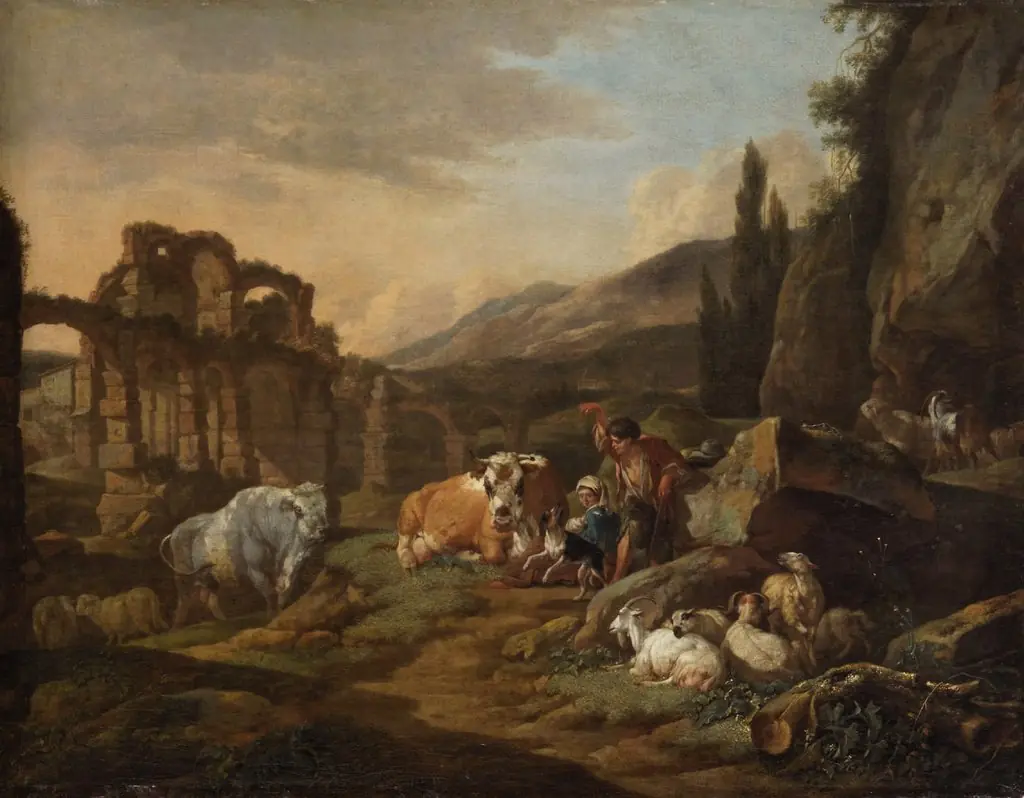 Landschaft mit Tieren
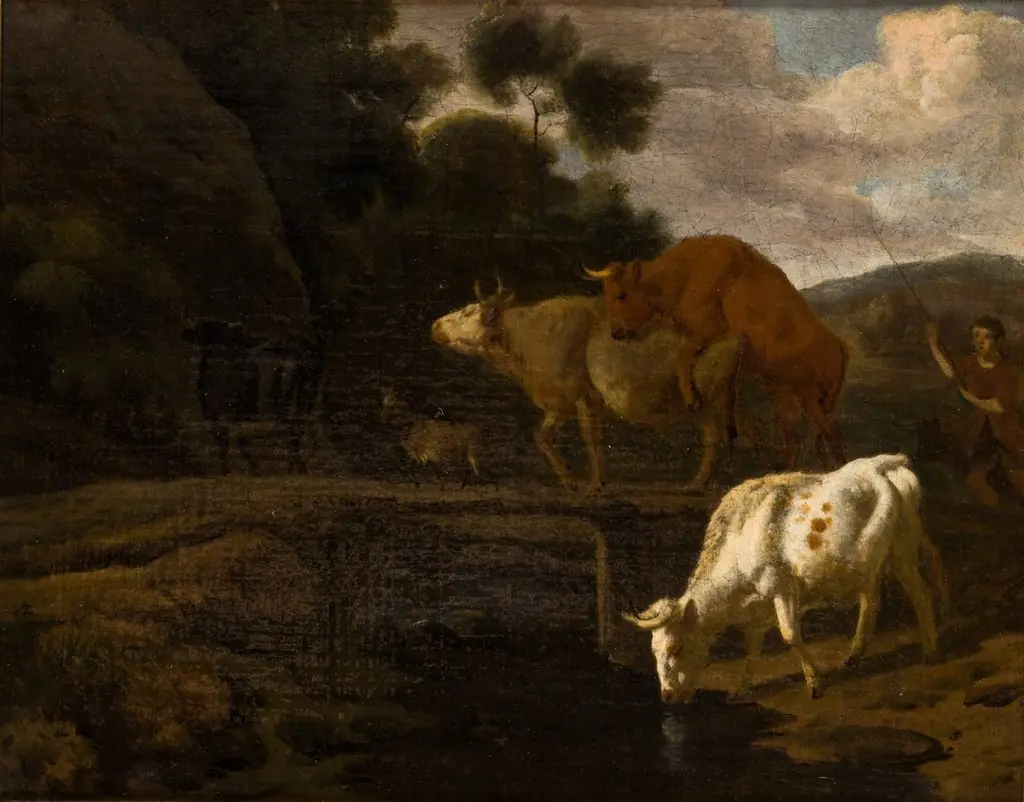 Cows on a Footbridge
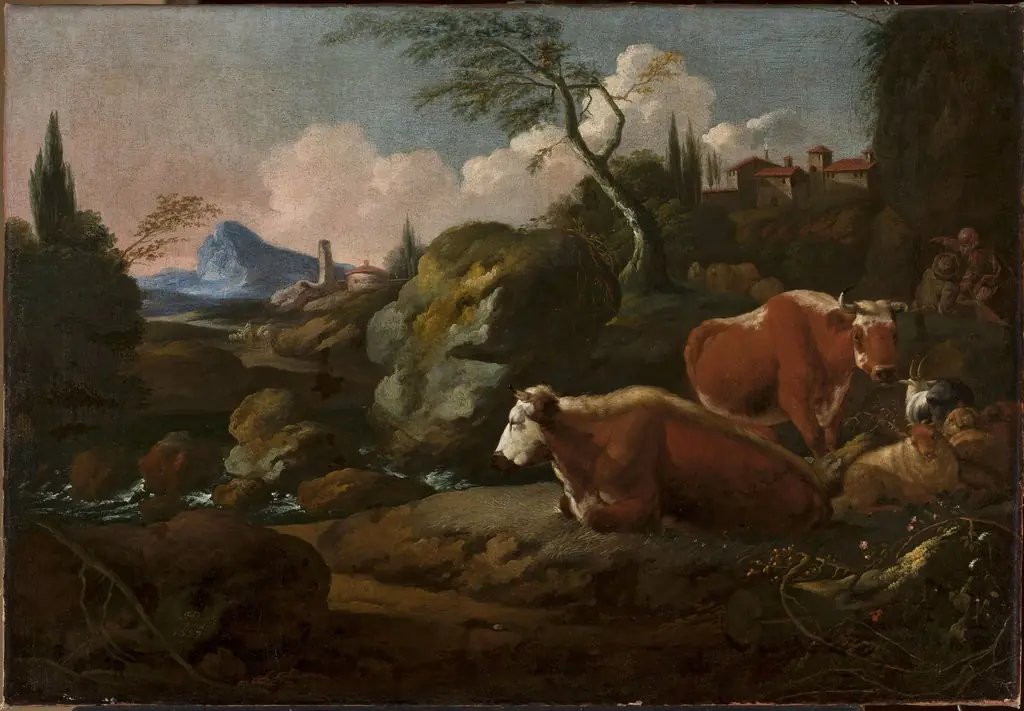 Italian landscape with cows
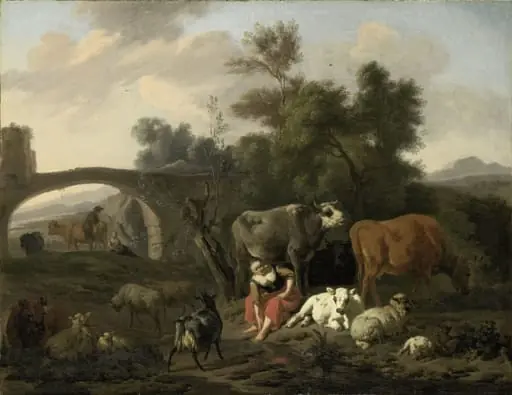 Landscape with Herdsmen and Cattle
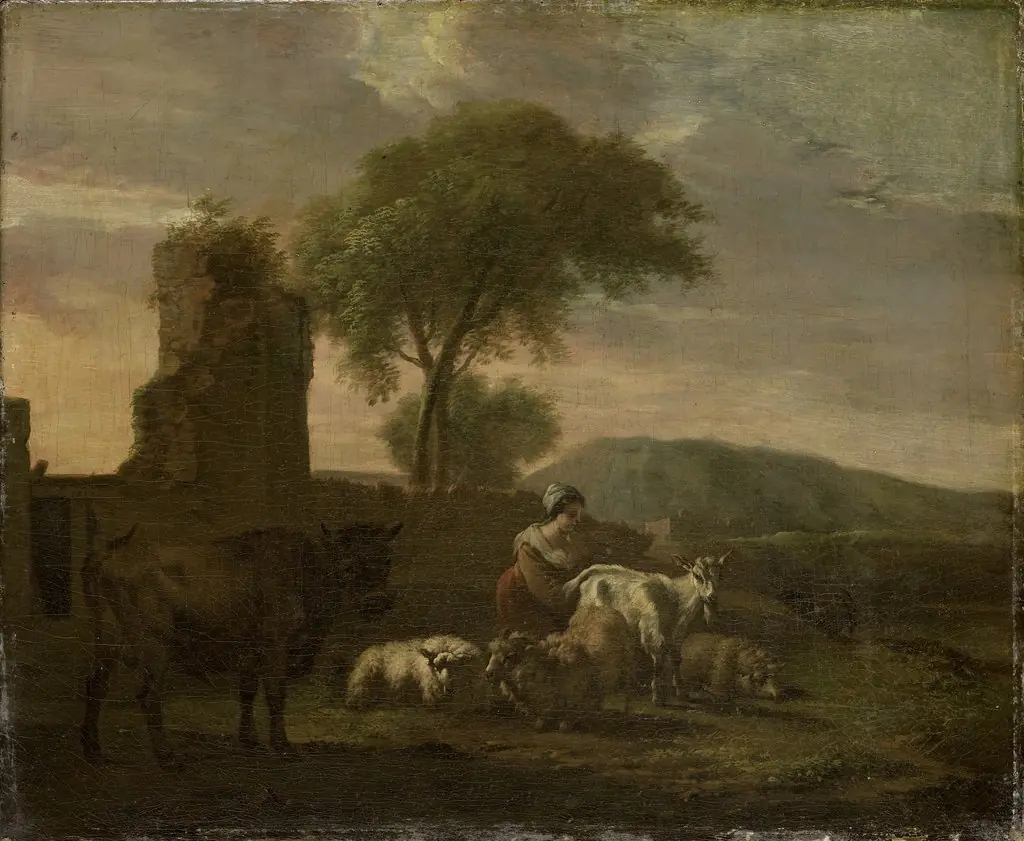 Italian landscape with sheperdess and flocks
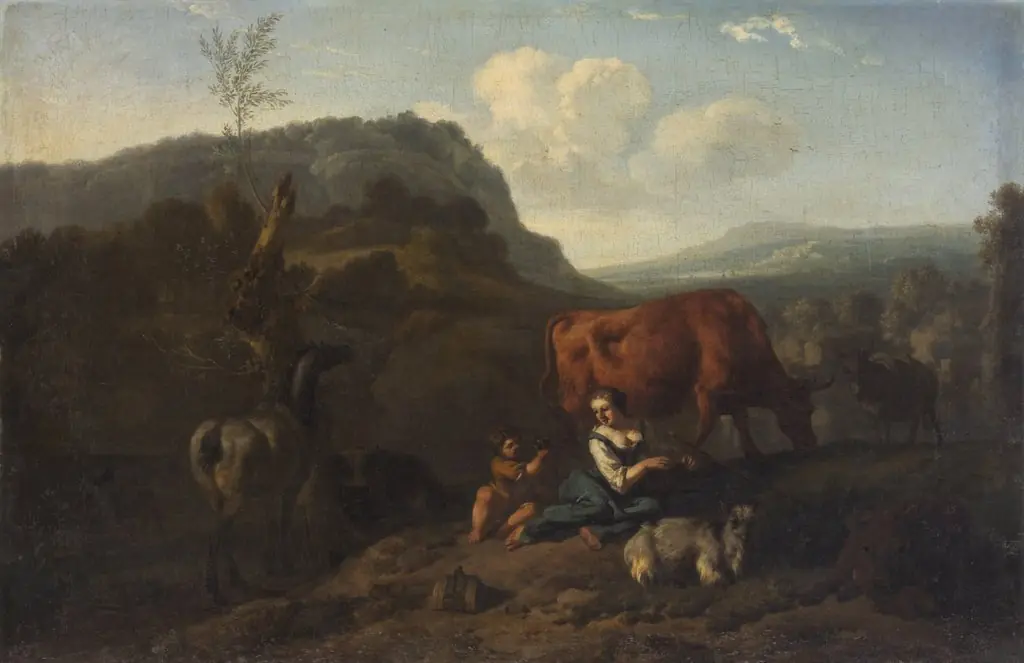 Mountainous landscape with a shepherdess and cows
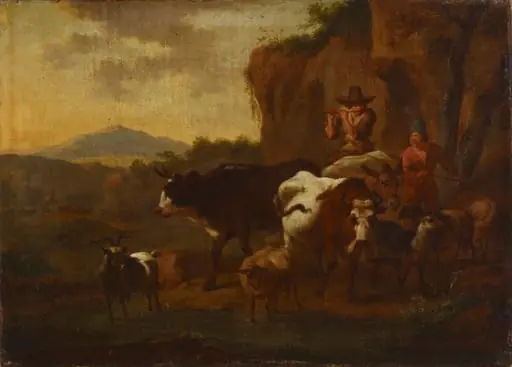 Huilua soittava paimen ja karjaa
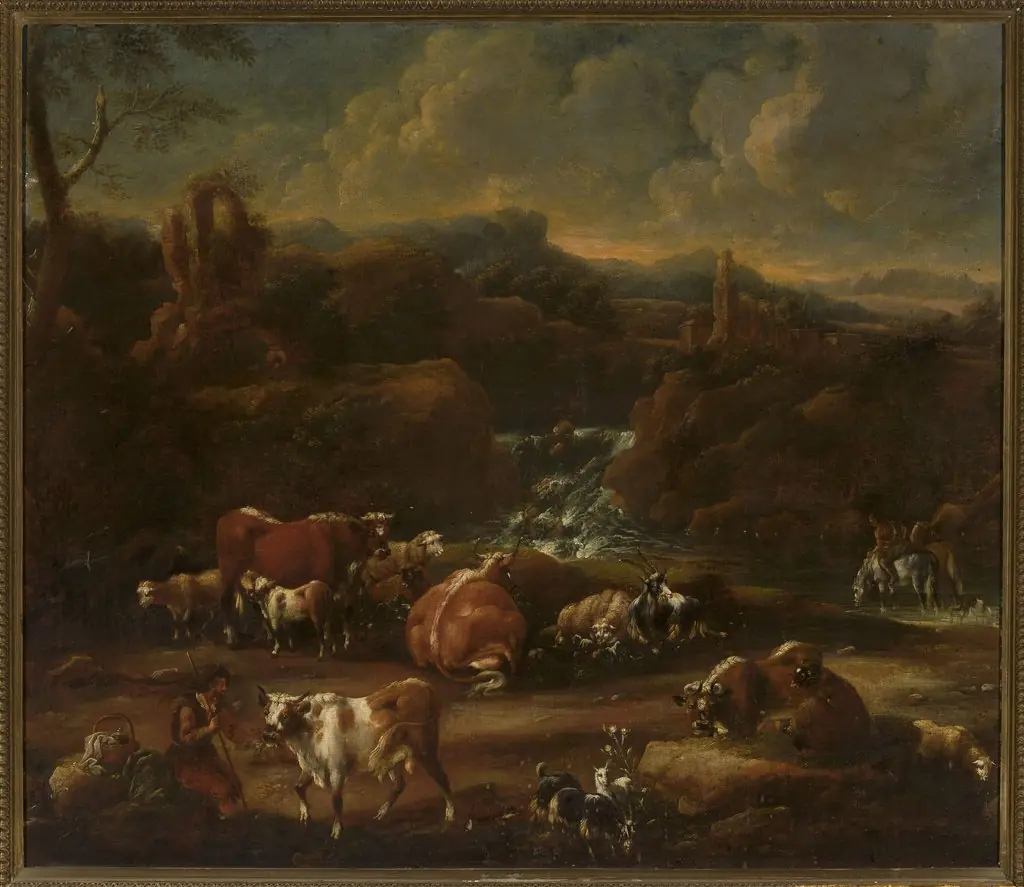 Herd in the mountains
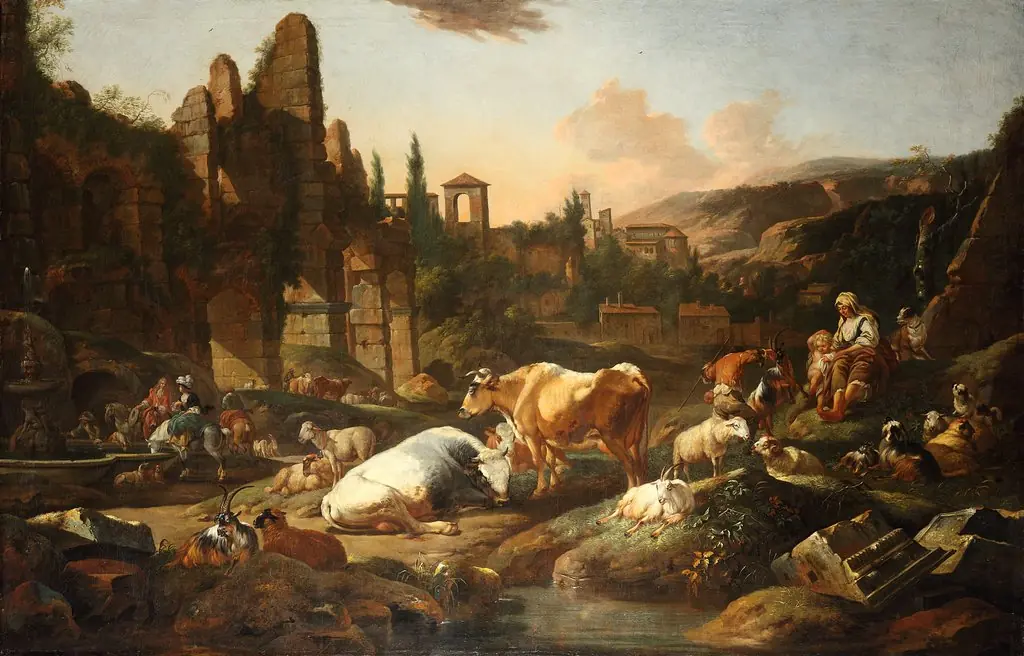 An Italian Landscape with Cattle
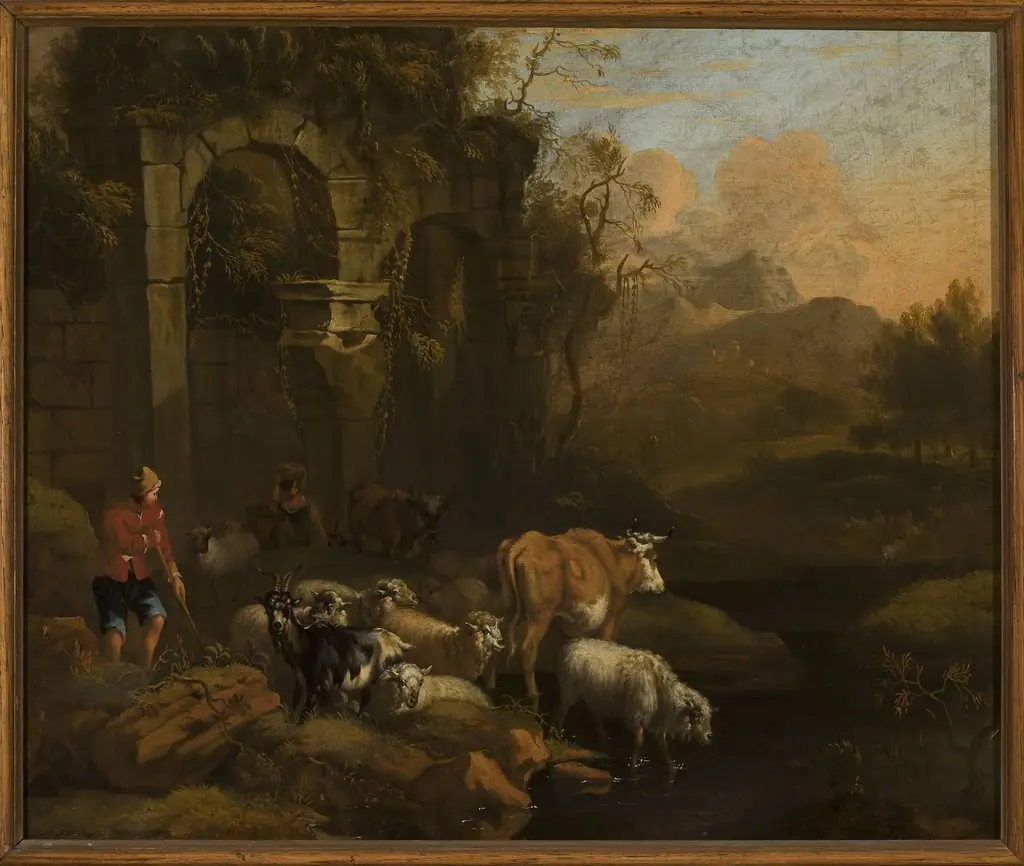 Cattle at the waterhole
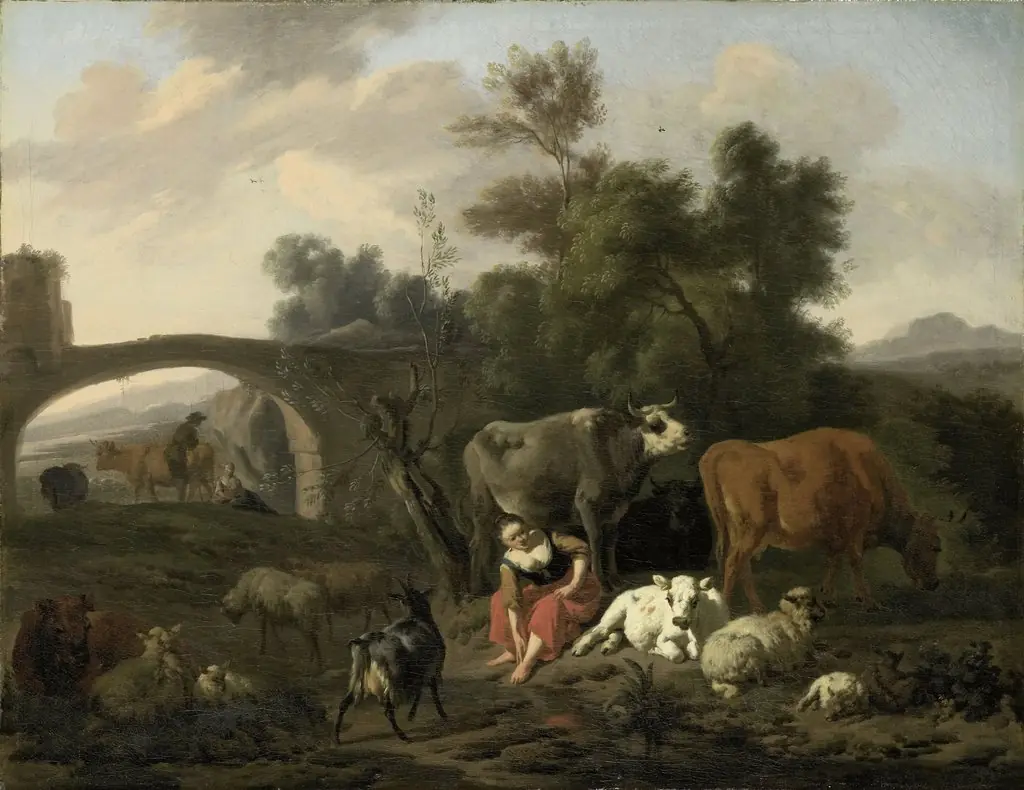 Landscape with herdsmen and cattle
 Crossing the Bridge