Artwork
Bakfark, lutenist of Queen Bona
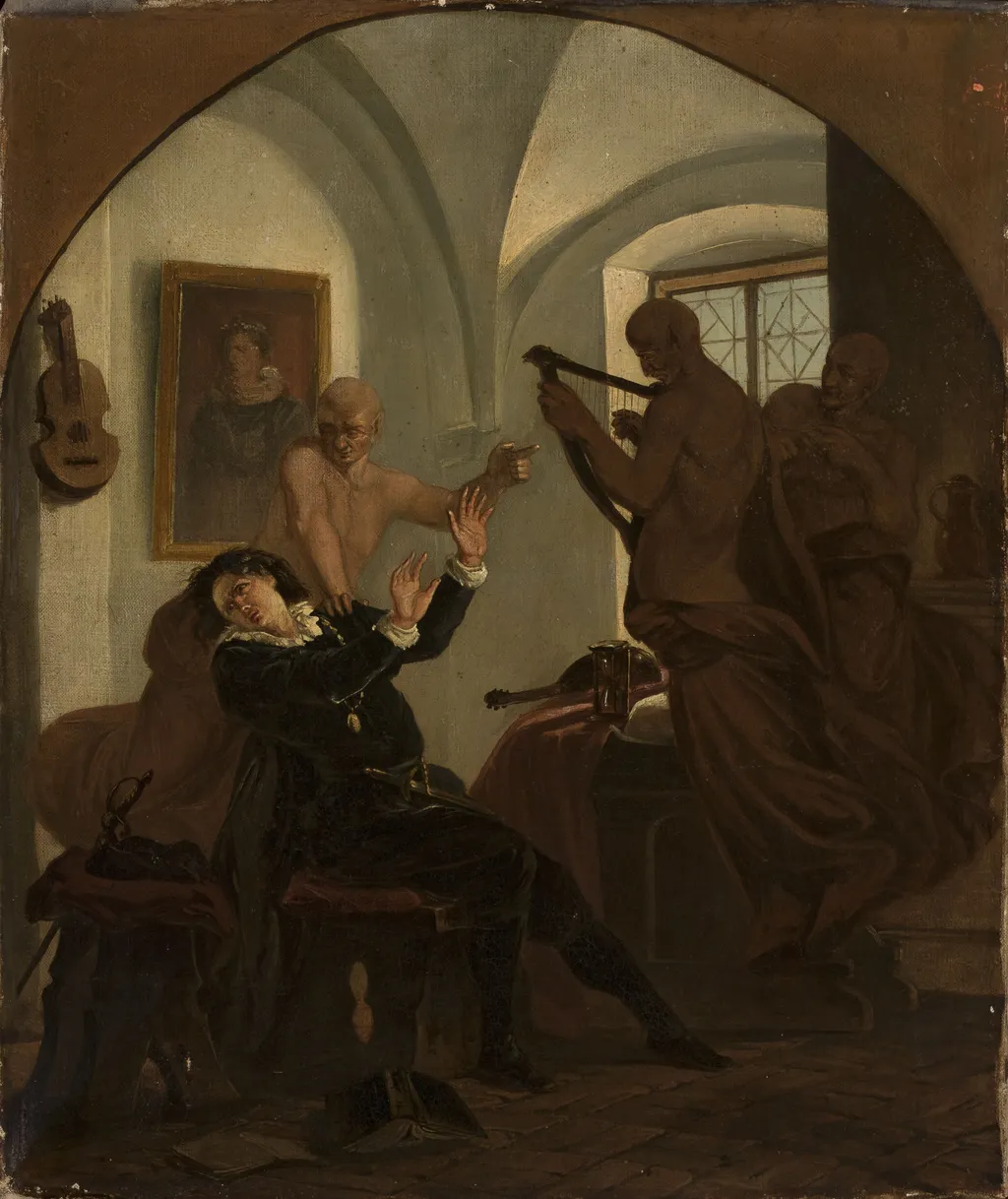
Bakfark, lutenist of Queen Bona is an oil painting by Ignacy Gierdziejewski. It dates from 1856 and is held in the collection of the National Museum in Warsaw.
About this work
Overview
Ignacy Gierdziejewski’s 1856 oil painting, titled *Bakfark, lutenist of Queen Bona*, portrays the 16th‑century Hungarian‑Polish musician Bálint Bakfark.
Ignacy Gierdziejewski’s 1856 oil painting, titled *Bakfark, lutenist of Queen Bona*, portrays the 16th‑century Hungarian‑Polish musician Bálint Bakfark. Executed in the mid‑nineteenth century, the work now belongs to the collection of the National Museum in Warsaw. The composition captures a dim interior where several figures are gathered around a lute, creating a scene that balances activity with a subtle undercurrent of tension.
Subject & Meaning
The central figure, a shirtless man, is shown playing a lute, evoking Bakfark’s reputation as a virtuoso court musician for Queen Bona Sforza. Adjacent figures—one observing intently, another holding a lute, and a slumped spectator—suggest a moment of rehearsal or private performance, hinting at the social hierarchy and the intimate atmosphere of a royal music chamber.
Technique & Style
Gierdziejewski employs a pronounced chiaroscuro, allowing a narrow beam of light from a high window to illuminate the musicians while the surrounding arches and stone floor recede into shadow. The oil medium renders the textures of flesh, fabric, and uneven stone tiles with meticulous detail, enhancing the dramatic contrast between illuminated faces and the darker background.
History & Provenance
Created in 1856, the painting entered the National Museum in Warsaw’s holdings during the early twentieth century, where it has been displayed as part of the museum’s European art collection. Its provenance reflects the Polish interest in national cultural figures, linking Bakfark’s Renaissance legacy to nineteenth‑century historicist art.
Context
Bakfark served at the court of Queen Bona Sforza, a patron of the arts who fostered musical exchange between Hungary and Poland. Gierdziejewski’s work, produced during a period of Romantic historicism, reflects contemporary fascination with Renaissance personalities and the idealized portrayal of courtly life.
Artist & collection

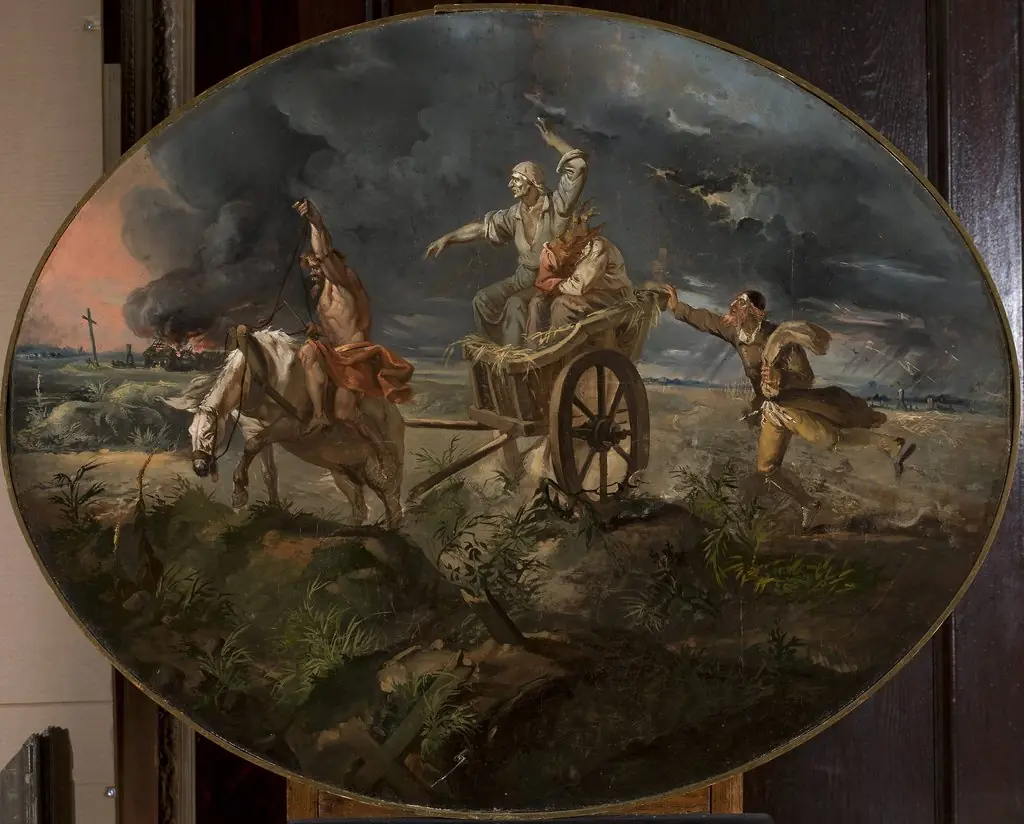
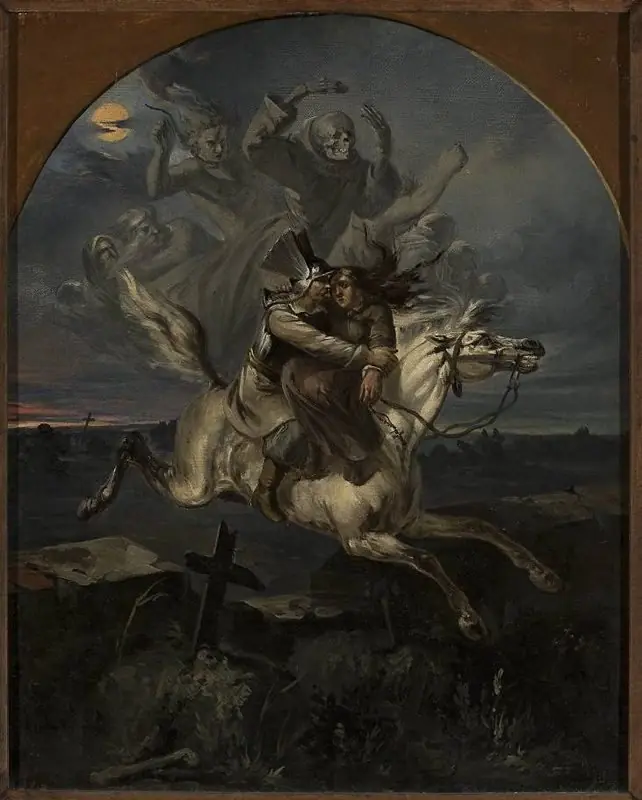
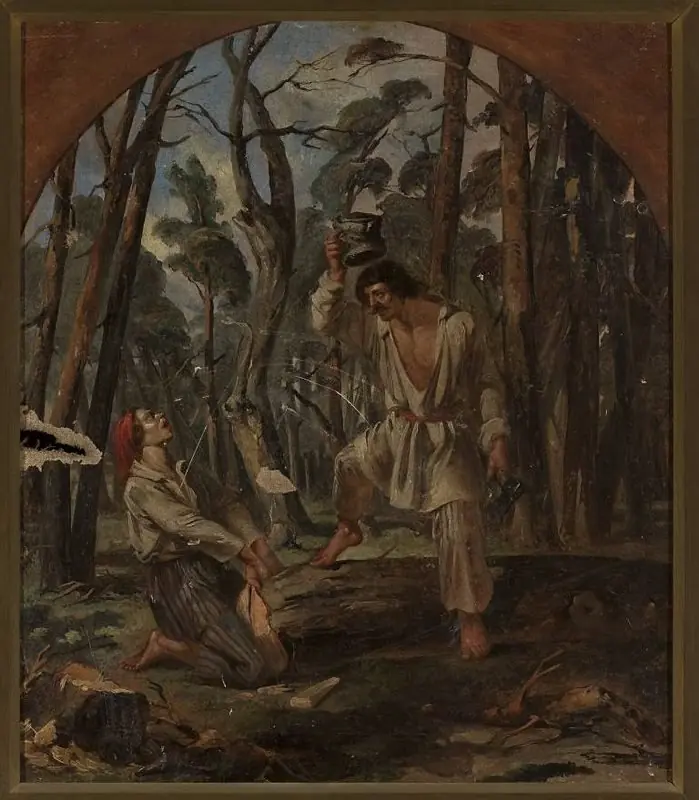
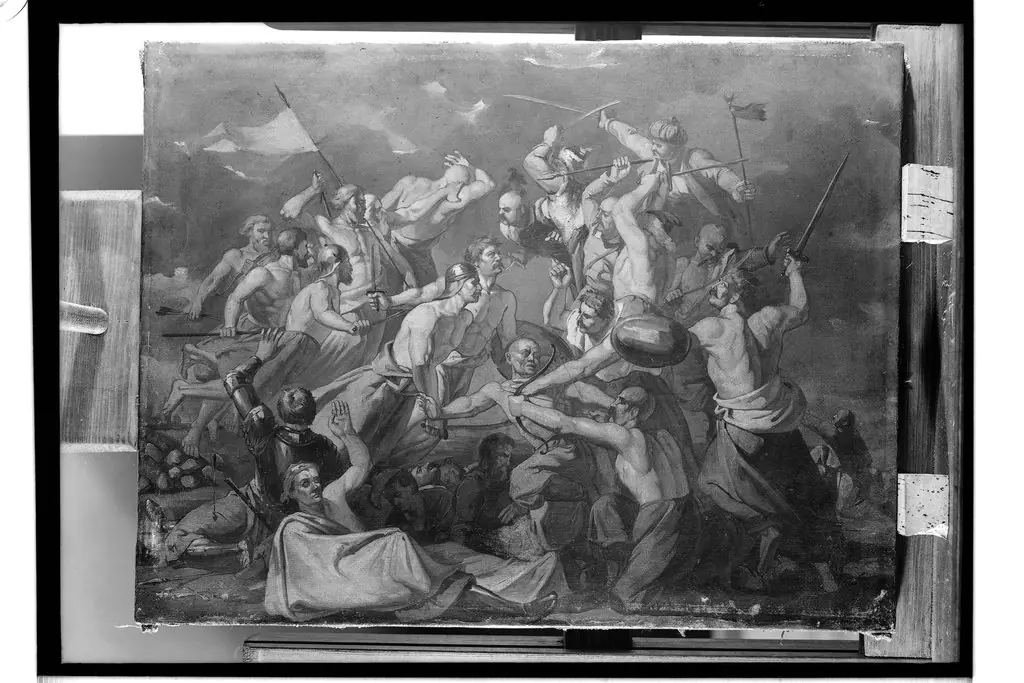
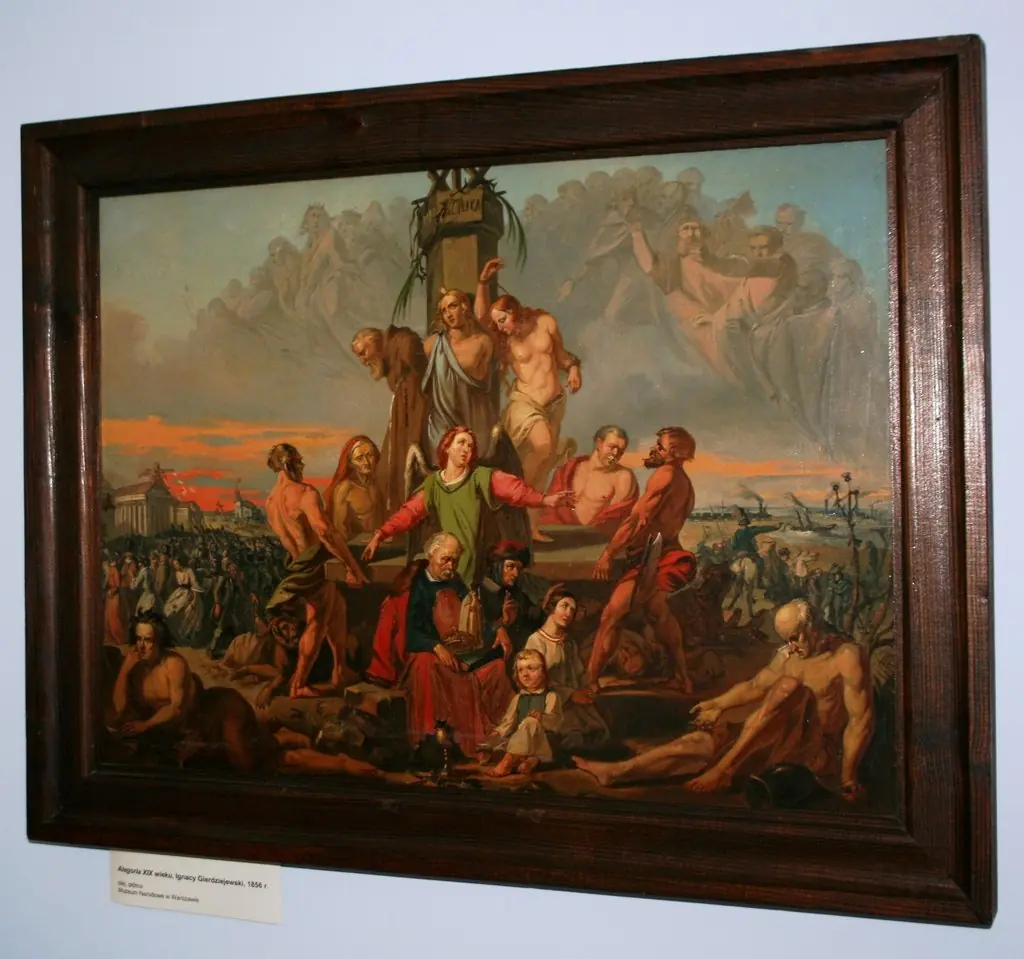
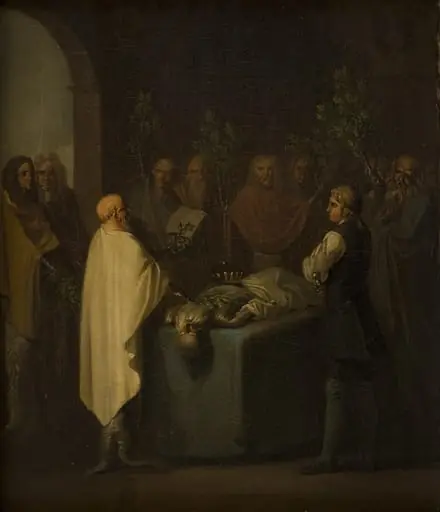 Niels Klim Attends the Sentencing of the Deceased Potuan Prince.
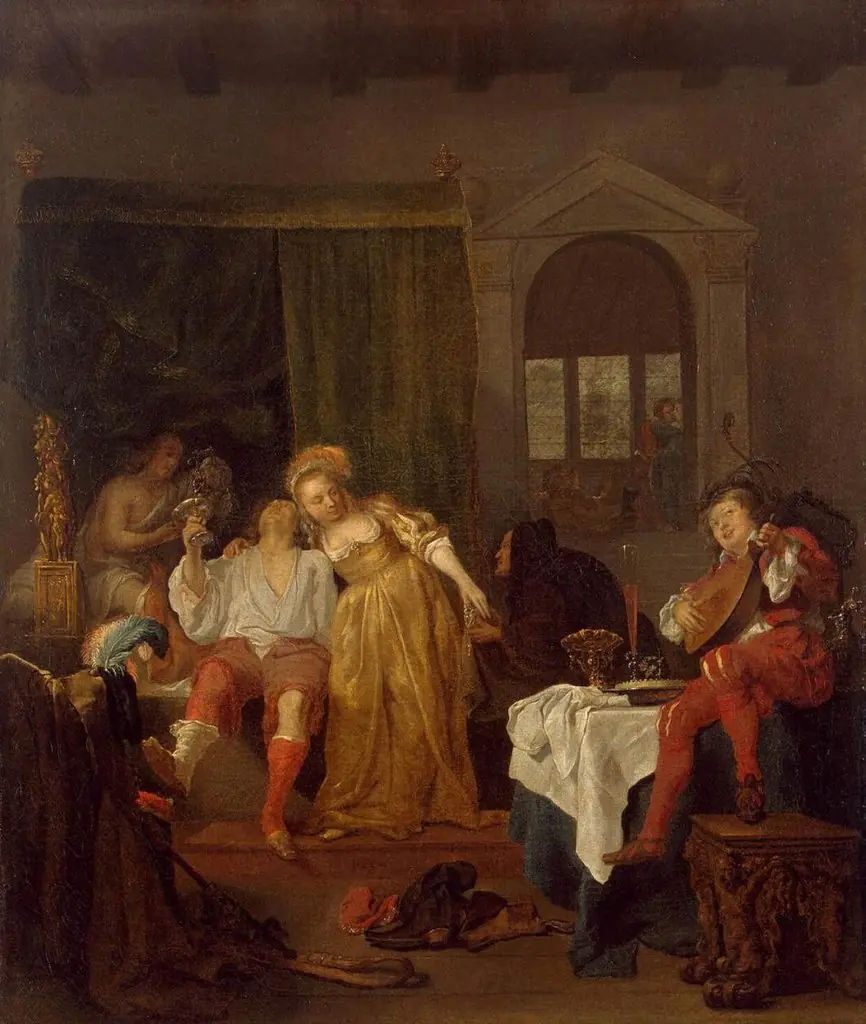 Prodigal Son
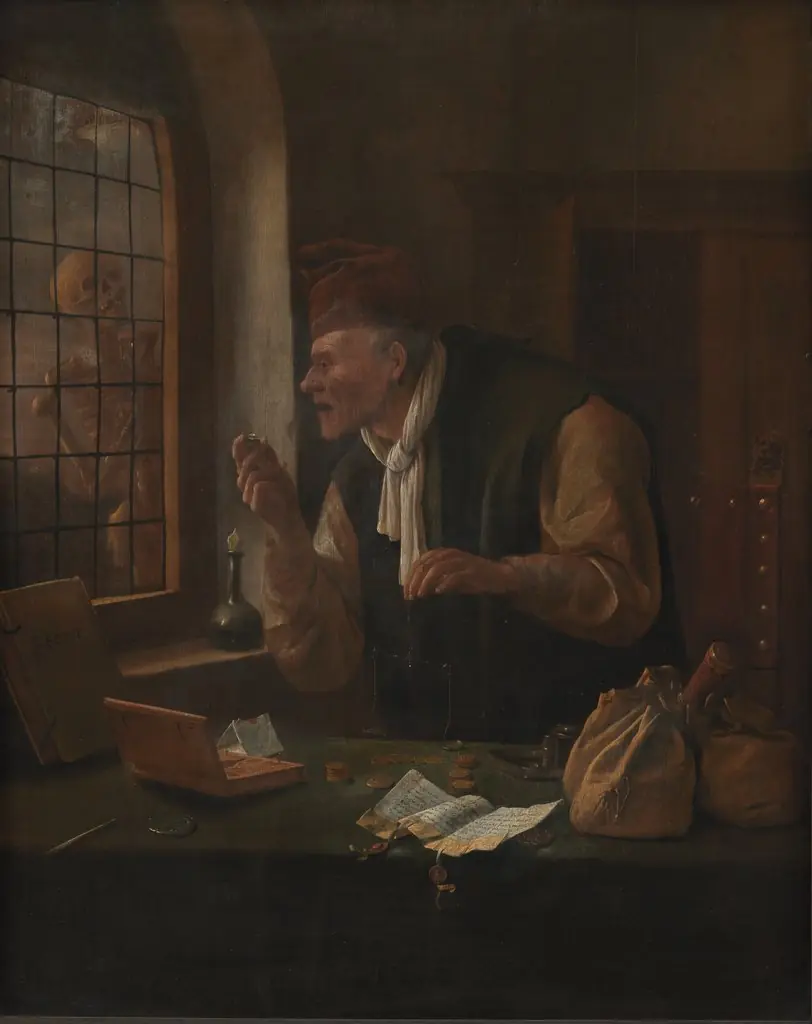 The Miser
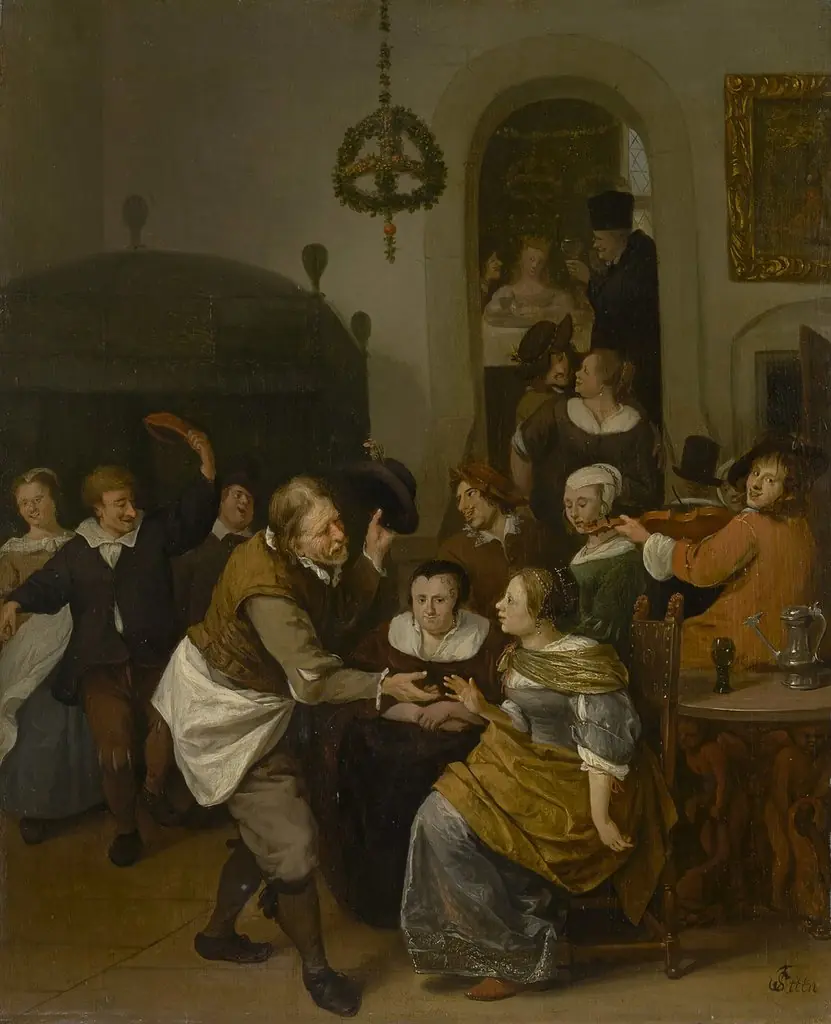 The wedding party
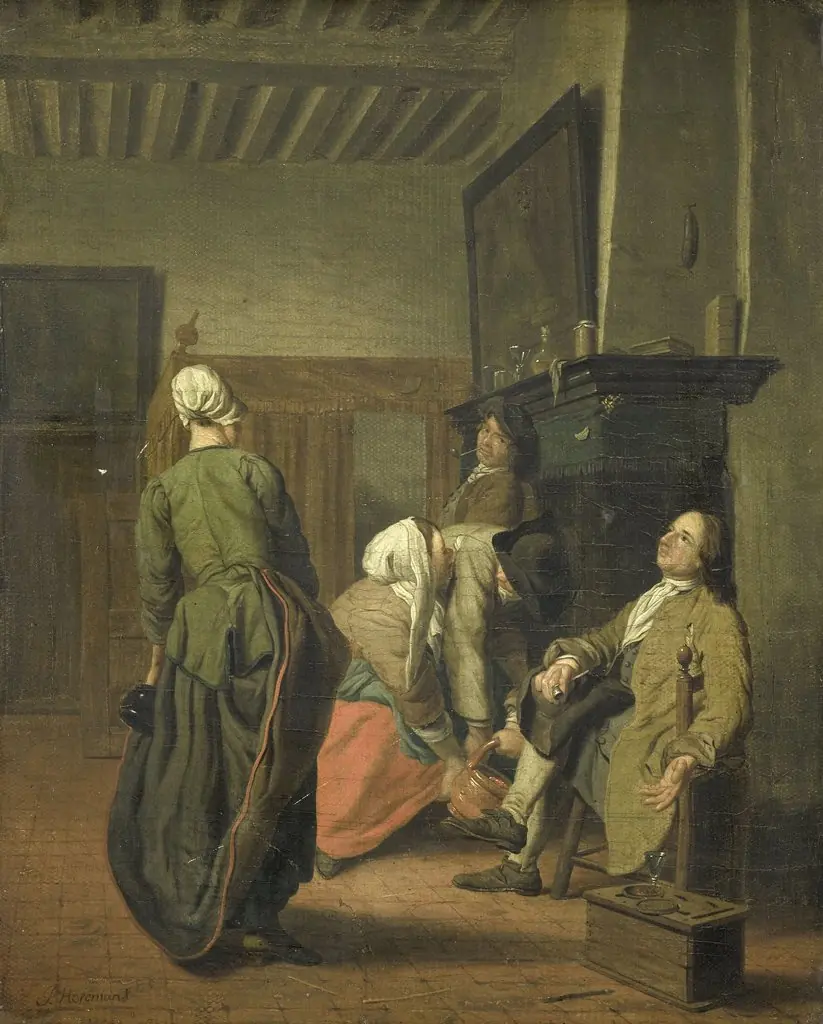 Merry company
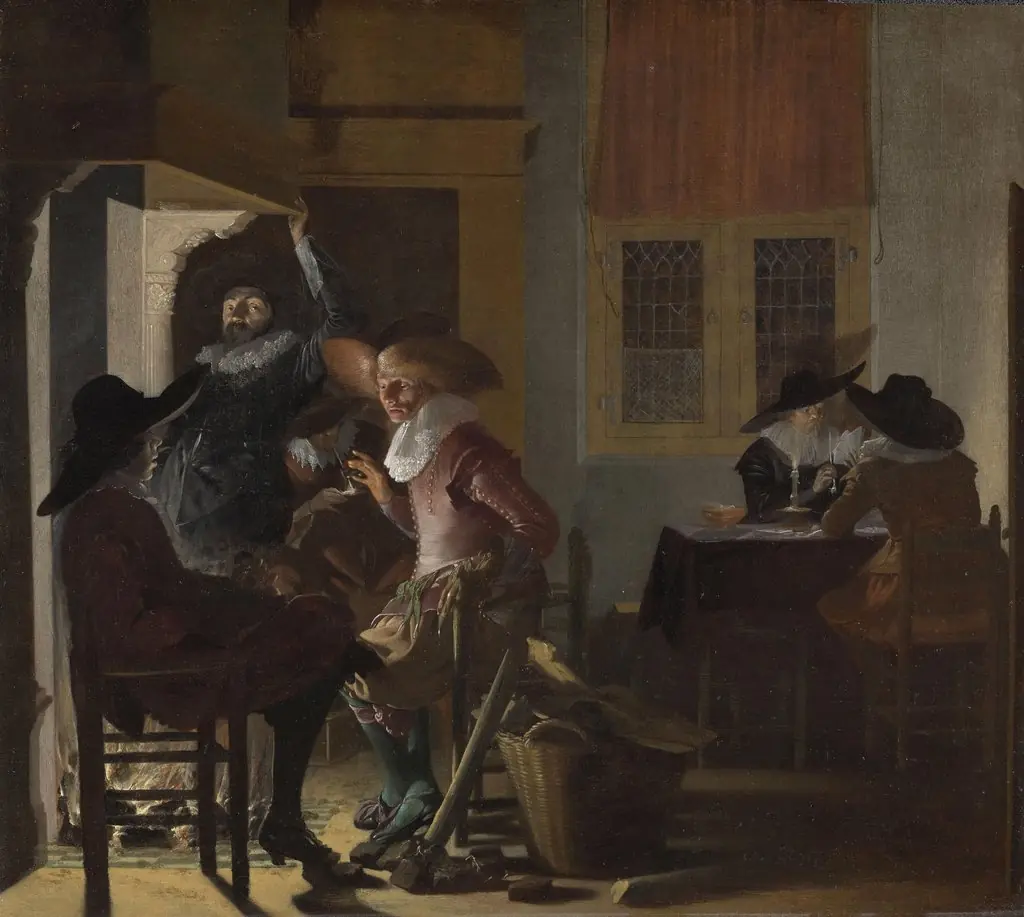 Soldiers beside a Fireplace
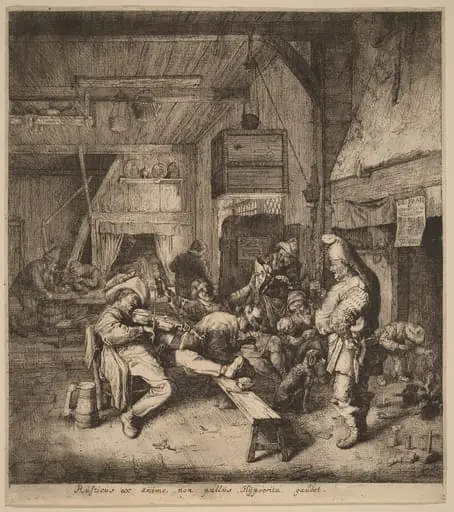 Violin Player Seated in a Tavern
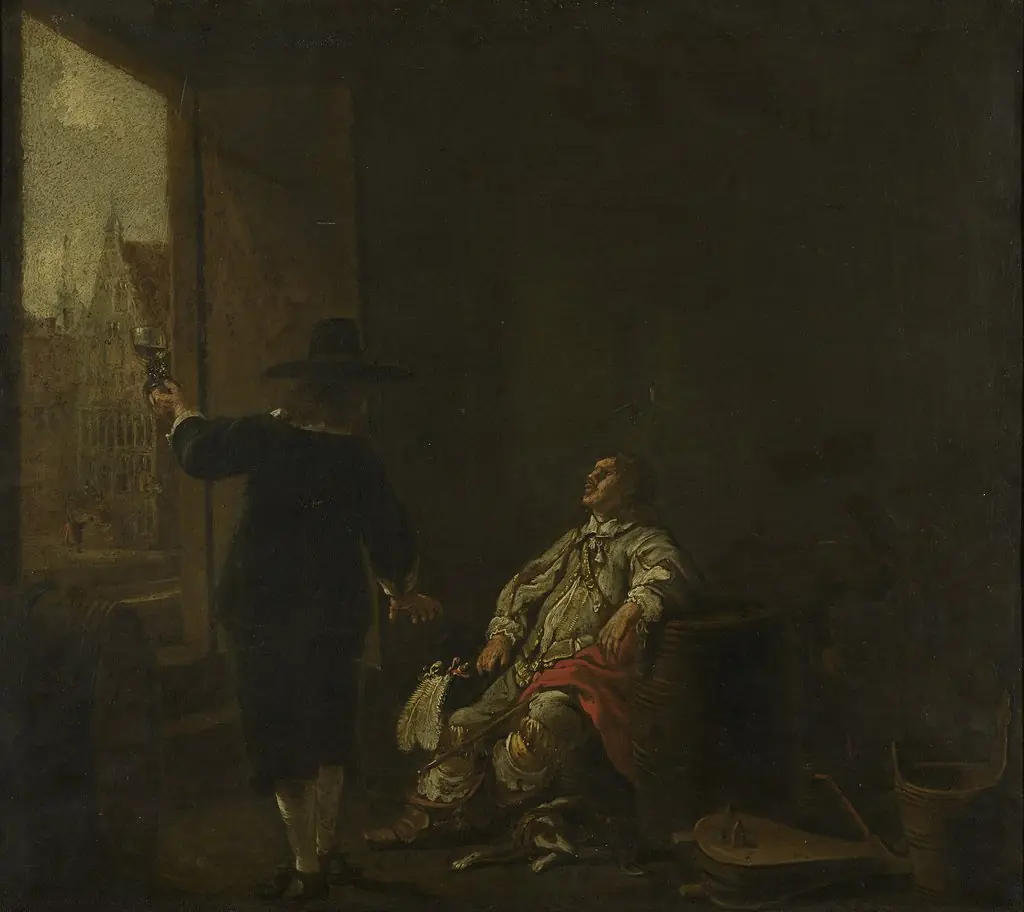 Signboard of a wineshop: tasting the wine (one side); barreling the wine (other side)
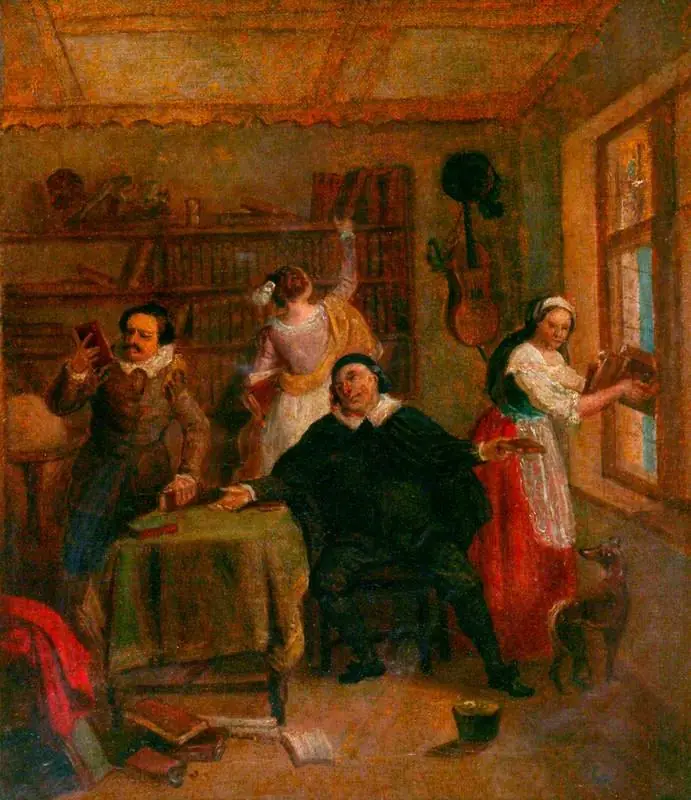 The Barber and Others Purging Don Quixote's Library (from Cervantes' novel)
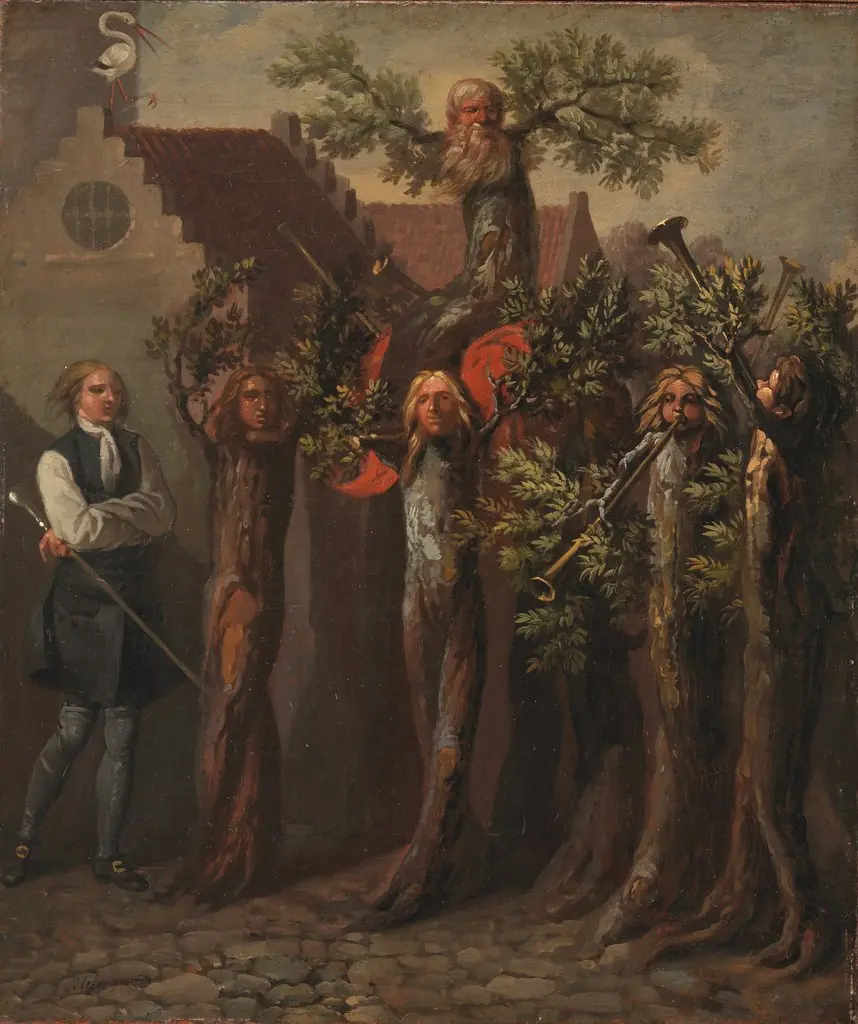 The Triumph of a Potuan, whose Reform Proposal has been Approved
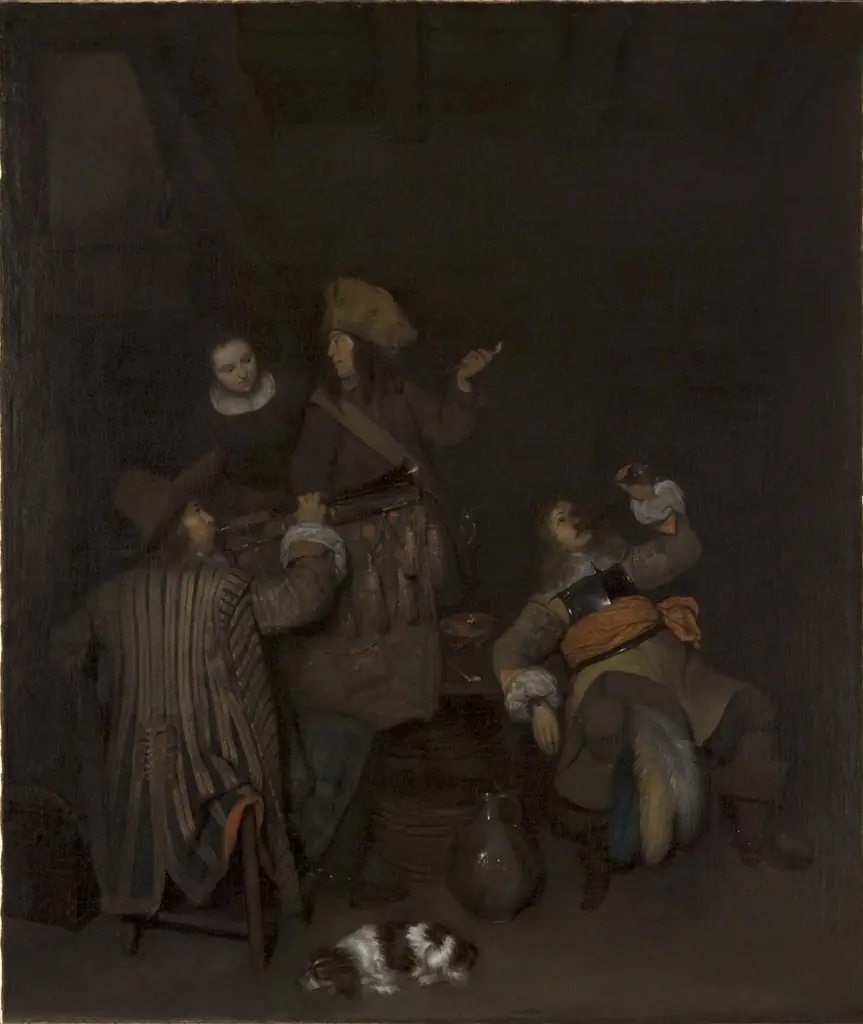 Guardroom
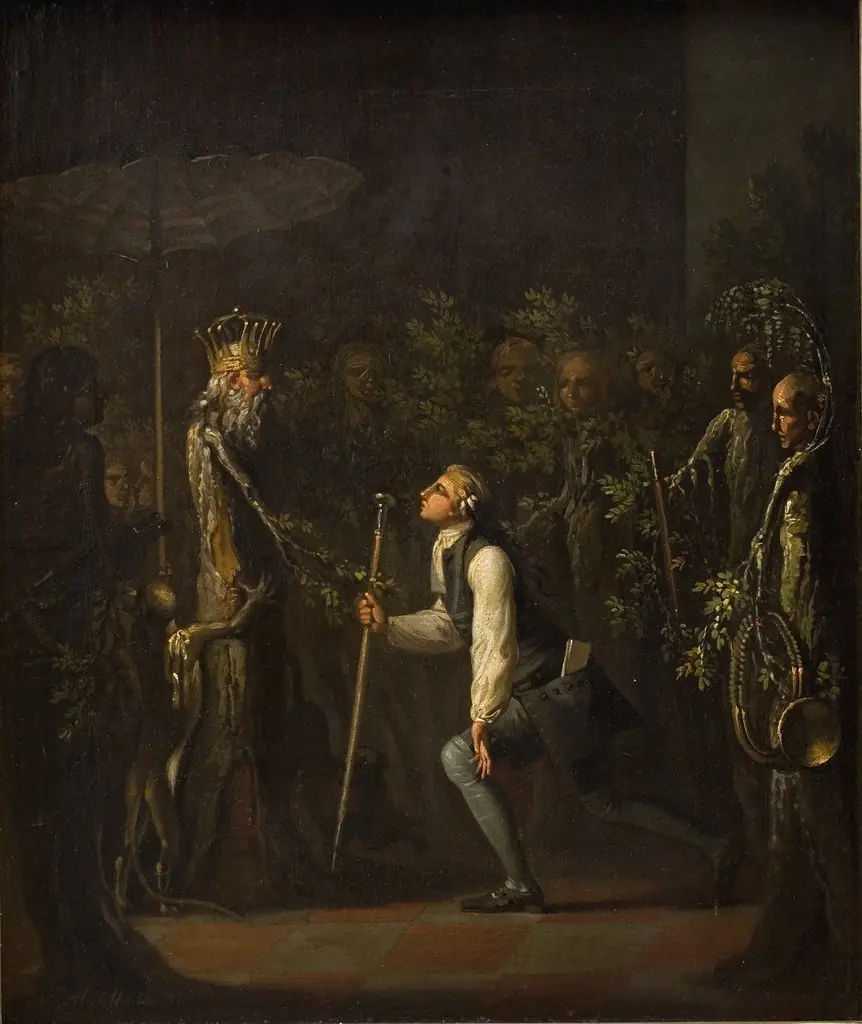 The Potuans are Surprised to see Niels Klim Genuflect in front of the Wise Prince.