Artwork
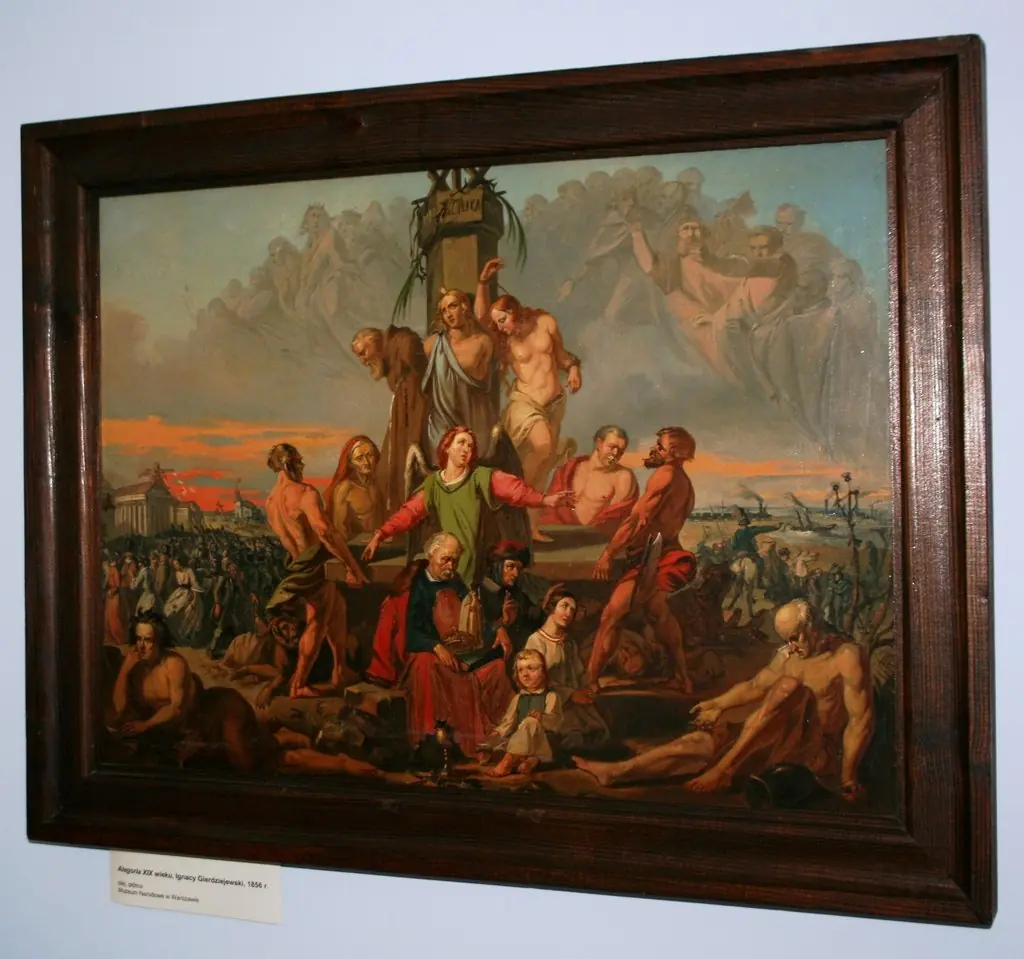
Symbolic scene – Poverty and misery come to see us
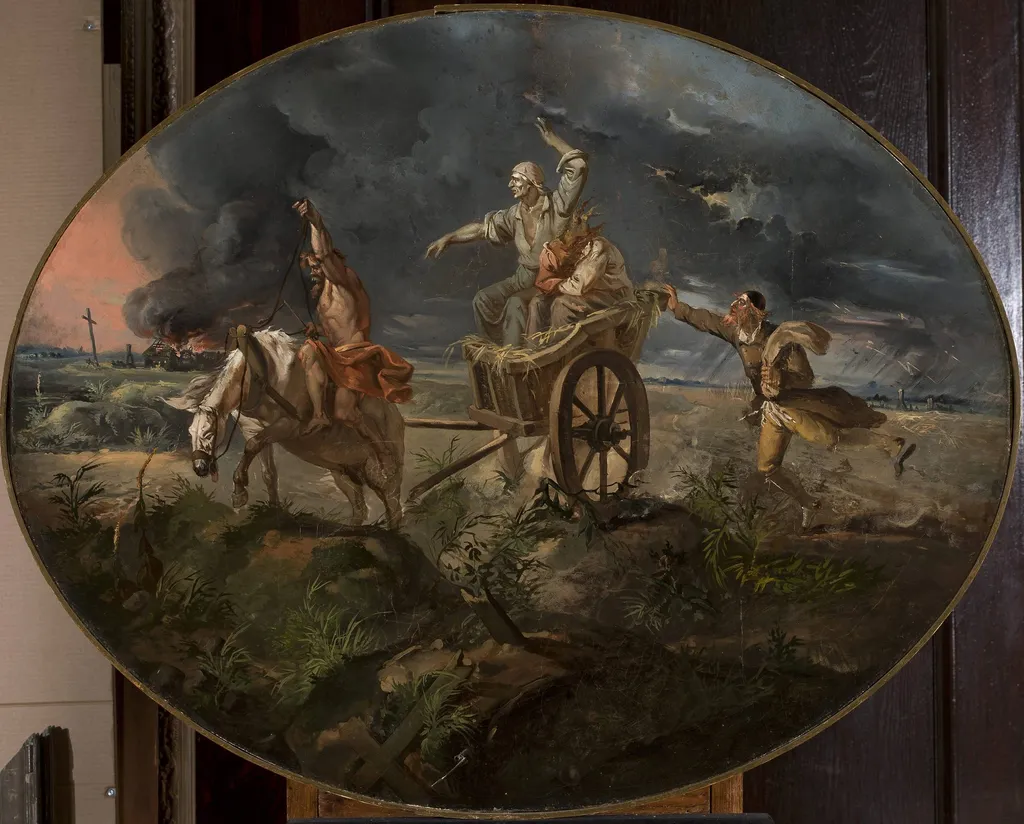
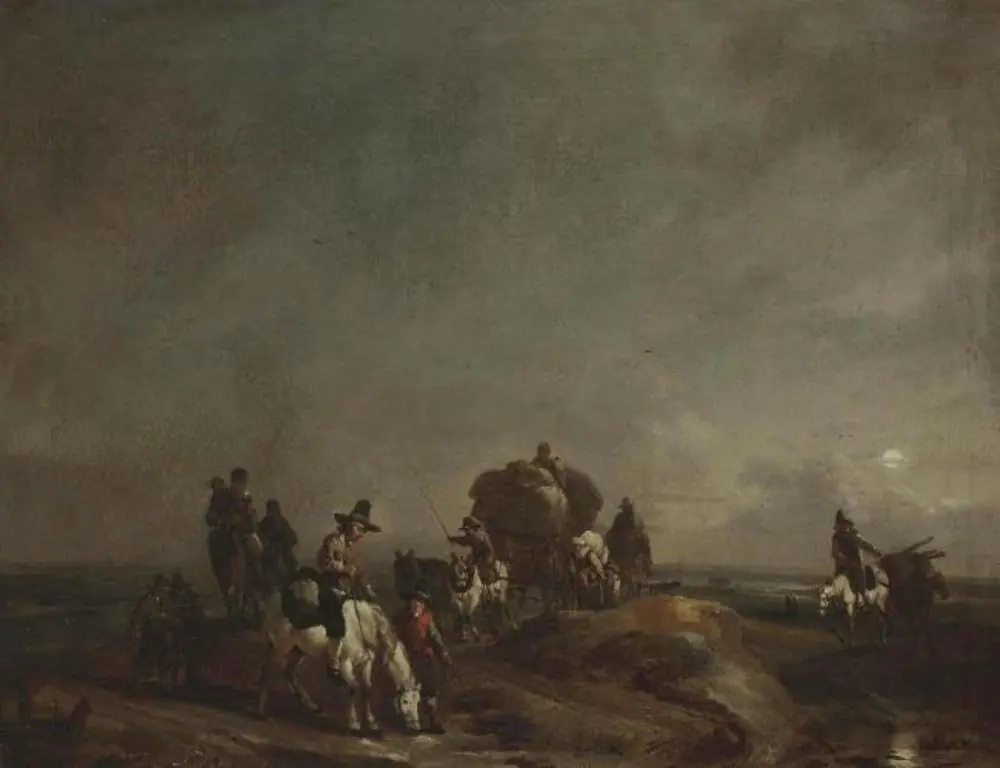
Symbolic scene – Poverty and misery come to see us is an oil painting by the Realist artist Ignacy Gierdziejewski. It dates from 1856 and is held in the collection of the National Museum in Warsaw.
About this work
Overview
The muted tones and restrained composition reflect a deliberate focus on the weight of daily survival, avoiding dramatic flourish in favor of sober observation.
Painted in 1856 by Ignacy Gierdziejewski, this oil work presents a quiet, unadorned moment of rural hardship. The scene unfolds in a sparse landscape, where three figures interact with a simple cart, their postures and surroundings suggesting endurance rather than action. The muted tones and restrained composition reflect a deliberate focus on the weight of daily survival, avoiding dramatic flourish in favor of sober observation.
Subject & Meaning
The painting personifies hardship through its figures: a man seated on a hay-laden cart, another standing beside it, and a third guiding the horse. Their stillness and lack of interaction imply resignation. The title, though not painted on the canvas, frames the scene as an allegory—poverty and misery as unwelcome yet inevitable visitors. The barren land and distant structures reinforce a sense of isolation, suggesting systemic neglect rather than transient misfortune.
Technique & Style
Gierdziejewski employs oil paint with a restrained palette dominated by earthy browns, grays, and muted greens. Brushwork is subdued, favoring texture over detail—fabric folds, weathered wood, and dusty ground are rendered with quiet precision. The composition is horizontally balanced, drawing the eye across the cart and figures toward the distant horizon, where faint buildings hint at a world indifferent to the scene’s quiet suffering.
History & Provenance
Created in 1856, the painting entered the collection of the National Museum in Warsaw, where it remains today. Little is documented about its early ownership or exhibition history, but its presence in the museum suggests it was recognized early as a representative work of Polish realist sentiment. Its survival through political upheavals underscores its status as a preserved record of 19th-century rural life in the region.
Context
Painted during a period of economic strain under Russian partition, the work reflects broader social conditions in Polish lands. Rural poverty was widespread, and artists increasingly turned to everyday hardship as subject matter. Gierdziejewski’s approach aligns with emerging realist trends in Eastern Europe, where art began to document lived experience over idealized narratives, offering a quiet counterpoint to romanticized depictions of peasant life.
Legacy
Though not widely known outside Poland, the painting stands as a modest but significant example of early Polish realism. It contributes to a visual archive of rural hardship that predates later social documentary movements. Its enduring presence in the National Museum in Warsaw signals its role as a factual, unembellished witness to the conditions of its time, valued for its historical honesty rather than stylistic innovation.
Artist & collection

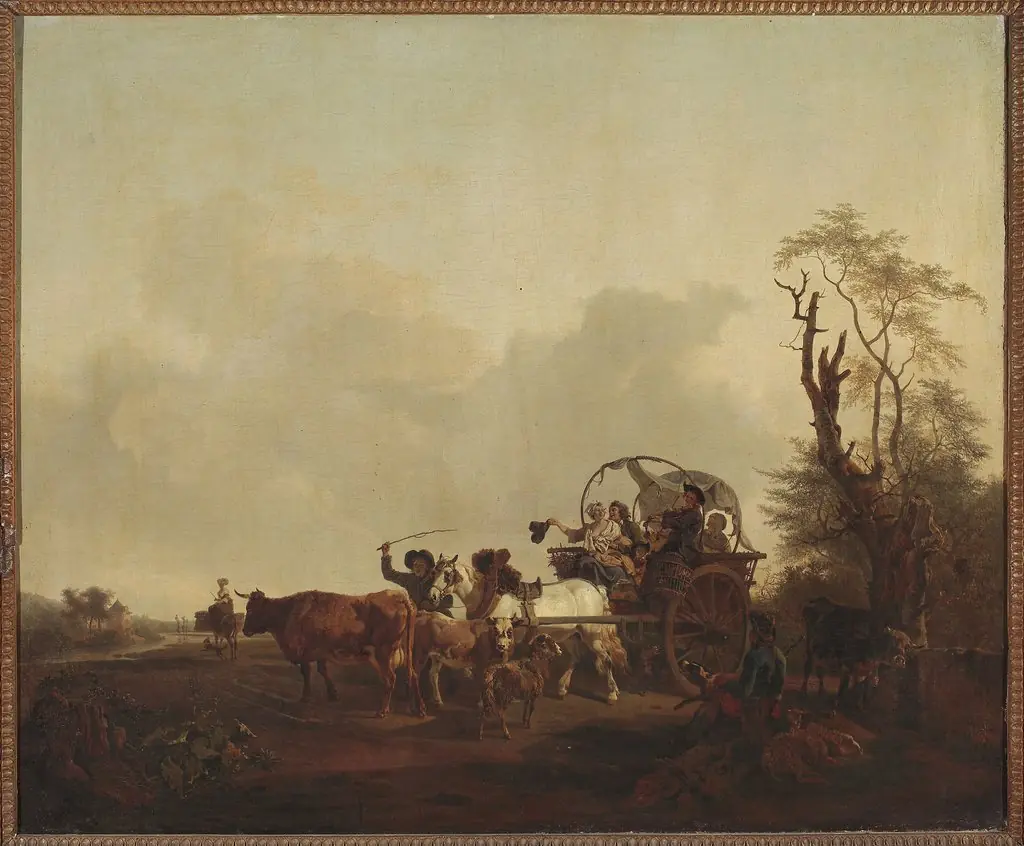 Merry journey
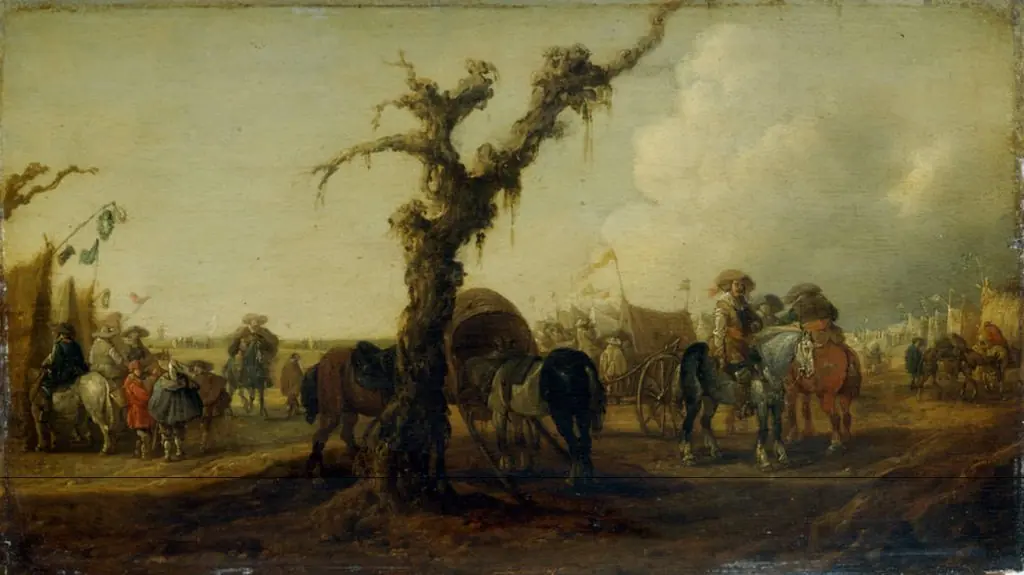 Military camp
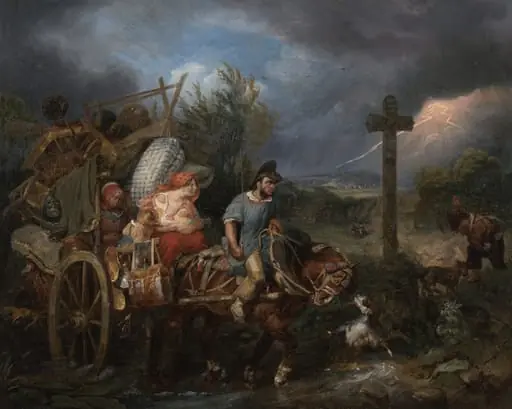 The Diligence
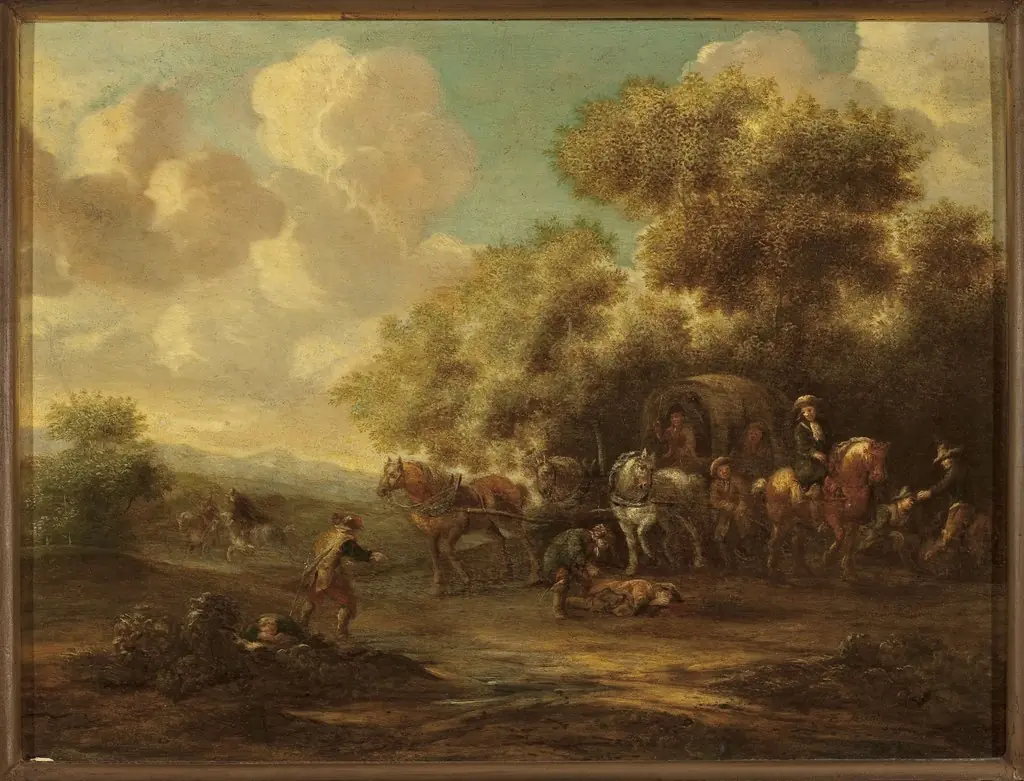 Assault on travellers
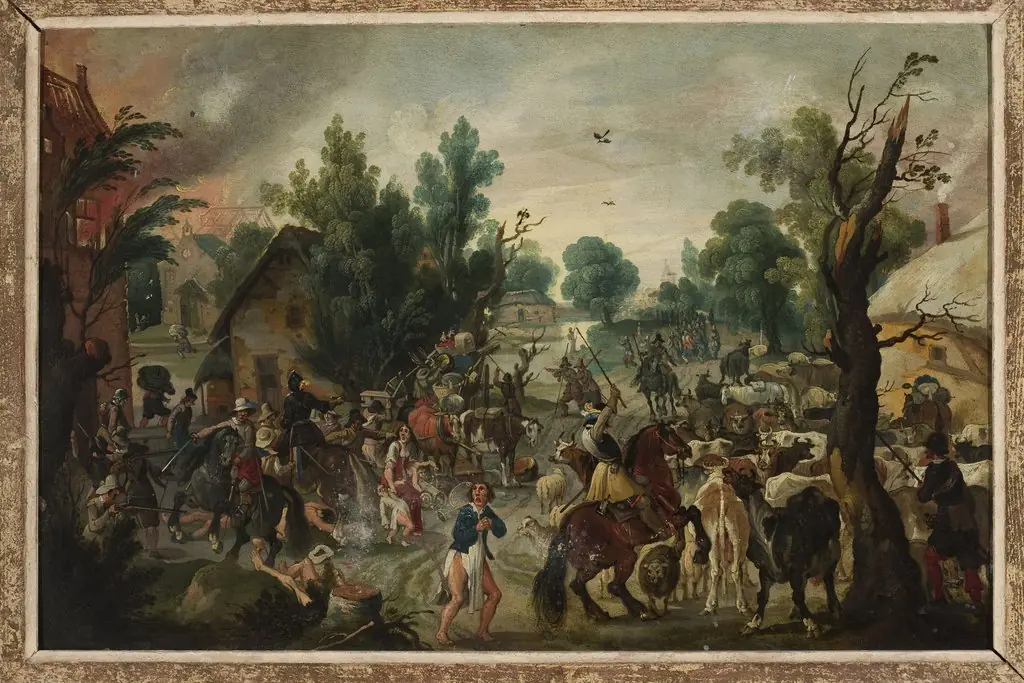 Assault on a town
 Election Scene, Catonsville, Baltimore County
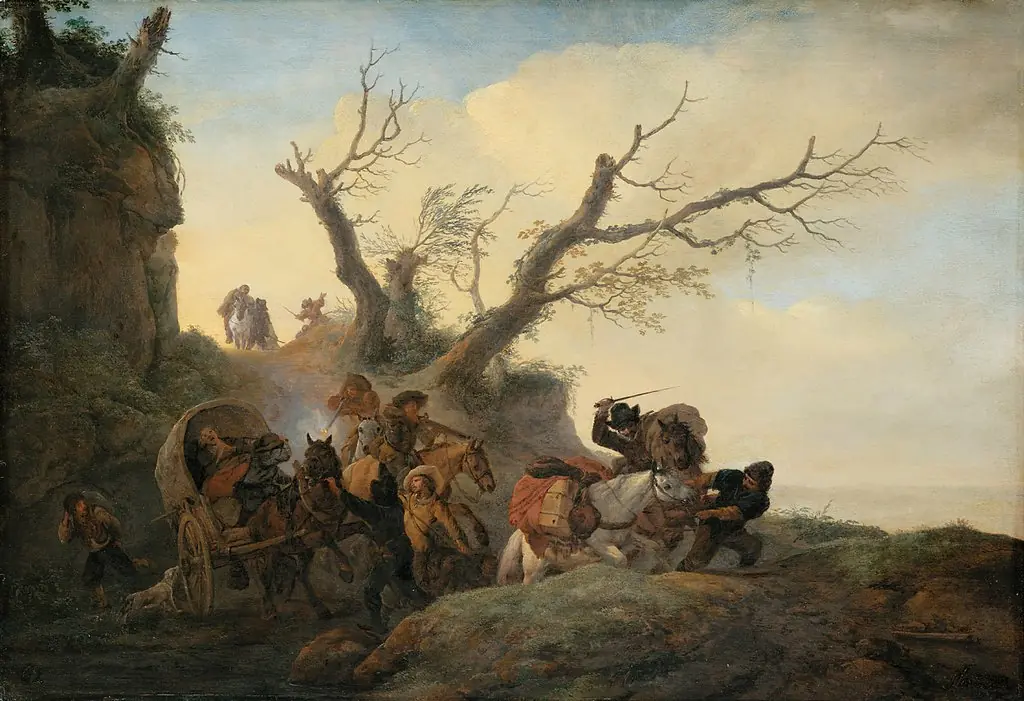 Robbers attacking Travellers
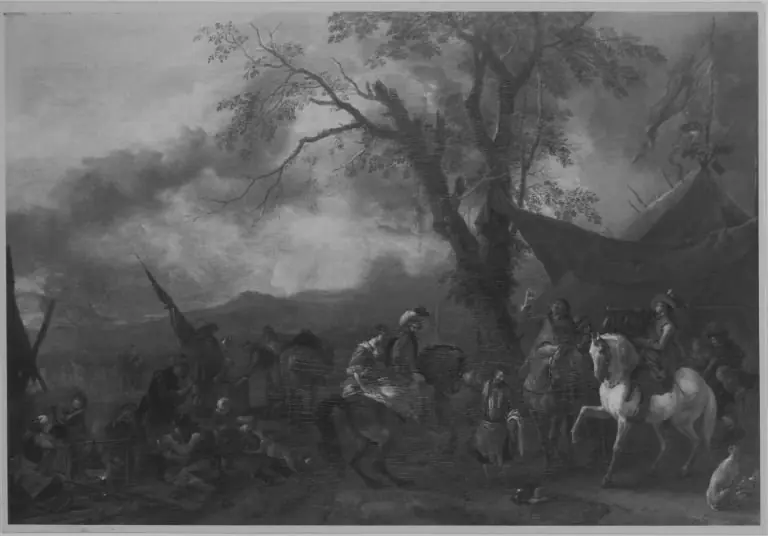 Aufbruch aus dem Lager
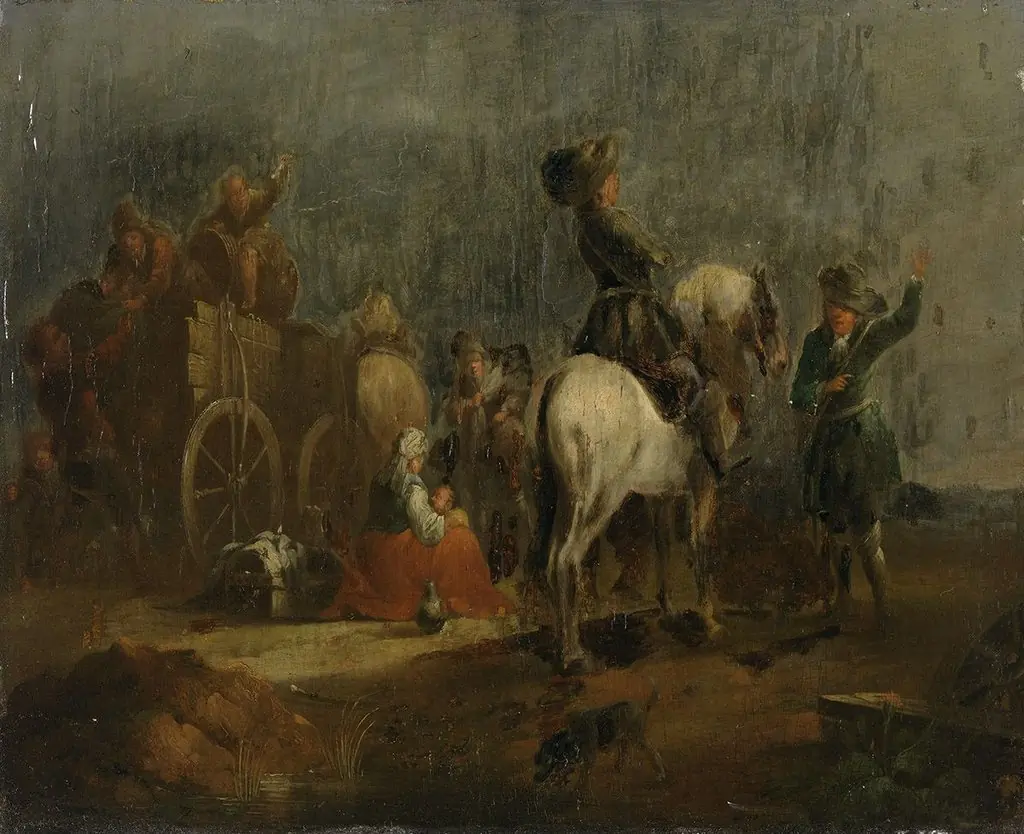 Fahrendes Volk mit Reiter bei der Rast (Nachfolger)
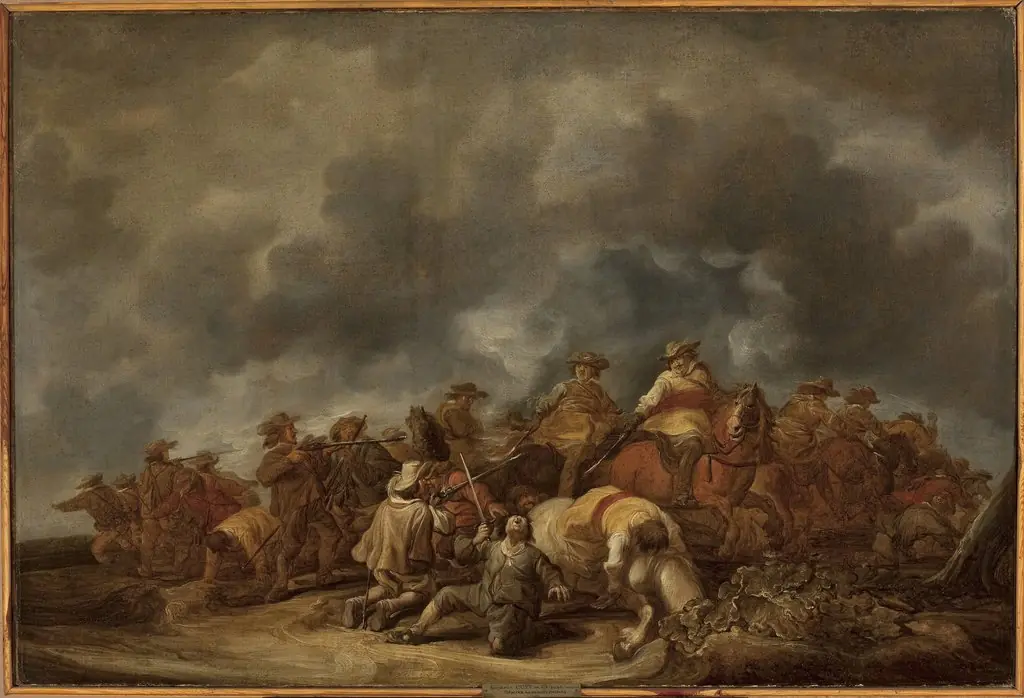 Skirmish of cavalry and infantry
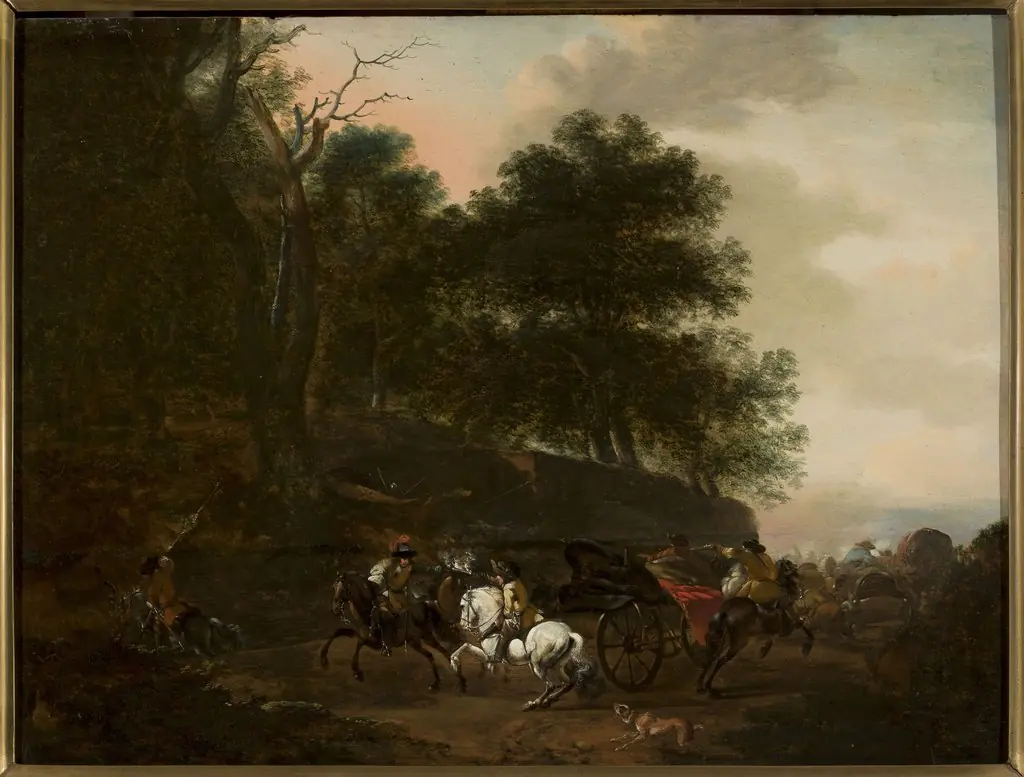 Assault on travellers
 Returning from the Hay Harvest