Artwork
Pestilent air
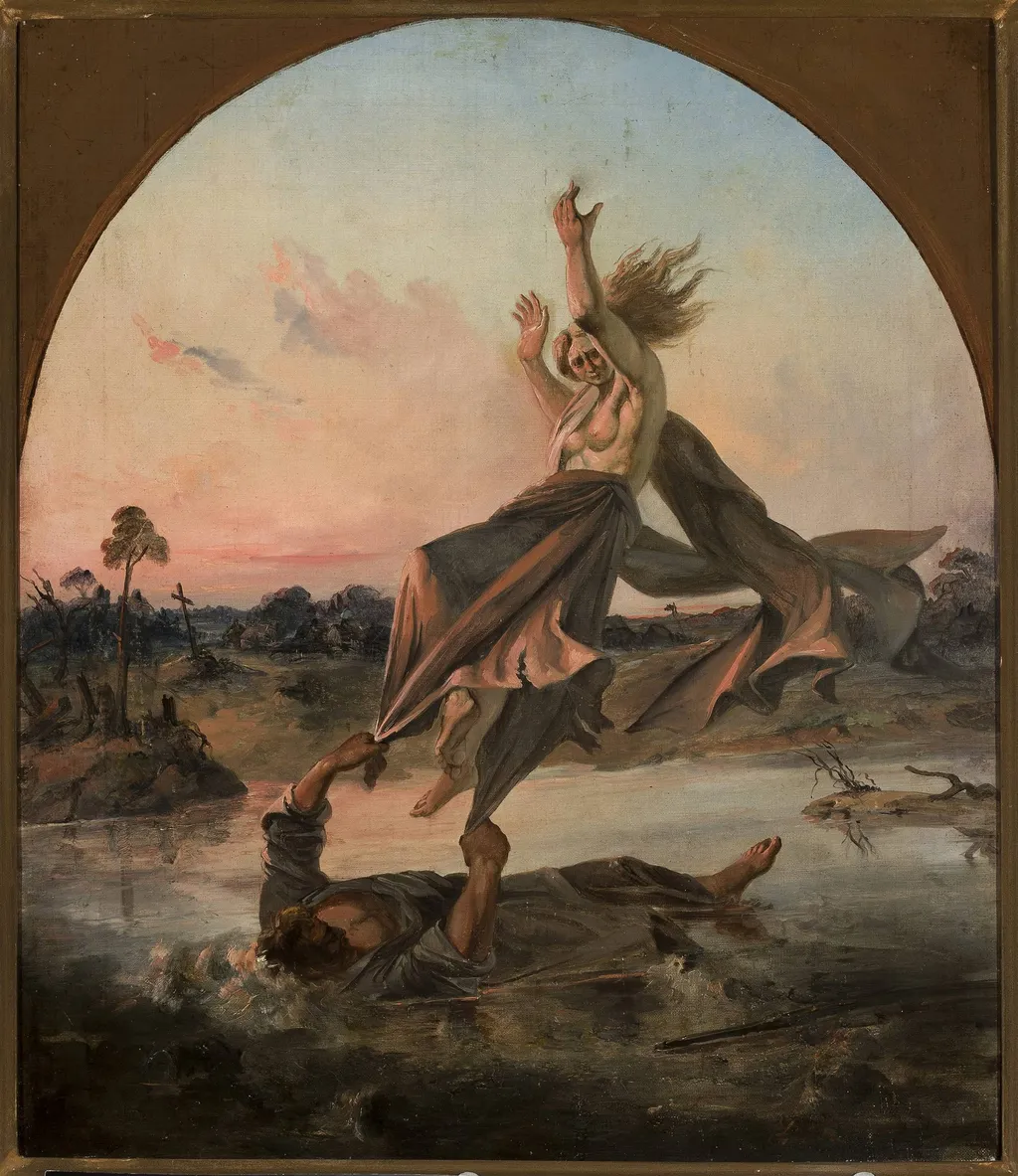
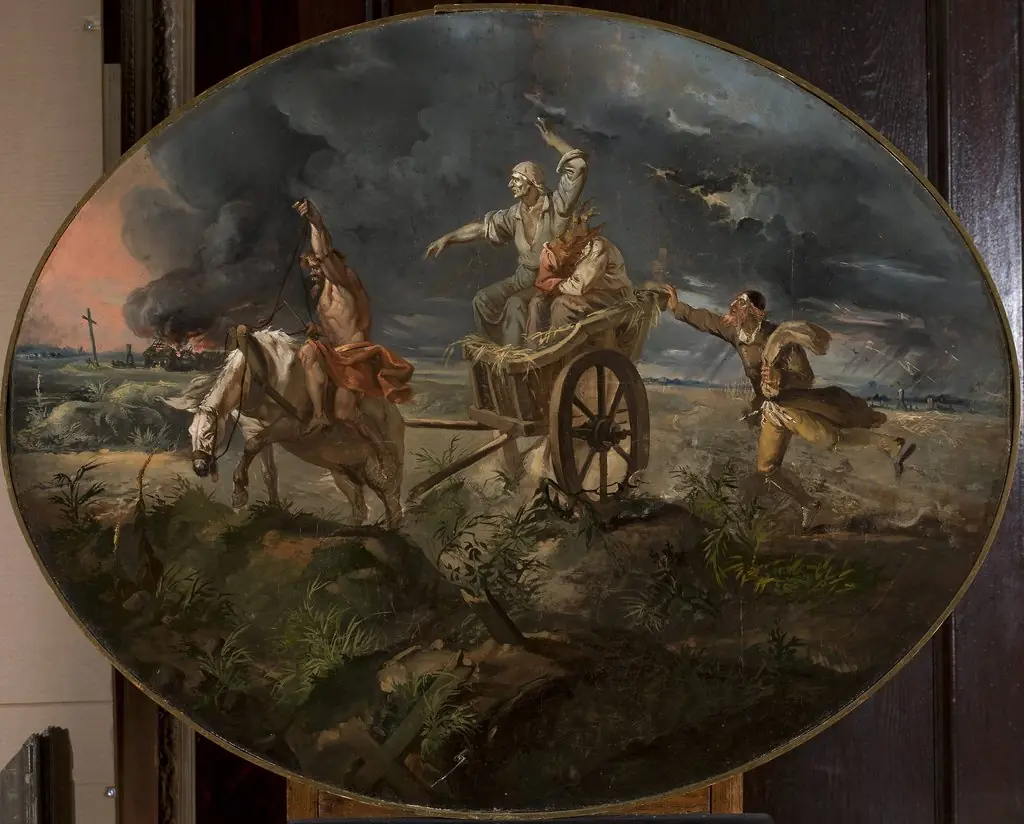
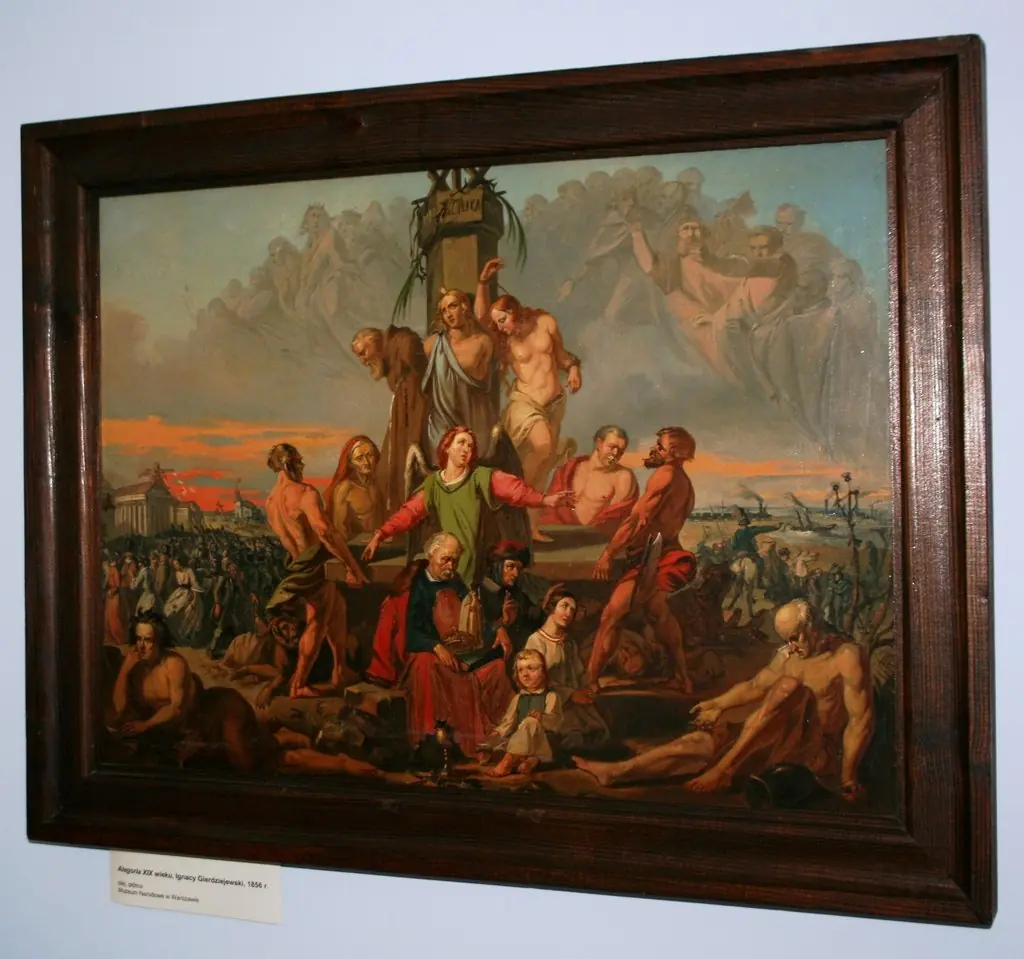
Pestilent air is an oil painting by the Realist artist Ignacy Gierdziejewski. It dates from 1856 and is held in the collection of the National Museum in Warsaw.
About this work
Overview
Pestilent air is an 1856 oil painting by Polish artist Ignacy Gierdziejewski, currently housed in the National Museum in Warsaw.
Pestilent air is an 1856 oil painting by Polish artist Ignacy Gierdziejewski, currently housed in the National Museum in Warsaw. The work depicts a moment of abrupt physical action against a somber natural backdrop. Its composition centers on a woman mid-leap over a prone man, framed by a moody landscape. The painting’s tone is charged with unease, conveyed through its restrained palette and intense contrasts of light and shadow.
Subject & Meaning
The scene portrays a woman leaping over a man stretched prone on the ground, their postures suggesting rupture or escape. The figures’ isolation within the landscape implies a personal or symbolic crisis rather than a narrative event. The title, Pestilent air, evokes an atmosphere of moral or physical decay, hinting at internal turmoil or societal unrest, though no explicit story is given. The ambiguity invites interpretation without resolution.
Technique & Style
Gierdziejewski employs chiaroscuro to model the figures with strong tonal contrasts, enhancing their three-dimensionality against the dim landscape. The woman’s flowing dress and raised arms create dynamic lines that contrast with the man’s rigid, outstretched limbs. Dark, muted hues dominate the scene, with subtle shifts in value guiding attention to the central interaction. Brushwork is controlled, emphasizing form over texture, reinforcing the painting’s somber gravity.
History & Provenance
Painted in 1856, the work entered the collection of the National Museum in Warsaw, where it remains today. Little is documented about its early reception or commission, and it was not widely exhibited during the artist’s lifetime. Its survival and preservation suggest it was valued within Polish artistic circles, though its thematic ambiguity may have limited broader public engagement at the time.
Context
Created during a period of political suppression in partitioned Poland, the painting reflects broader cultural anxieties of the era. While not overtly political, its depiction of disruption and isolation resonates with the psychological climate under foreign rule. Artists often turned to symbolic or allegorical subjects to express dissent or inner conflict when direct commentary was dangerous.
Legacy
Pestilent air endures as a quietly powerful example of 19th-century Polish Romantic painting, notable for its emotional restraint and symbolic ambiguity. It contributes to a body of work that prioritizes psychological depth over narrative clarity. Though not widely reproduced, it is studied for its evocative use of light and form to convey inner states, influencing later generations of Polish artists seeking non-literal expression.
Artist & collection

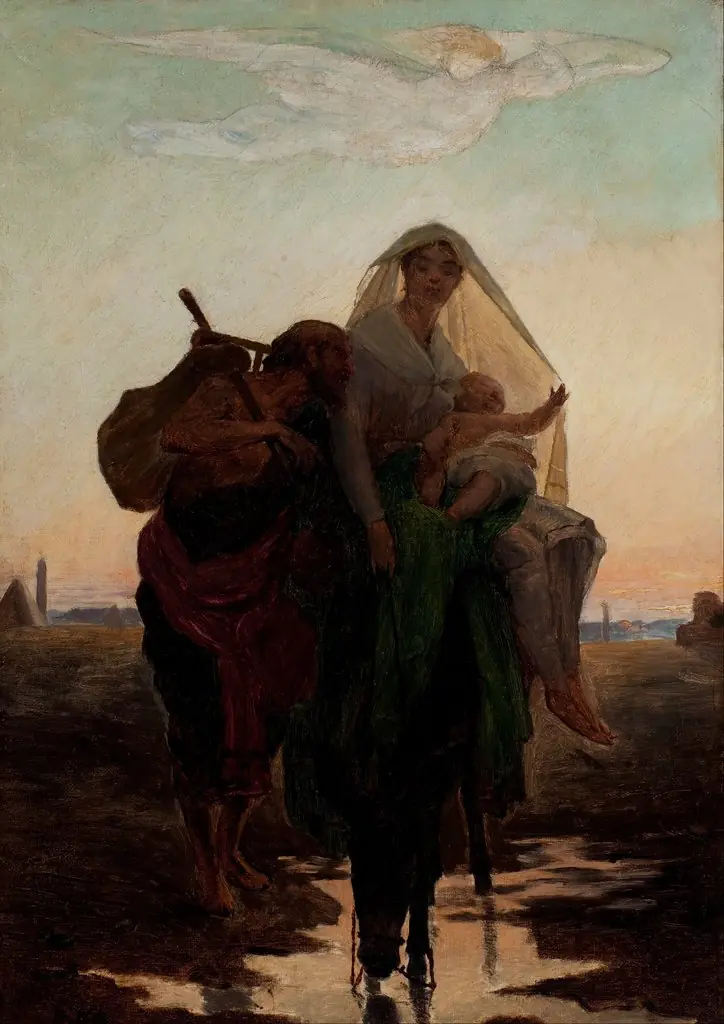 Study for "Flight of the Holy Family to Egypt"
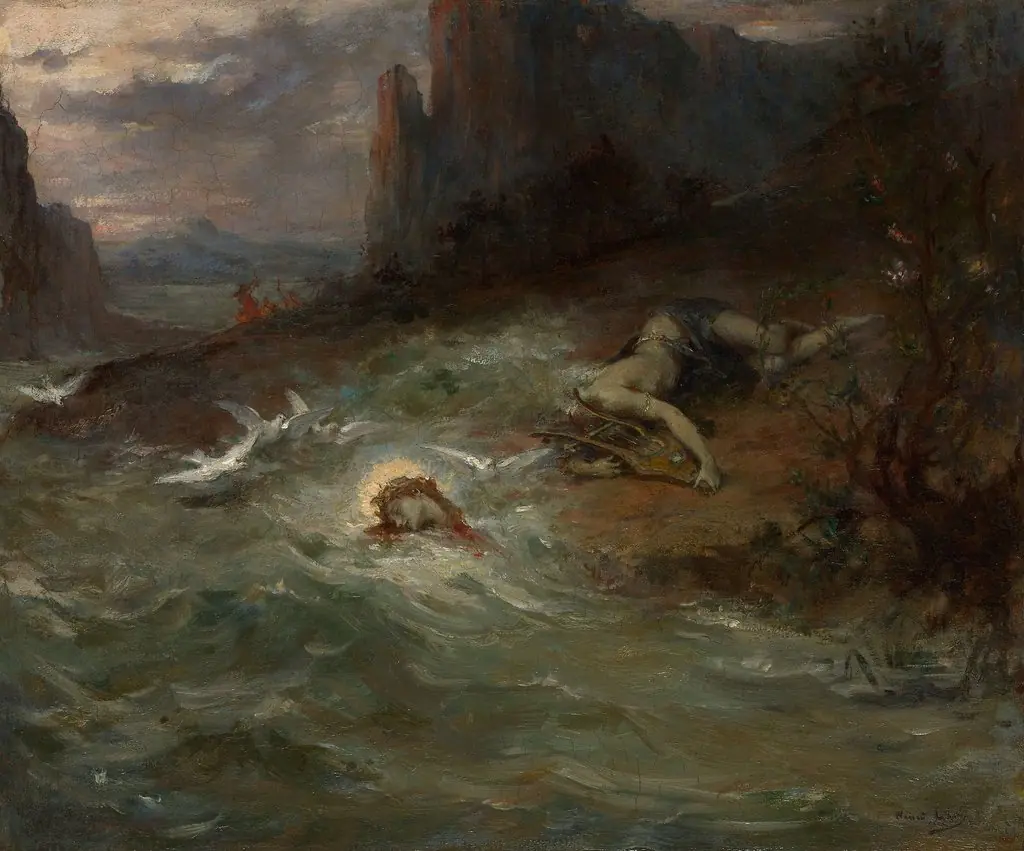 The Death of Orpheus
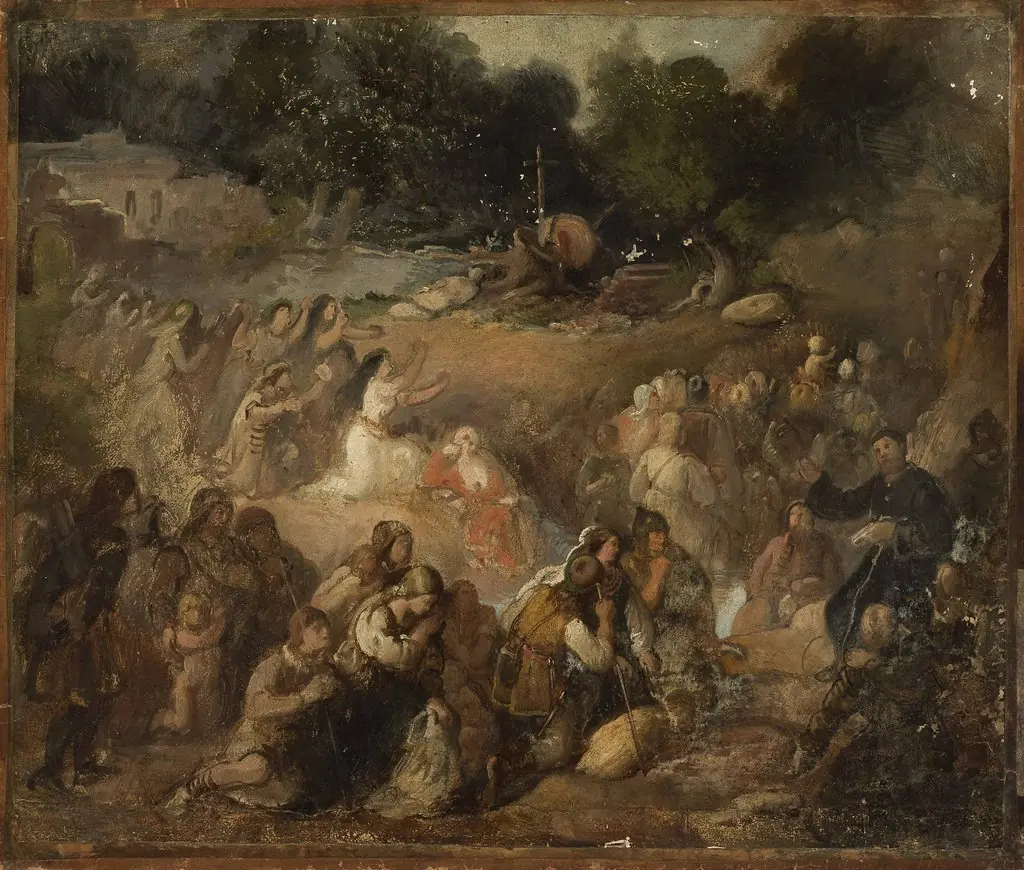 Baptism of Lithuania
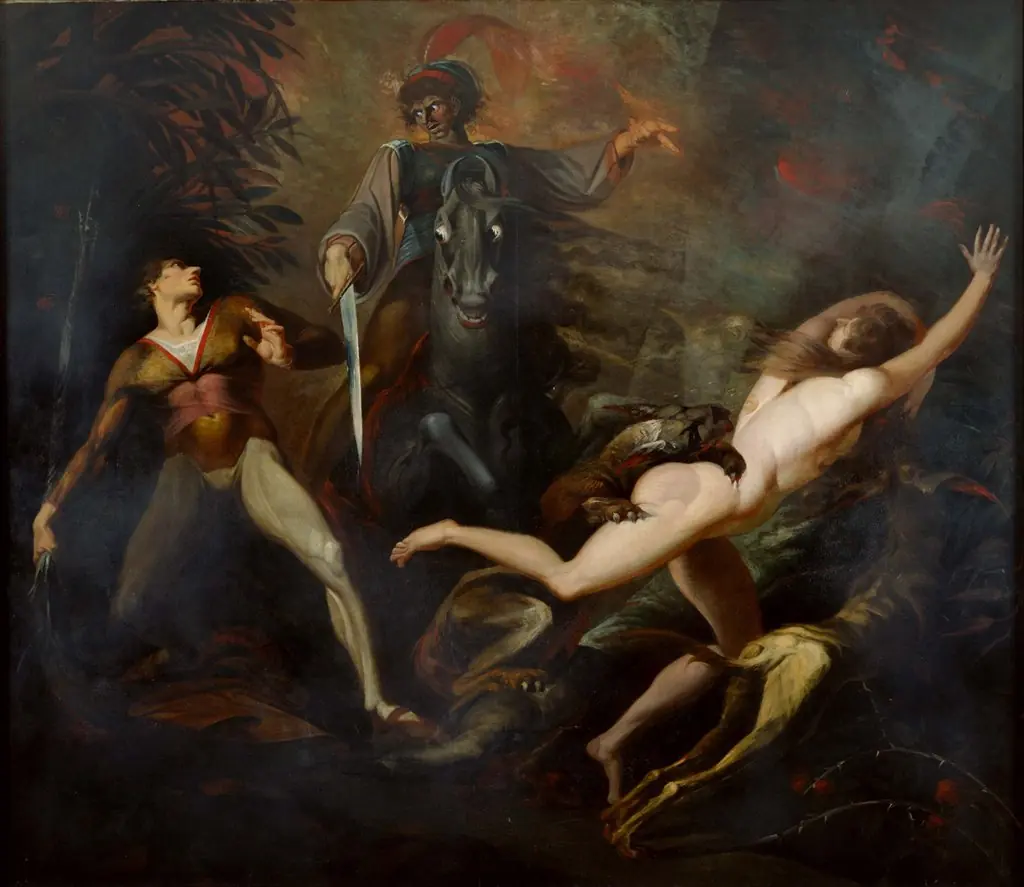 Theodore Meets in the Wood the Spectre of His Ancestor Guido Cavalcanti
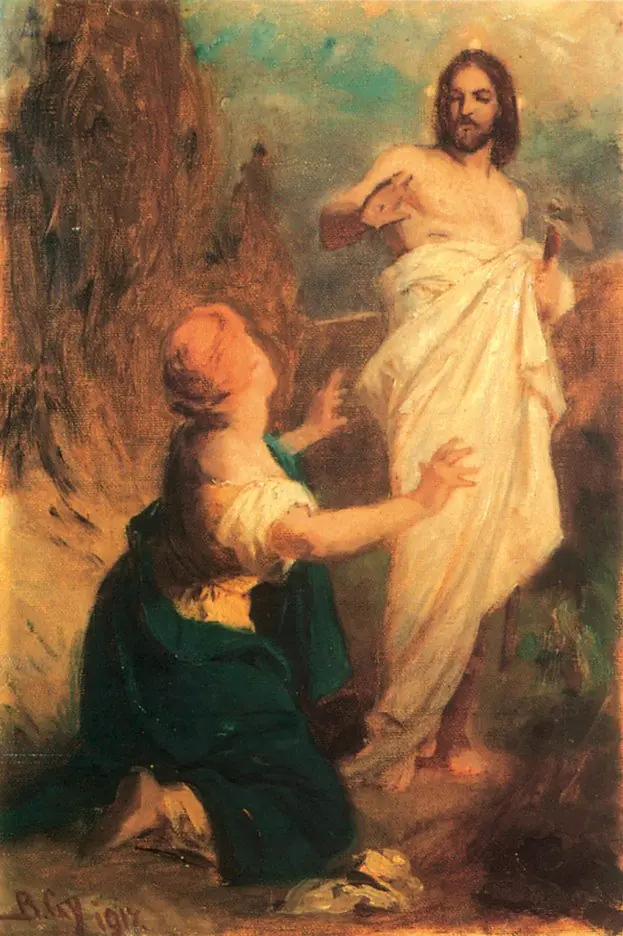 Noli me tangere
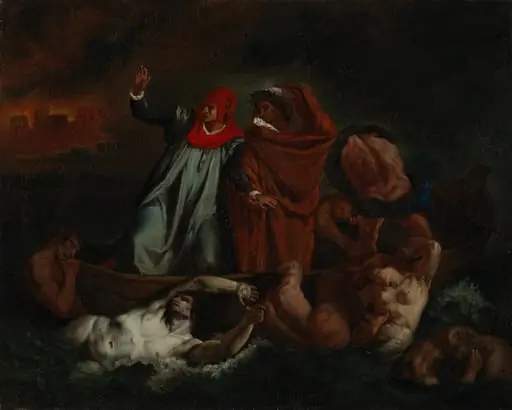 Dante ja Vergilius manalassa, kopio Eugene Delacroixin mukaan
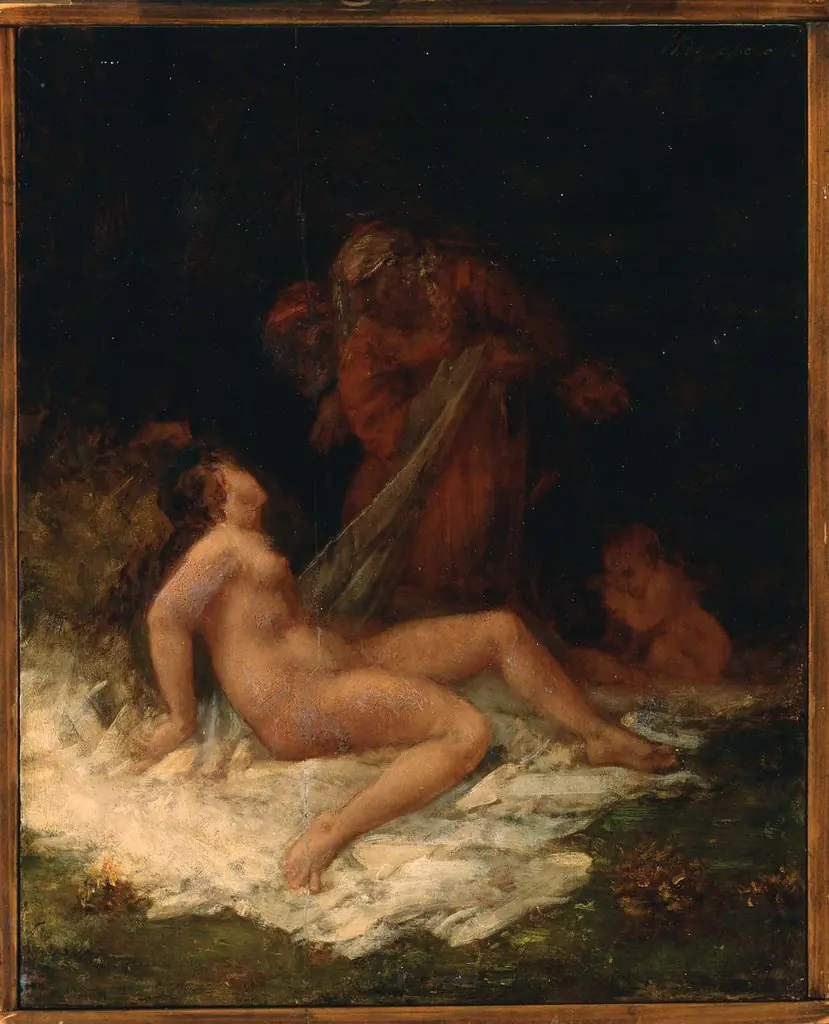 Susanna and the Elders
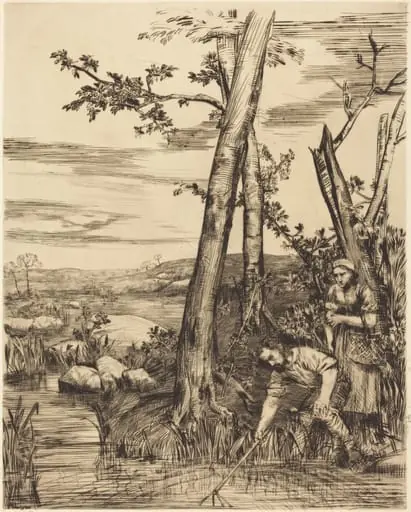 Fishing for Crayfish (Les pecheurs d'ecrevisses)
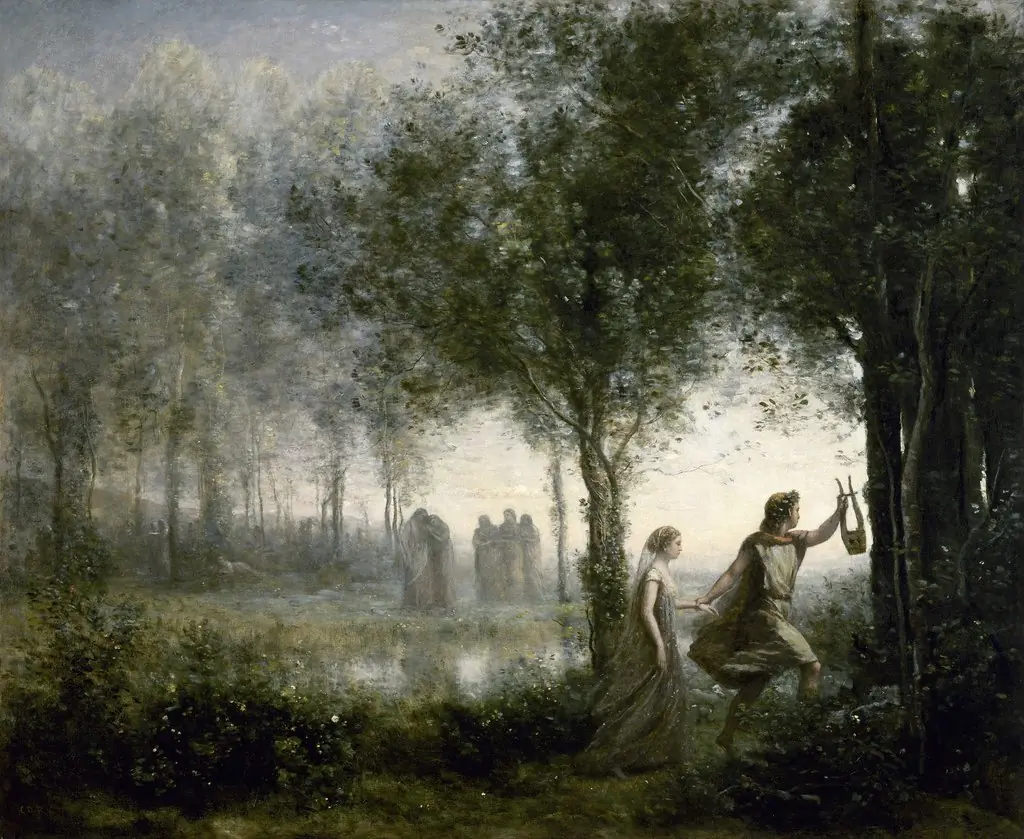 Orpheus Leading Eurydice from the Underworld
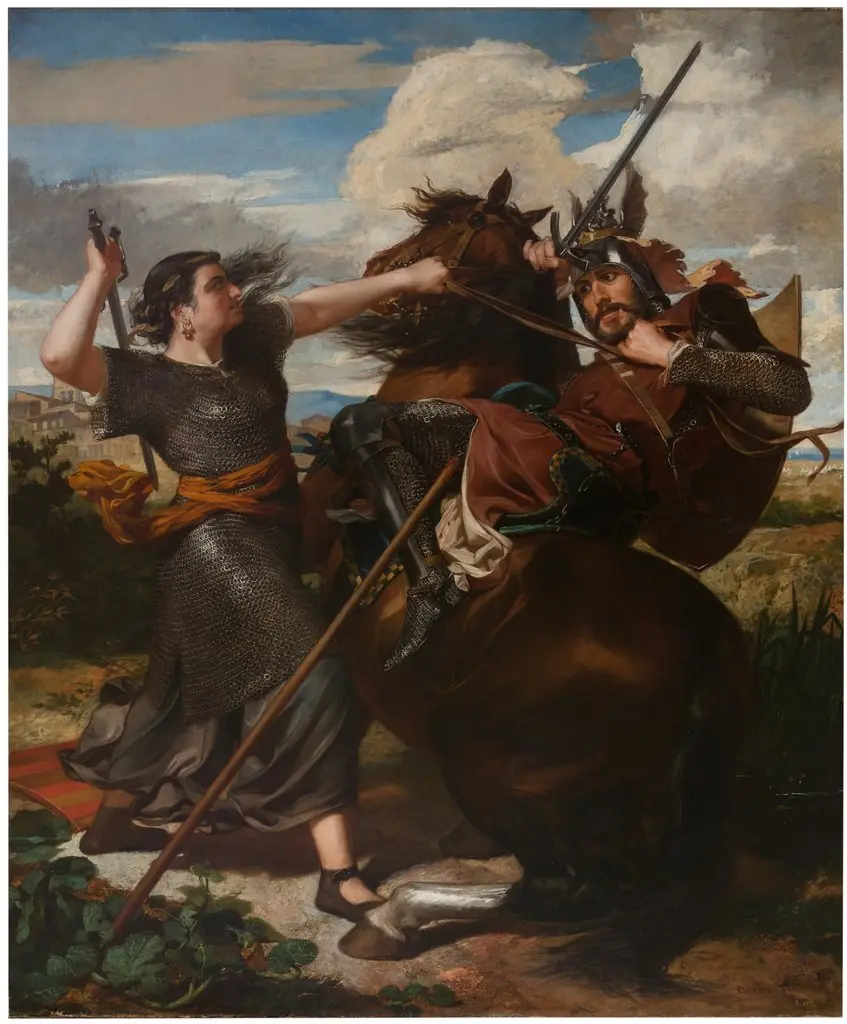 The Heroine of Peralada
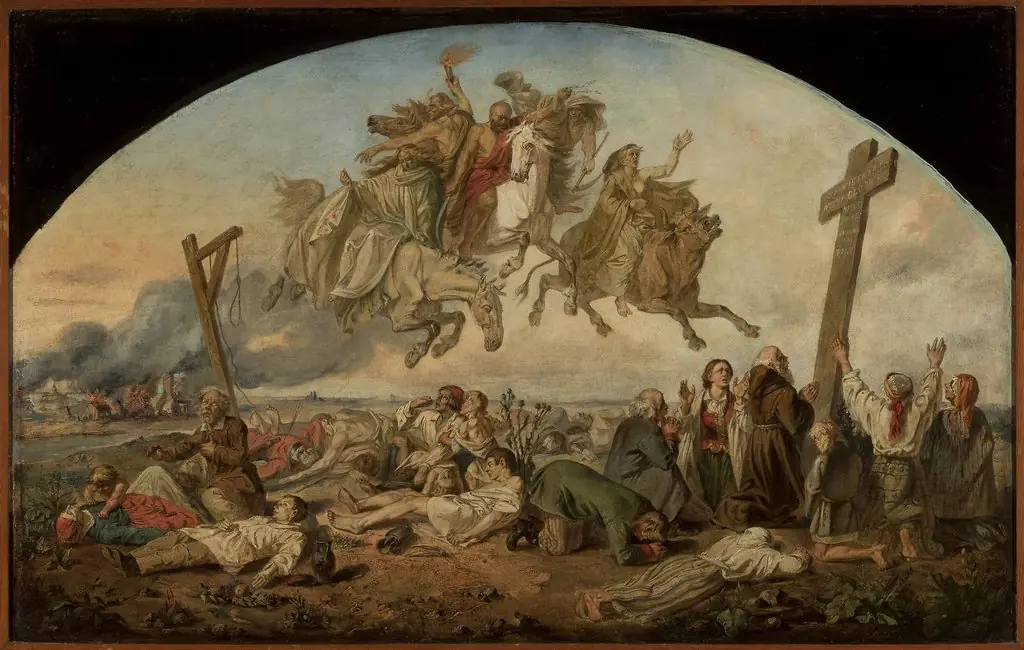 Lord deliver us from air, fire, war, famine and sudden death
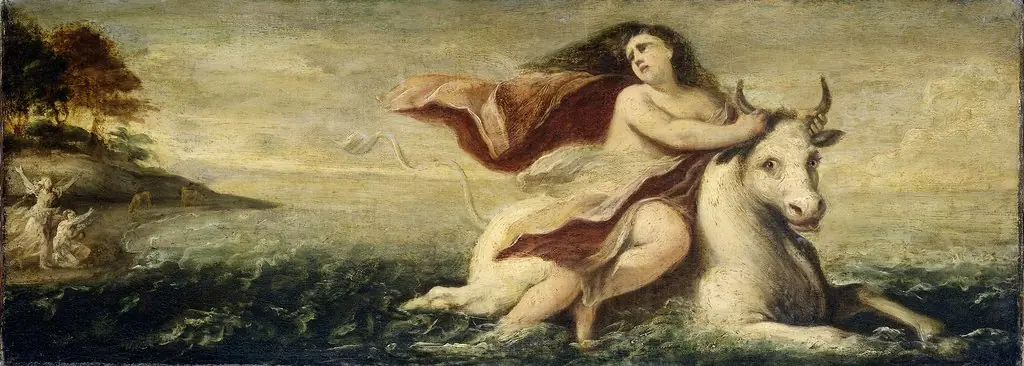 Rape of Europa