Artwork
Tablou ulei pe pânză, „Elena Ceaușescu”, atribuit lui Ioan Florea, nedatat. Elena Ceaușescu îmbrăcată într-o haină de blană, este reprezentată pe un covor cu motive tradiționale din zona Mehedinți, pe fundal un combinat petrochimic, ținând în mâna dreaptă o garoafă roșie, iar în mâna stângă o carte (probabil lucrarea sa de doctorat). Tablou comandat de Comitetul Județean de Partid Mehedinți și oferit Elenei Ceaușescu cu ocazia aniversării vârstei de 70 de ani (ianuarie 1989).
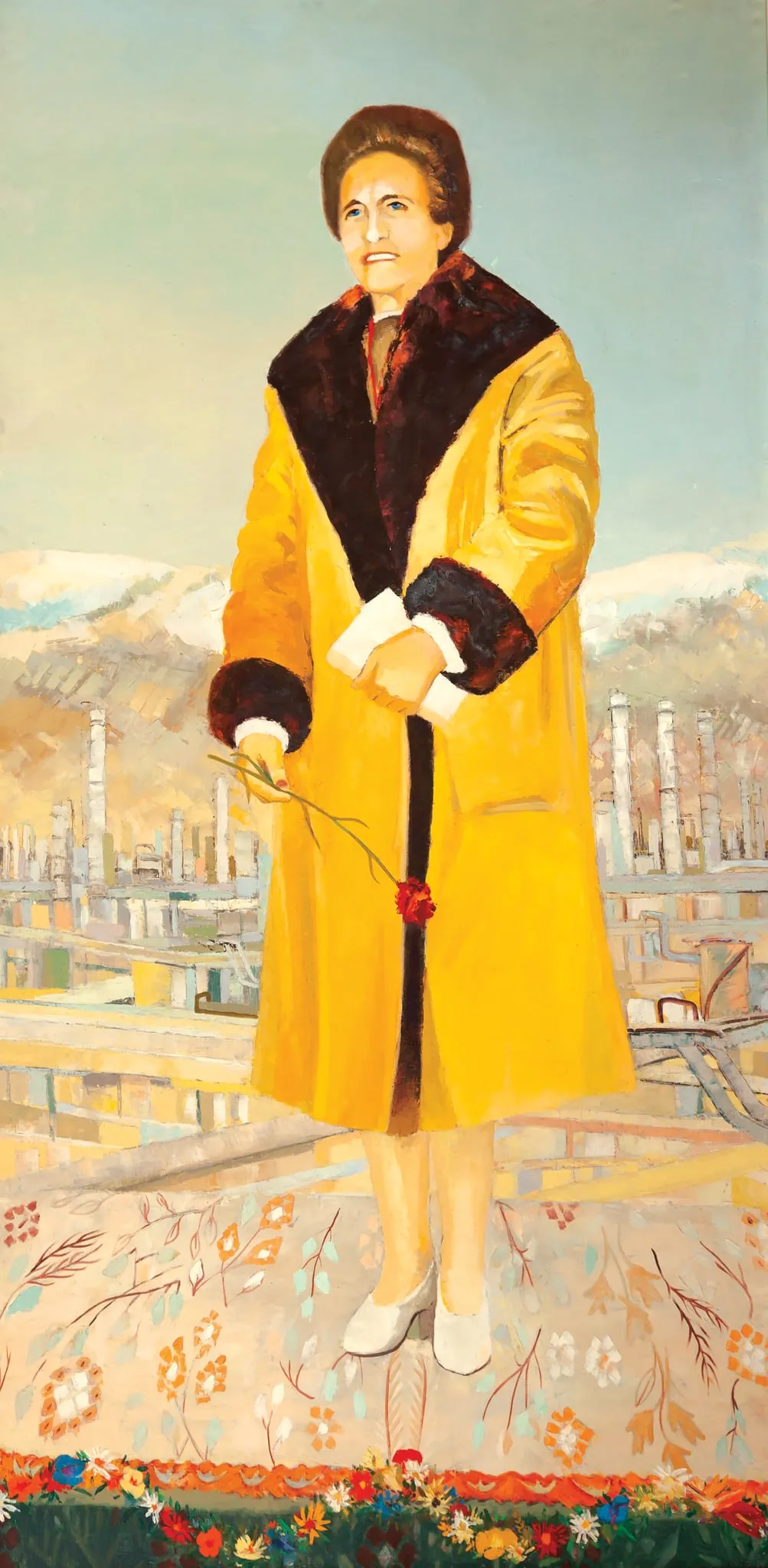
Tablou ulei pe pânză, „Elena Ceaușescu”, atribuit lui Ioan Florea, nedatat. Elena Ceaușescu îmbrăcată într-o haină de blană, este reprezentată pe un covor cu motive tradiționale din zona Mehedinți, pe fundal un combinat petrochimic, ținând în mâna dreaptă o garoafă roșie, iar în mâna stângă o carte (probabil lucrarea sa de doctorat). Tablou comandat de Comitetul Județean de Partid Mehedinți și oferit Elenei Ceaușescu cu ocazia aniversării vârstei de 70 de ani (ianuarie 1989). is a print by Ioan Florea. It is held in the collection of the National Museum of Romanian History.
About this work
Overview
Commissioned by the Mehedinți County Party Committee, the work was presented to her in January 1989 to mark her 70th birthday.
A portrait in oil on canvas, attributed to Ioan Florea, depicts Elena Ceaușescu in formal attire, standing before a composite background that fuses a real industrial landscape with a traditional woven carpet. Commissioned by the Mehedinți County Party Committee, the work was presented to her in January 1989 to mark her 70th birthday. The painting blends realism with symbolic elements, reflecting the political culture of late communist Romania.
Subject & Meaning
Elena Ceaușescu is shown holding a red carnation and a book, likely her doctoral thesis, to symbolize both personal cultivation and ideological authority. The fur-trimmed coat conveys status, while the Mehedinți-patterned carpet ties her to regional heritage. Behind her, a petrochemical plant suggests industrial progress under her stewardship. The juxtaposition of nature, tradition, and industry constructs a curated image of leadership rooted in national identity.
Technique & Style
The painting employs a realistic rendering of the figure, with careful attention to texture in the fur and fabric. The background, however, merges a painterly industrial scene with a stylized carpet, creating a surreal spatial disjunction. Colors are deliberately contrasted—vibrant red and gold against muted grays and browns—to direct focus to the subject. The composition resembles official portraiture of the era, prioritizing symbolism over naturalistic depth.
History & Provenance
Commissioned by the Mehedinți County Party Committee, the portrait was presented as a ceremonial gift during Elena Ceaușescu’s 70th birthday celebration in January 1989. Its creation was part of a broader state-driven effort to cultivate her public image. After the 1989 revolution, the painting was likely seized or transferred to state custody, though its current location remains unconfirmed in public records.
Context
The portrait emerged during the final years of communist Romania, when state-sponsored art increasingly served personality cults. Official portraits of Elena Ceaușescu often combined themes of intellect, maternal authority, and industrial progress. This work reflects the regime’s attempt to anchor her legitimacy in regional tradition, academic achievement, and economic modernization—all while distancing her from the brutality of the state apparatus.
Legacy
The painting stands as a relic of a political system that used visual culture to construct mythic identities. Its stylistic contradictions—realism fused with symbolic fantasy—highlight the tension between state propaganda and artistic autonomy. Today, it is studied less as art and more as a document of ideological performance, illustrating how power was visually encoded in late communist Romania.
Artist & collection
Artist
This painter got stuck with a weird job: flattering one of the 20th century’s most feared dictators.

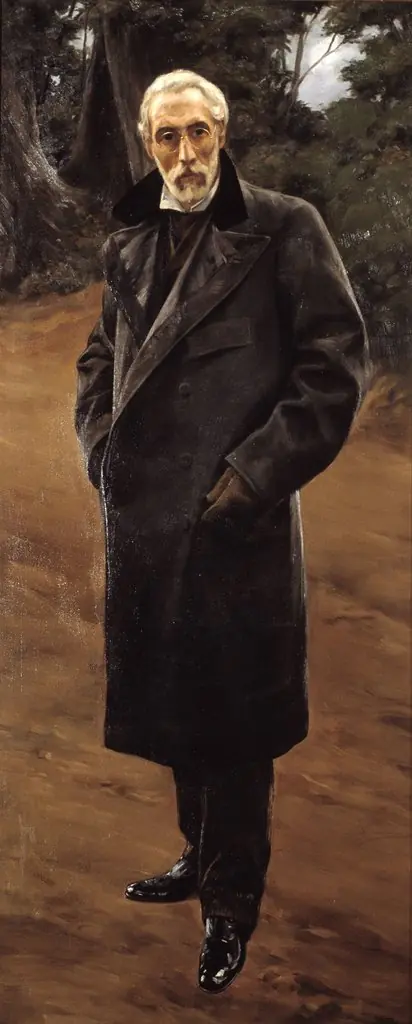 Self-portrait
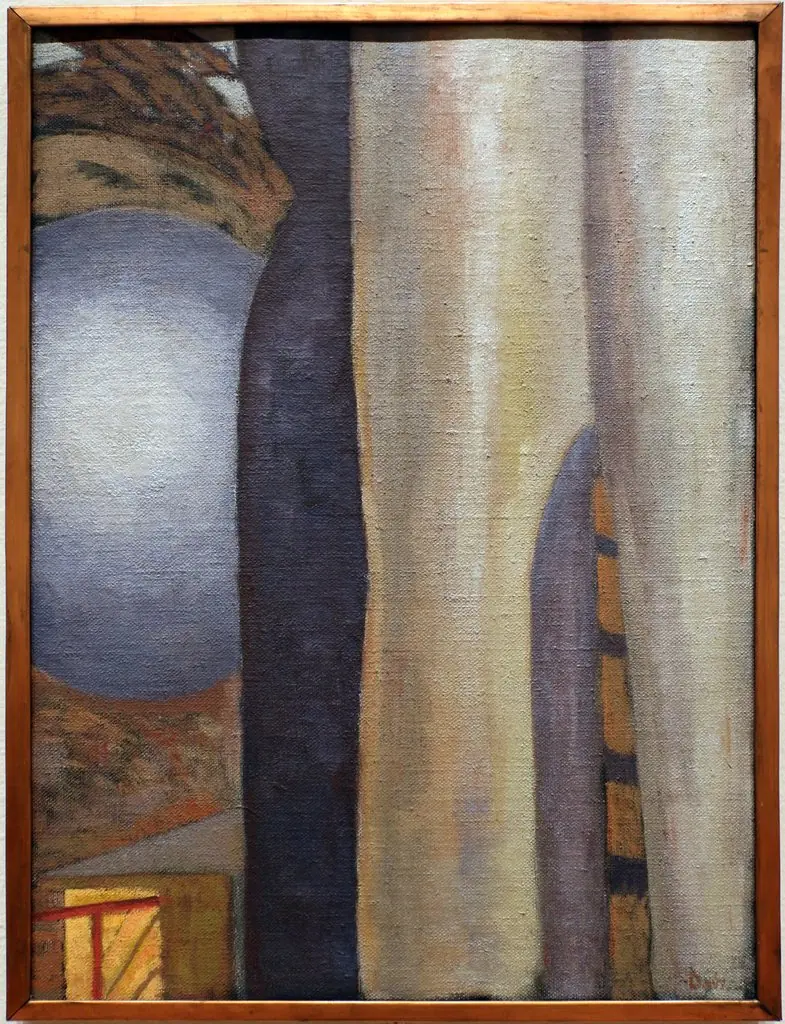 Silver Tanks
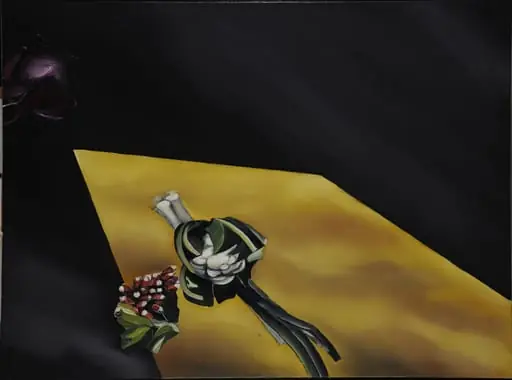 Rupture XVII
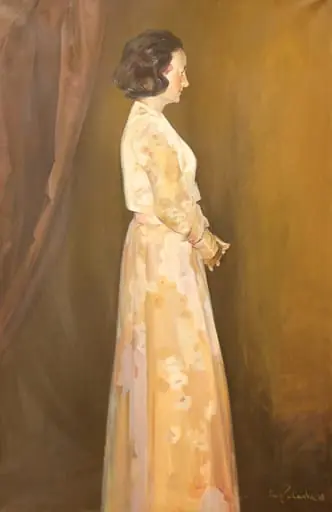 Tablou - portret întreg Elena Ceaușescu din profil, semnat și datat dreapta jos ”Eugen Palade 78”. Tablou comandat de Consiliul Culturii și Educației Socialiste și oferit în dar Elenei Ceaușescu la împlinirea vârstei de 60 de ani (ianuarie 1979).
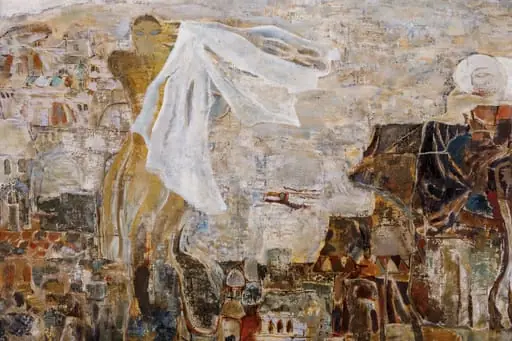 Victorie
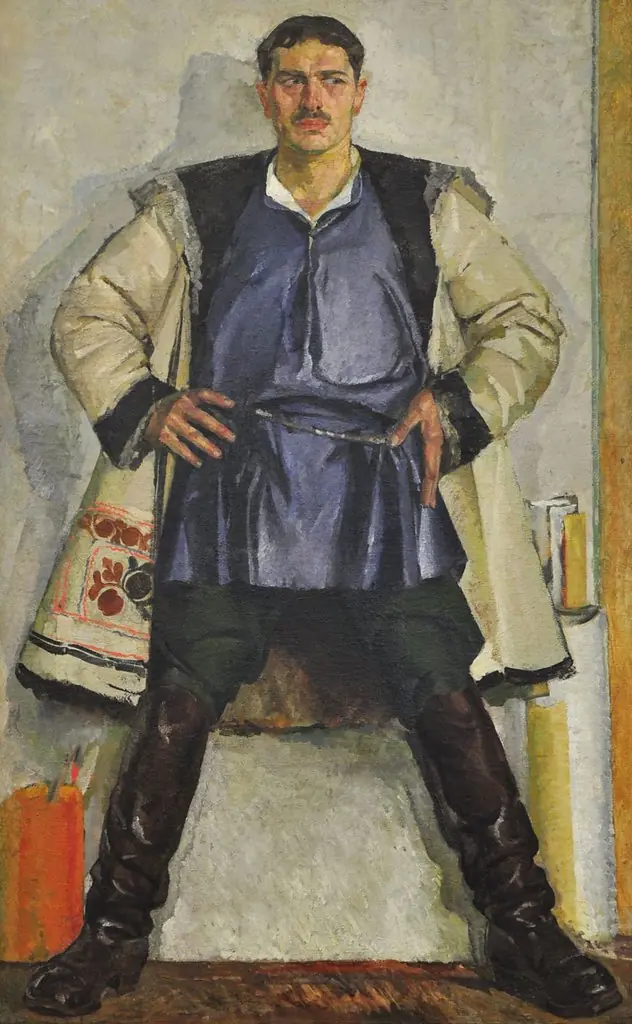 Self-portrait in a white coat
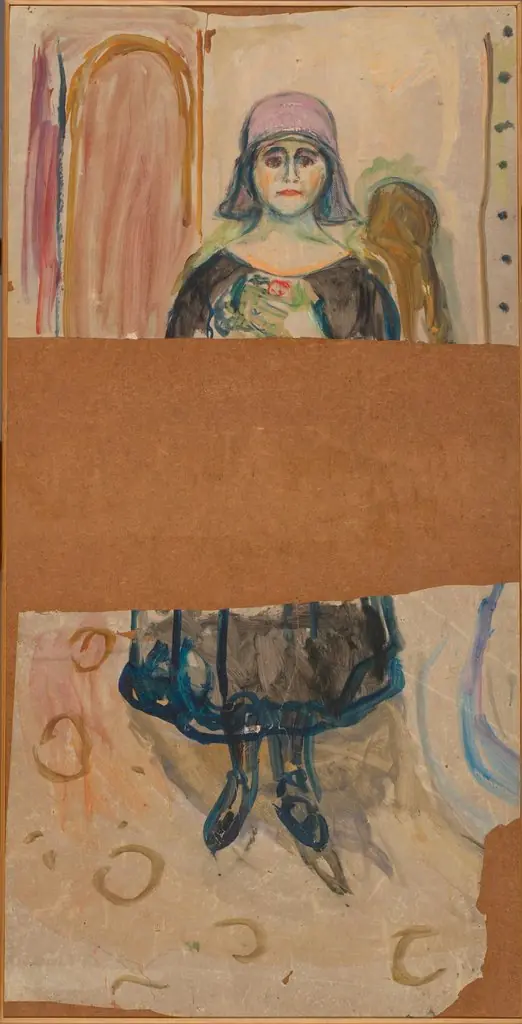 Charlotte Corday
 Untitled
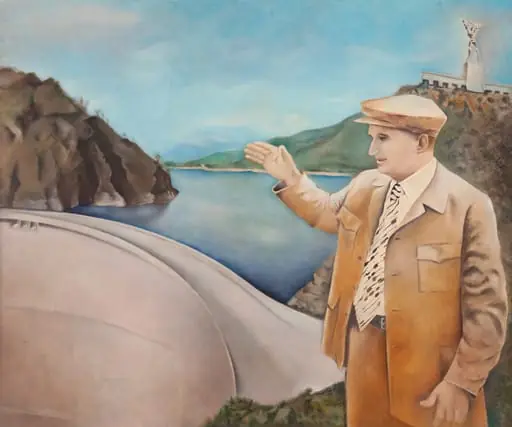 Tablou, ”Nicolae Ceaușescu la barajul Vidraru”, ulei pe pânză, nesemnat, atribuit lui Gheorghe Dobrică, nedatat. Tabloul îl înfățișază pe Nicolae Ceaușescu în timpul unei vizite de lucru la barajul Vidraru. În spatele lui Nicolae Ceaușescu statuia lui Prometeu. Construcția barajului s-a finalizat în anul 1965.Comandat și oferit de Comitetul Județean de Partid Argeș (1988).
 Untitled
 Untitled
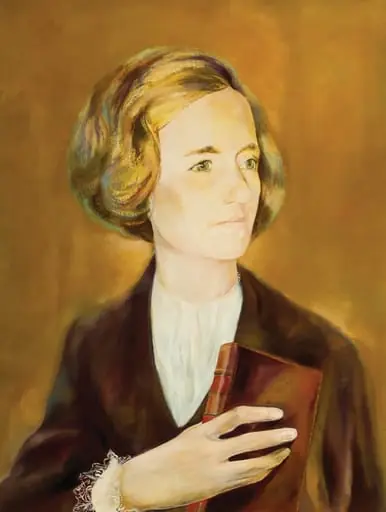 Tablou, ulei pe pânză, „Portret Elena Ceaușescu”, nedemnat, atribuit lui Zamfir Dumitrescu. Elena Ceaușescu este prezentată într-o postură contemplativă, ținând în mâna dreraptă un volum îmbrăcat în piele. Comandat și oferit de Consiliul Național al Femeilor, cu ocazia împlinirii vârstei de 60 de ani de către Elena Ceaușescu (5 ianuarie 1979).