Artwork
Tablou, ulei pe pânză, „Portret Elena Ceaușescu”, nedemnat, atribuit lui Zamfir Dumitrescu. Elena Ceaușescu este prezentată într-o postură contemplativă, ținând în mâna dreraptă un volum îmbrăcat în piele. Comandat și oferit de Consiliul Național al Femeilor, cu ocazia împlinirii vârstei de 60 de ani de către Elena Ceaușescu (5 ianuarie 1979).
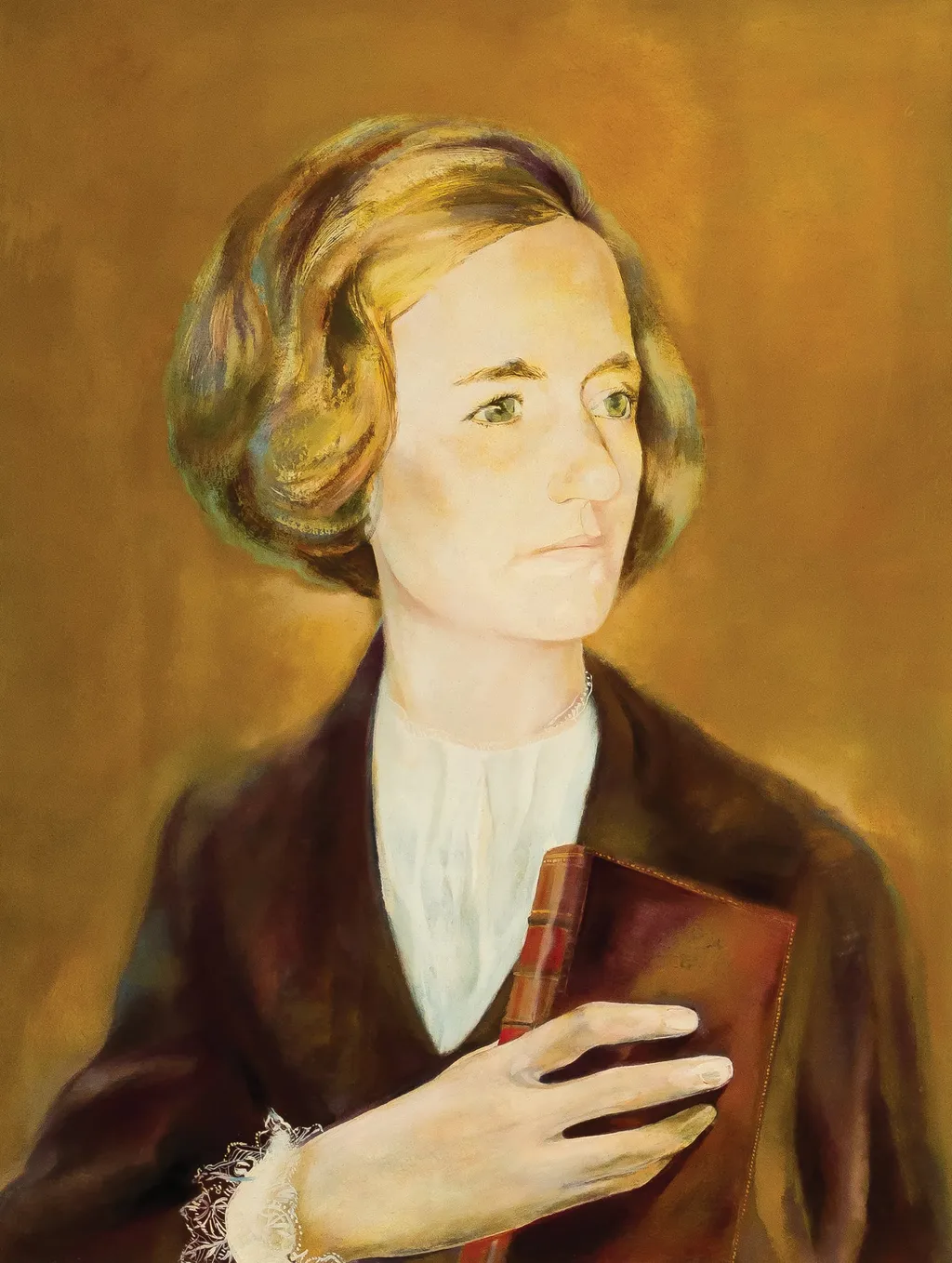
Tablou, ulei pe pânză, „Portret Elena Ceaușescu”, nedemnat, atribuit lui Zamfir Dumitrescu. Elena Ceaușescu este prezentată într-o postură contemplativă, ținând în mâna dreraptă un volum îmbrăcat în piele. Comandat și oferit de Consiliul Național al Femeilor, cu ocazia împlinirii vârstei de 60 de ani de către Elena Ceaușescu (5 ianuarie 1979). is a print by Zamfir Dumitrescu. It dates from 1979 and is held in the collection of the National Museum of Romanian History.
About this work
Overview
A portrait painted in oil on canvas in 1979, this unattributed work is commonly associated with Romanian artist Zamfir Dumitrescu.
A portrait painted in oil on canvas in 1979, this unattributed work is commonly associated with Romanian artist Zamfir Dumitrescu. It depicts Elena Ceaușescu in a quiet, introspective pose, holding a leather-bound volume in her right hand. Commissioned by the National Council of Women, the painting was presented as a tribute on her sixtieth birthday, reflecting the official cult of personality surrounding her at the time.
Subject & Meaning
Elena Ceaușescu is portrayed not as a political figure but as a cultivated intellectual, her stillness and the book suggesting erudition and moral authority. The absence of symbols of power—no medals, no official attire—shifts focus to an idealized femininity rooted in learning and composure. The gesture of holding the book implies a connection to culture and tradition, aligning her with state-promoted narratives of the enlightened woman leader.
Technique & Style
The painting employs soft, directional lighting to model the face and hands, creating subtle contrasts that draw attention to her expression and the texture of the book. The background is muted and warm, minimizing distraction. Brushwork is controlled and smooth, avoiding dramatic detail in favor of a serene, almost idealized realism. The chiaroscuro effect is restrained, serving to elevate the subject without theatricality.
History & Provenance
Commissioned by the National Council of Women, the portrait was presented to Elena Ceaușescu on January 5, 1979, marking her sixtieth birthday. It entered the state’s cultural apparatus as a ceremonial gift, likely displayed in official residences or institutions. Its attribution to Dumitrescu, while widely accepted, remains unconfirmed by signed documentation, and the work was never publicly exhibited outside state-controlled contexts.
Context
Created during the height of Nicolae and Elena Ceaușescu’s regime, the portrait reflects the state’s use of art to construct a mythos of benevolent leadership. Portraits of the first lady were common, often emphasizing her role as a patron of culture and mother of the nation. This image, devoid of overt propaganda, aligns with a broader trend of softening authoritarian imagery through domesticated, intellectual symbolism.
Legacy
After the 1989 revolution, the painting was removed from public display and entered state archives, where it remains as a historical artifact rather than a celebrated work. Its survival reflects the complex relationship between art and political power in communist Romania. Today, it is studied less for aesthetic merit than as a document of ideological representation and state-sponsored imagery.
Artist & collection
Artist
Zamfir Dumitrescu (15 April 1946 – 6 February 2021) was a Romanian painter. Zamfir Dumitrescu was born in Bucharest, Romania. He graduated in 1970 from the Nicolae Grigorescu Institute of Art Bucharest, the class of…

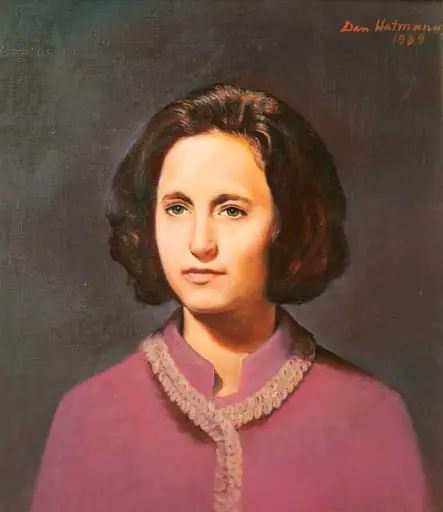 Tablou ulei pe pânză, , „Elena Ceaușescu”, semnat Dan Hatmanu și datat 1989 în partea dreaptă sus. Tabloul o înfățișază pe Elena Ceaușescu într-un costum cu volane în nuanțe de roz. Comandat de Consiliul Național al Femeilor și oferit Elenei Ceaușecu cu ocazia împlinirii vârstei de 70 de ani (ianuarie 1989).
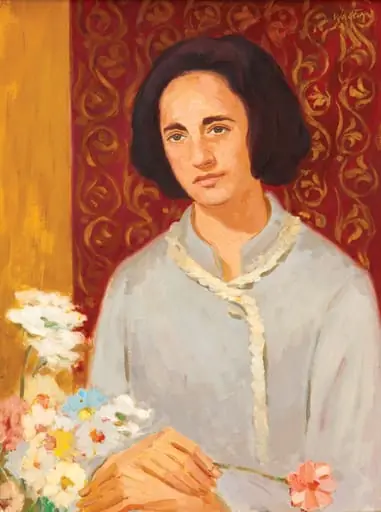 Tablou, ulei pe pânză, Portret Elena Ceaușescu, atribuit lui Fredric Bytoy. Elena Ceaușescu reprezentată înt-o atitudine melancolică alături de un buchet de flori. Comandat și oferit de Comitetul de Partid Maramureș, 7 ianuarie 1979.
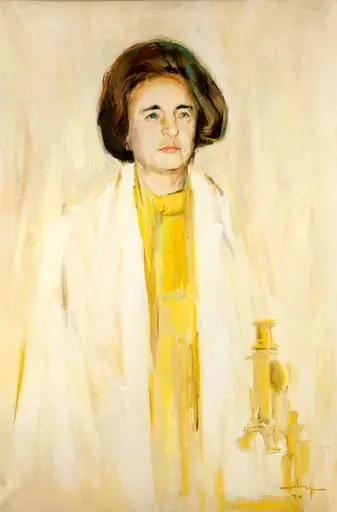 Tablou „Elena Ceușescu” semnat dreapta jos indescifrabil, atribuit lui Ion Țarălungă. Tabloul o prezintă pe Elena Ceaușescu într-o postură gravă de cercetător (halat alb și microscop alăturat). Comandat de Consiliul de Conducere al Ministerului Apărării Naționale și oferit Elenei Ceaușescu la 5 ianuarie 1979.
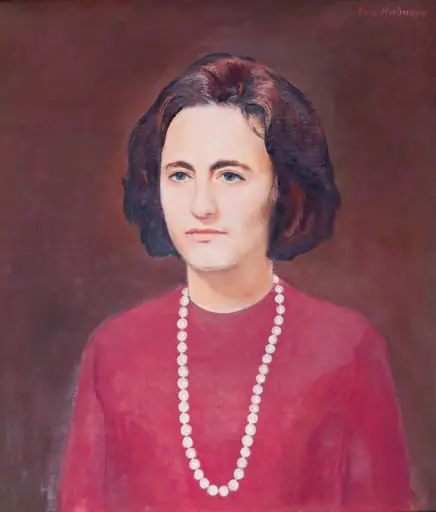 Tablou, ulei pe pânză, „Elena Ceaușescu”, semnat în partea dreaptă sus Dan Hatmanu. Oferit de autor, 6 ianuarie 1979.
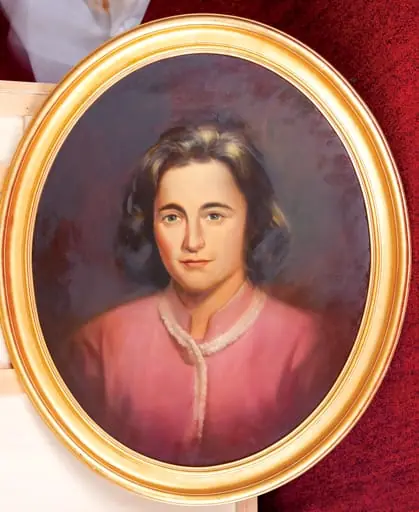 Tablou, ulei pe pânză, portret Elena Ceaușescu, atribuit Corneliu Brudașcu. Oferit de Uniunea Artiștilor Plastici (1979).
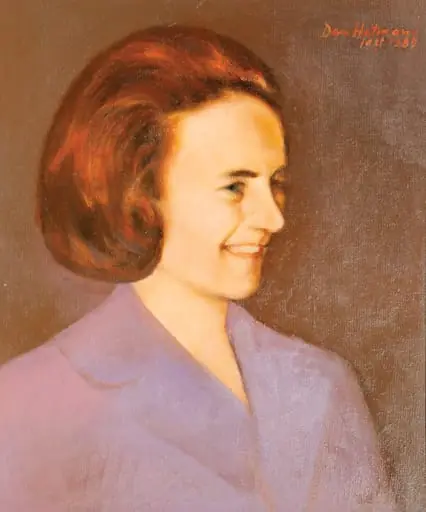 Tablou ”Portret Elena Ceaușescu” semnat Dan Hatmanu și datat dreapta sus.Ulei/pânză. Comandat de Comitetul Județean de Partid Iași și oferit cadou Elenei Ceaușescu cu ocazia aniversării a 70 de ani (ianuarie 1989).
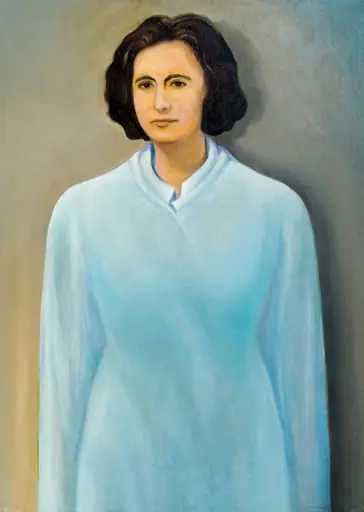 Tablou, ulei pe pânză, ”Portret Elena Ceaușescu”, nesemnat, atribui lui Nicolae Toma. Oferit de autor, cu ocazia zilei de naștere a Elenei Ceaușescu, Ploiești, ianuarie 1978.
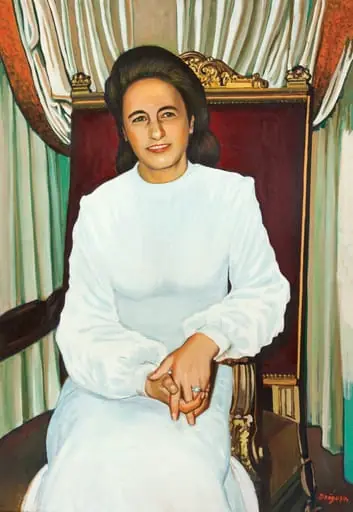 Tablou, ulei pe pânză, „Portret Elena Ceaușescu”, semnat Drăgușin în partea dreaptă jos, nedatat. Elena Ceaușescu, stând pe un scaun cu spătar înalt (jilț) într-o rochie elegantă de culoare albă. Comandat și oferit de Ministerul de Interne, 5 ianuarie 1979.
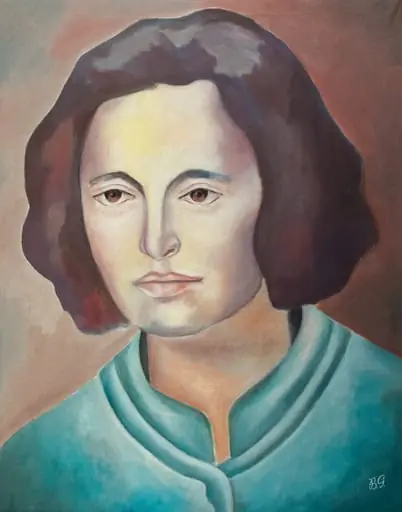 Tablou, ulei pe pânză, portret Elena Ceaușescu, semnat dreapta jos B.G. Comandat și oferit de Comitetul Județean de Partid Caraș Severin, 6 ianuarie 1979.
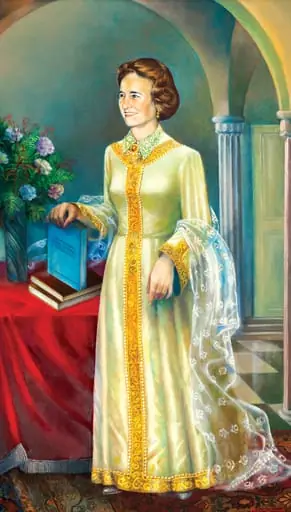 Tablou, ulei pe pânză, portret Elena Ceaușescu, semnat R. Constantinescu și datat în partea dreaptă jos. Elena Ceaușescu este reprezentată în ținută de pințesă medievală, pe fundal o sală cu arcade dând impresia unui palat; în mâna dreaptă a Elenei Ceaușescu lucrarea sa de doctorat ”Polimerizarea stereospecifică a izoprenului”. Comandat și oferit de Comitetul Județean de Partid Argeș (1983).
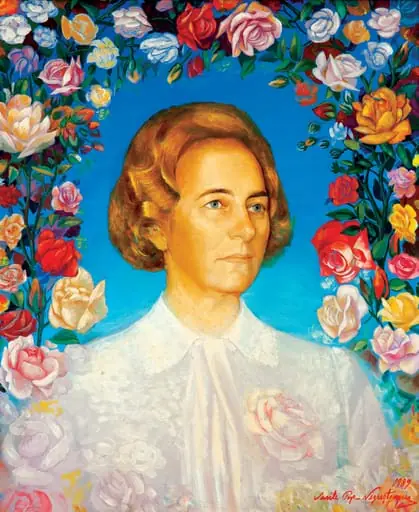 Tablou ”Omagiu” reprezentând-o pe Elena Ceaușescu. În dreapta jos, semnătura artistului și anul - ”Vasile Pop Negreșteanu, 1989”. Tablou comandat și oferit Elenei Ceaușescu de către Uniunea Asociațiilor Studenților Comuniști din România.
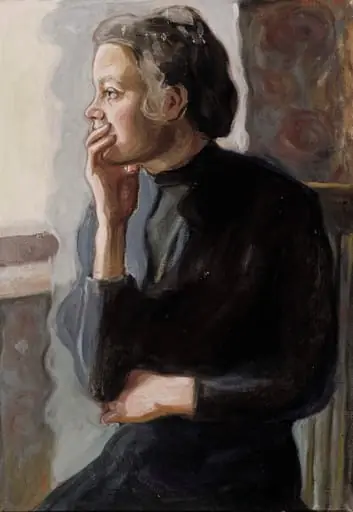 Akkunan ääressä
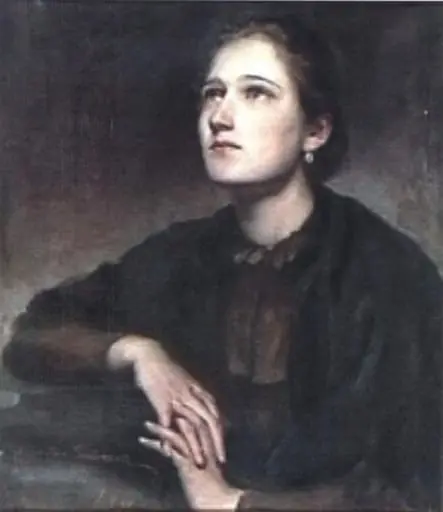 Portret de fată
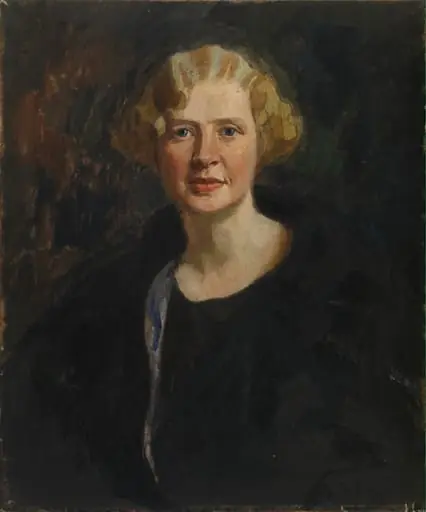 Ester Wegeliuksen os. Tawaststjernan muotokuva
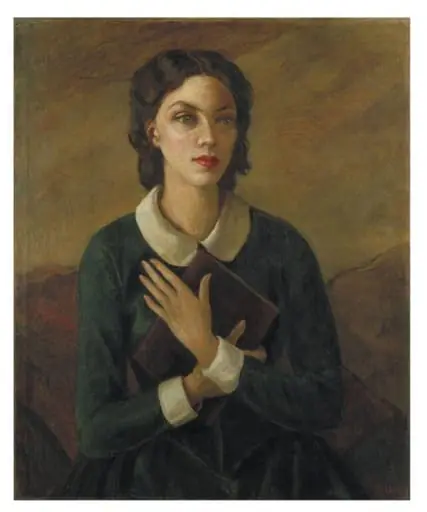 Dorothy Black as Emily Brontë in <i>The Brontës</i> by Alfred Sangster
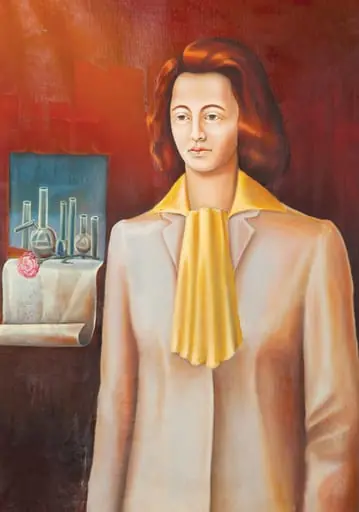 Tablou, ulei pe pânză, portret Elena Ceaușescu, nesemnat, nedatat. Elena Ceaușescu este reprezentată alături de recipiente folosite în laboratoare, alături de o diplomă și o garoafă roz. Comandat și oferit de Comitetul Județean de Partid Caraș Severin, 6 ianuarie 1979.