Artwork
European Sibyl
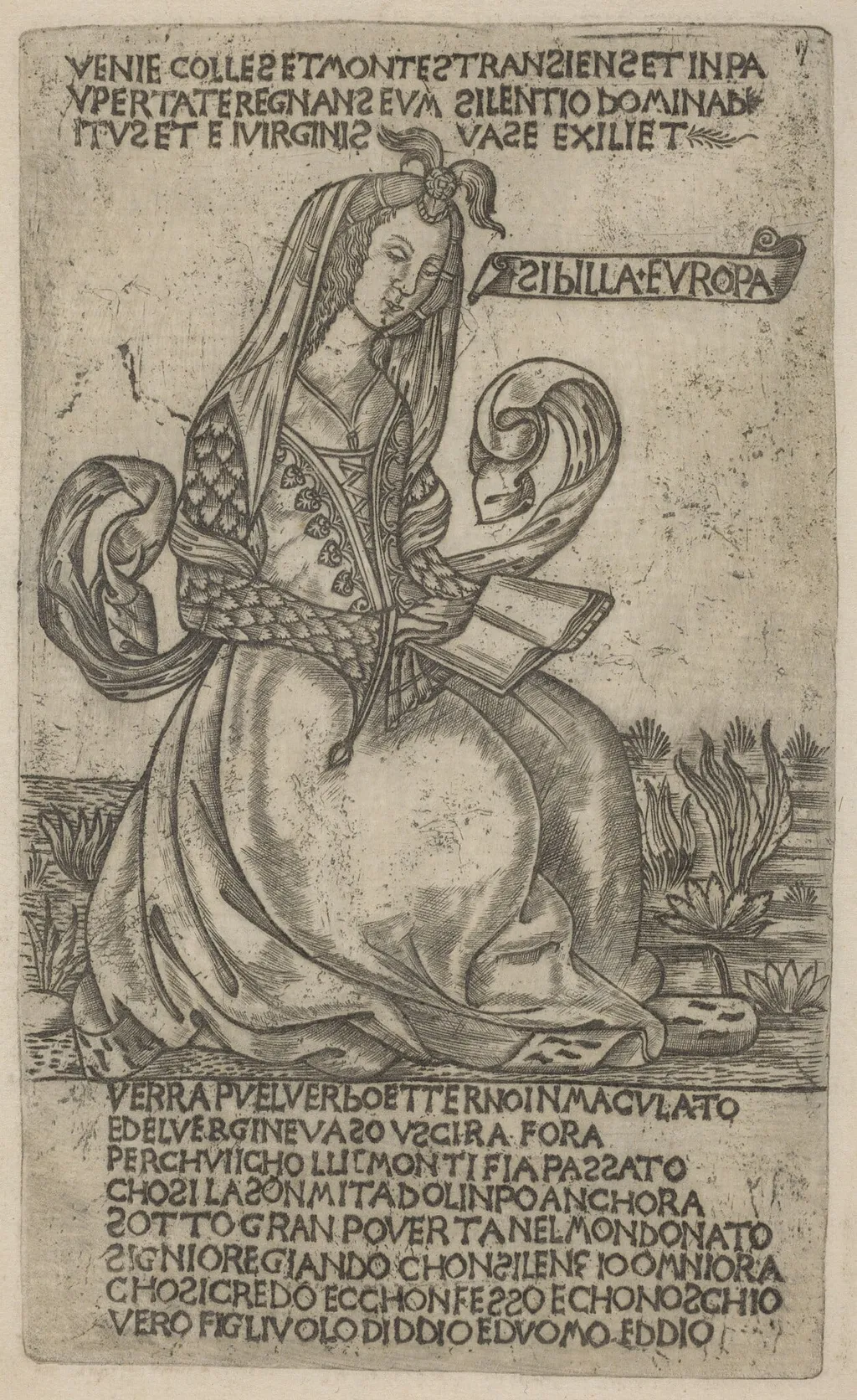
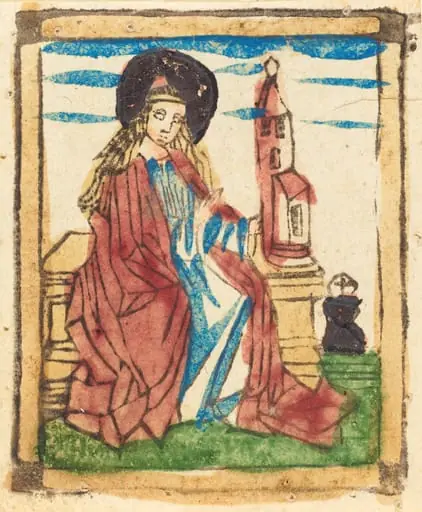
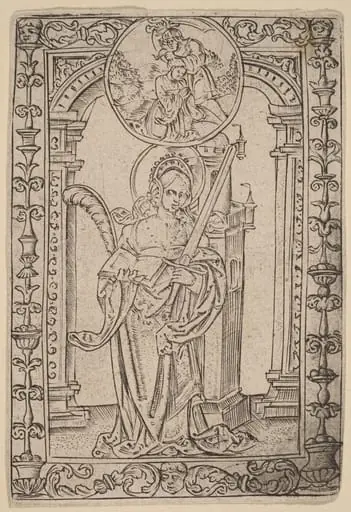
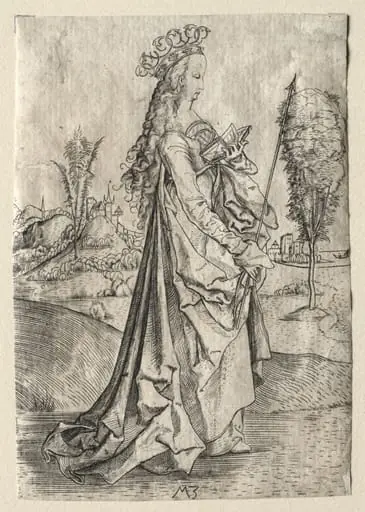
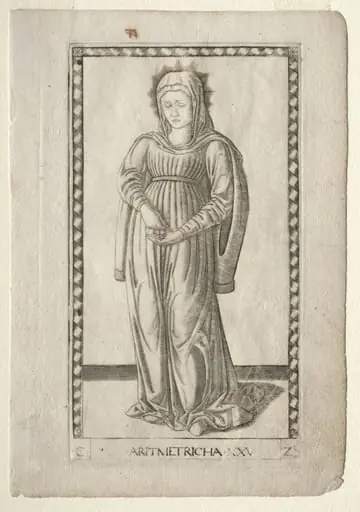
European Sibyl is an ink print by the Renaissance artist Italian 15th Century. It dates from 1401 and is held in the collection of the National Gallery of Art. This engraving portrays a female figure identified as a sibyl, a prophetic woman from classical antiquity, seated amid natural elements.
About this work
Overview
The work reflects Renaissance ideals of humanistic inquiry and classical revival, blending mythological subject matter with observed naturalism.
This engraving portrays a female figure identified as a sibyl, a prophetic woman from classical antiquity, seated amid natural elements. Rendered in fine linear detail, the composition emphasizes texture and spatial depth through meticulous cross-hatching. The work reflects Renaissance ideals of humanistic inquiry and classical revival, blending mythological subject matter with observed naturalism.
Subject & Meaning
The figure represents one of the ancient sibyls, oracles believed to foretell divine truths. Her seated posture, open book, and the small flame suggest contemplation and revelation. The surrounding flora implies a sacred, untamed space, reinforcing her role as a bridge between the earthly and the divine. Her ornate robe signals status and otherworldly wisdom, aligning with Renaissance interpretations of classical prophecy.
Technique & Style
The image is executed in engraving, a technique involving incised lines on a metal plate to transfer ink onto paper. Fine, controlled strokes create gradations of light and shadow, particularly in the folds of fabric and the texture of foliage. Cross-hatching builds volume without color, demonstrating the artist’s command of tonal modeling—a hallmark of Renaissance printmaking.
History & Provenance
Though the specific artist and origin are unrecorded, the style and subject align with mid- to late-15th-century Northern European prints influenced by Italian humanism. Such engravings were often produced for scholarly or devotional audiences, circulating among educated elites interested in classical lore and theological symbolism.
Context
During the Renaissance, sibyls were increasingly depicted alongside biblical prophets as witnesses to Christian truth, reflecting a synthesis of pagan and Christian traditions. Engravings like this served both aesthetic and didactic purposes, making complex ideas accessible through visual narrative and reinforcing intellectual currents of the era.
Legacy
This work exemplifies how Renaissance printmakers elevated technical precision to convey philosophical themes. Its survival offers insight into the transmission of classical imagery through reproductive art, influencing later depictions of prophetic women in both religious and secular contexts across Europe.
Artist & collection

Artist
This anonymous Italian engraver from the 1490s carved images that could be peeled apart like paper dolls—each knot in the "First Knot" print was cut from a single sheet so you could lift the loops right off the page.


![The Destruction of the Egyptian Idols [verso], by Italian 15th Century](https://artifactworldgallery.com/img/italian-15th-century--the-destruction-of-the-egyptian-idols-verso--646d3c2b8098cfee-w320.webp)
![The Flight into Egypt [recto], by Italian 15th Century](https://artifactworldgallery.com/img/italian-15th-century--the-flight-into-egypt-recto--8f4d5275d7f90f98-w320.webp)