Artwork
Playing Cards
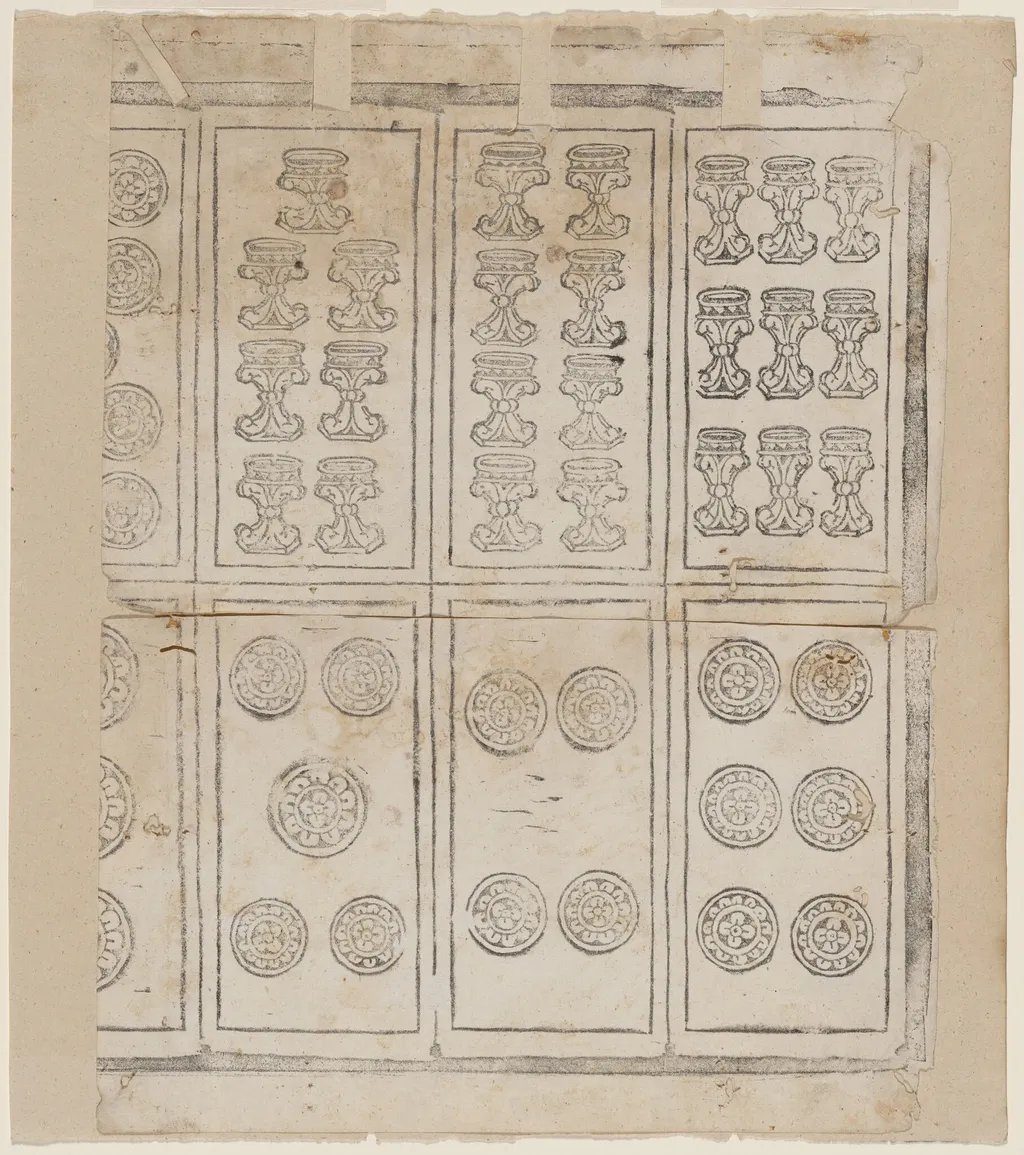
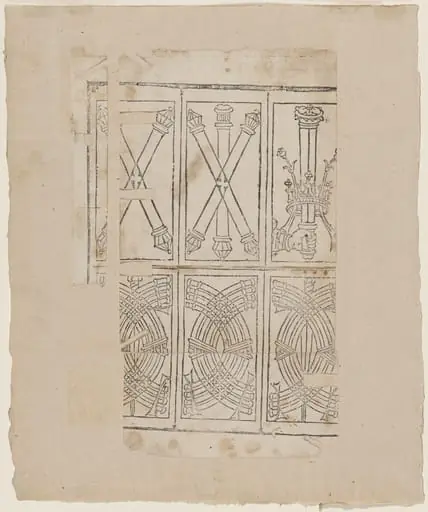
Playing Cards is an ink print by the Renaissance artist Italian 15th Century. It dates from 1470 and is held in the collection of the National Gallery of Art.
About this work
Overview
Playing Cards is a woodcut print that presents a repetitive, grid‑like arrangement of black‑and‑white motifs on a light field.
Playing Cards is a woodcut print that presents a repetitive, grid‑like arrangement of black‑and‑white motifs on a light field. The composition is divided into two halves: the upper six panels contain tall, narrow rectangles each holding a pair of stylised vase forms, while the lower six panels feature circular or rosette shapes, some rendered as simple discs with interior dots. A thin border of repeating circles encloses the whole design.
Subject & Meaning
The work does not depict narrative scenes but rather explores decorative patterning, echoing the ornamental designs often found on playing‑card backs. By juxtaposing vase silhouettes with floral‑type circles, the print suggests a balance between architectural and botanical motifs, inviting viewers to consider the visual rhythm of everyday objects turned into abstract decoration.
Technique & Style
Created with a single woodblock, the artist incised the entire composition in relief, applied ink to the raised surfaces, and transferred the image onto paper. The stark contrast of black ink against the paper’s natural tone highlights the crisp line work typical of early printmaking, while the repetitive geometry reflects the utilitarian aesthetic of mass‑produced card designs.
History & Provenance
Woodcut printing was a principal method for reproducing images before the advent of photography, and prints such as Playing Cards were often used to disseminate decorative patterns for commercial or instructional purposes. The specific provenance of this block is not recorded, but its style aligns with 19th‑century European print traditions that catered to the growing market for affordable visual material.
Context
During the period when woodcuts were widely employed, the rise of leisure activities like card games created demand for ornamental card backs. Artists responded by producing pattern books and standalone prints that could be adapted for manufacturers. Playing Cards fits within this broader cultural moment, where functional objects and decorative art intersected.
Legacy
Although not attributed to a famous master, the print exemplifies the practical and aesthetic qualities of woodcut production that influenced later graphic designers and typographers. Its clear, repeatable motifs continue to inform contemporary pattern design, demonstrating the enduring relevance of simple, reproducible visual language.
Artist & collection

Artist
This anonymous Italian engraver from the 1490s carved images that could be peeled apart like paper dolls—each knot in the "First Knot" print was cut from a single sheet so you could lift the loops right off the page.

![The Destruction of the Egyptian Idols [verso], by Italian 15th Century](https://artifactworldgallery.com/img/italian-15th-century--the-destruction-of-the-egyptian-idols-verso--646d3c2b8098cfee-w320.webp)
![The Flight into Egypt [recto], by Italian 15th Century](https://artifactworldgallery.com/img/italian-15th-century--the-flight-into-egypt-recto--8f4d5275d7f90f98-w320.webp)
 Twelve Studs
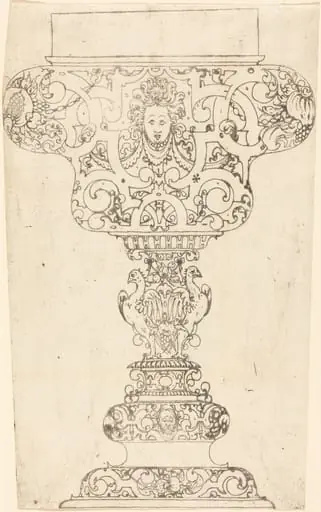 Ornament - Large Goblet
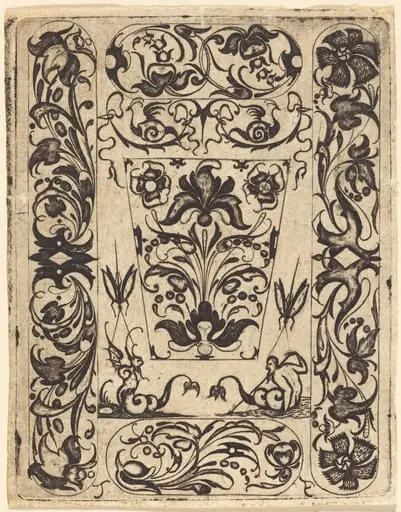 Ornament
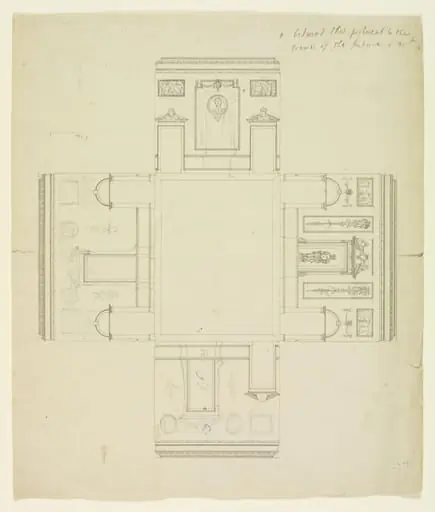 Elevations of the interior walls of the Hall, Combe Bank.
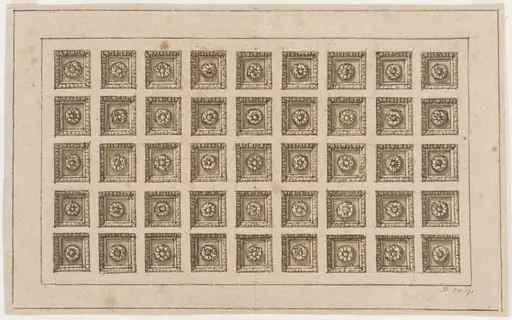 Design for a coffered ceiling
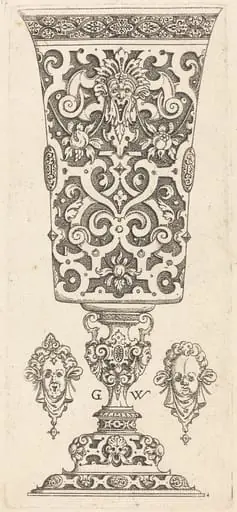 Goblet with base decorated with two large scallops
 Ornament Panel: Two Sphinxes and Two Children Holding Palms
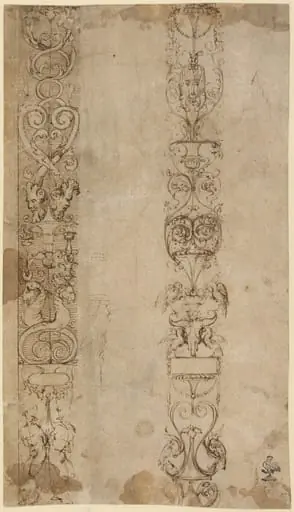 Grotteschi
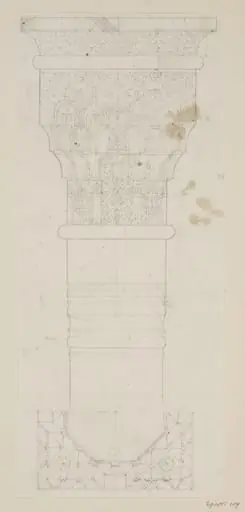 Drawing of capital
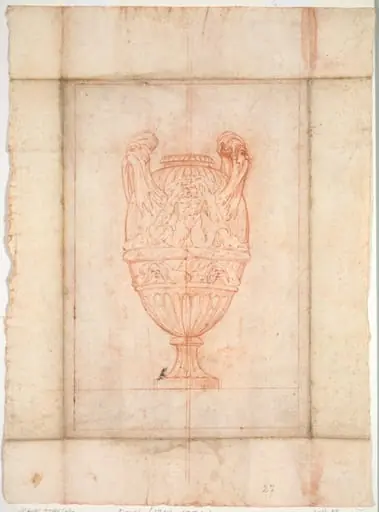 Vase Design for 'Suite of Vases': Plate 27
 Ornament Panel: Triton and Two Infant Satyrs
 Playing Cards