Artwork
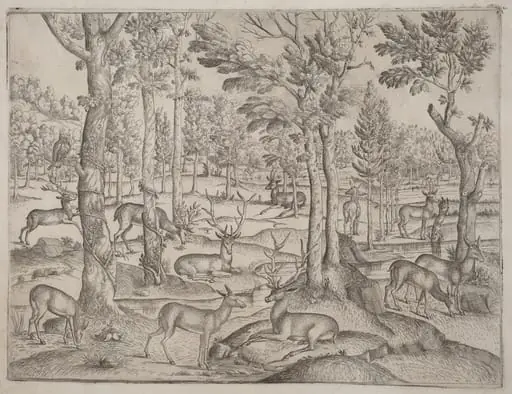
Animals from an Ancient Wall Painting [Plate III]
![Animals from an Ancient Wall Painting [Plate III], by Italian 16th Century, ink, 1547](https://artifactworldgallery.com/img/italian-16th-century--animals-from-an-ancient-wall-painting-plate-iii--14d3e3b797914853-w1024.webp)
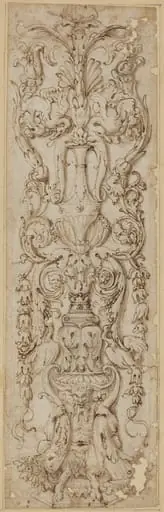
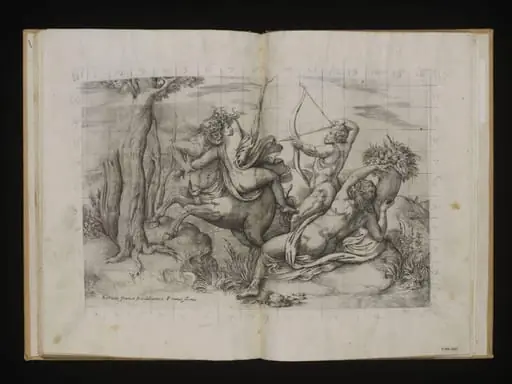
Animals from an Ancient Wall Painting [Plate III] is an ink print by the Renaissance artist Italian 16th Century. It dates from 1547 and is held in the collection of the National Gallery of Art.
About this work
Overview
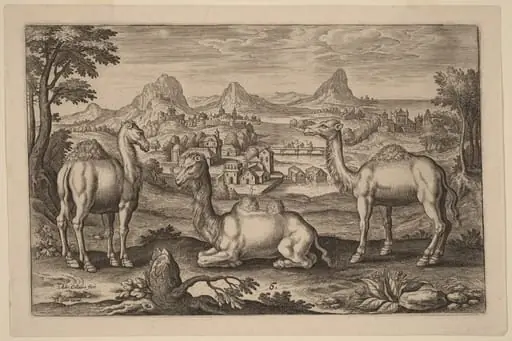
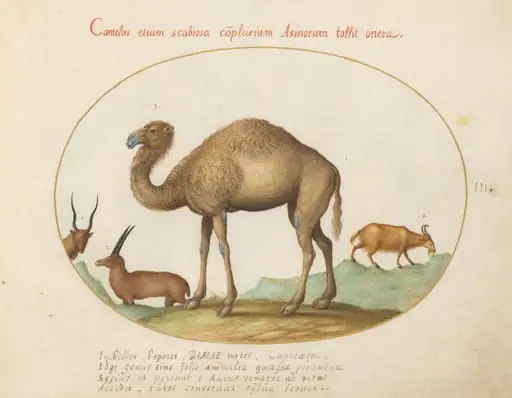
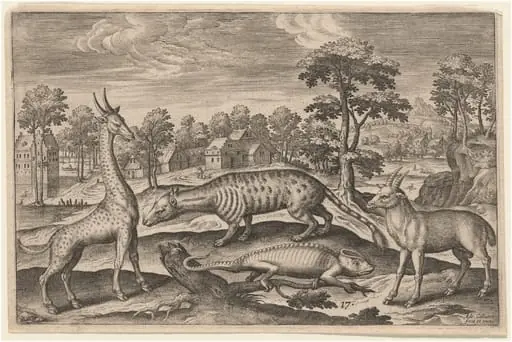
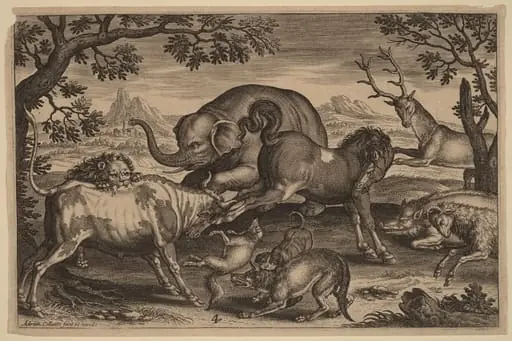
This 16th-century Italian engraving, titled 'Animals from an Ancient Wall Painting [Plate III]', reproduces a segment of an ancient wall painting, focusing on the detailed depiction of various animals.
Subject & Meaning
The engraving showcases a static yet lively assembly of animals, including horses, deer, and possibly a lion, carved into stone walls, highlighting the artistic interpretation of ancient fauna.
Technique & Style
Characterized by thin, clear lines reminiscent of fine pencil work, the engraving employs cross-hatching—a innovative technique for the 1500s—to achieve textured, near-three-dimensional representations of shadows and fur.
History & Provenance
Part of a notable Renaissance collection, the artwork's specific origins and ownership history prior to its current location are not detailed here, though it is associated with the National Gallery of Art, Washington.
Context
Created during the Renaissance, this engraving reflects the period's fascination with ancient art and the advancement of printmaking techniques, such as cross-hatching, which enhanced depth perception.
Legacy
While specific influence or renown of this particular engraving is not highlighted, it contributes to the broader legacy of Renaissance printmaking innovations and the enduring interest in ancient artistic subjects.
Artist & collection

Artist
A 16th-century Italian sculptor left us small bronze works in dark brown and gold.