Artwork
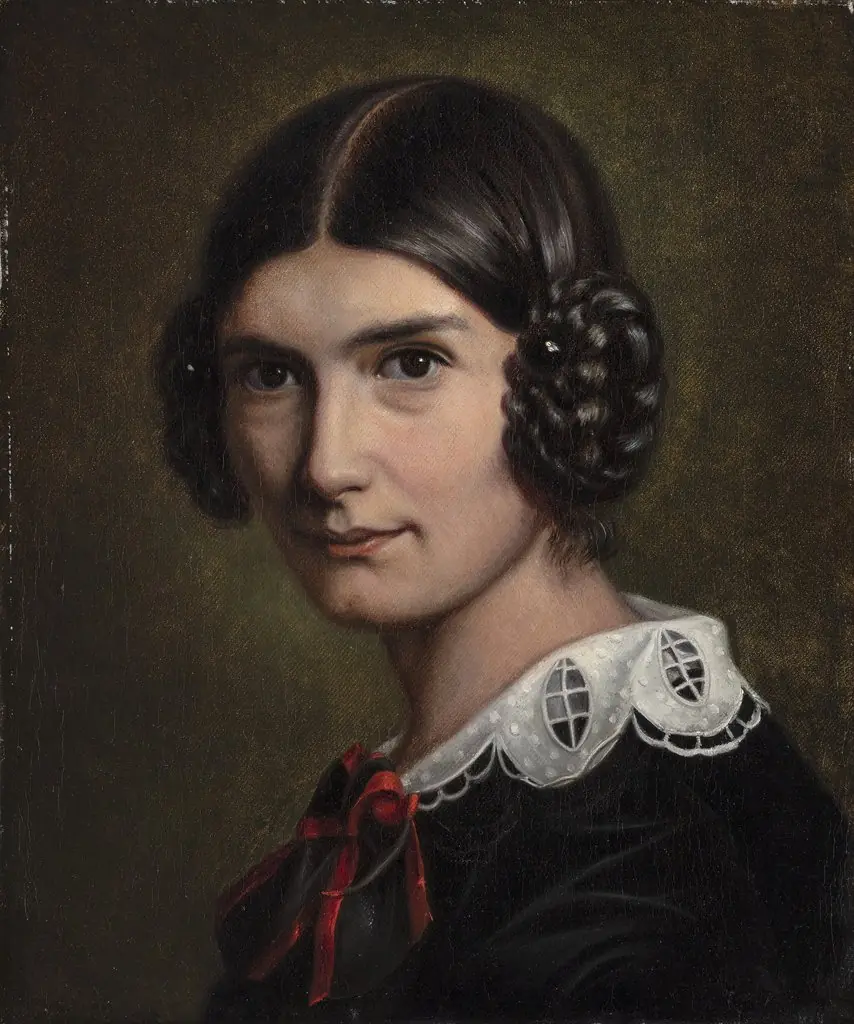
Woman with Lace Collar
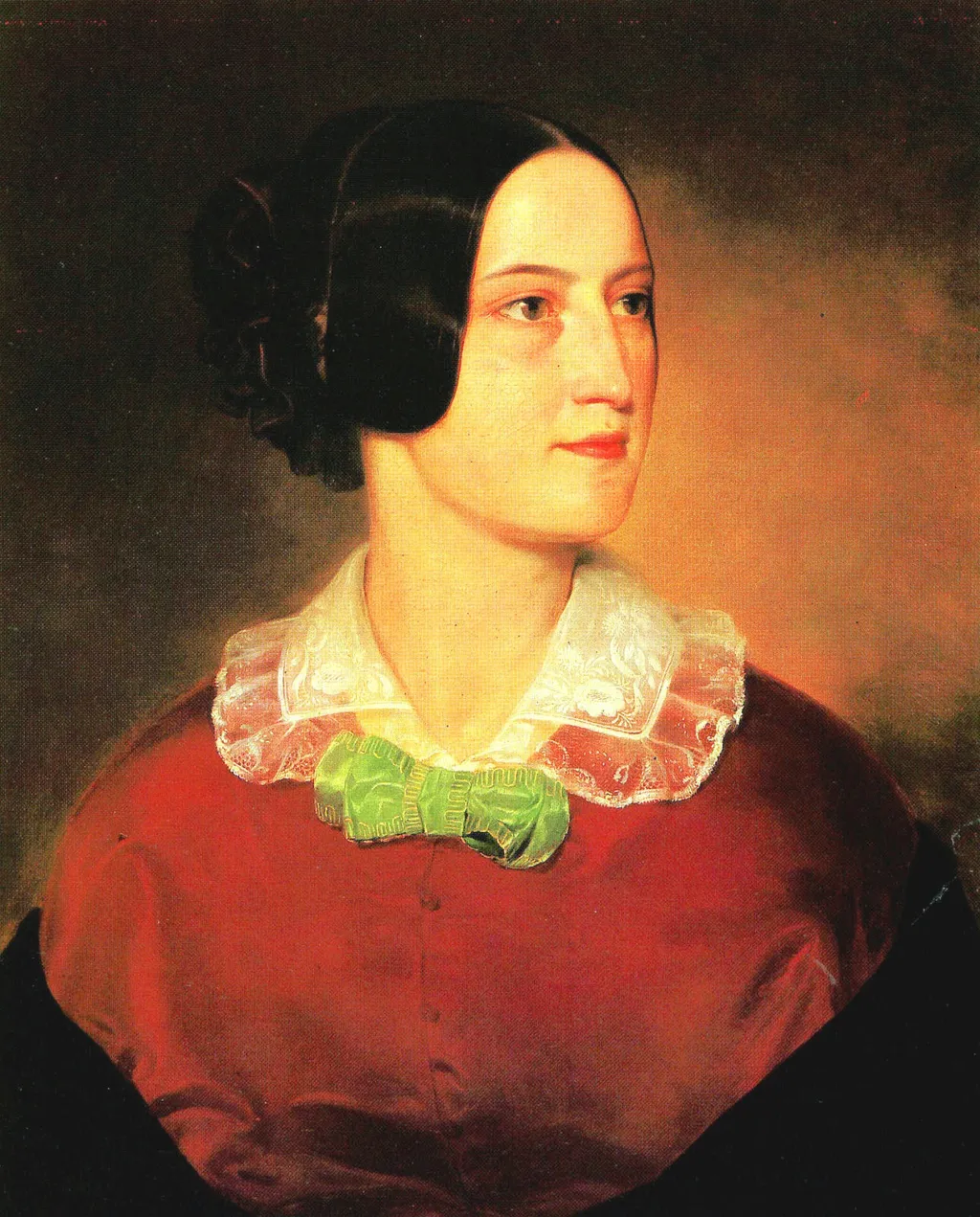
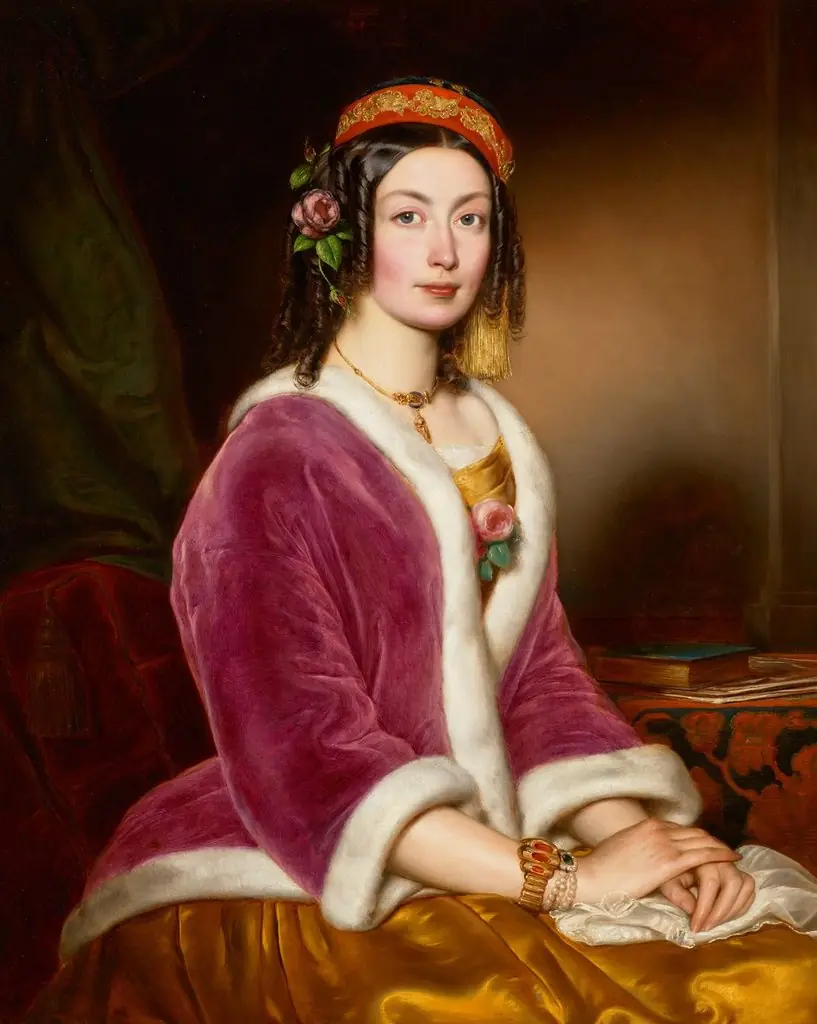
Woman with Lace Collar is an oil painting by the Realist artist József Borsos. It dates from 1850 and is held in the collection of the Hungarian National Gallery.
About this work
Overview
Executed in the Realist tradition, the work reflects a shift toward intimate, unidealized depictions of everyday individuals.
Painted around 1850 by Hungarian artist József Borsos, this oil portrait captures a woman in quiet repose. Executed in the Realist tradition, the work reflects a shift toward intimate, unidealized depictions of everyday individuals. Borsos, known for both painting and photography, applied his observational precision to this single-figure composition, emphasizing texture and subtle expression over narrative drama.
Subject & Meaning
The subject is a woman dressed in a rich red gown with a finely detailed white lace collar, her dark hair neatly arranged. Her gaze, slightly averted and composed, conveys introspection rather than direct engagement. The absence of identifying symbols or context invites focus on her presence alone, suggesting a quiet dignity rooted in personal rather than social status, consistent with Realist ideals of ordinary beauty.
Technique & Style
Borsos employed layered glazing to achieve depth in the fabric and skin tones, allowing light to modulate across the lace and silk. The warm, golden background recedes softly, enhancing the three-dimensionality of the figure. Brushwork is controlled yet fluid, particularly in rendering the lace’s fine threads and the subtle transitions of shadow on the face, reflecting a mastery of oil paint’s tactile potential.
History & Provenance
The painting entered the collection of the Hungarian National Gallery in the late 19th century, likely acquired as part of a broader effort to document national artistic output. Its attribution to Borsos is supported by stylistic parallels with his other portraits from the 1840s–1860s. No documented prior ownership or exhibition history beyond institutional custody is known.
Context
Created during the height of the Biedermeier influence in Central Europe, the work aligns with a cultural preference for domestic tranquility and refined simplicity. While Borsos was influenced by this aesthetic, his approach leans toward Realism, rejecting idealization in favor of observed truth. The portrait reflects a broader European trend of elevating private, non-noble subjects in art.
Legacy
Though not widely reproduced, the painting remains a key example of Hungarian Realist portraiture. It illustrates how regional artists adapted international movements to local sensibilities, emphasizing personal presence over grandeur. Its preservation in the Hungarian National Gallery underscores its role in shaping national artistic identity during a period of cultural consolidation.
Artist & collection
Artist
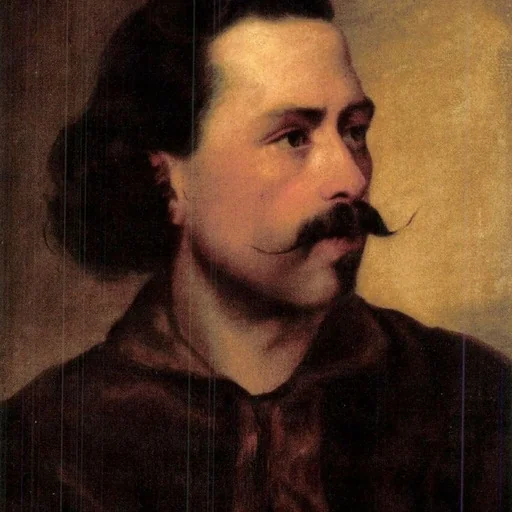
Jozsef Borsos (21 December 1821, in Veszprém – 19 August 1883, in Budapest) was a Hungarian portrait painter and photographer; best known for his genre paintings in the Biedermeier style.

 Tabitha Grace, gwraig John Rchrd Roberts
 Self-portrait
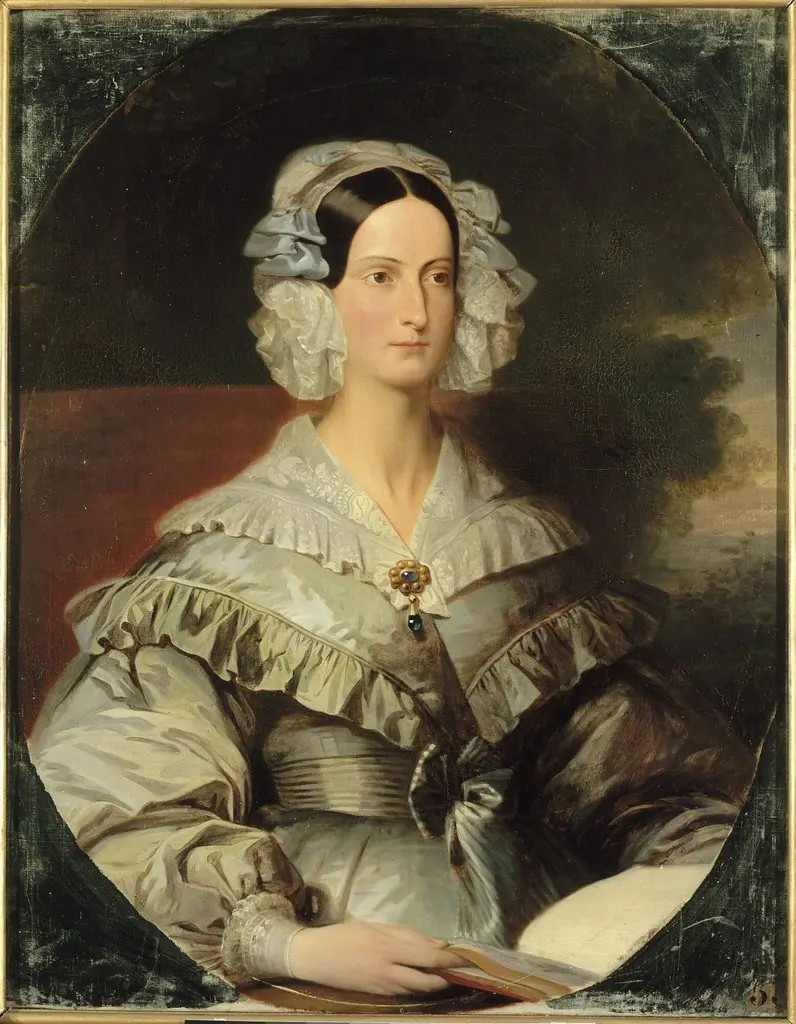 Marie-Christine-Caroline d'Orléans, Duchess of Würtemberg
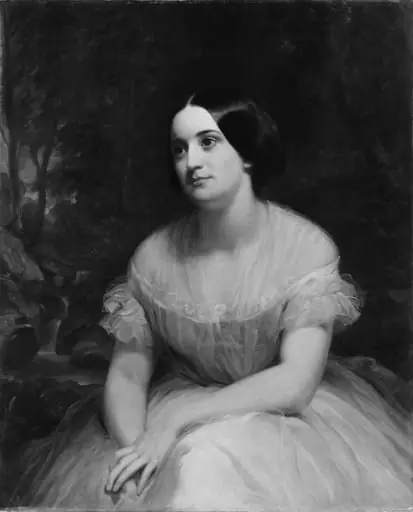 Mrs. James Clinton Griswold
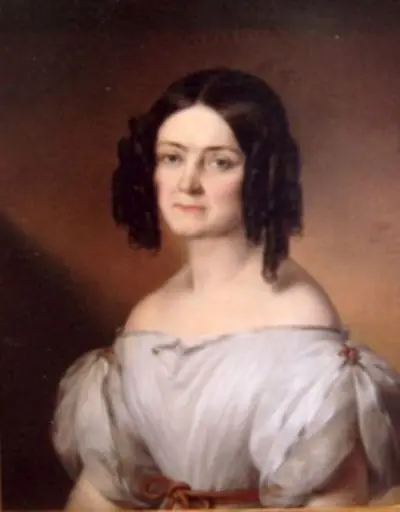 Portret
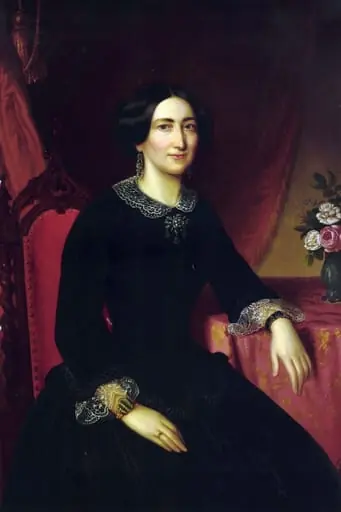 Portret de femeie
 Selvportræt
 Ellen Lloyd (of Ty Newydd, Llannor, Caernarfonshire)
 Retrato de Señora
 Portret de femeie
 Sarah Cornell Clarkson (Mrs. William Richmond)
 Portrait of Elizaveta Nikolaevna Odintsova