Artwork
Pytia
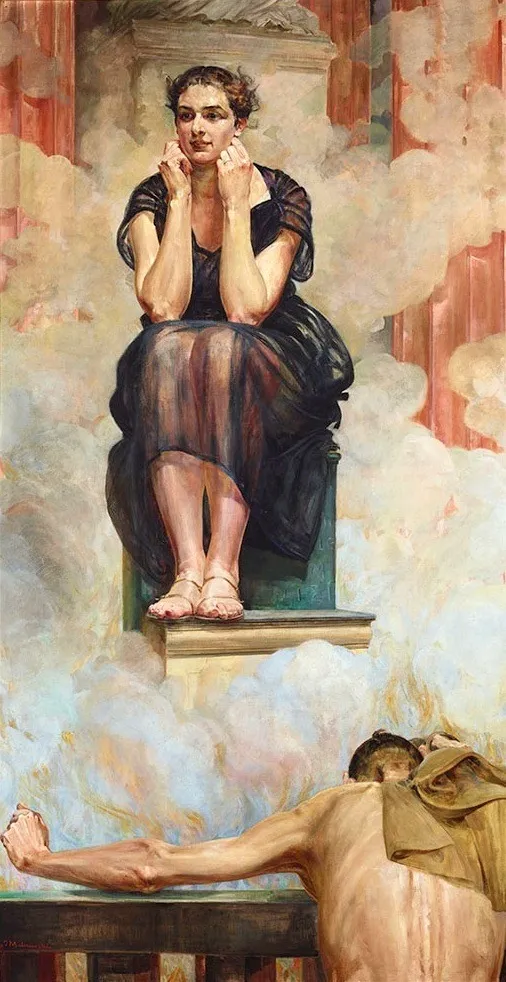
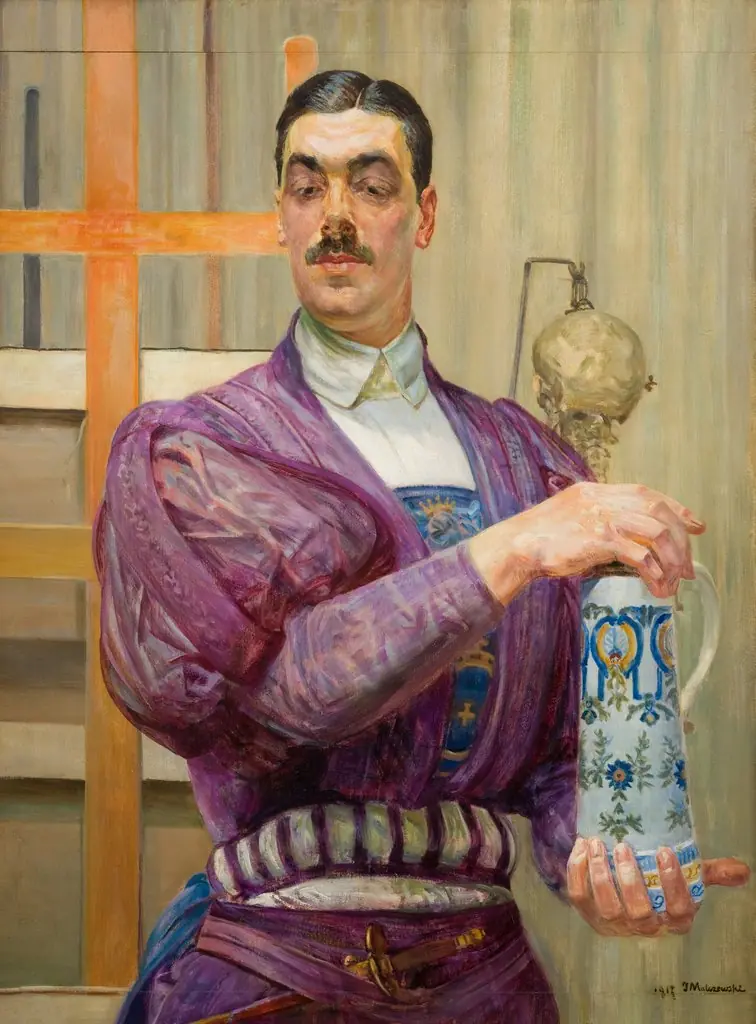
Pytia is an oil painting by Jacek Malczewski. It dates from 1917 and is held in the collection of the National Museum in Kraków.
About this work
Overview
Jacek Malczewski created the oil painting *Pytia* in 1917, during his mature period within the Young Poland movement. The work is part of the National Museum in Kraków’s collection. It presents a complex tableau that merges classical Greek myth with the artist’s ongoing investigation of national and personal identity.
Subject & Meaning
The central figure is a woman seated on a pedestal, her hands lifted to her face, evoking the ancient Pythia, the oracle of Apollo. Her contemplative pose and dark attire contrast with a reclining, pale‑bodied man in the lower right, suggesting a dialogue between prophetic insight and earthly repose, a theme recurrent in Malczewski’s myth‑laden oeuvre.
Technique & Style
Malczewski employs a pronounced chiaroscuro, allowing the luminous clouds and the reddish‑brown wall behind the figures to recede while the foreground subjects remain sharply modeled. The dark dress of the woman and the pallor of the man generate a stark tonal opposition, enhancing the spatial depth and emphasizing the psychological tension within the scene.
History & Provenance
Painted toward the end of World War I, *Pytia* reflects Malczewski’s synthesis of contemporary symbolism with classical references. After its creation, the canvas entered the holdings of the National Museum in Kraków, where it remains on display as a representative example of the artist’s contribution to early twentieth‑century Polish art.
Artist & collection
Artist
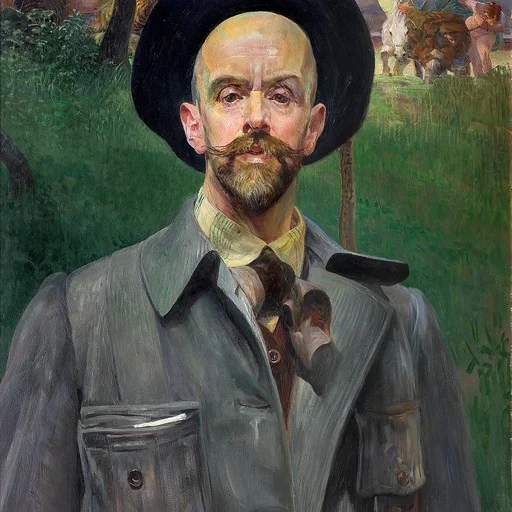
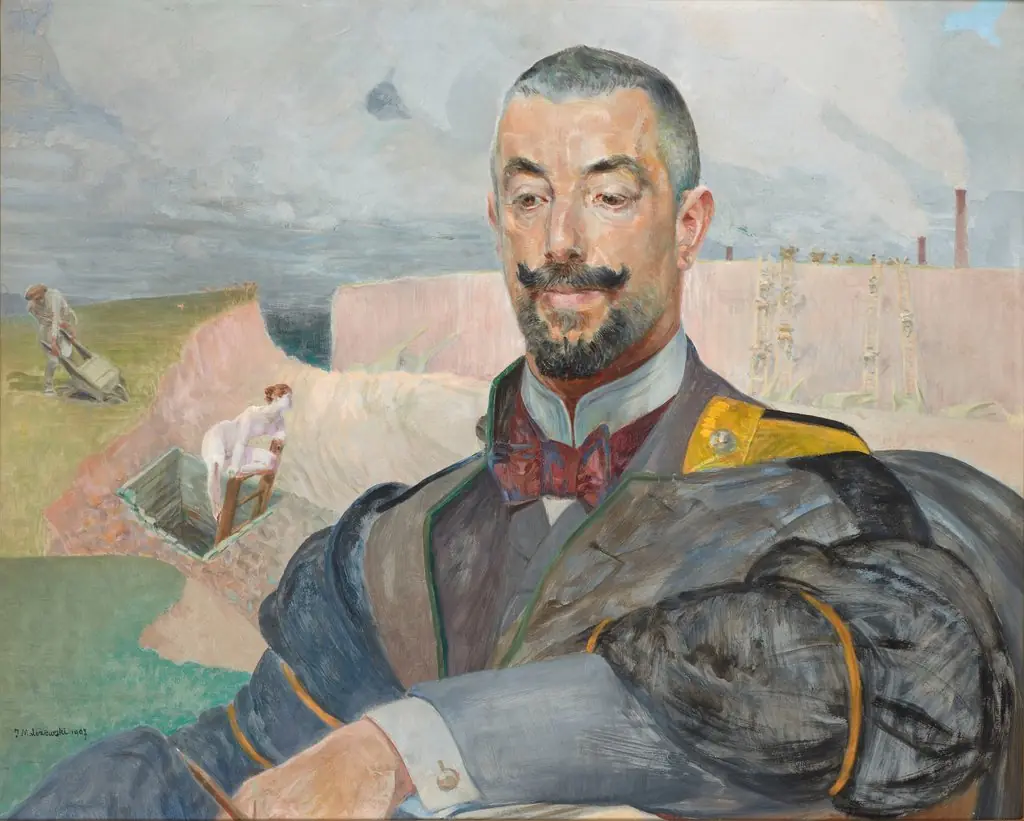
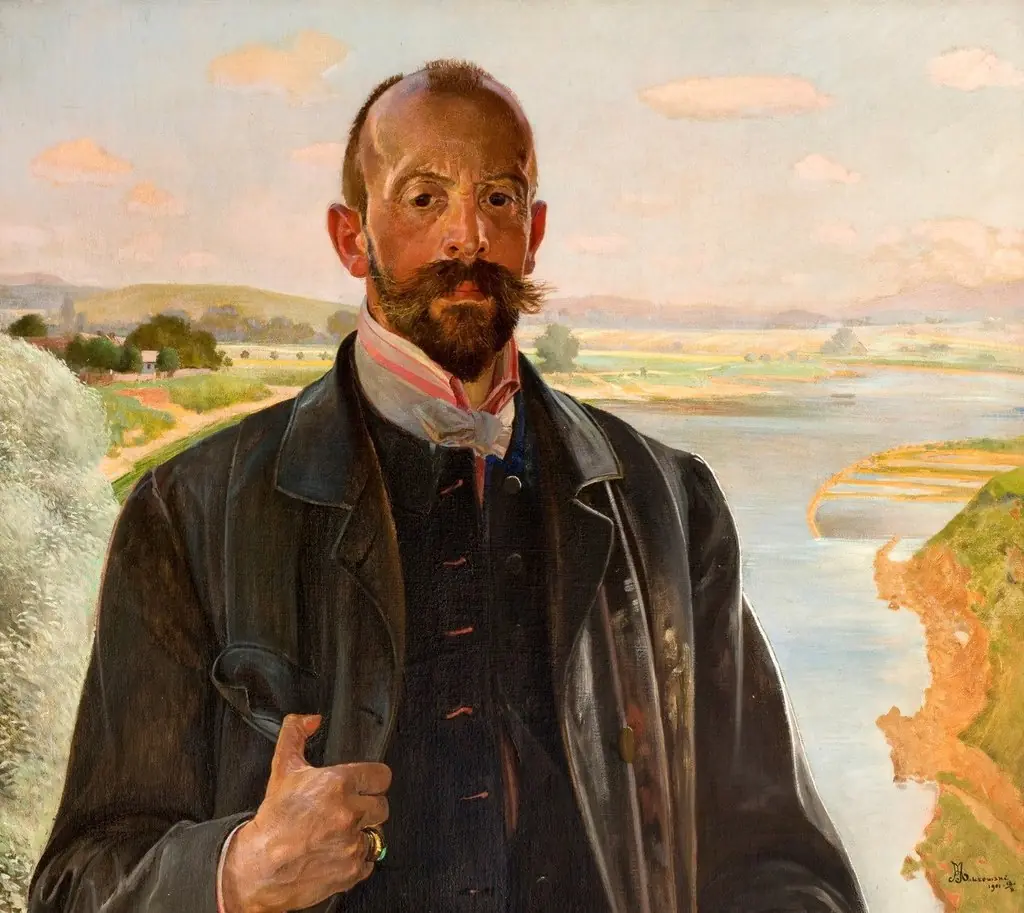
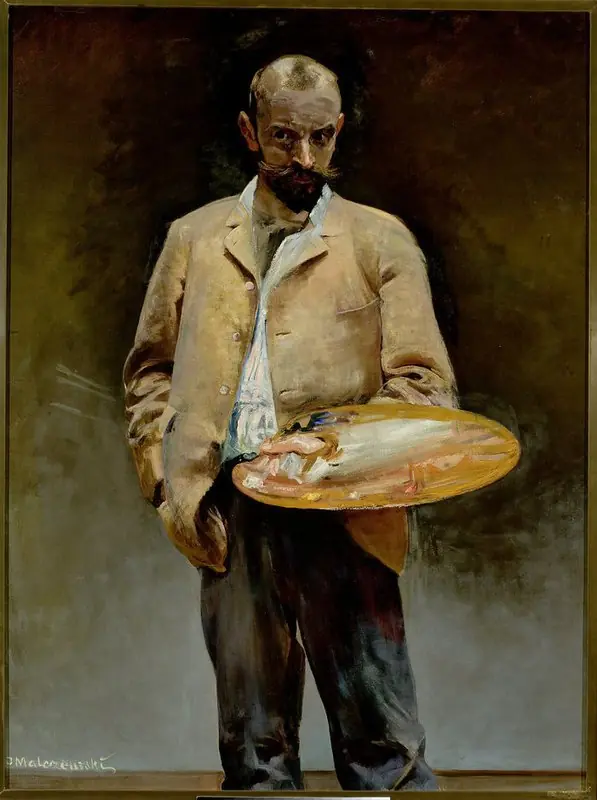
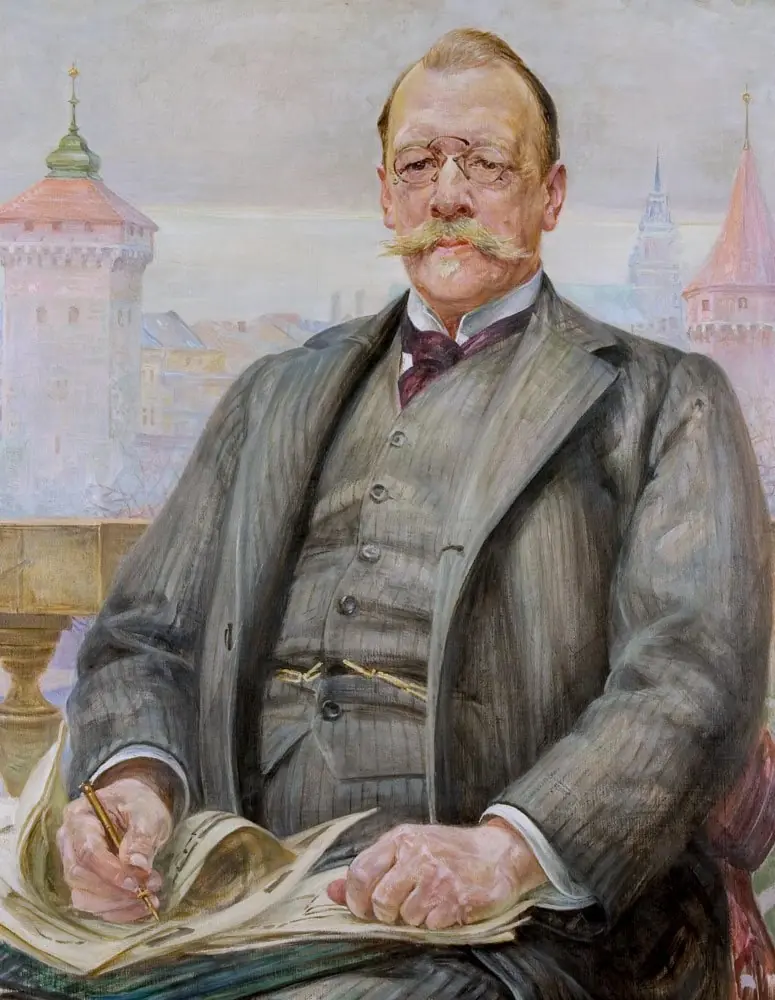
Jacek Malczewski (Polish: ; 15 July 1854 – 8 October 1929) was a Polish symbolist painter who was one of the central figures of the patriotic Young Poland movement.

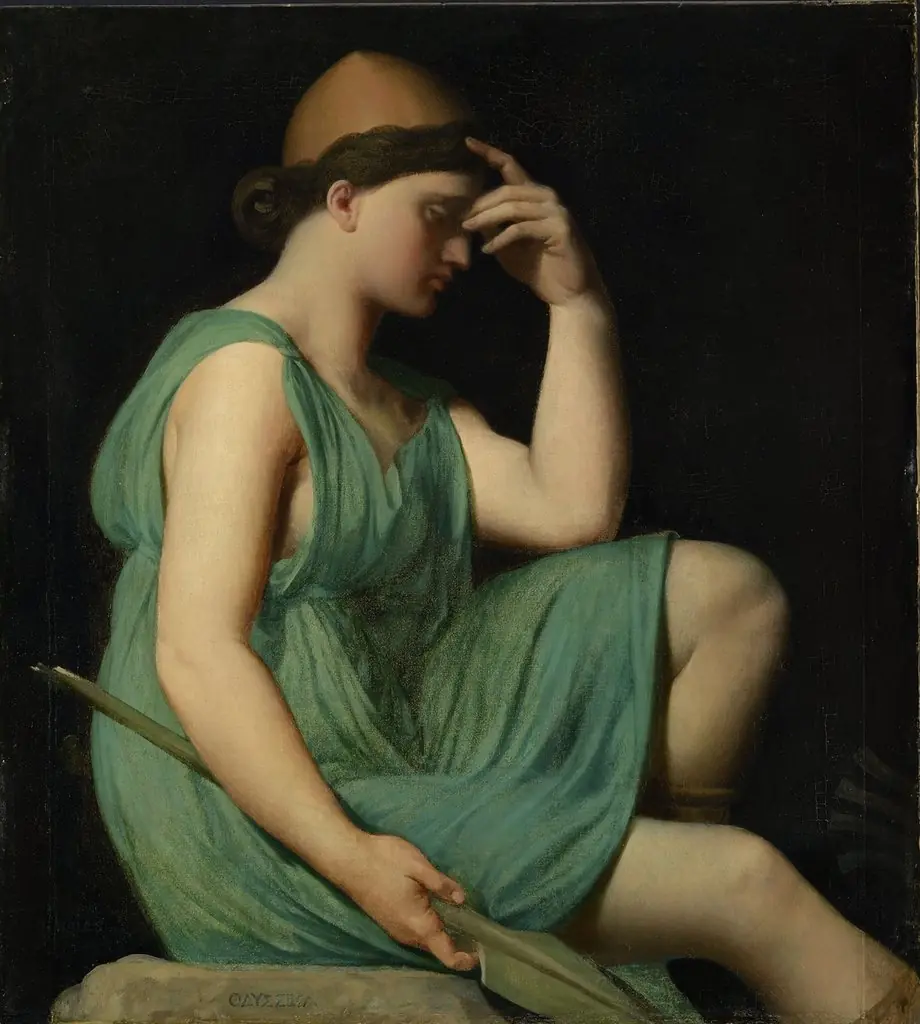 The Odyssey
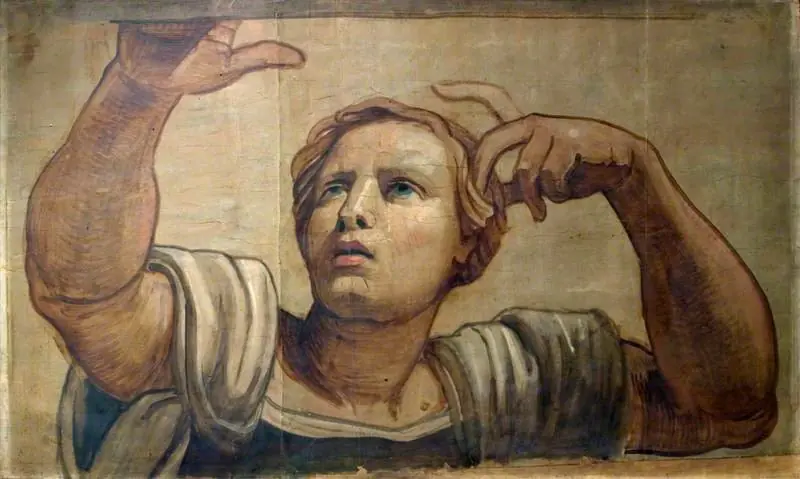 The Prophet Daniel (study for a mosaic in St Paul's Cathedral)
 A Bacchante
 Standing Female Figure (decorative panel)
 Saint Barbara
 Winged Figure
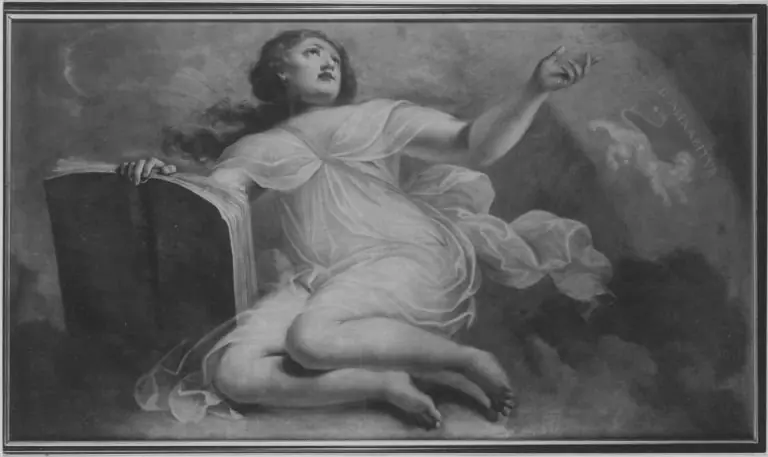 Allegorie der Weisheit
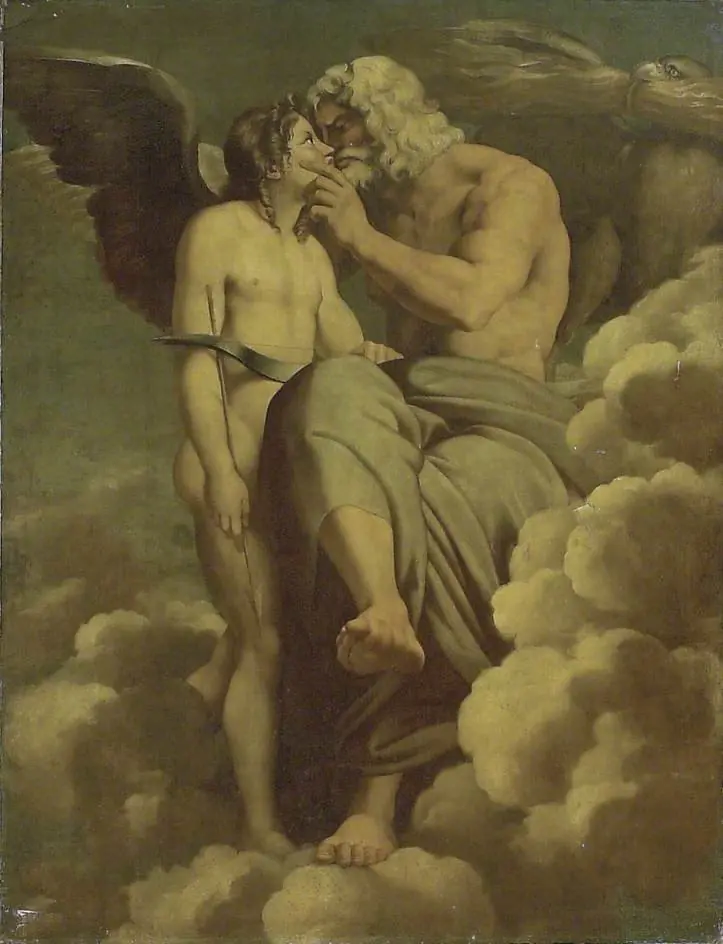 Jupiter and Cupid
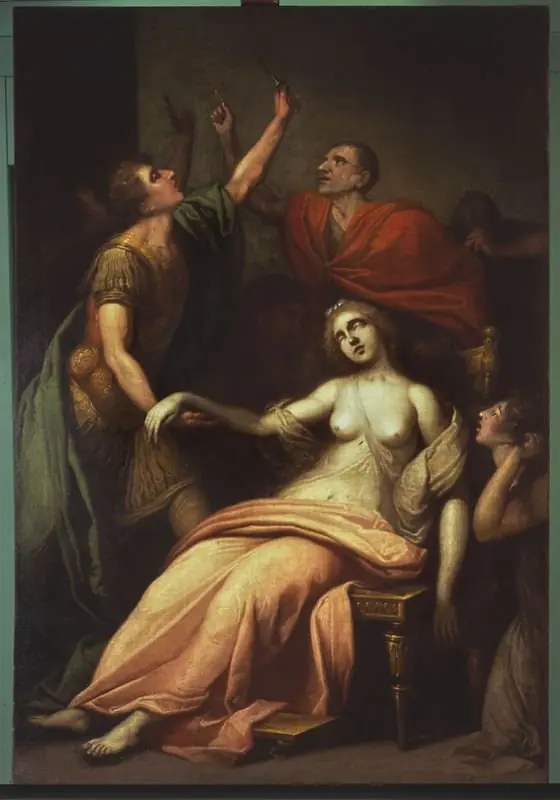 Death of Lucretia
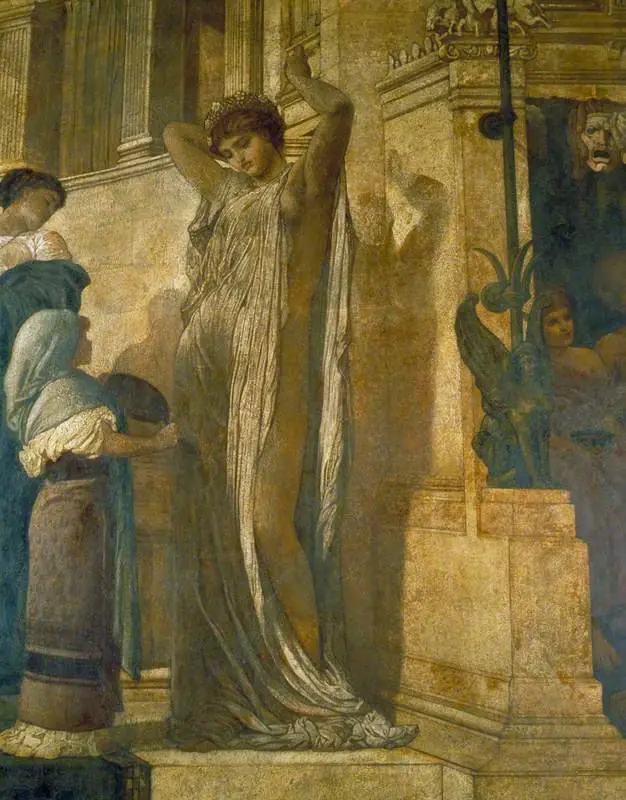 The Arts of Industry as Applied to Peace (sketch for a wall painting in the Victoria and Albert Museum)
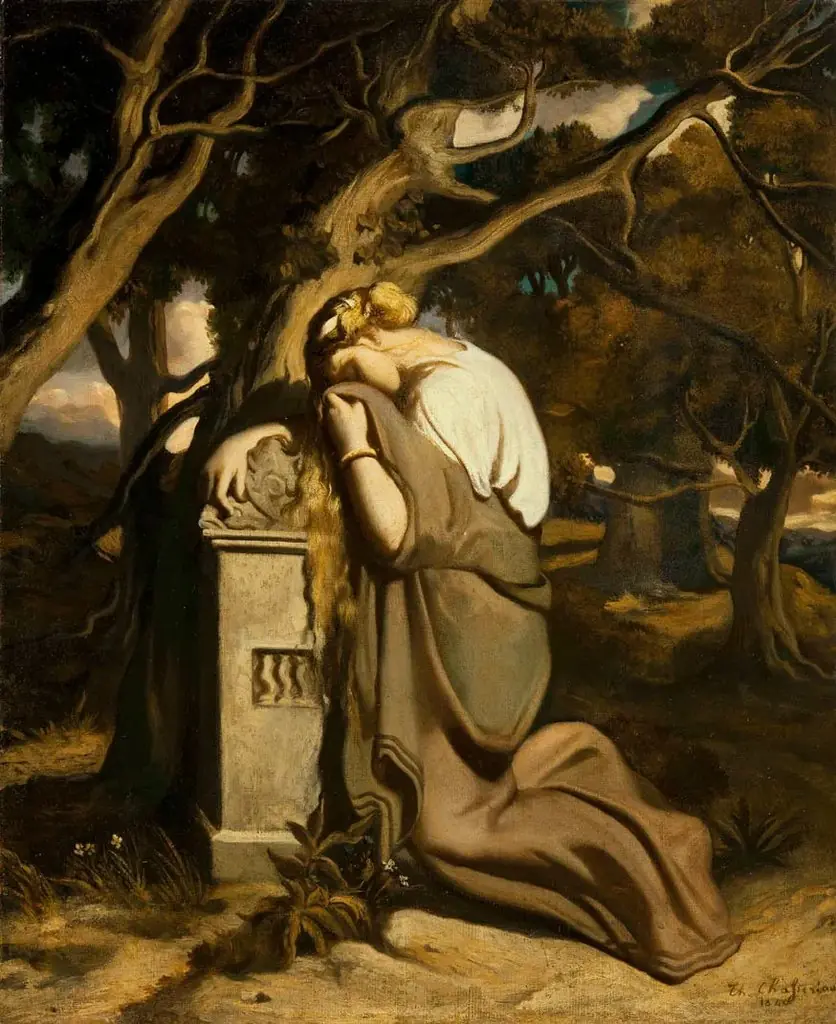 Jeune fille pleurant sur une stèle
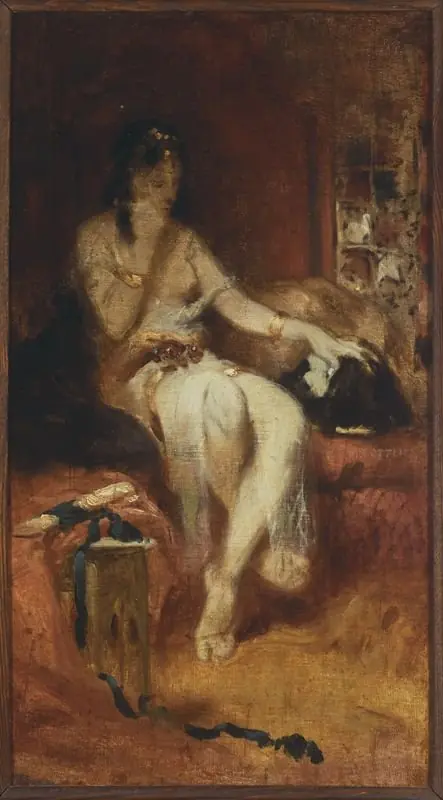 Judith with the head of Holofernes