Artwork
Hieronymus altarpiece
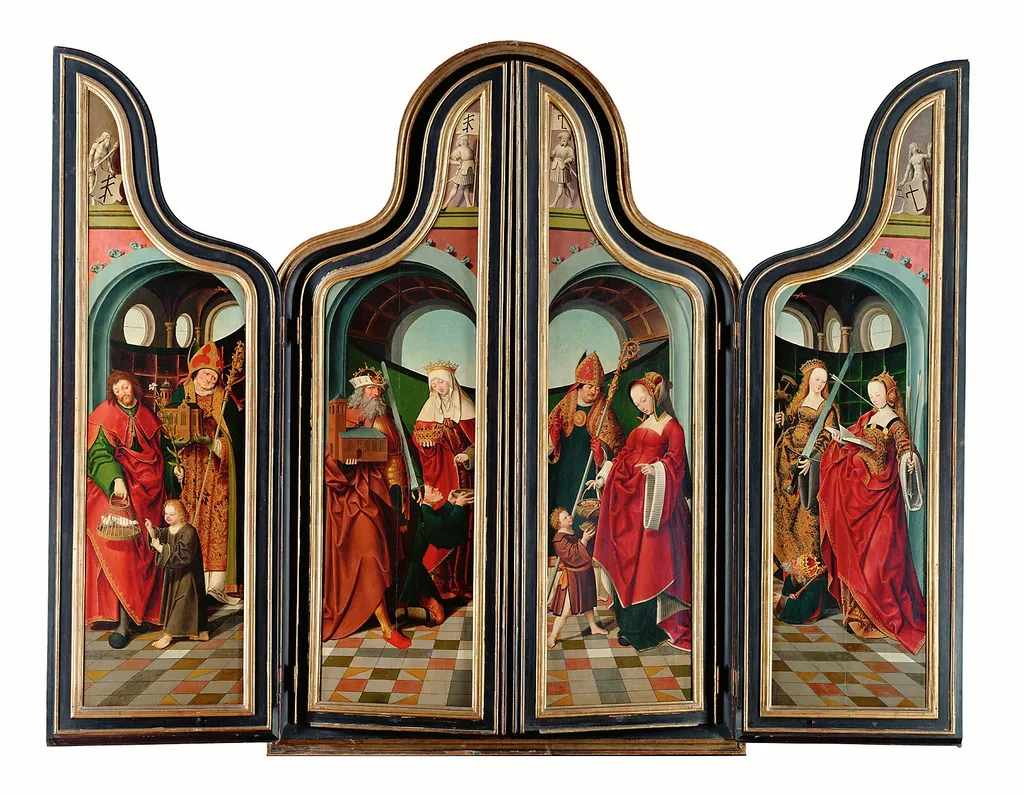
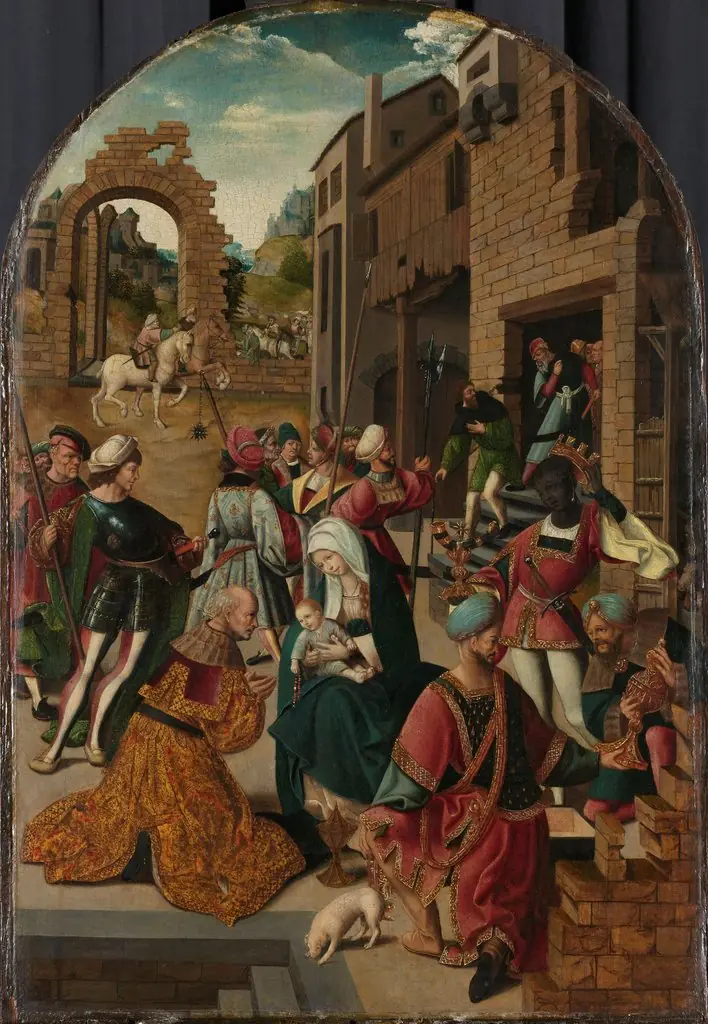
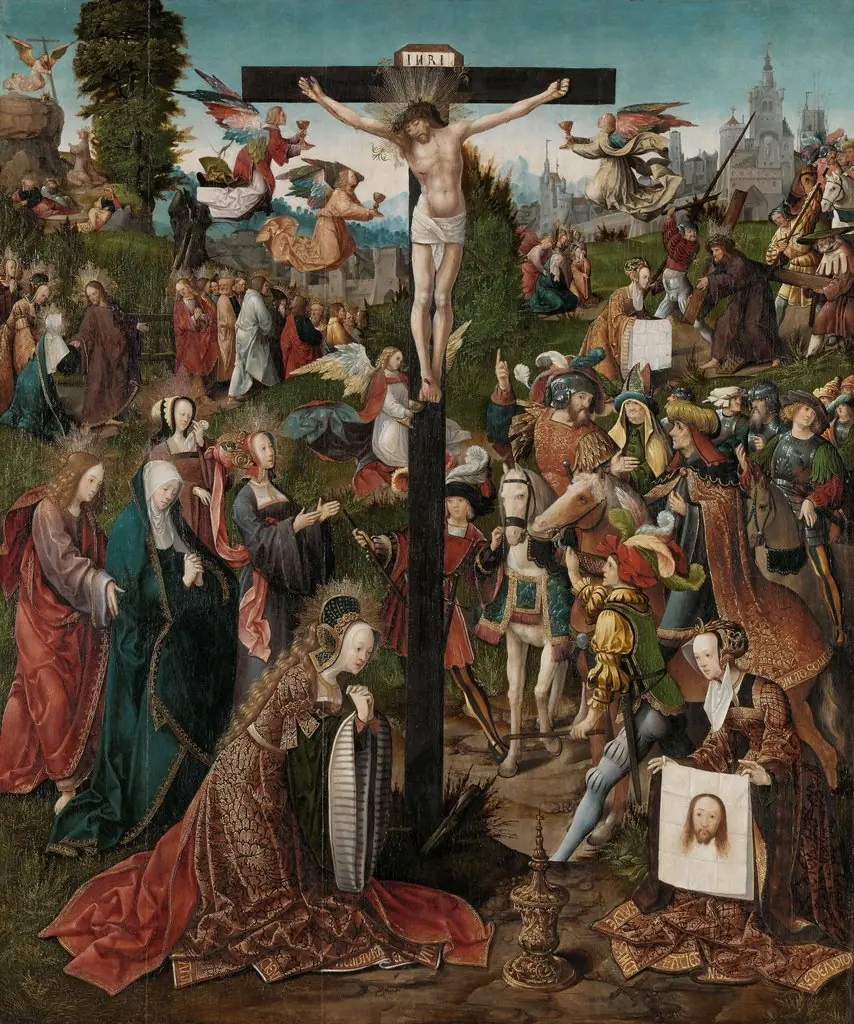
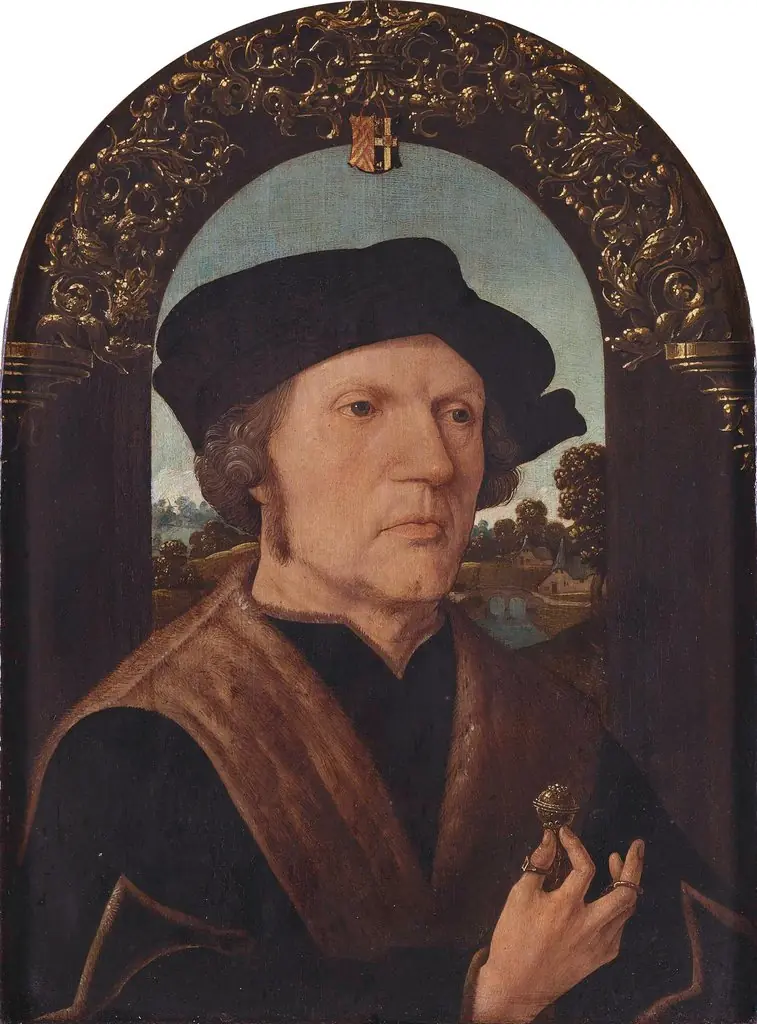
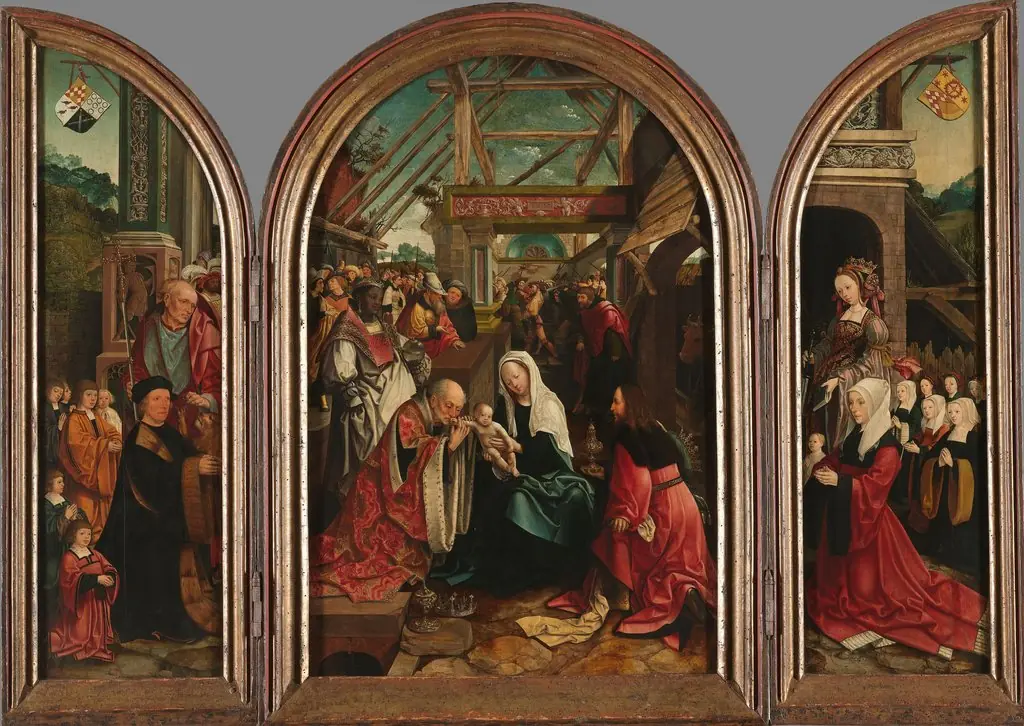
Hieronymus altarpiece is an oil painting by the Northern Renaissance artist Jacob Cornelisz van Oostsanen. It dates from 1511 and is held in the collection of the Kunsthistorisches Museum.
About this work
Overview
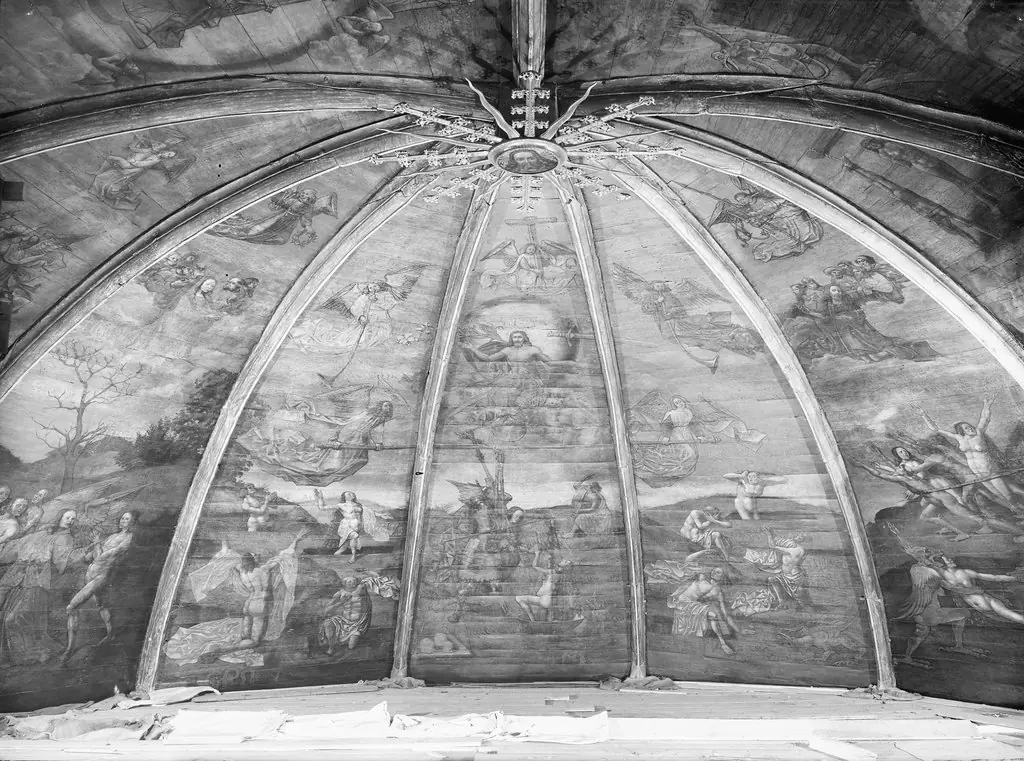
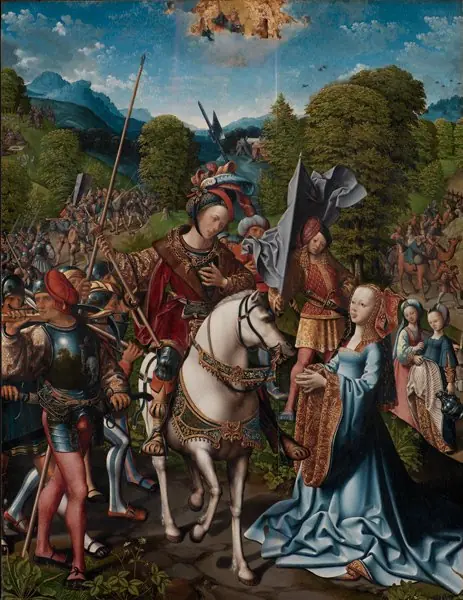
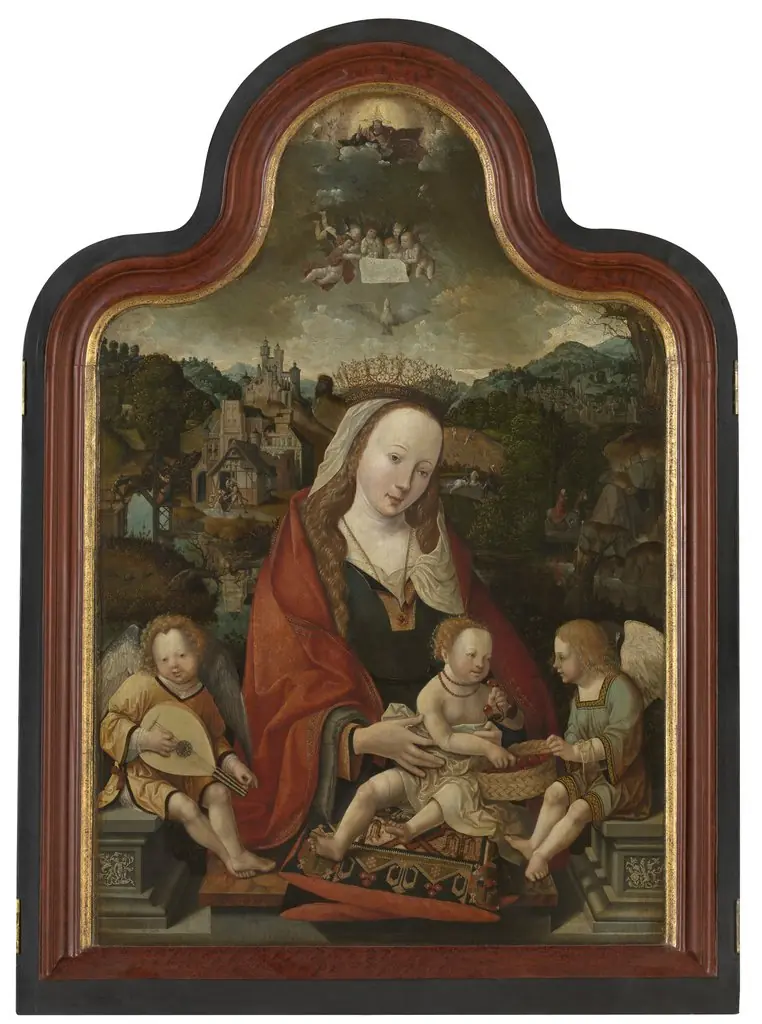
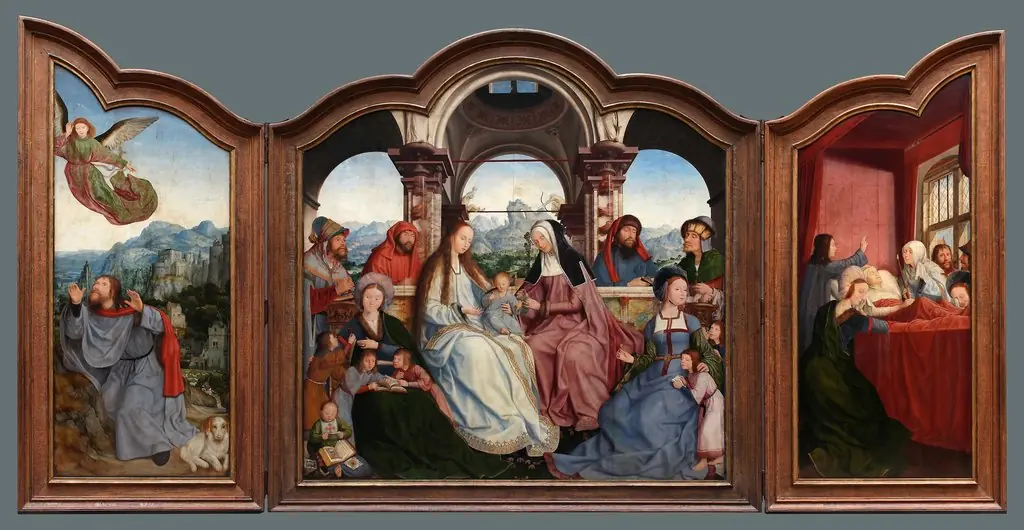
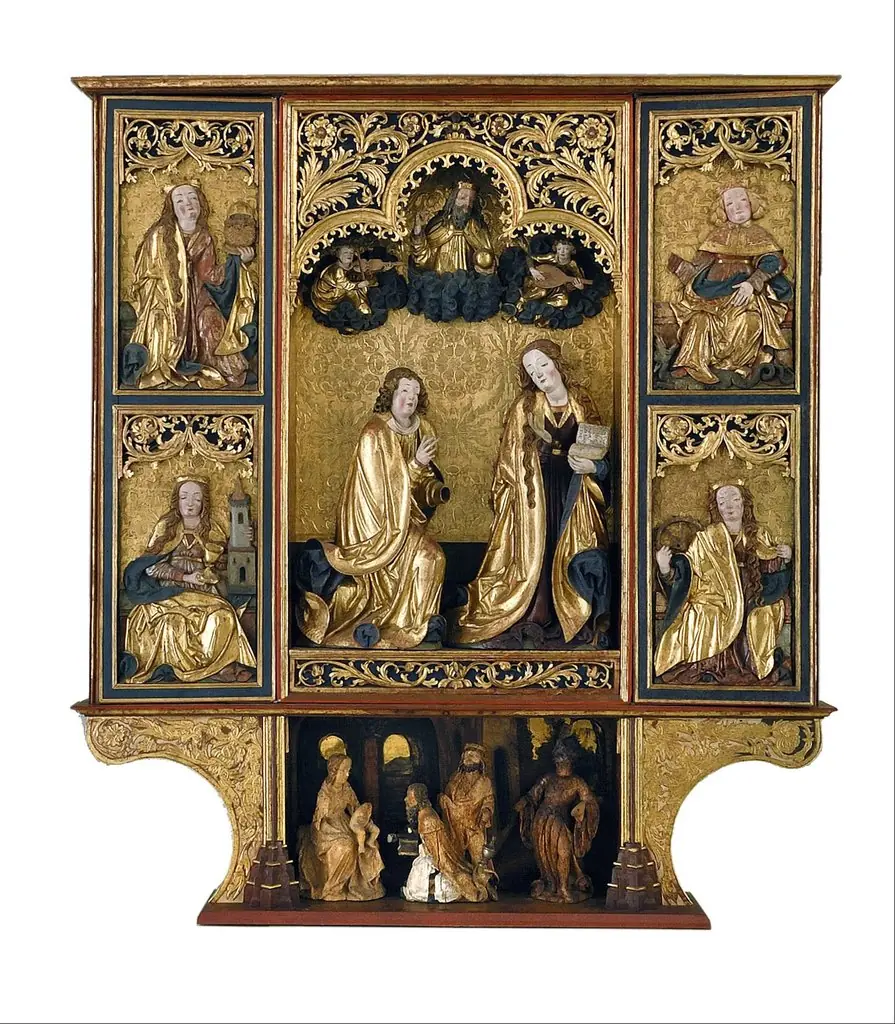
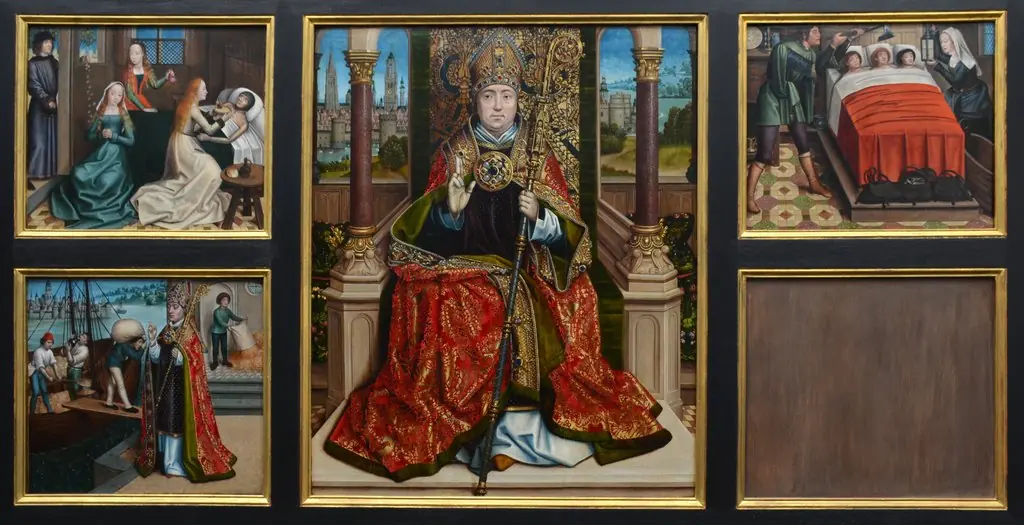
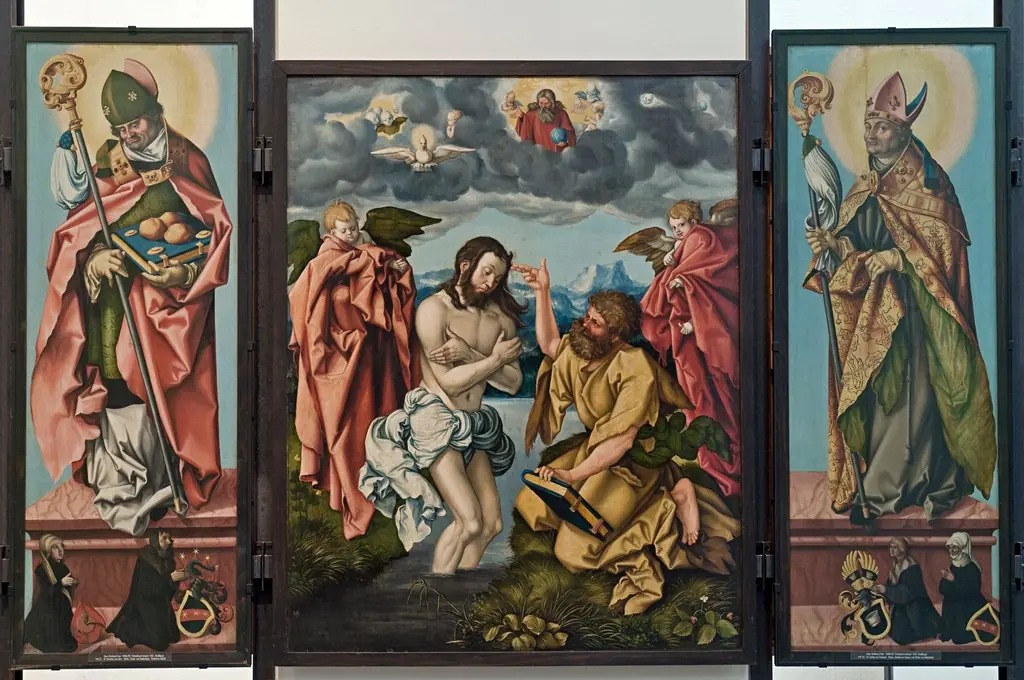
The Hieronymus altarpiece, created by Jacob Cornelisz. van Oostsanen in 1511, is an oil painting comprising four arched panels. Executed during the Northern Renaissance, this work exemplifies the period's characteristic detailed religious imagery.
Subject & Meaning
While the altarpiece's title references Hieronymus, the scenes depicted across its four panels focus on secular and religious figures in moments of devotion and family intimacy, such as a royal family united. The emphasis on red robes, crowns, and geometric tiled floors guides the viewer's attention to key figures.
Technique & Style
Van Oostsanen employed oil paint to achieve vivid, flat colors. The panels' arched tops and the incorporation of architectural elements like arches and columns reflect the artist's adherence to Northern Renaissance stylistic conventions.
History & Provenance
Painted in Amsterdam, a burgeoning provincial center at the time, the altarpiece highlights van Oostsanen's role as one of the city's first prominent artists. It is now part of the Kunsthistorisches Museum's collection.
Context
As a product of the Northern Renaissance, the altarpiece shares the era's emphasis on detailed, realistic religious and domestic scenes. Van Oostsanen's work in Amsterdam contributed to the city's emerging artistic identity.
Legacy
The Hieronymus altarpiece contributes to the understanding of Northern Renaissance art's spread beyond traditional centers. It also showcases van Oostsanen's influence on Amsterdam's early 16th-century artistic development.
Artist & collection
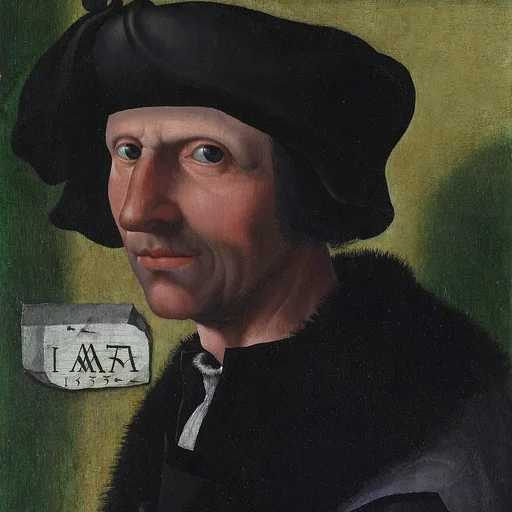
Artist
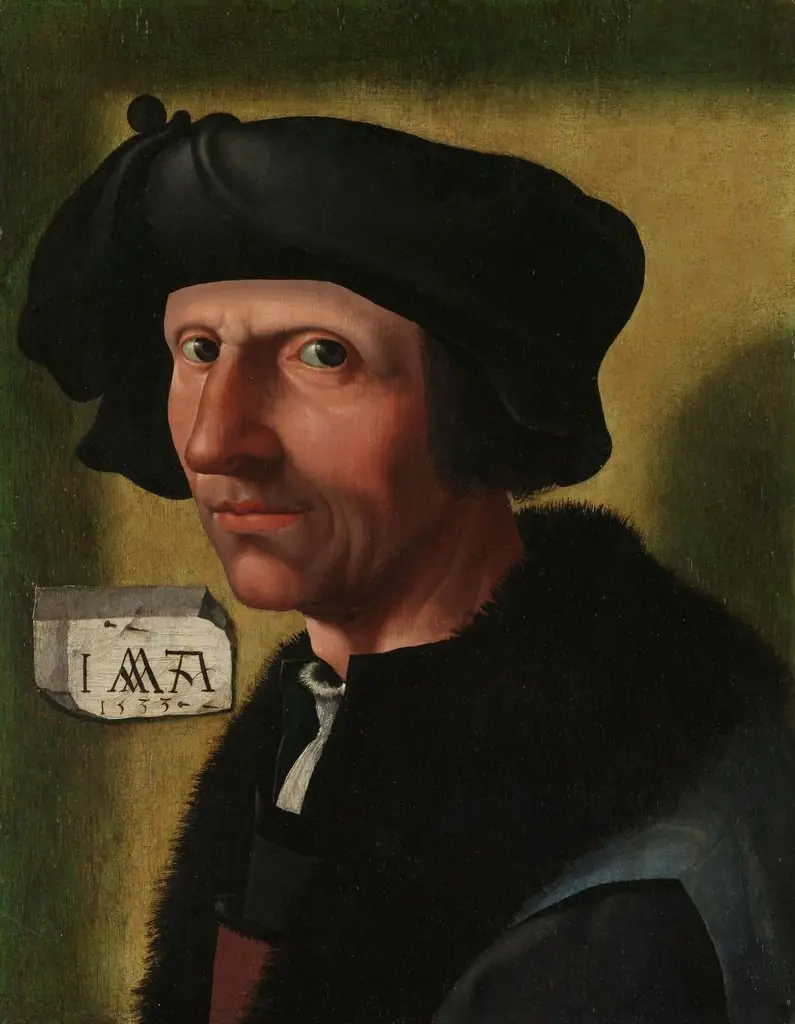
Jacob Cornelisz van Oostsanen (before 1470 – 1533) was a Northern Netherlandish designer of woodcuts and painter.