Artwork
Plate 11: Joseph
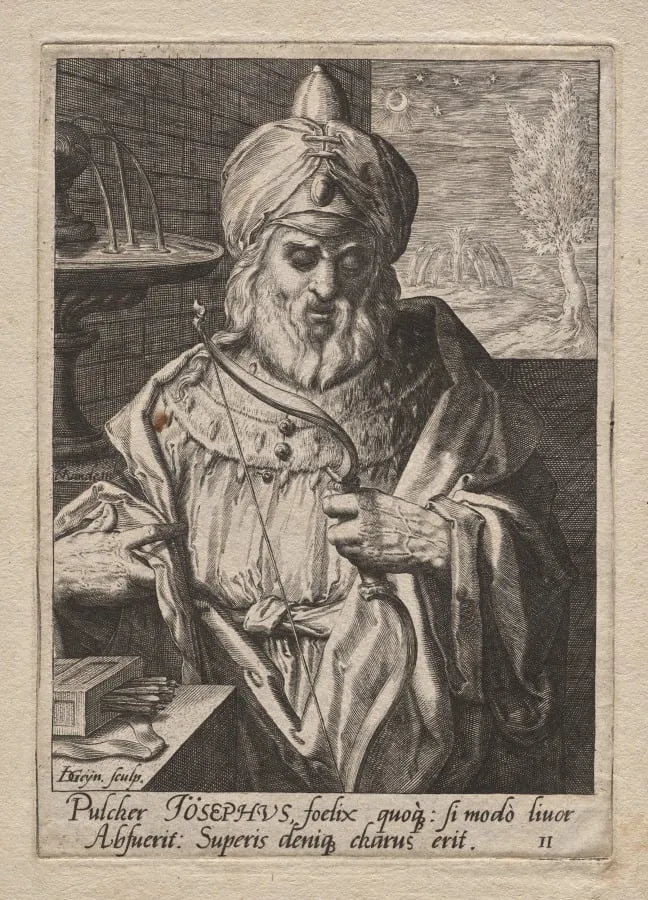
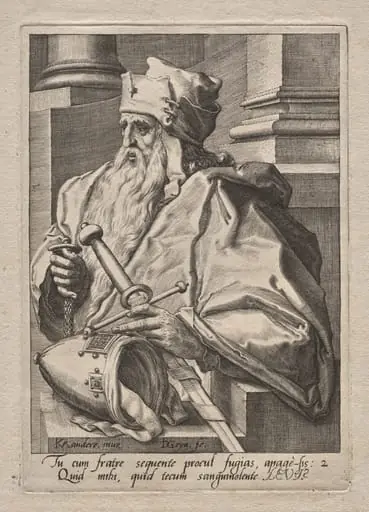
Plate 11: Joseph is a print by the Renaissance artist Jacob de Gheyn II. It dates from 1589 and is held in the collection of the Cleveland Museum of Art. This late‑sixteenth‑century Dutch print portrays the biblical Joseph, one of Jacob’s twelve sons, holding a bow beside a quiver of arrows.
About this work
Overview
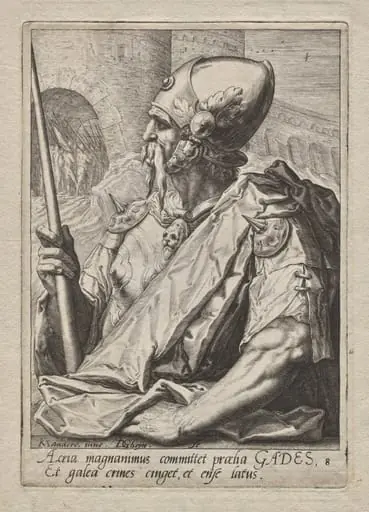
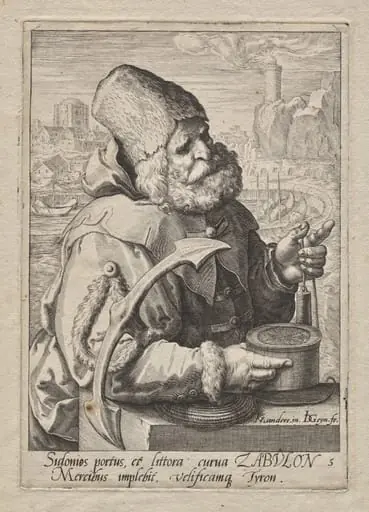
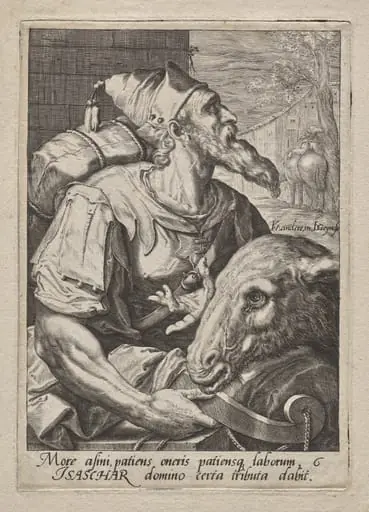
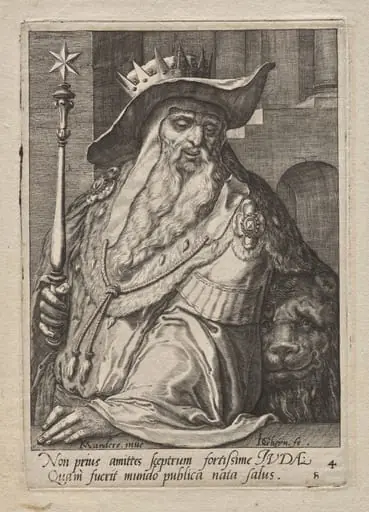
This late‑sixteenth‑century Dutch print portrays the biblical Joseph, one of Jacob’s twelve sons, holding a bow beside a quiver of arrows. The image forms part of a larger series in which each brother is identified by a distinctive attribute that alludes to the destiny foretold for his tribe in the Old Testament.
Subject & Meaning
The bow and arrows function as visual symbols of divine protection and deliverance, reflecting the biblical narrative in which God safeguards Joseph and his descendants. By pairing the figure with these weapons, the print conveys the promised safety of Joseph’s lineage without relying on textual explanation.
Technique & Style
Executed in a crisp, linear manner typical of Northern European printmaking, the work emphasizes clear contours over the soft transitions associated with sfumato. The stark delineation of clothing and accessories underscores the emblematic nature of the attribute, allowing the symbolic meaning to stand out.
Context
Created during a period of political turmoil in the Netherlands, the series capitalized on the popularity of Old Testament heroes as models of resilience and patience. The choice of biblical subjects resonated with contemporary audiences seeking moral exemplars amid conflict.
History & Provenance
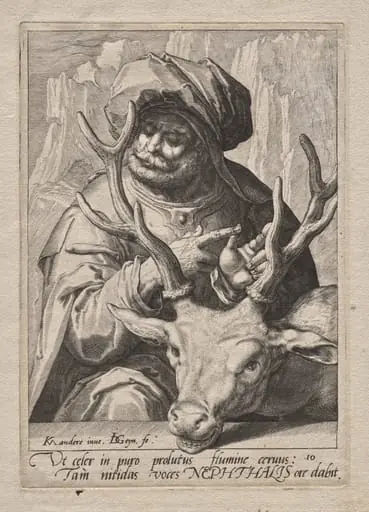
The print belongs to a set of twelve images, each representing a son of Jacob with a characteristic object and costume. The series circulated in the late 1500s, serving both devotional and didactic purposes, and was likely distributed among collectors and religious institutions in the Low Countries.
Artist & collection

Artist
Jacob de Gheyn II was a Dutch painter and engraver, whose work shows the transition from Northern Mannerism to Dutch realism over the course of his career.