Artwork
Plate 6: Isaachar
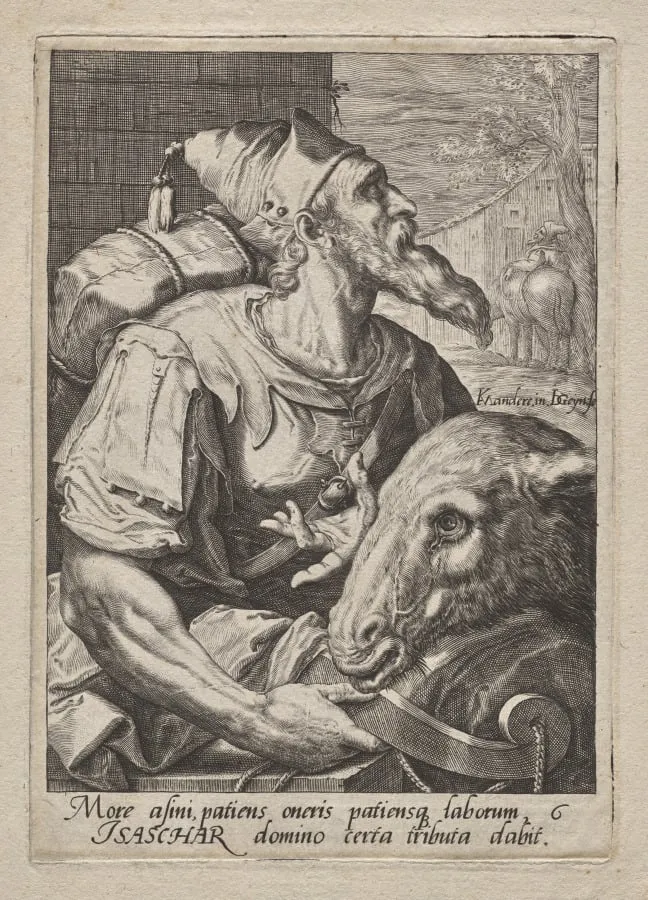
Plate 6: Isaachar is a print by the Renaissance artist Jacob de Gheyn II. It dates from 1589 and is held in the collection of the Cleveland Museum of Art.
About this work
Overview
Plate 6 of the series portraying the twelve sons of Jacob presents Isaachar as a weary figure bearing a large sack and standing beside a donkey. The composition, executed as an intaglio print, conveys the biblical character’s association with toil and service, reflecting the prophetic blessing attributed to him in the Old Testament.
Subject & Meaning
In the image, Isaachar’s burden and the attentive donkey symbolize the tribe’s future reliance on labor and perseverance. The tired expression on his face underscores the scriptural portrayal of his descendants as diligent workers, a visual shorthand for the prophetic destiny Jacob assigned to this son.
Technique & Style
The work is an intaglio print produced in the Netherlands during the late sixteenth century. Jacob de Gheyn II employed fine line work and cross‑hatching to render the texture of the robe, the sack’s bulge, and the animal’s fur, achieving a contrast between illuminated areas and deep shadows typical of the period’s engraving practice.
History & Provenance
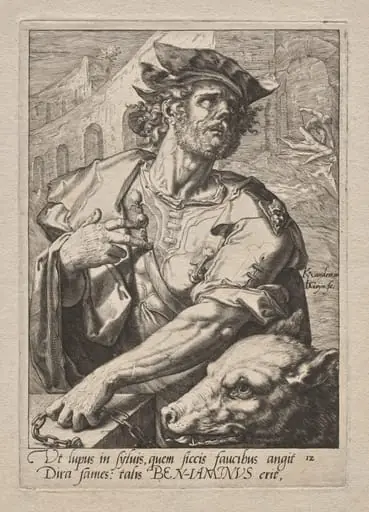
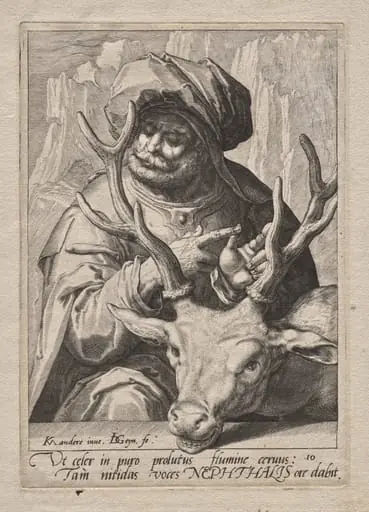
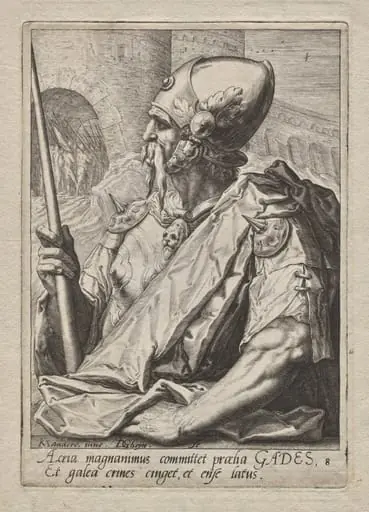
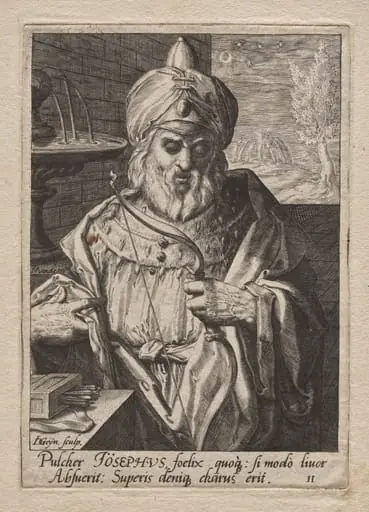
Created by Jacob de Gheyn II, the plate belongs to a larger set of twelve prints, each depicting a different son of Jacob with an emblematic attribute. The series was circulated among collectors in the Dutch Republic and later entered museum collections, including the Cleveland Museum of Art, where it is documented in the print department.
Context
The series emerged amid the religious and political turbulence of the late 1500s, when Old Testament figures were frequently invoked as models of steadfastness and moral endurance. By assigning each son a distinctive symbol, the artist linked biblical narratives to contemporary ideals of labor, loyalty, and communal identity.
Artist & collection

Artist
Jacob de Gheyn II was a Dutch painter and engraver, whose work shows the transition from Northern Mannerism to Dutch realism over the course of his career.