Artwork
Plate 10: Naphtali
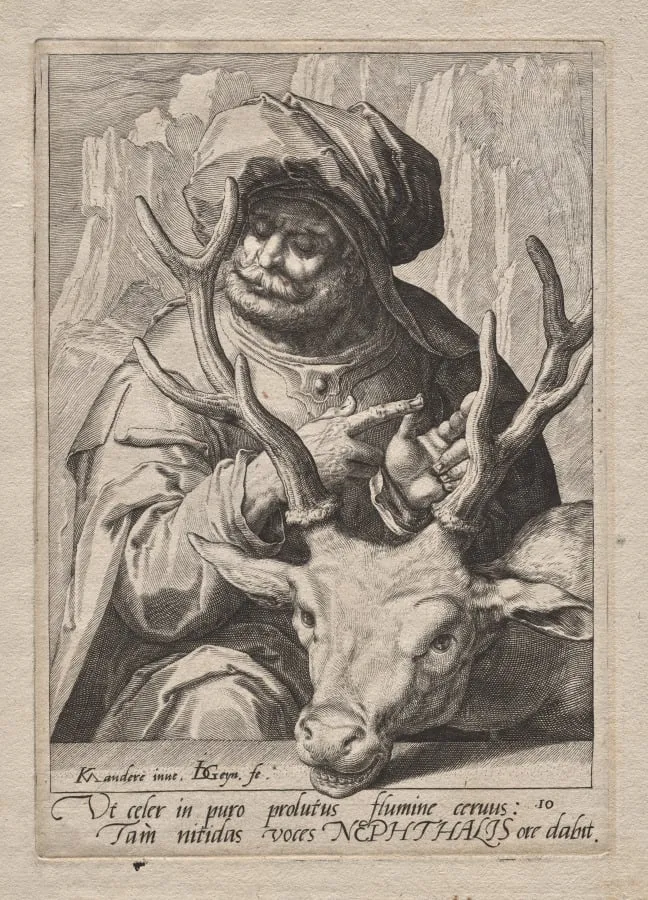
Plate 10: Naphtali is a print by the Renaissance artist Jacob de Gheyn II. It dates from 1589 and is held in the collection of the Cleveland Museum of Art.
About this work
Overview
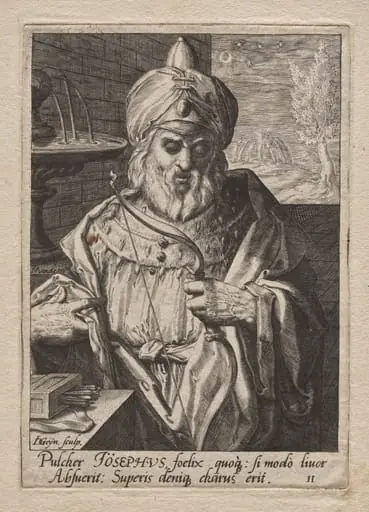
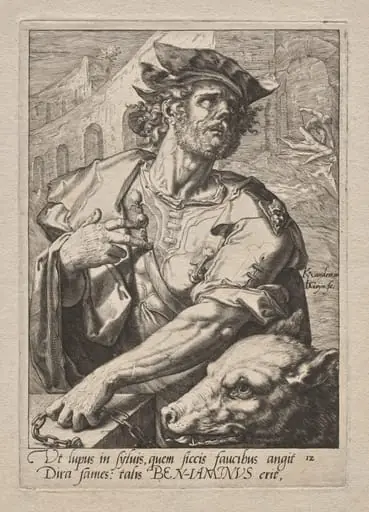
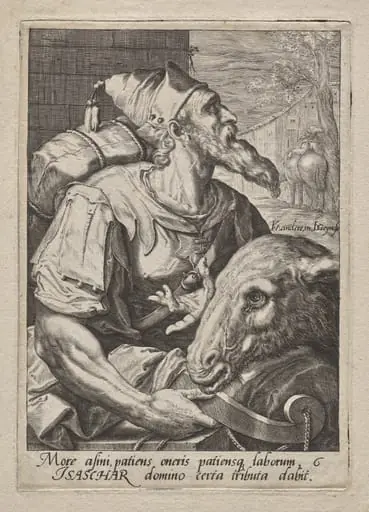
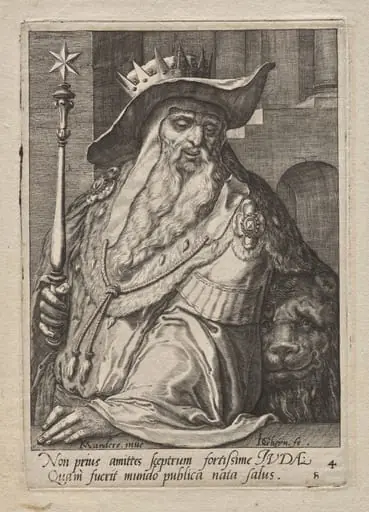
Plate 10 is part of a twelve-print series illustrating the sons of Jacob, each identified by symbolic elements tied to their biblical blessings.
Plate 10 is part of a twelve-print series illustrating the sons of Jacob, each identified by symbolic elements tied to their biblical blessings. Created in the late 16th-century Netherlands, the series translates scriptural narratives into visual allegories. Naphtali is depicted beside a stag, his fingers raised as if counting, a gesture linked to his prophesied swiftness. The prints were produced during a period of regional upheaval, when biblical figures served as resonant models of resilience.
Subject & Meaning
Naphtali, the sixth son of Jacob, is associated with speed and agility according to Genesis. The stag beside him symbolizes his tribe’s martial swiftness, while the finger-counting gesture may allude to his role in measuring or anticipating outcomes in battle. Unlike other sons depicted with weapons or crowns, Naphtali’s quiet, contemplative posture suggests a blend of vigilance and grace, aligning with the blessing that described him as a 'doe let loose that bears beautiful fawns.'
Technique & Style
The print employs fine linear engraving typical of Dutch reproductive prints of the era. Delicate hatching defines the stag’s form and the figure’s flowing hair and drapery, while the background remains minimal to emphasize symbolic clarity. The composition is balanced yet intimate, focusing attention on the interaction between man and animal. The style reflects a Northern Renaissance attention to detail, tempered by the didactic aims of the series.
History & Provenance
Produced in the Netherlands around 1580–1600, the series likely originated in a print workshop catering to a literate, Protestant audience. The timing coincides with the Dutch Revolt against Spanish rule, when Old Testament narratives were widely circulated as moral and political allegories. Though the original publisher is unconfirmed, similar prints from this period were often distributed as devotional or patriotic imagery, circulating among civic and religious communities.
Context
During the Dutch struggle for independence, biblical heroes offered a framework for understanding resistance, divine favor, and national identity. The twelve sons of Jacob, each granted a distinct destiny, mirrored the aspirations of the emerging Dutch Republic. Artists adapted these figures into localized symbols, transforming ancient prophecy into contemporary relevance. This print series thus functioned as both religious instruction and subtle political commentary.
Legacy
The series contributed to a broader trend in Northern European printmaking that linked biblical typology with civic virtue. While individual plates like Naphtali’s were not widely attributed to specific artists, their visual language influenced later iconographic traditions. Surviving examples in museum collections attest to their role as educational tools and cultural artifacts, preserving a moment when scripture informed public identity during times of upheaval.
Artist & collection

Artist
Jacob de Gheyn II was a Dutch painter and engraver, whose work shows the transition from Northern Mannerism to Dutch realism over the course of his career.