Artwork
Plate 8: Gad
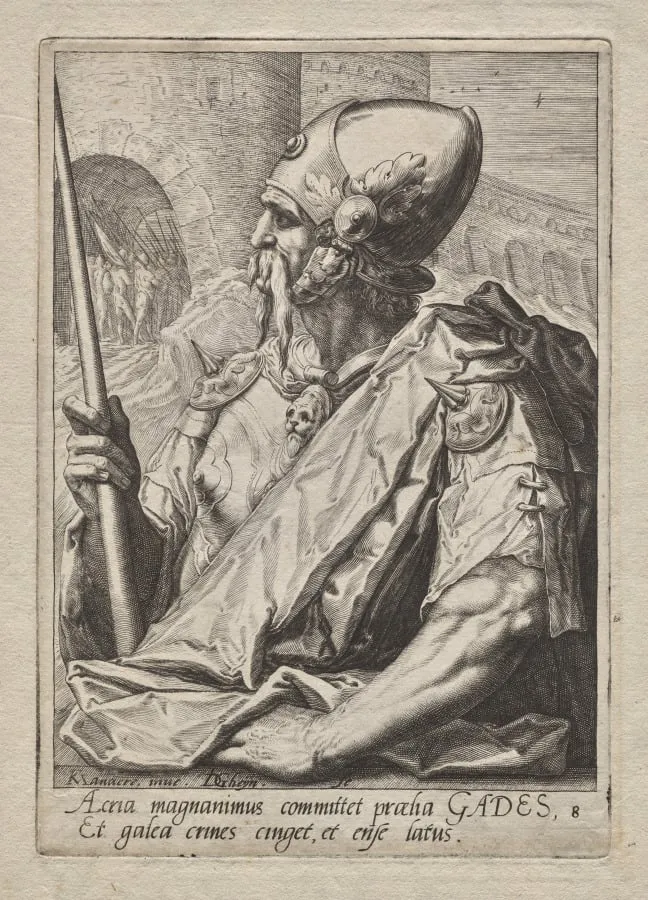
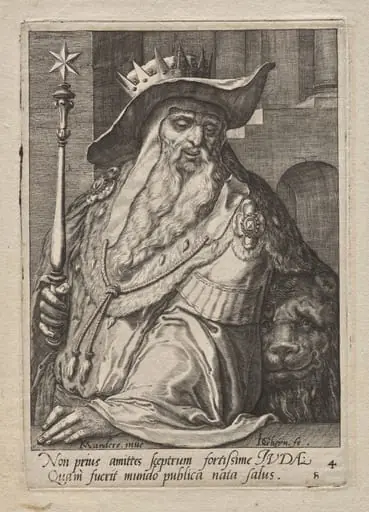
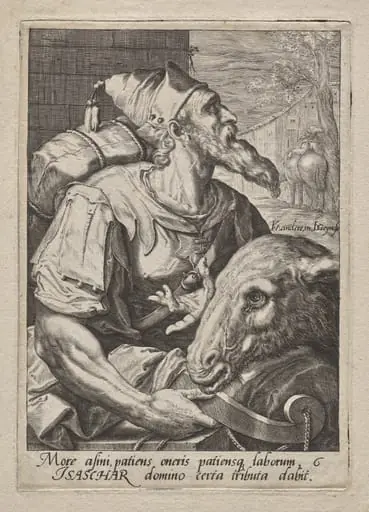
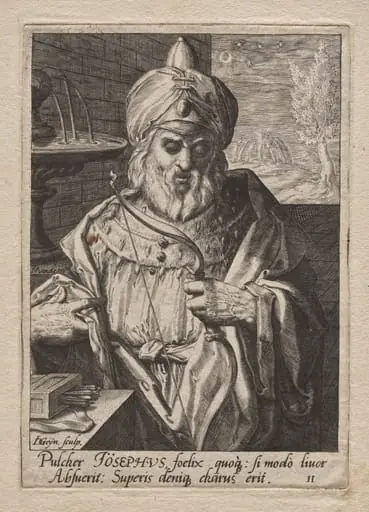
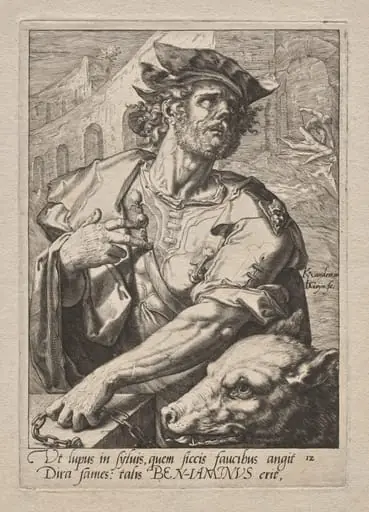
Plate 8: Gad is a print by the Renaissance artist Jacob de Gheyn II. It dates from 1589 and is held in the collection of the Cleveland Museum of Art. Plate 8, titled Gad, is a late‑16th‑century Dutch print that forms part of a series portraying the twelve sons of Jacob.
About this work
Overview
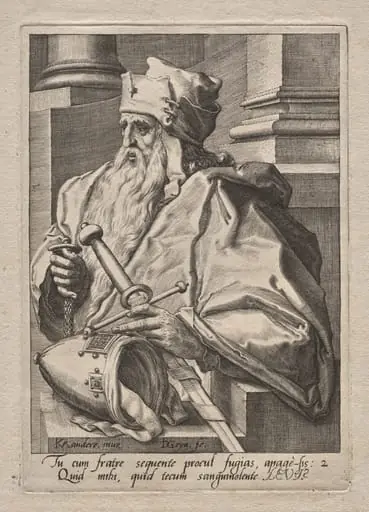
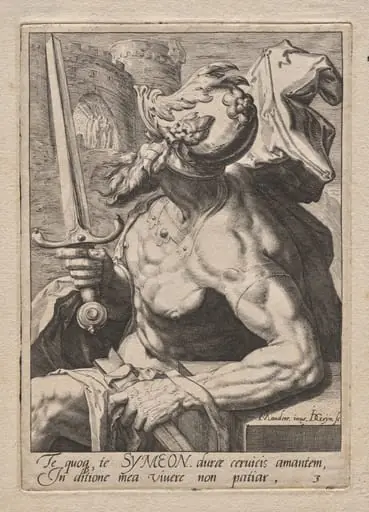
Plate 8, titled Gad, is a late‑16th‑century Dutch print that forms part of a series portraying the twelve sons of Jacob. Each image assigns a distinctive costume and attribute to its subject, linking the biblical figure to the future character of his tribe.
Subject & Meaning
The figure depicted is Gad, one of Jacob’s sons, shown in full armor and grasping a spear, with a small contingent of armed men gathered behind him. The martial dress and weaponry allude to the tribe’s later reputation for warfare and readiness for conflict, echoing the biblical blessings Jacob bestowed on his sons.
Technique & Style
Executed in the print medium common to the period, the image combines line engraving with fine hatching to render the metallic sheen of armor and the texture of the spear. The composition is compact, foregrounding the central figure while the background militia remains secondary, a typical approach in Dutch illustrative prints of biblical narratives.
History & Provenance
The series was produced in the Netherlands during a time of intense political and religious upheaval, when Old Testament heroes served as moral exemplars. Although the specific printer and artist are not recorded, the plates were likely circulated among collectors of devotional imagery and may have been bound into a larger folio of the twelve sons.
Context
In the late 1500s, the Dutch Republic faced external threats and internal strife; biblical exemplars such as Gad were invoked to embody virtues of fortitude and patience. Prints like this one functioned both as religious instruction and as subtle commentary on contemporary struggles for autonomy and defense.
Artist & collection

Artist
Jacob de Gheyn II was a Dutch painter and engraver, whose work shows the transition from Northern Mannerism to Dutch realism over the course of his career.