Artwork
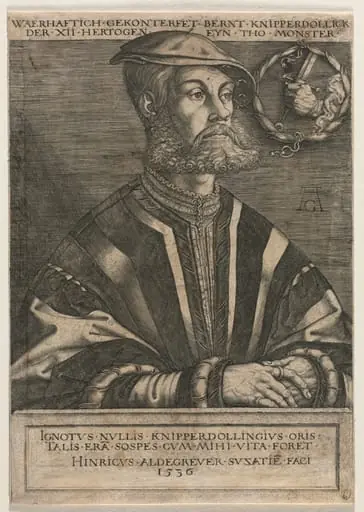
Portrait of Bernard Knipperdolling
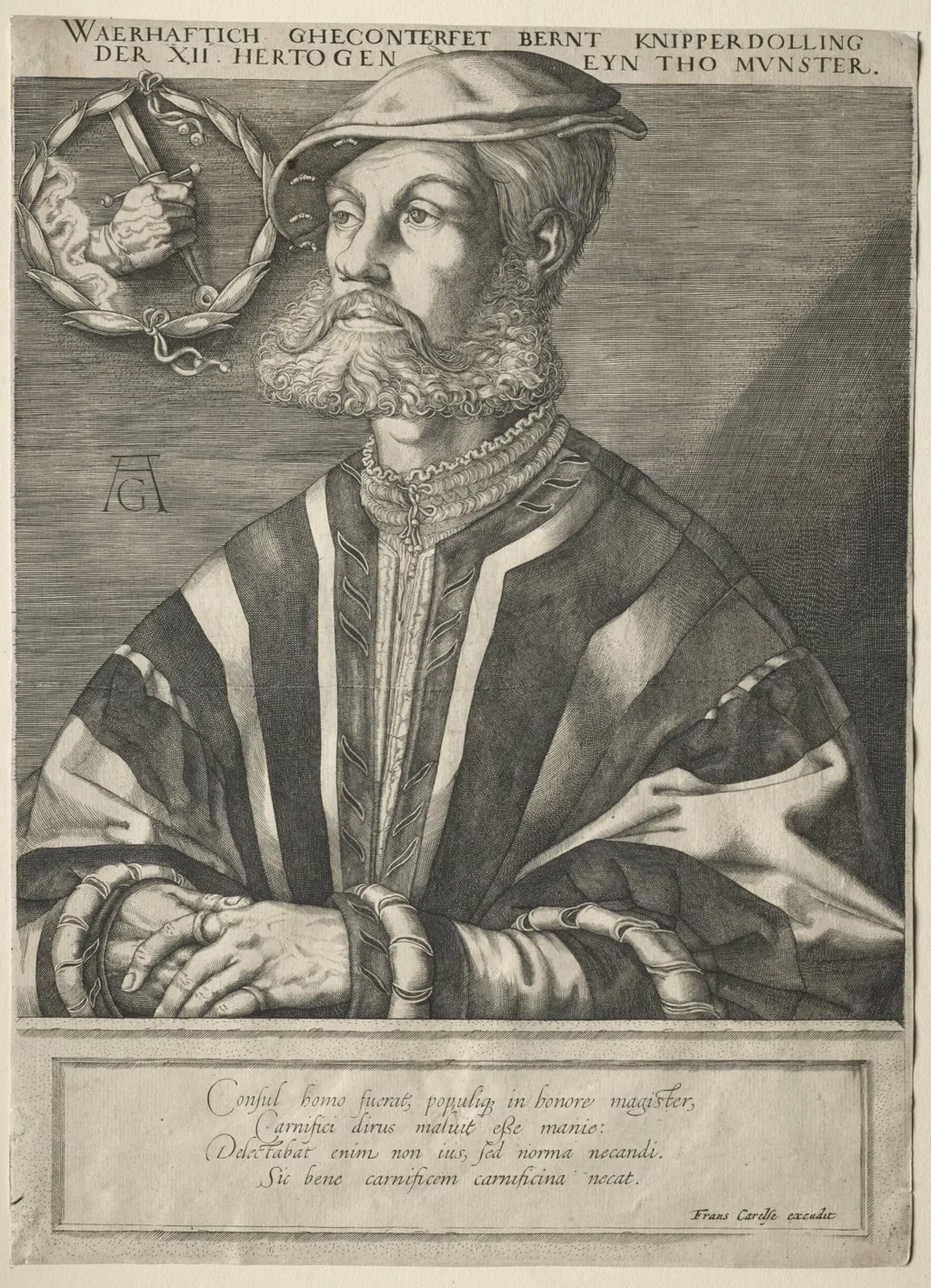
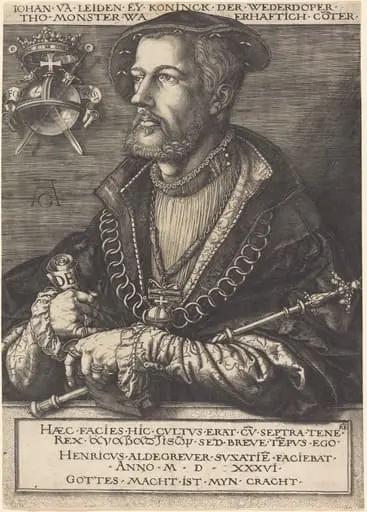
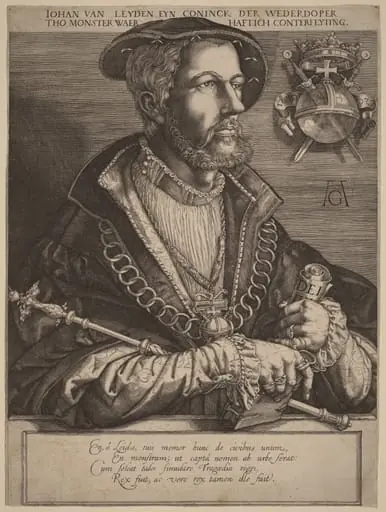
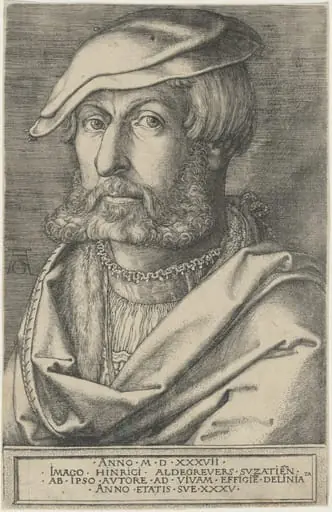
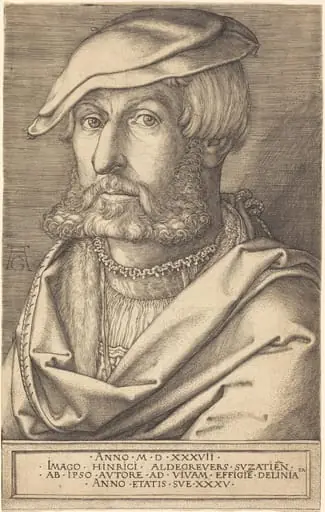
Portrait of Bernard Knipperdolling is a print by the Baroque artist Jan Muller. It dates from 1615 and is held in the collection of the Cleveland Museum of Art.
About this work
Overview
Muller, trained in his father’s printing and engraving business in Amsterdam, developed a refined graphic style after time in Italy.
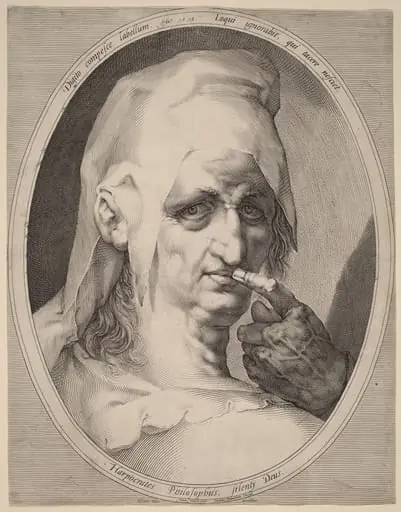
Created around 1615 by Jan Muller, a Dutch engraver and painter, this portrait is a copperplate engraving depicting Bernard Knipperdolling, a prominent figure in the Anabaptist movement. Muller, trained in his father’s printing and engraving business in Amsterdam, developed a refined graphic style after time in Italy. The work reflects his technical precision and interest in capturing individual character through detailed line work.
Subject & Meaning
Bernard Knipperdolling was a leader in the radical Protestant Anabaptist community in Münster during the 1530s. Though the portrait was made nearly eighty years after his death, it serves as a visual record of a controversial religious figure. The direct gaze and restrained posture suggest a deliberate effort to convey dignity and presence, aligning with the tradition of portraying religious dissenters with solemnity rather than caricature.
Technique & Style
Muller employed fine, controlled engraving lines to render the texture of skin, fabric, and hair with remarkable subtlety. The face and hands are rendered with particular care, emphasizing wrinkles and the natural contours of aging. The background remains minimal, focusing attention on the subject’s expression and physicality. This approach reflects the Northern European tradition of psychological portraiture through meticulous graphic detail.
History & Provenance
The engraving was produced after Muller’s return to Amsterdam, where he took over his father’s print shop. It likely circulated among Protestant intellectual circles interested in religious history. The work entered the collection of the Cleveland Museum of Art in the 20th century, where it is preserved as part of their holdings in early modern European prints.
Context
In early 17th-century Amsterdam, interest in religious reformers and their legacies remained strong despite official suppression. Engravings like this one served as historical documents and moral exemplars for Protestant audiences. Muller’s choice to depict Knipperdolling reflects a broader cultural trend of revisiting figures from the Reformation era through the medium of print.
Legacy
Muller’s portrait of Knipperdolling stands as a rare visual representation of a figure otherwise known through textual accounts. Its survival and continued display underscore the role of print in preserving the memory of marginalized religious figures. The work remains a key example of how engraving could convey both historical record and personal presence in the absence of photography.
Artist & collection

Artist
Jan Harmensz. Muller (1571–1628) was a Dutch engraver and painter. Muller was born in Amsterdam. His father was a book printer, engraver and publisher. He learned the engraving trade while working in the family…