Artwork
Minerva at the Forge of Vulcan
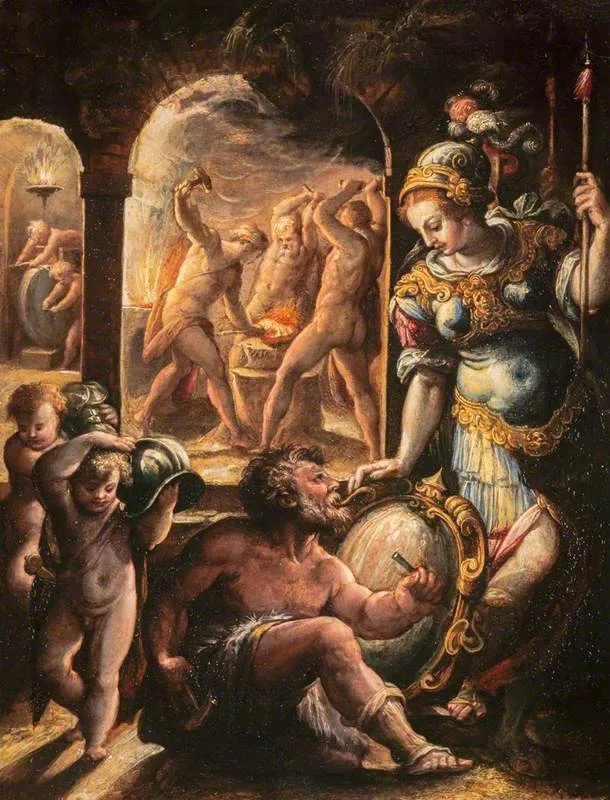
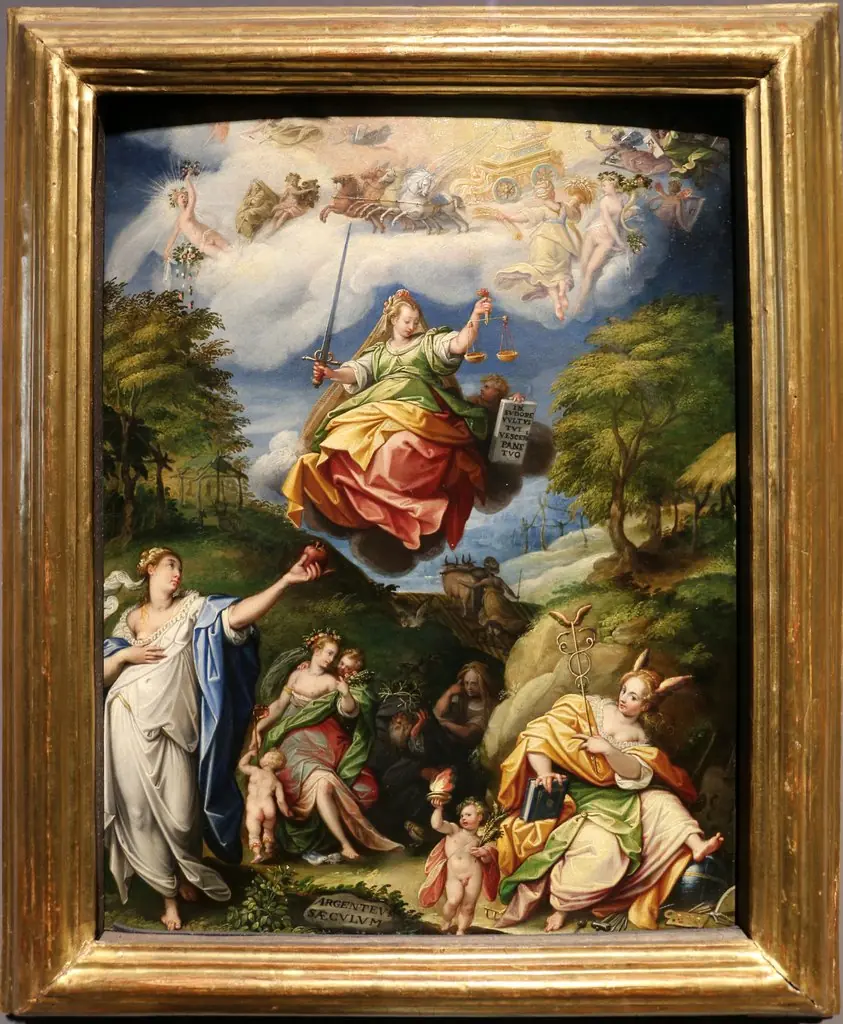
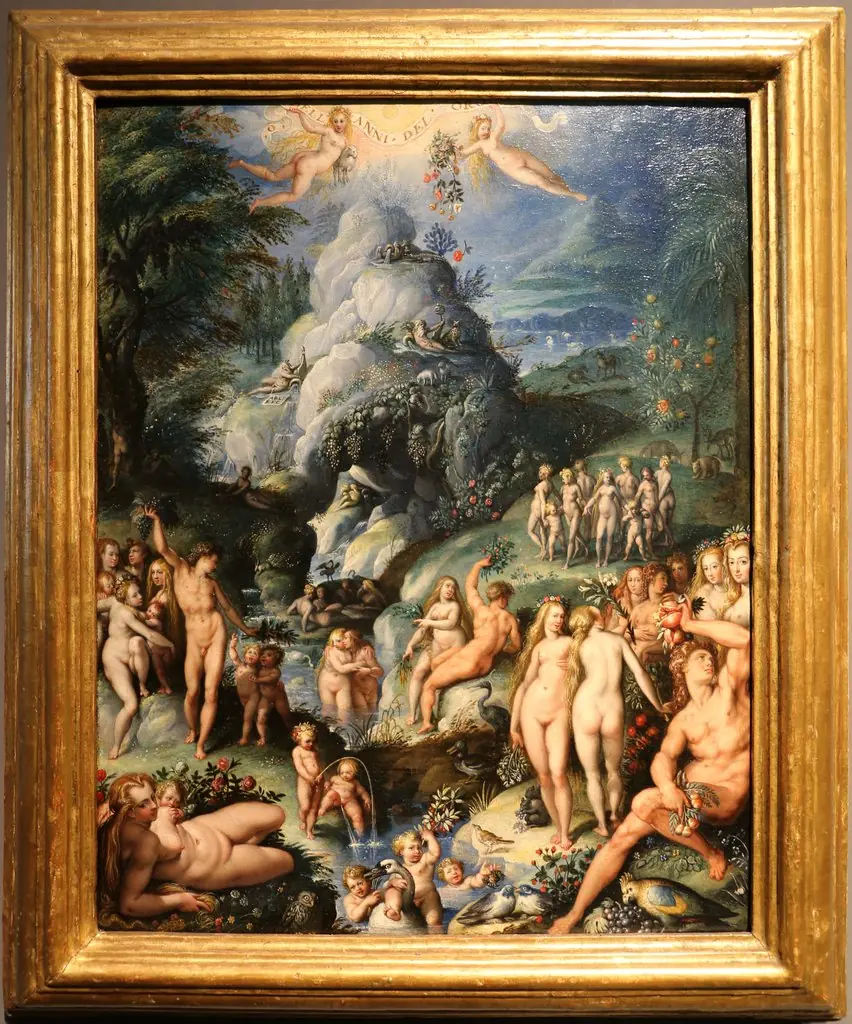
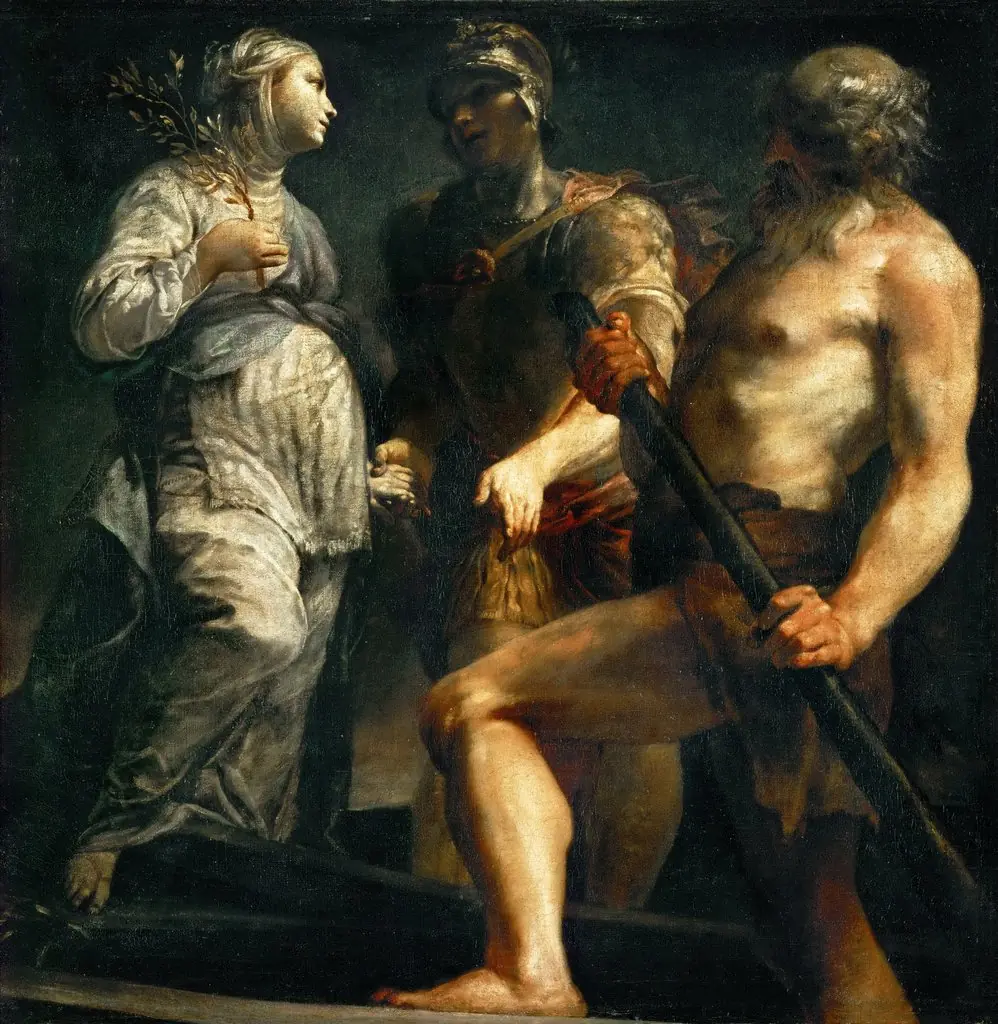
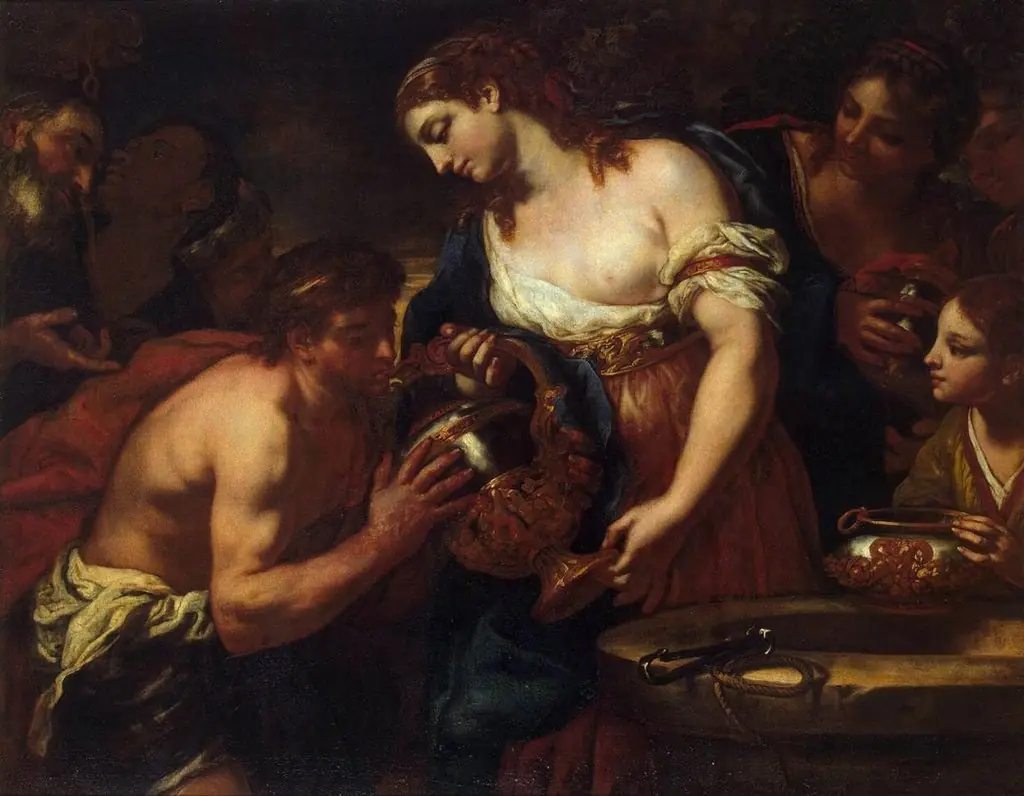
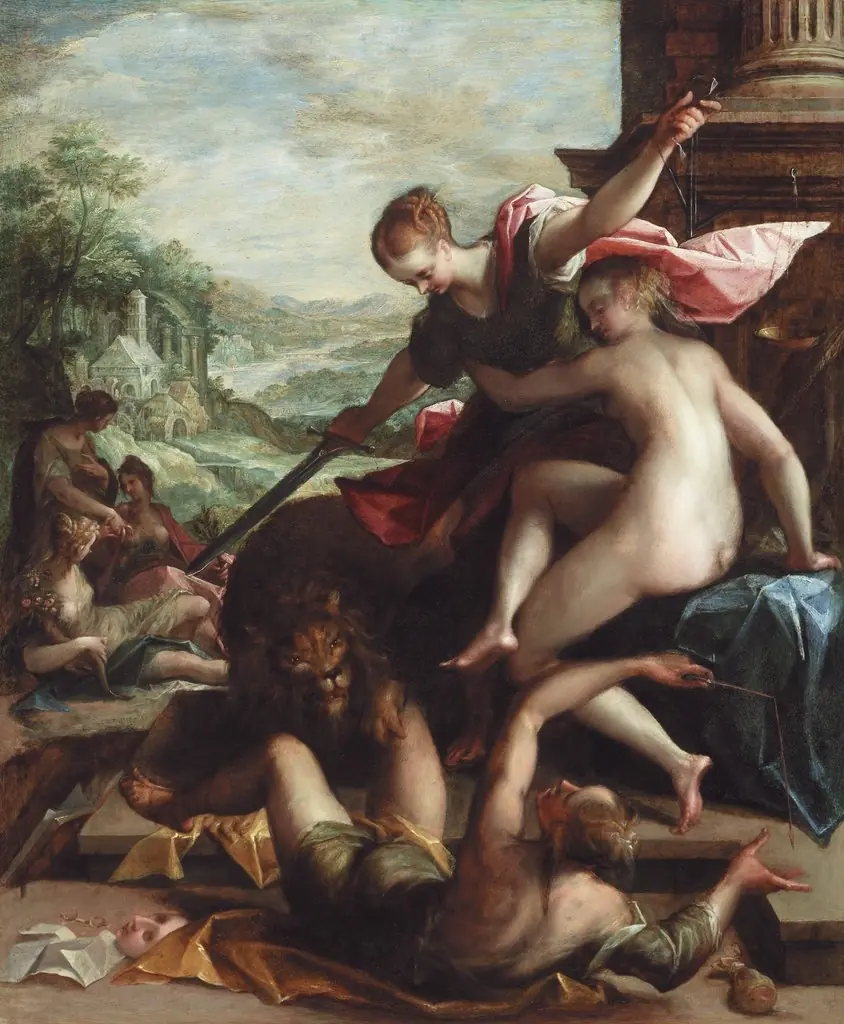
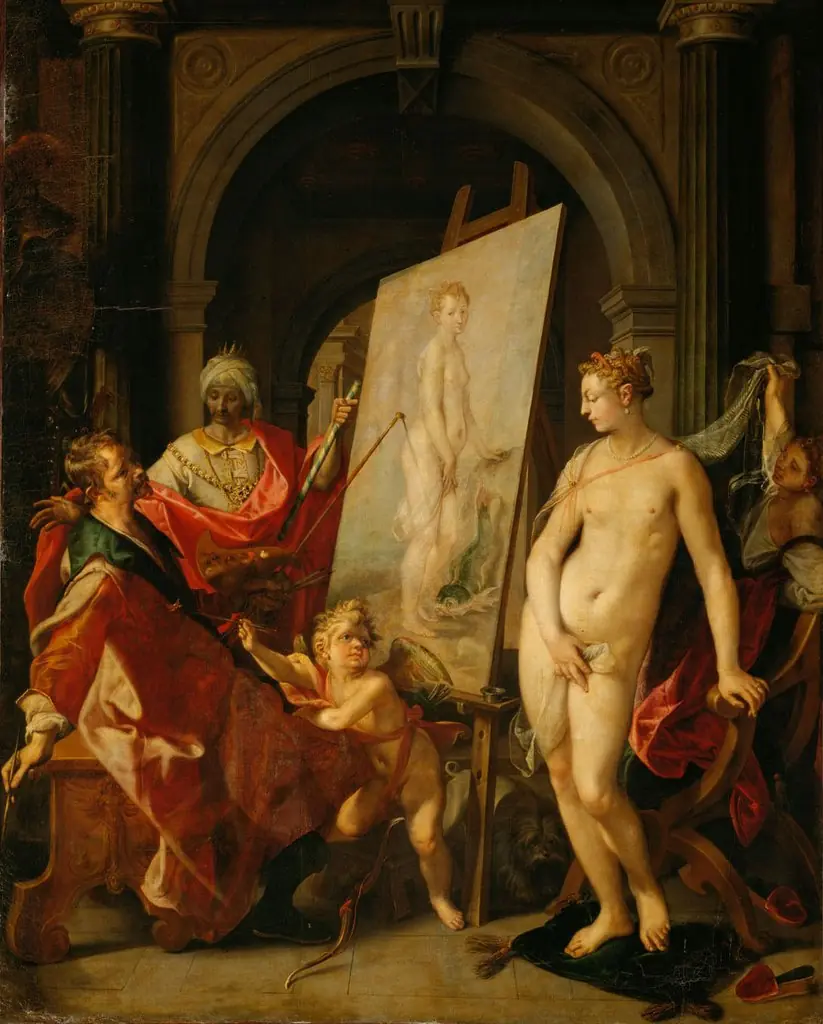
Minerva at the Forge of Vulcan is an unspecified painting by the Mannerist artist Jacopo Zucchi. It dates from 1590 and is held in the collection of the National Galleries Scotland.
About this work
Overview
Zucchi, active in both Florence and Rome, contributed to major Medici-sponsored decorative programs.
Painted around 1590 by Jacopo Zucchi, a Florentine artist trained in Giorgio Vasari’s workshop, this work reflects the refined yet expressive tendencies of late Mannerism. Zucchi, active in both Florence and Rome, contributed to major Medici-sponsored decorative programs. The painting, now in the Scottish National Gallery, illustrates a mythological episode with careful attention to composition and atmospheric depth, characteristic of his mature style.
Subject & Meaning
The scene portrays Minerva, goddess of wisdom and crafts, observing Vulcan, the smith god, at work. She stands authoritatively over him, gesturing toward a newly forged object, likely a weapon or tool of divine significance. The surrounding figures, including a child assisting with tools, reinforce the theme of divine craftsmanship. The narrative suggests a moment of oversight or instruction, emphasizing Minerva’s role as patron of skilled labor and strategic thought.
Technique & Style
Zucchi employs strong chiaroscuro to model the muscular forms and create a sense of volume within the dim forge. The figures are elongated and posed with deliberate tension, typical of Mannerist aesthetics. The smoky, uneven lighting isolates key actions while deepening the spatial mystery of the cavernous setting. Metallic surfaces and armor are rendered with precise highlights, contrasting against the shadowed background to heighten dramatic focus.
History & Provenance
Commissioned during Zucchi’s time in Rome, the painting likely originated in a private Medici collection, given his documented work for Cardinal Ferdinando de' Medici. It entered the Scottish National Gallery’s holdings in the 19th century, possibly through a broader acquisition of Italian Renaissance works. Its survival in relatively intact condition reflects its continued appreciation among collectors of late Mannerist art.
Context
Created during a period when Roman and Florentine courts favored mythological allegories for their intellectual and aesthetic appeal, the painting aligns with broader trends in late 16th-century courtly decoration. Artists like Zucchi were expected to blend classical themes with sophisticated visual language, often for patrons seeking to associate themselves with the virtues of wisdom, labor, and divine order.
Legacy
Though not widely known today, Zucchi’s work exemplifies the transition from High Renaissance ideals to the more stylized expressions of Mannerism. His handling of light, mythological narrative, and human form influenced lesser-known regional painters in central Italy. The painting remains a quiet testament to the enduring interest in classical mythology as a vehicle for artistic exploration in the late Renaissance.
Artist & collection

Artist
Jacopo Zucchi (c. 1541– c. 1590) was a Florentine painter of the Mannerist style, active in Florence and Rome. His training began in the studio of Giorgio Vasari, and he participated in the decoration of the Studiolo…