Artwork
Man on Horseback
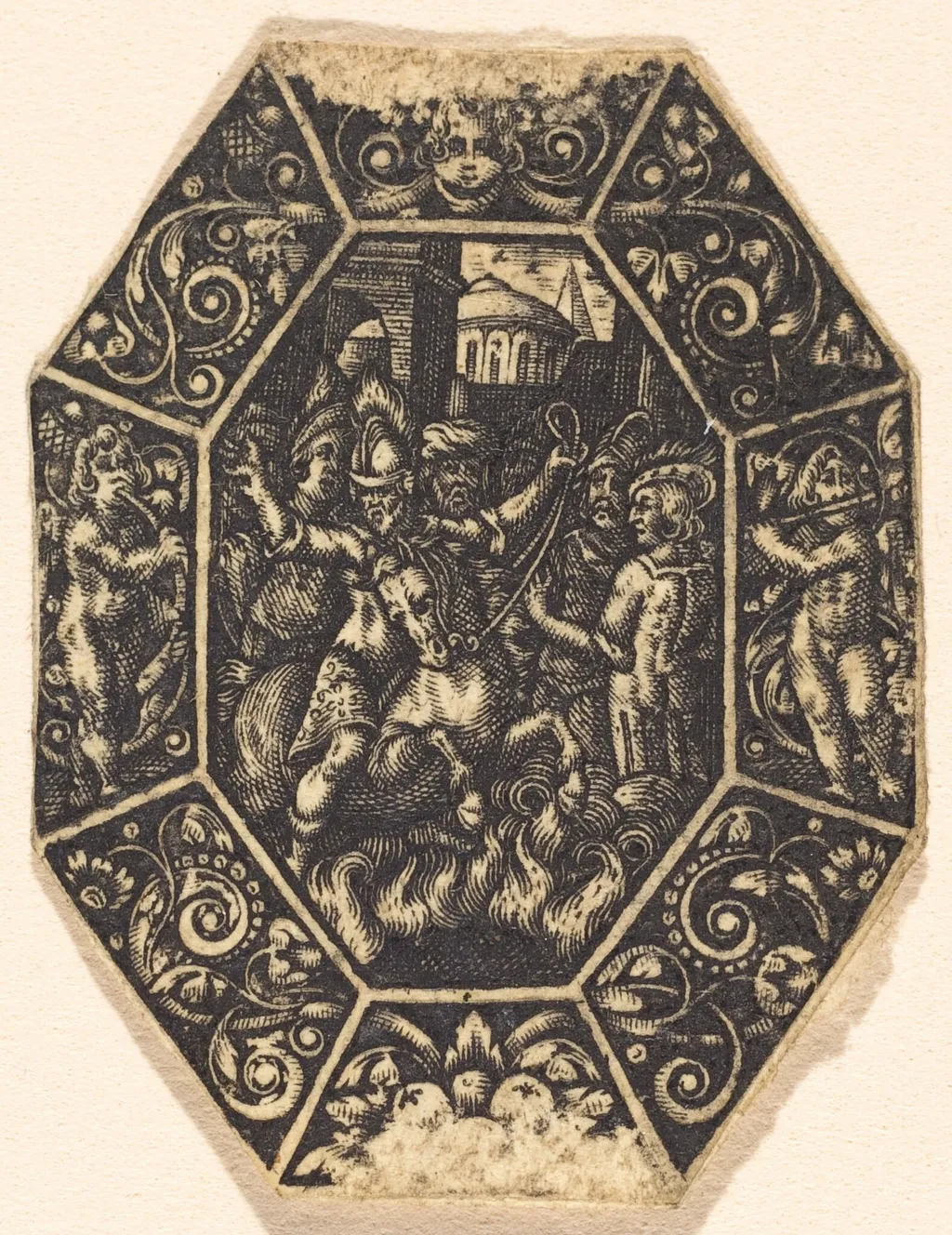
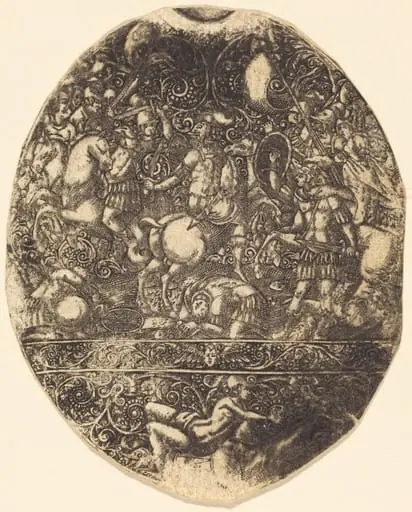
Man on Horseback is an ink print by the Renaissance artist Antoine Jacquard. It dates from 1612 and is held in the collection of the National Gallery of Art.
About this work
Overview
The central figure, a mounted rider raising a spear, is framed by intricate, swirling ornamentation and diminutive figures.
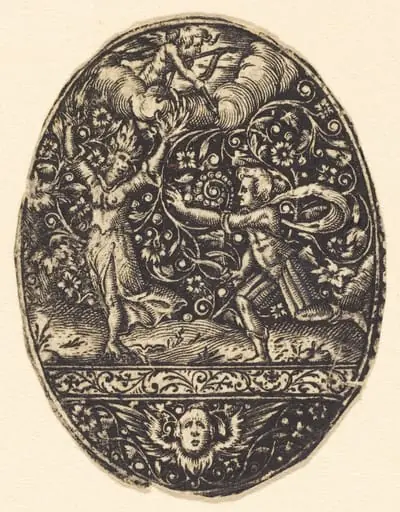
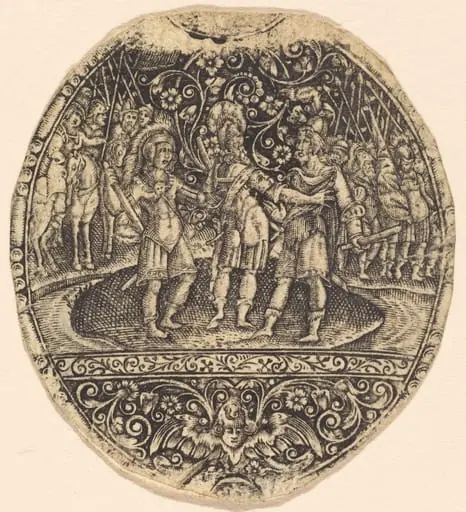
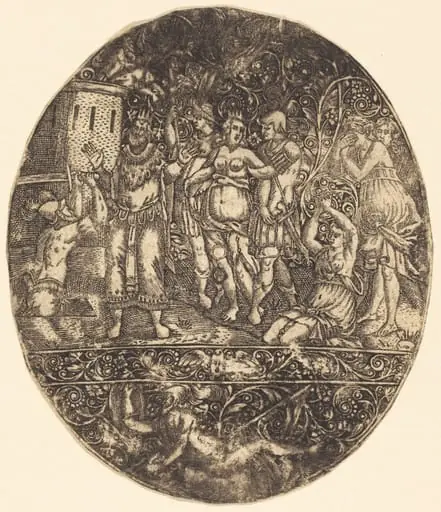
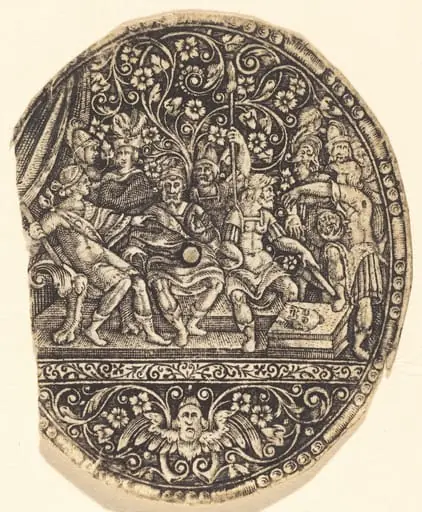
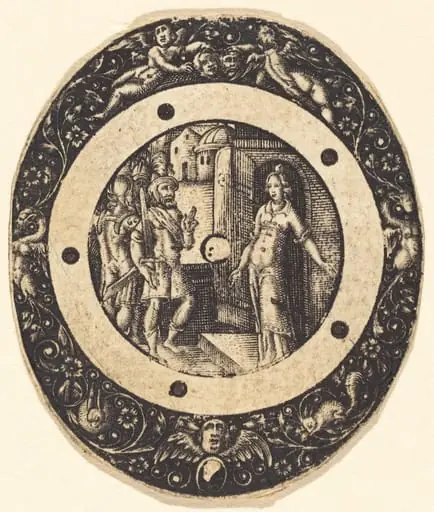
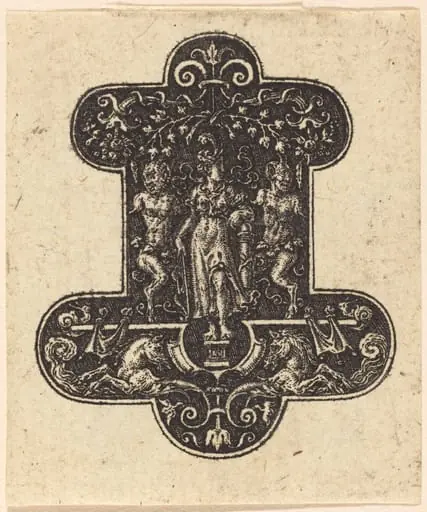
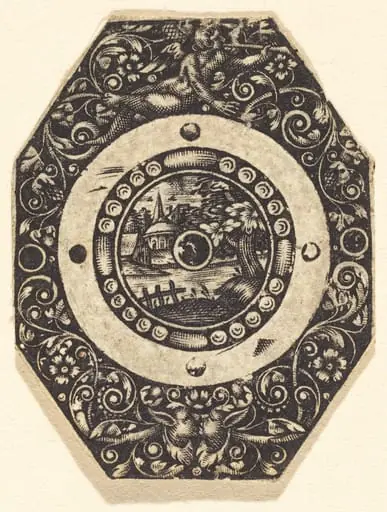
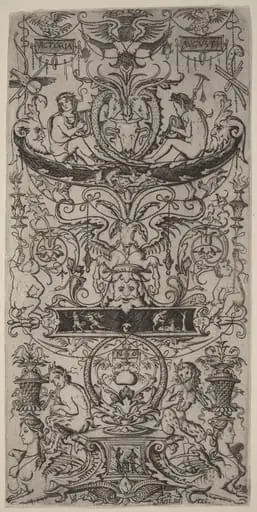
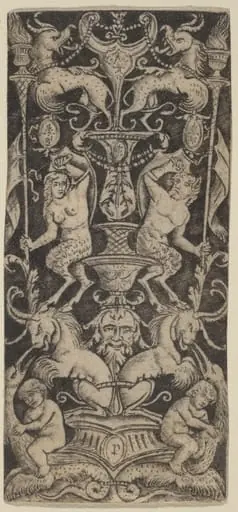
Created in 1612 by Antoine Jacquard, Man on Horseback is an engraved print that captures a dynamic, crowded composition. The central figure, a mounted rider raising a spear, is framed by intricate, swirling ornamentation and diminutive figures. The dark, finely incised lines of the metal plate generate contrast and movement, drawing attention to the rider while surrounding elements suggest a mythic or allegorical atmosphere.
Subject & Meaning
The central rider, though unidentified, appears as a figure of authority amid a chaotic backdrop of symbolic forms—twisting vines, masked faces, and abstract shapes. These elements may allude to themes of power, divine intervention, or the turbulence of human endeavor. The distant building hints at a structured world beyond the rider’s immediate action, suggesting a tension between individual agency and larger forces.
Technique & Style
Jacquard employed fine, controlled engraving lines to model form and depth, using cross-hatching and delicate contours to render shadows and texture. The dense, ornamental borders contrast with the clarity of the central figure, demonstrating a Mannerist preference for complexity and visual tension. The print’s precision reveals the artist’s mastery of the burin, a tool requiring both technical skill and patience.
History & Provenance
The print dates from the early 17th century, a period when engraved illustrations were widely circulated for scholarly and decorative purposes. While little is documented about Jacquard’s life, his work aligns with Flemish and French printmaking traditions of the time. The survival of this impression suggests it was valued enough to be preserved, though its original commission or audience remains unknown.
Context
In early 1600s Europe, engraved prints served as vehicles for disseminating imagery beyond painting and sculpture. Jacquard’s work reflects the era’s fascination with allegory and intricate design, influenced by Northern Renaissance traditions and the courtly tastes of the time. Such prints were often collected by intellectuals and nobility, functioning as both art and intellectual curiosities.
Legacy
Man on Horseback stands as an example of the technical refinement achievable in early modern engraving. Though not widely reproduced in modern scholarship, it contributes to the understanding of how symbolic imagery was rendered in print during a period of expanding visual culture. Its intricate detail continues to invite close study among historians of print and iconography.
Artist & collection