Artwork
The Adoration of the Shepherds
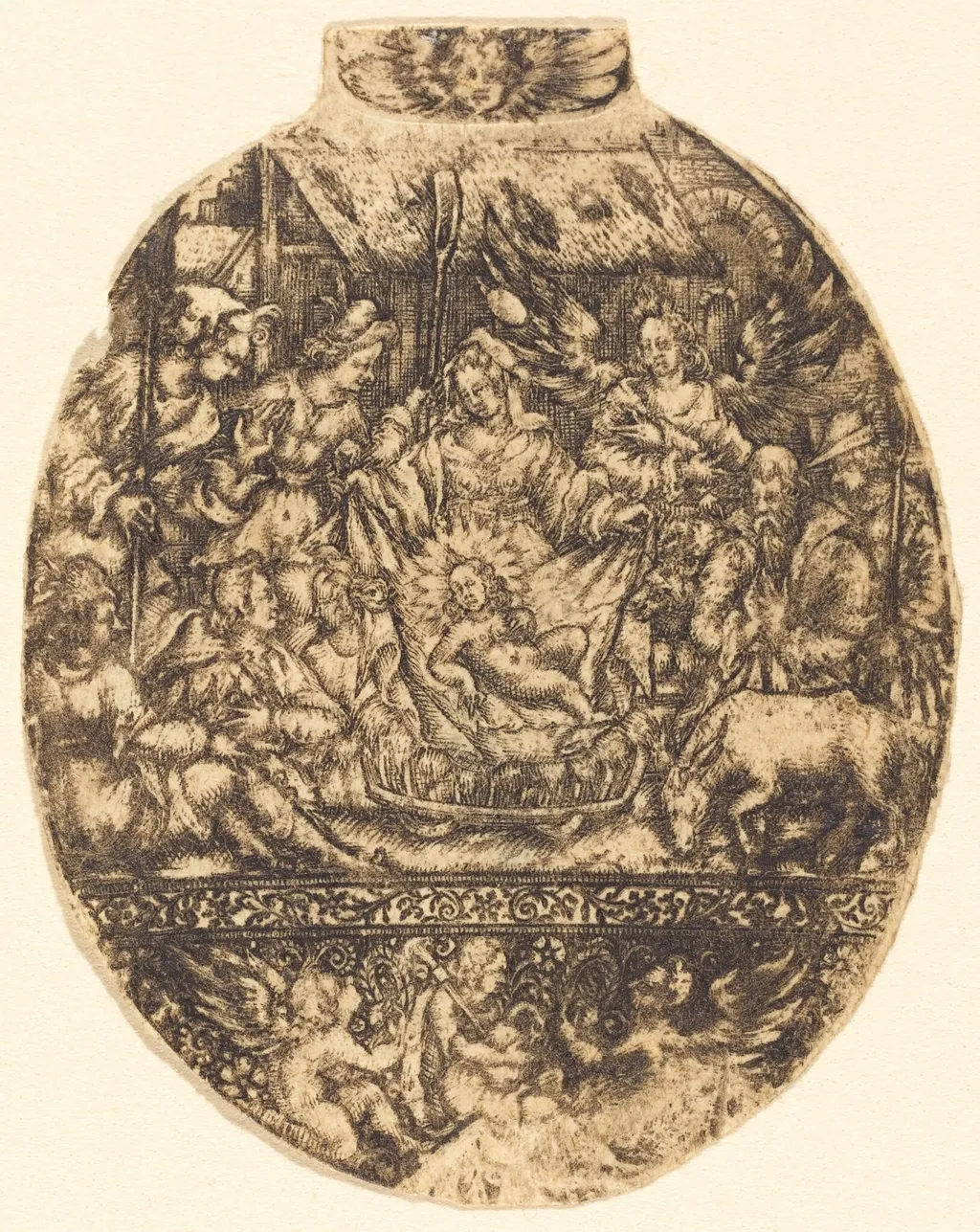
The Adoration of the Shepherds is an ink print by the Renaissance artist Antoine Jacquard. It dates from 1612 and is held in the collection of the National Gallery of Art.
About this work
Overview
Antoine Jacquard’s 1612 engraving titled The Adoration of the Shepherds presents a compact, nocturnal tableau of the Nativity. Executed on a single copper plate, the print gathers a multitude of figures and animals around a central infant in a manger, while distant onlookers occupy the shadowed background.
Subject & Meaning
The composition illustrates the biblical episode in which shepherds, drawn by a celestial announcement, come to venerate the newborn Christ. By placing the holy child at the heart of a bustling crowd, the work emphasizes communal reverence and the convergence of the divine with ordinary life.
Technique & Style
Jacquard employs dense cross‑hatching, layering fine, intersecting lines to generate deep shadows and a sense of volume. This method creates a dramatic chiaroscuro effect, rendering the crowded space with texture and depth despite the limitations of the print medium.
History & Provenance
Created in the early seventeenth century, the engraving reflects the period’s devotional print market. Although specific ownership records are scarce, the plate was likely circulated among collectors of religious imagery in France and neighboring regions.
Context
The work belongs to a tradition of printed Nativity scenes that served both devotional and didactic purposes. Its crowded composition and emphasis on ordinary figures align with Counter‑Reformation efforts to make sacred narratives accessible to a broad audience.
Legacy
Jacquard’s handling of line and shadow contributed to the development of narrative engraving in France, influencing later printmakers who sought to convey complex scenes within the confines of a single plate.
Artist & collection


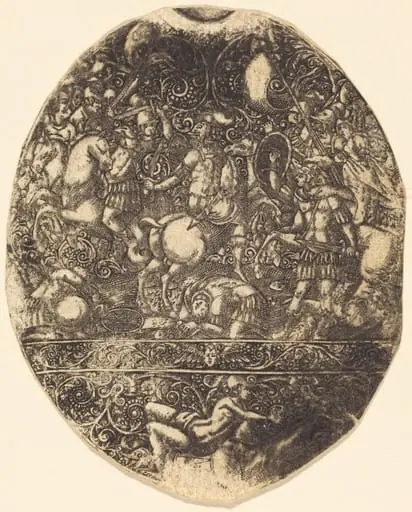
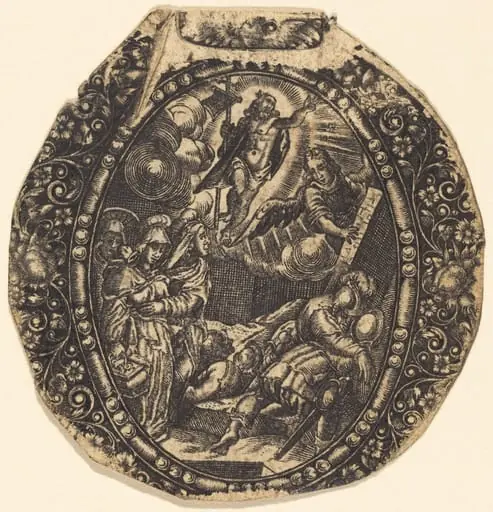
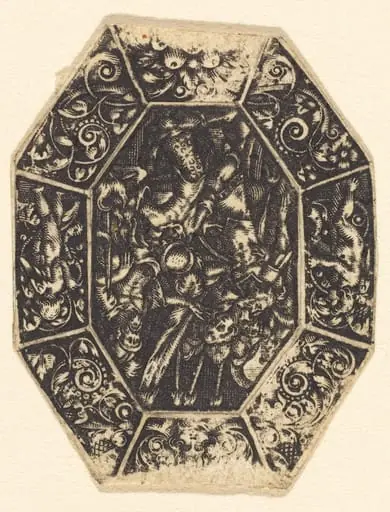
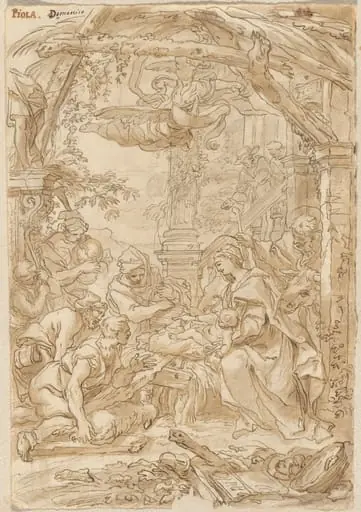 The Adoration of the Shepherds
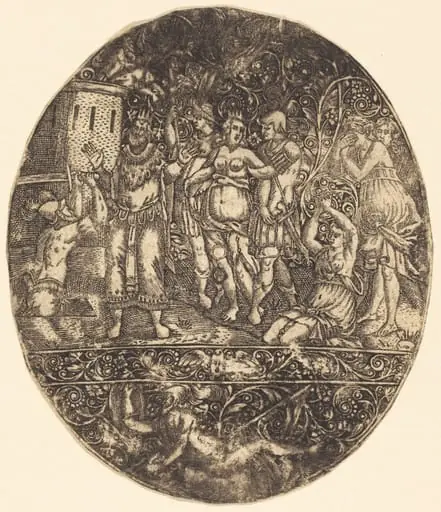 The Capture of Troy
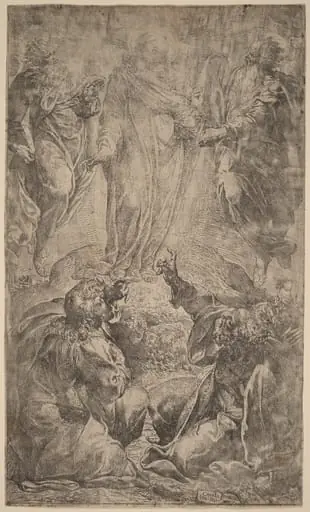 The Transfiguration
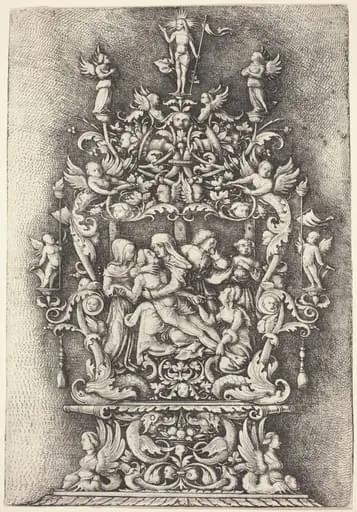 Reliquary with Pietà
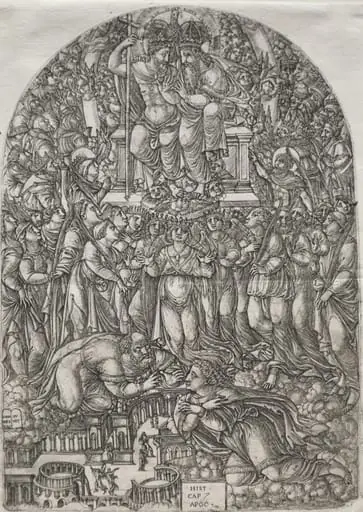 The Apocalpse: An Innumerable Multitude which stand before the Throne
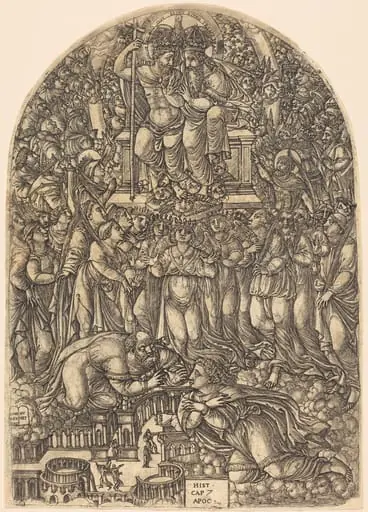 The Multitude Which Stands before the Throne
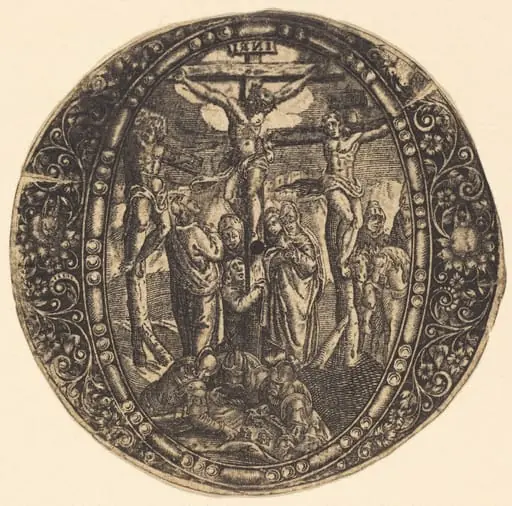 The Crucifixion
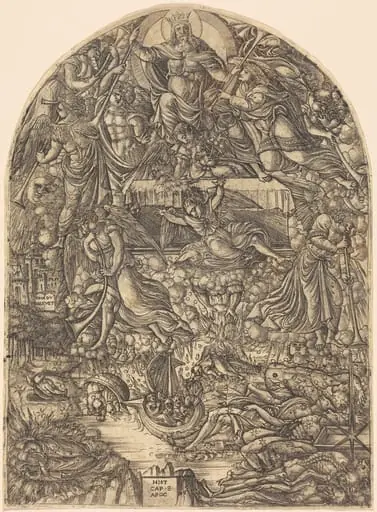 The Opening of the Seventh Seal
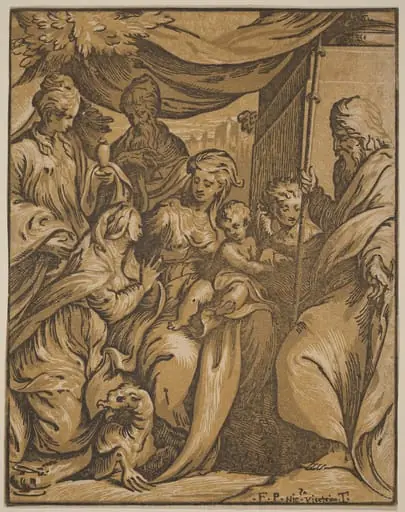 The Virgin and Child with Saints
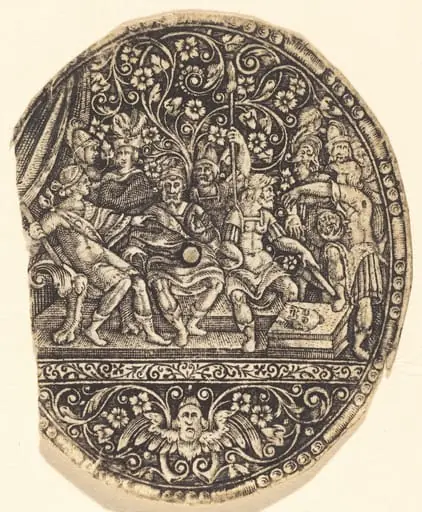 Execution
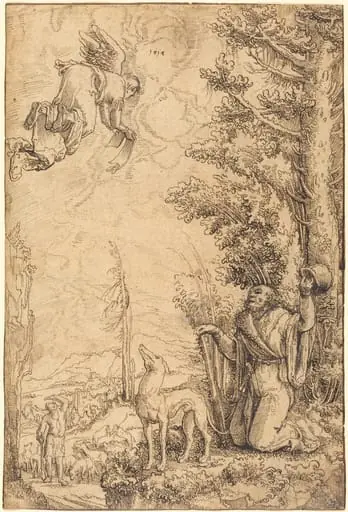 The Annunciation to Joachim