Artwork
Nieder-oesterreich, Die Ferdinand Brucke in Wien
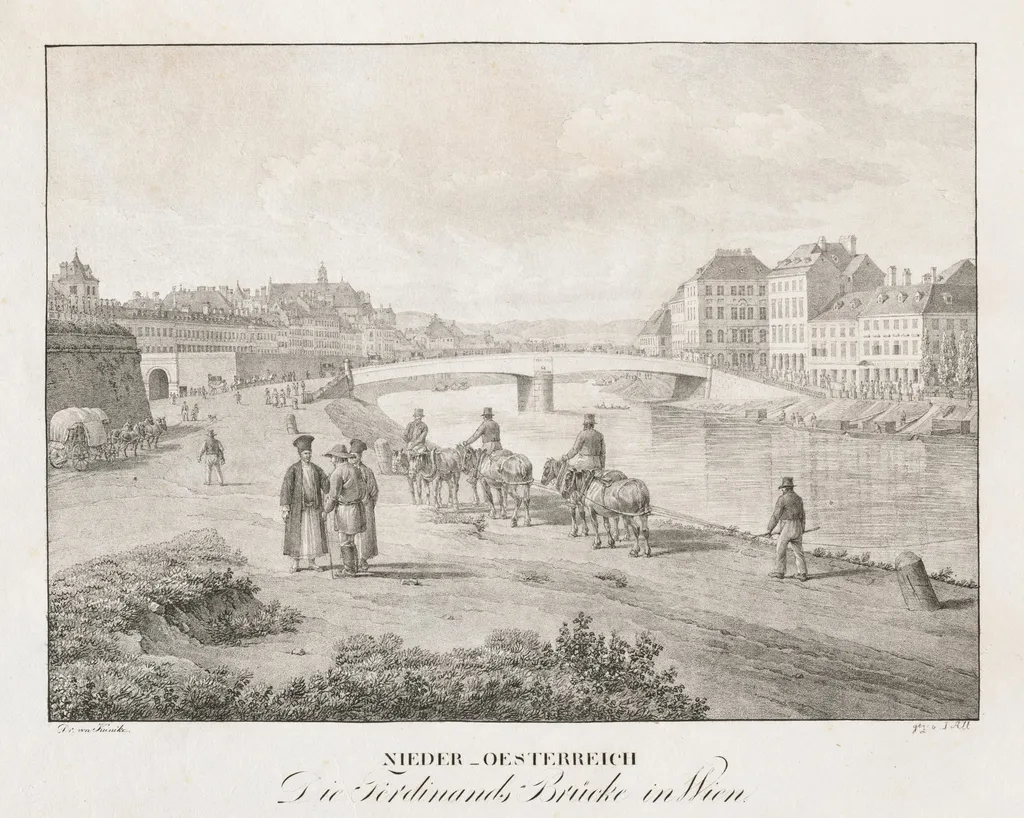
Nieder-oesterreich, Die Ferdinand Brucke in Wien is a print by Jakob Alt. It dates from 1839 and is held in the collection of the Cleveland Museum of Art.
About this work
Overview
Created around 1839 by Jakob Alt, this ink and watercolor sketch depicts a riverside scene in Vienna. The work captures the Ferdinand Bridge, a key crossing over the Danube, surrounded by daily activity. It is part of the collection at The Cleveland Museum of Art, where it is preserved as a detailed observational record of mid-19th-century urban life in the Austrian capital.
Subject & Meaning
The scene portrays ordinary life along the Danube, with pedestrians, horse-drawn carts, and figures gathered near the water. The bridge serves as both a physical link and a social hub, connecting neighborhoods and facilitating commerce. Alt’s inclusion of vendors, laborers, and onlookers suggests an interest in the rhythms of public space rather than grand monuments.
Technique & Style
The perspective is slightly elevated, allowing the viewer to absorb the full scope of the bridge and its surroundings without artificial drama.
Alt employed fine ink lines and subtle watercolor washes to render architecture, figures, and movement with precision. The composition is densely populated, with careful attention to individual details—harnesses, clothing folds, and architectural textures. The perspective is slightly elevated, allowing the viewer to absorb the full scope of the bridge and its surroundings without artificial drama.
History & Provenance
The sketch was likely made during Alt’s travels in the Austrian Empire, documenting urban infrastructure and civic life. It entered the Cleveland Museum of Art’s collection through documented acquisition, though its earlier ownership prior to the 20th century remains unrecorded. Its survival as a single sheet reflects its value as a study rather than a finished exhibition piece.
Context
In the 1830s, Vienna was expanding rapidly, with bridges like Ferdinand’s becoming vital to its growth. Alt’s work aligns with a broader European trend of topographical drawing, where artists recorded changing cityscapes amid industrialization. Unlike romanticized views, this sketch emphasizes functional urbanism, reflecting a shift toward documentary realism in Austrian art.
Legacy
Though not widely exhibited, the sketch contributes to understanding how artists of the period engaged with everyday urban environments. It stands as a quiet testament to the observational practices of 19th-century draftsmen, preserving a moment in Vienna’s development before major modernization transformed its riverbanks.
Artist & collection


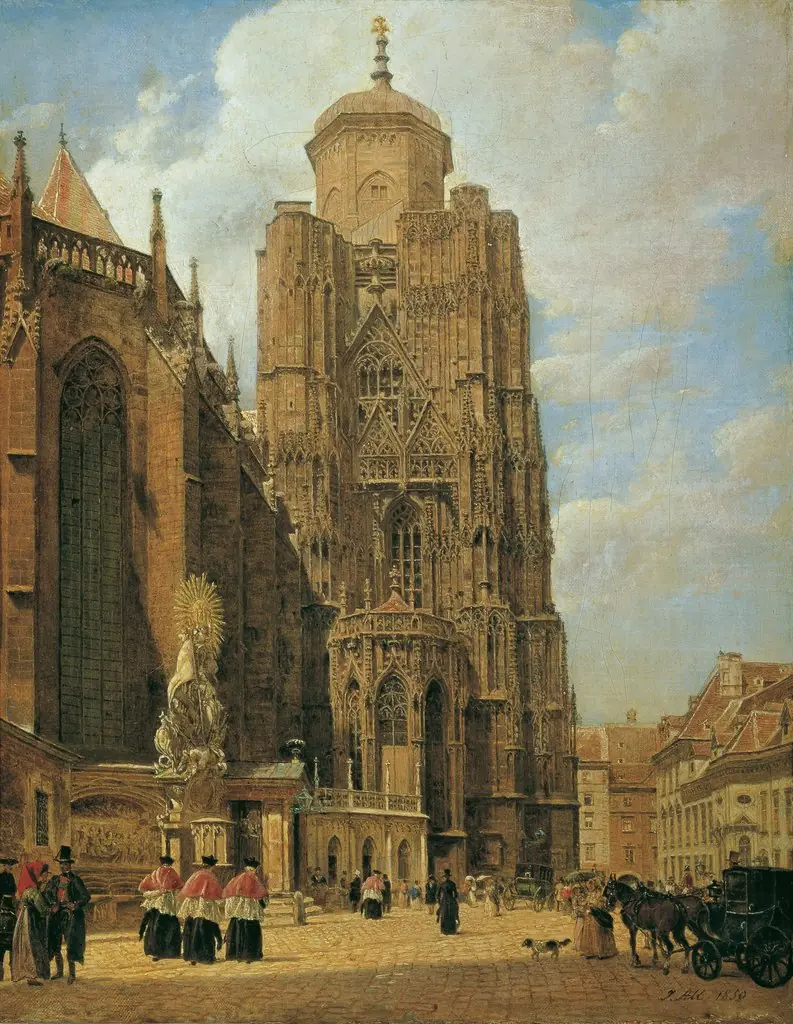 St. Stephen's Cathedral in Vienna
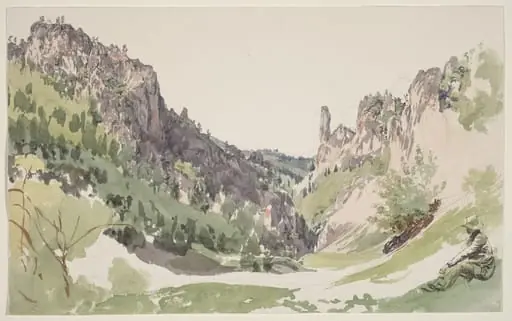 A Seated Man Contemplating a Sunlit Mountain Valley
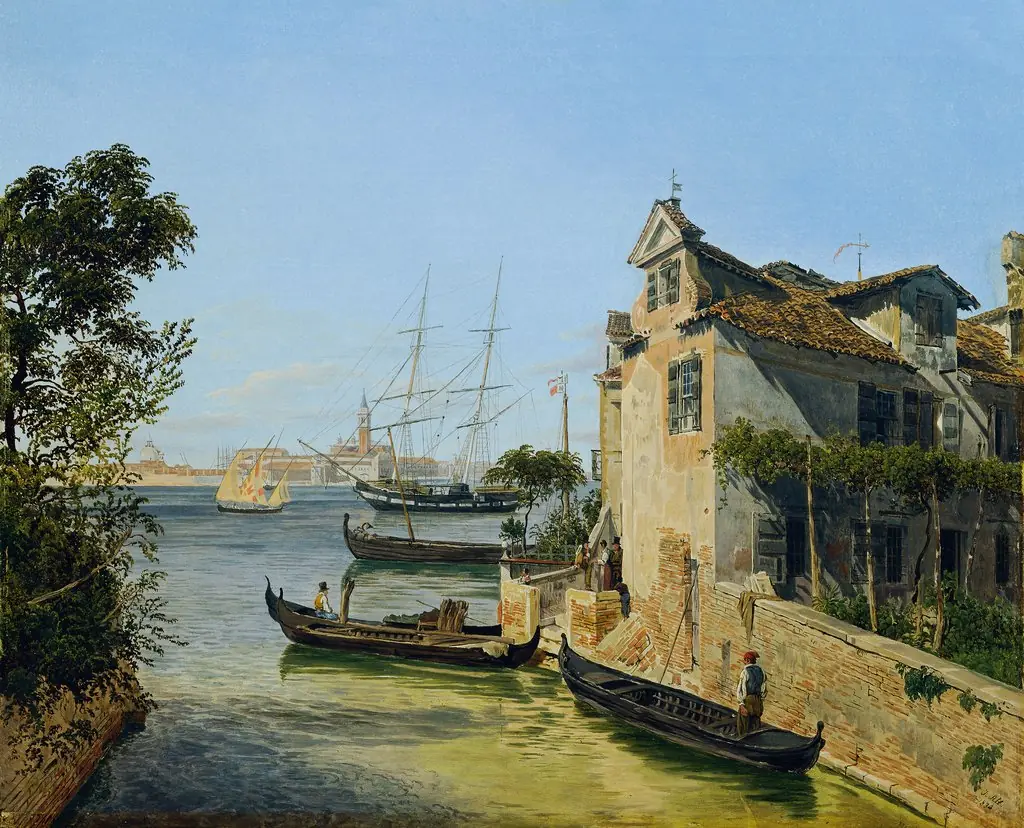 View of San Giorgio Maggiore in Venice
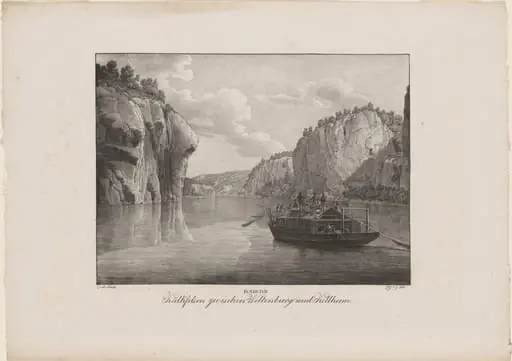 Baiern, Kalkfelsen zwischen Weltenburg und Kellheim (Bavaria, Chalk Cliffs between Weltenburg and Kellheim)
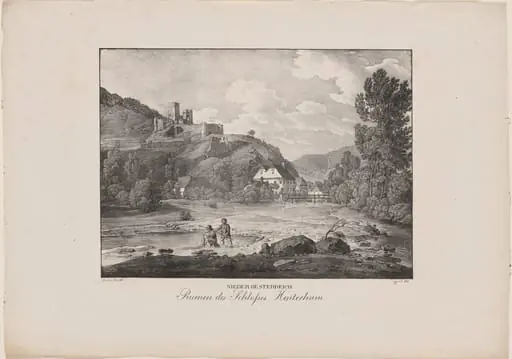 Nieder-Oesterreich, Ruinen des Schlosses Hinterhaus (Lower Austria, Ruins of Hinterhaus Castle)
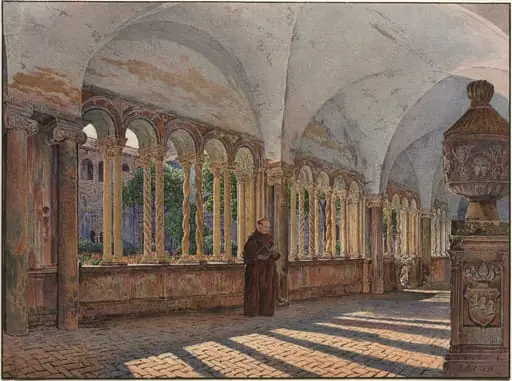 View of the Cloister of San Giovanni in Laterano, Rome
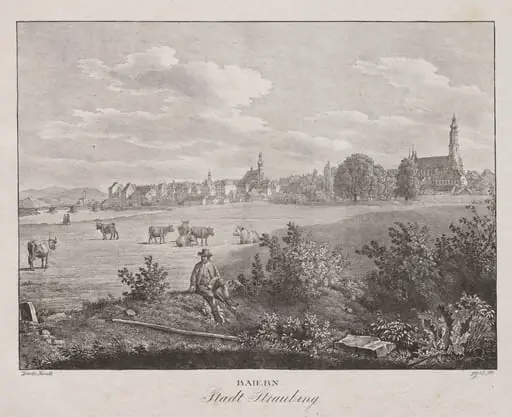 Baiern, Stadt Straubing
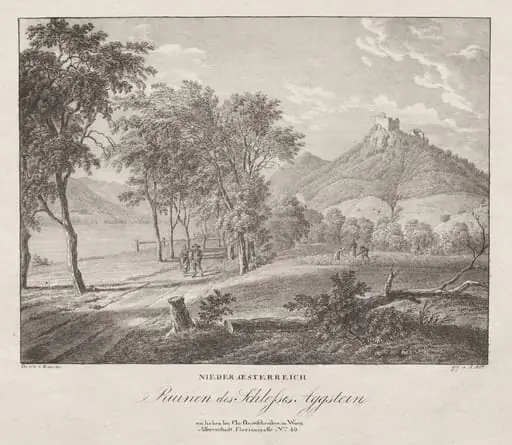 Nieder-oesterreich, Ruinen des Schlosses Aggenstein
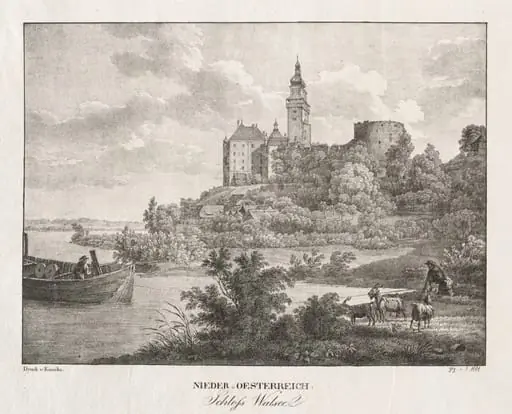 Nieder-oesterreich, Schloss Walseel
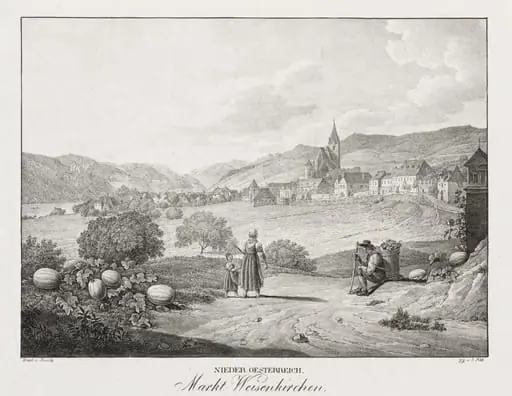 Nieder-oesterreich, Markt Weisenkirchen
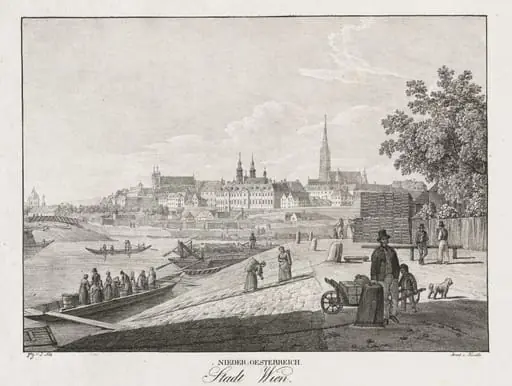 Nieder-oesterreich, Stadt Wien
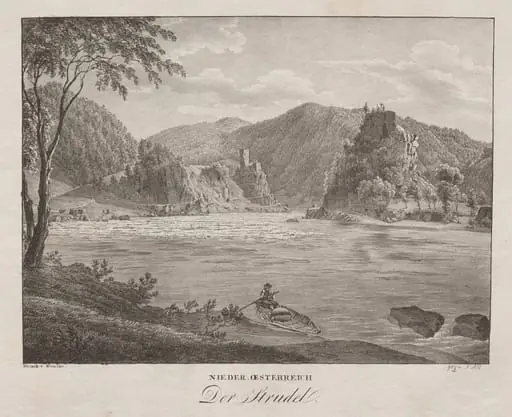 Nieder-oesterreich, Der Strudel
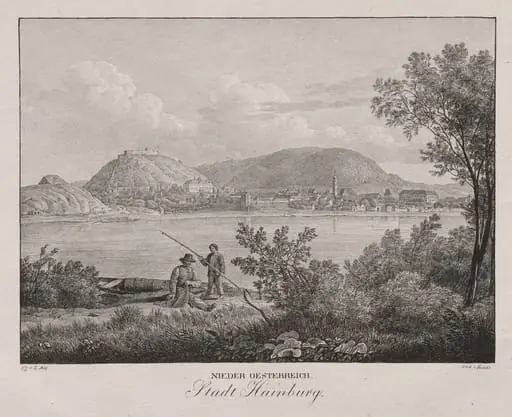 Nieder-oesterreich, Stadt Hainburg
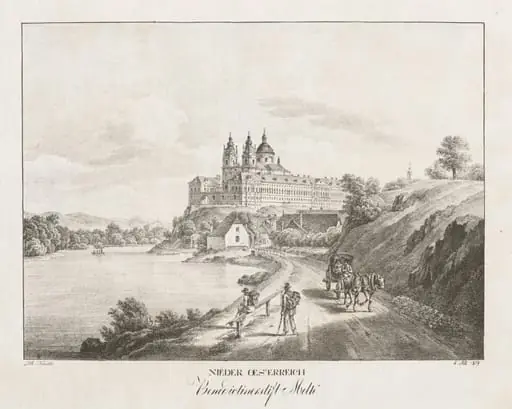 Nieder-oesterreich, Benedictinerstift Melk
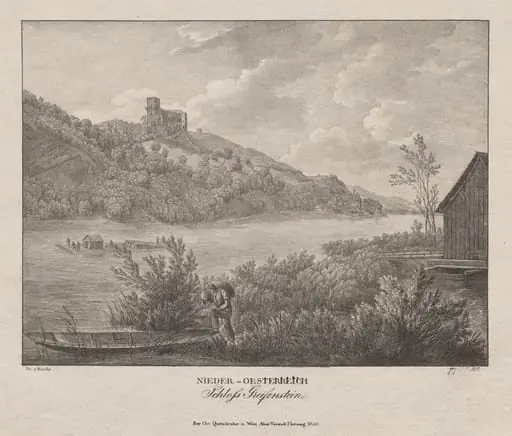 Nieder-oesterreich, Schloss Greifenstein
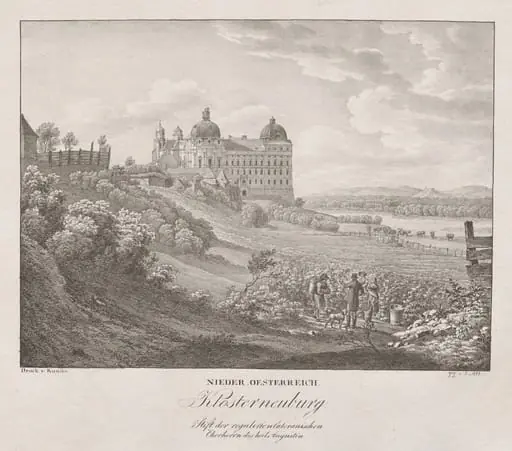 Nieder-oesterreich, Klosterneuberg
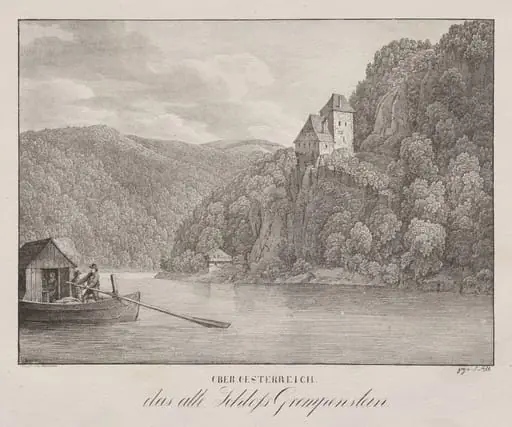 Nieder-oesterreich, Das Alte Schloss Grempenstein
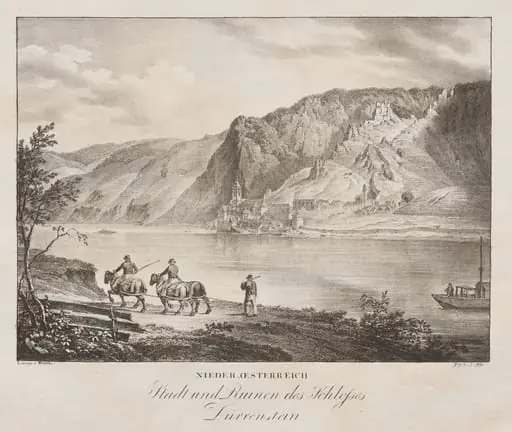 Nieder-oesterreich, Stadt und Ruinen des Schlosses
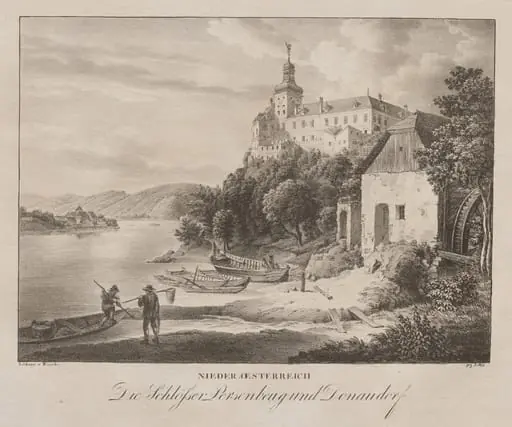 Nieder-oesterreich, Die Schlosser Persenbeug