Artwork
The Cathedral
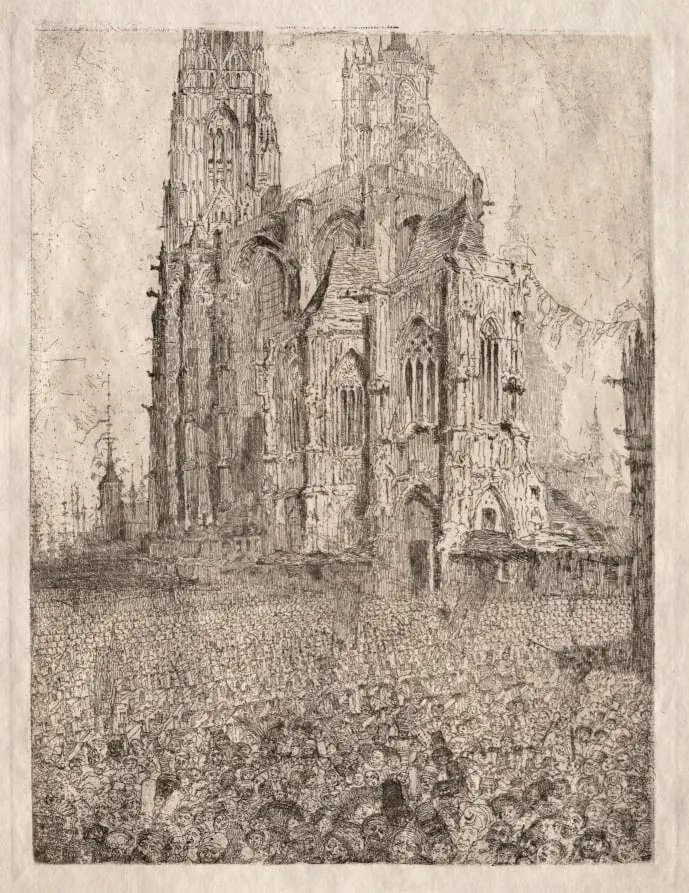
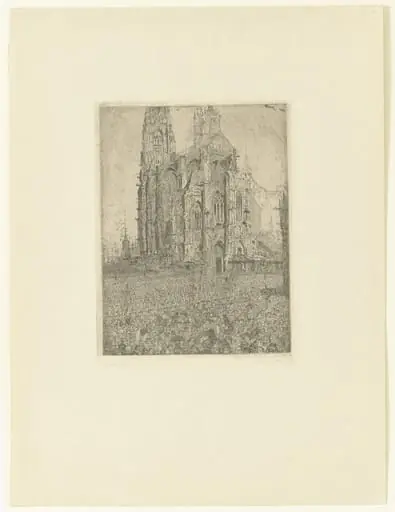
The Cathedral is a print by the Impressionist artist James Ensor. It dates from 1886 and is held in the collection of the Cleveland Museum of Art.
About this work
Look up more of James Ensor (Belgian, 1860–1949) to see how he turned crowds into chaos.
You see a huge, crumbling cathedral packed with a mob of strange, mask-like faces.
Ensor drew this with tiny, scratchy lines—almost like a nervous doodle. Most artists at the time painted smooth, pretty scenes. Here, the building feels solid, but the crowd looks wild and shaky. It’s like the people are temporary, but the stone lasts forever.
Look up more of James Ensor (Belgian, 1860–1949) to see how he turned crowds into chaos.
Overview
James Ensor created this etching as part of his exploration into the psychological weight of public space and institutional authority. Using fine, agitated lines typical of etching, he rendered a massive Gothic cathedral with meticulous precision, contrasting its enduring structure with a seething mass of distorted human figures. The work diverges sharply from the polished aesthetics of his contemporaries, favoring emotional intensity over visual harmony.
Subject & Meaning
The cathedral, rendered with architectural accuracy, symbolizes enduring tradition and spiritual permanence. Surrounding it, a chaotic throng of mask-like faces—some menacing, some absurd—suggests the volatility of collective behavior. Ensor does not depict worship but rather a swarm of anonymous, almost animalistic presences, implying a tension between institutional stability and the irrational forces of society.
Technique & Style
Ensor employed fine, repetitive etching lines to build texture and movement, creating a nervous, almost trembling surface. The cathedral’s stonework is meticulously detailed, while the figures are rendered with loose, overlapping strokes that suggest instability. This contrast in mark-making heightens the dichotomy between the solid and the transient, the eternal and the ephemeral, in a way that was unconventional for printmaking at the time.
History & Provenance
Created in the late 19th century, this print emerged during Ensor’s most experimental phase, when he was distancing himself from academic norms. It was likely produced in his Brussels studio, where he worked primarily in print and watercolor. The work remained in private collections in Belgium before entering public institutional holdings, where it is now recognized as a key example of his symbolic approach to social critique.
Context
In an era dominated by Impressionism and Post-Impressionism’s focus on light and color, Ensor turned inward, using printmaking to explore psychological and societal unease. His work resonated with emerging Symbolist and Expressionist currents, though he remained largely isolated from major art movements. The cathedral, a familiar landmark in his native Ostend, became a vessel for his meditation on decay, faith, and mass psychology.
Legacy
Ensor’s use of etching to convey emotional dissonance influenced later Expressionist artists who sought to externalize inner turmoil through distorted form. His rejection of aesthetic refinement in favor of raw, symbolic content helped redefine the potential of printmaking as a medium for psychological and social commentary, paving the way for 20th-century avant-garde practices.
Artist & collection
Artist
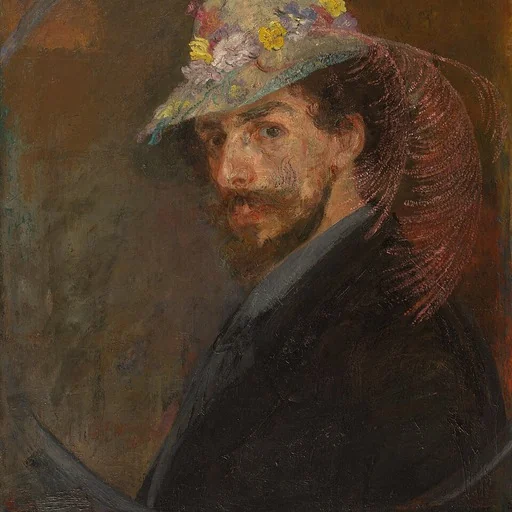
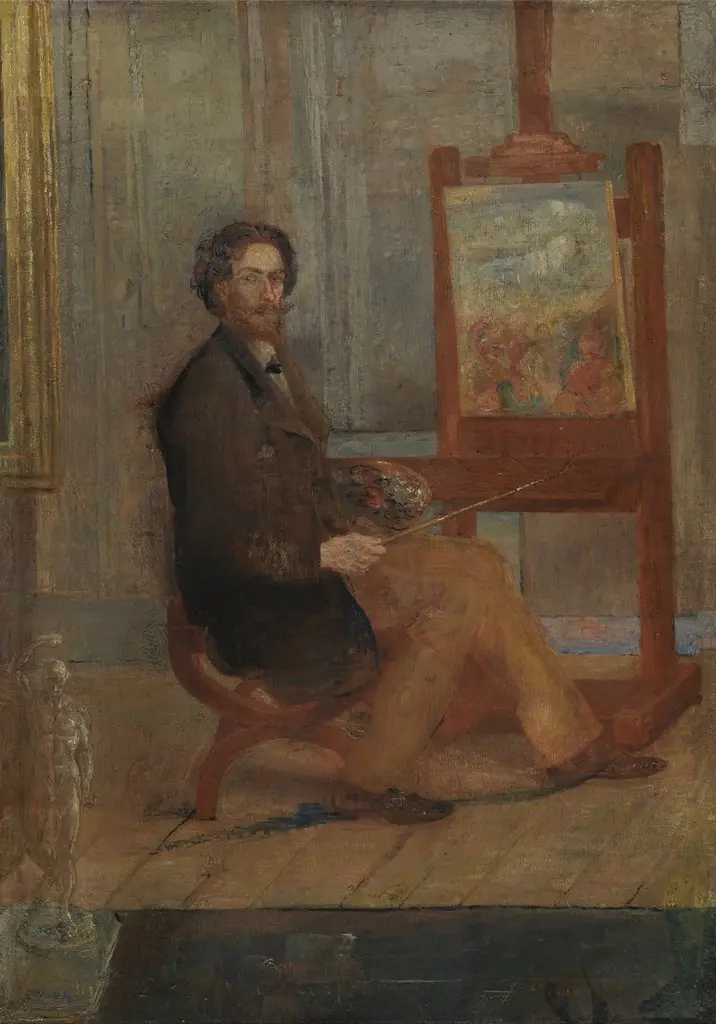
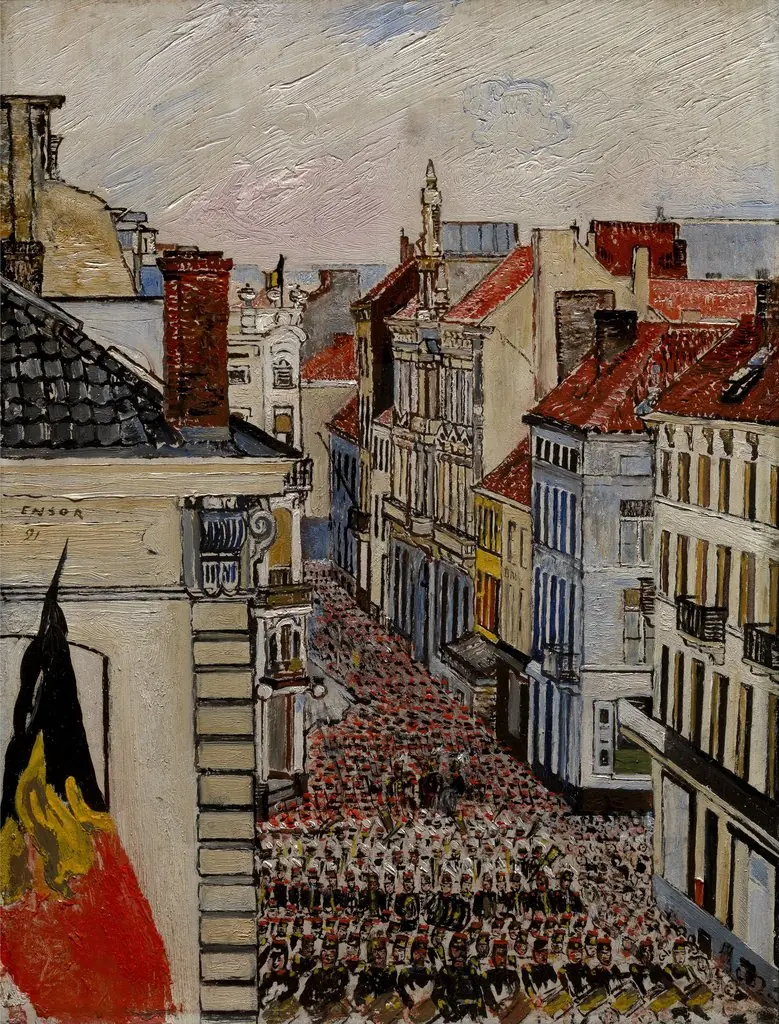
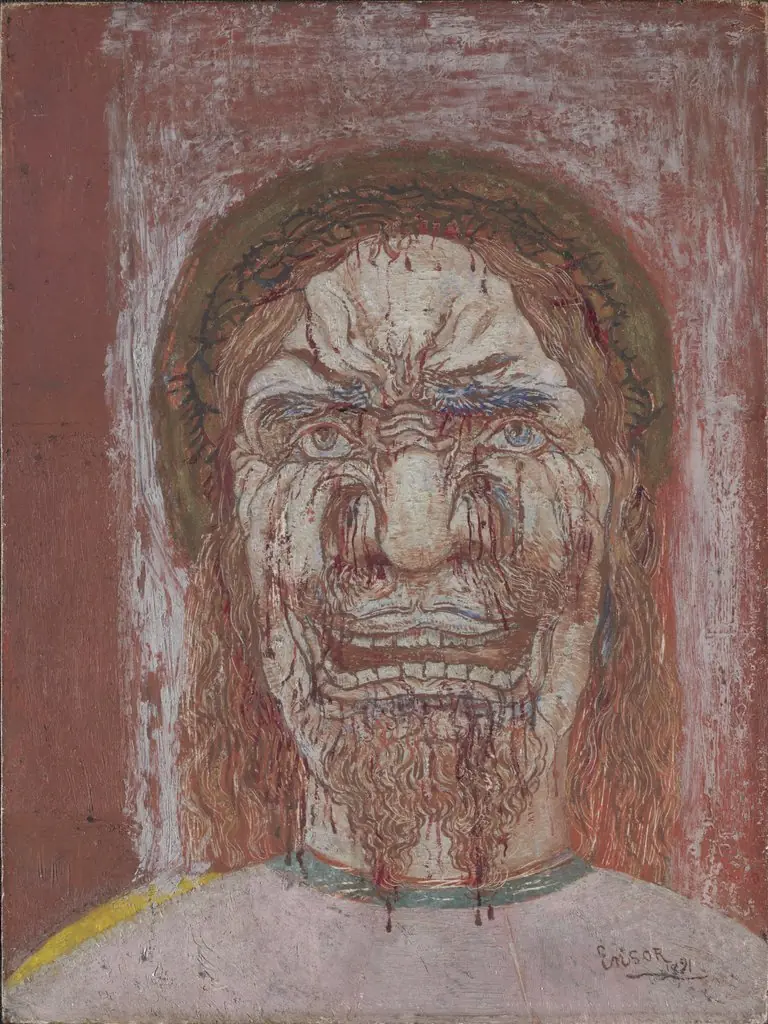
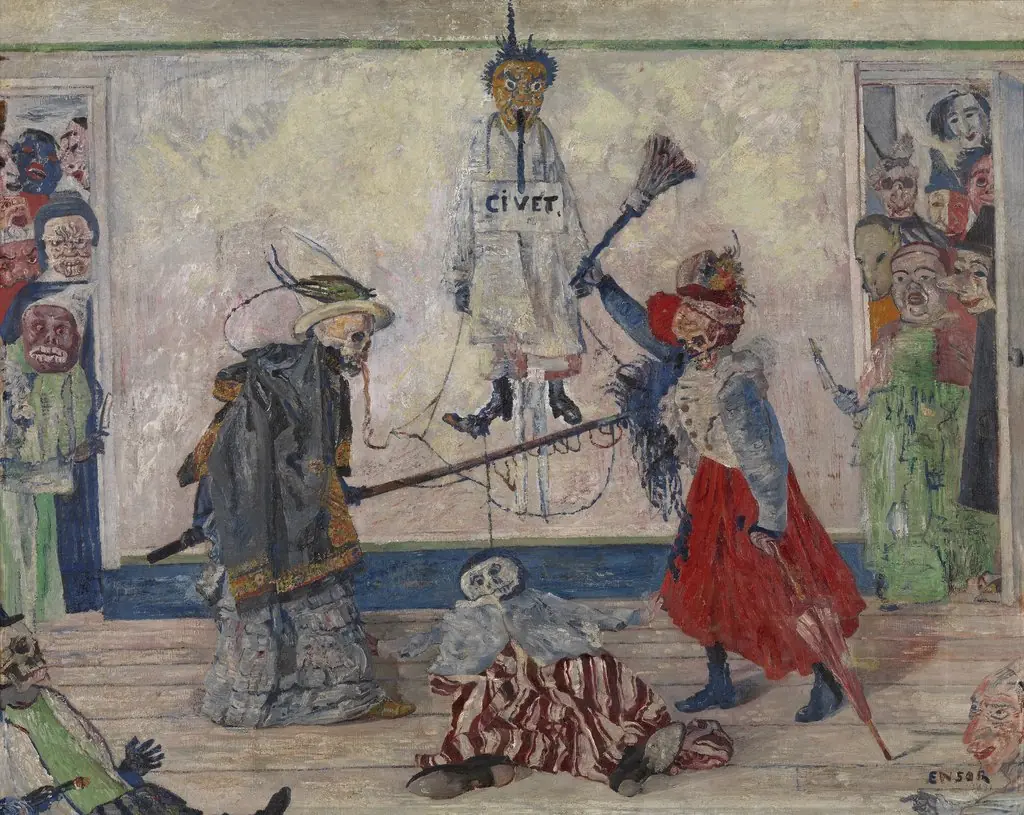
James Sidney Edouard, Baron Ensor (13 April 1860 – 19 November 1949) was a Belgian painter and printmaker, an important influence on expressionism and surrealism who lived in Ostend for most of his life.

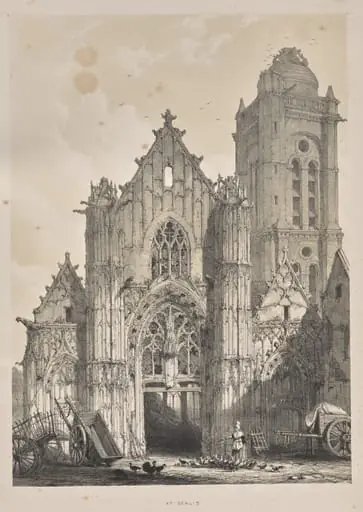 Architecture of the Middle Ages: At Senlis
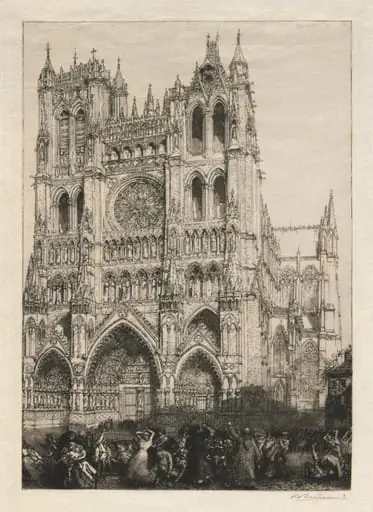 Amiens Cathedral, Inventory Day
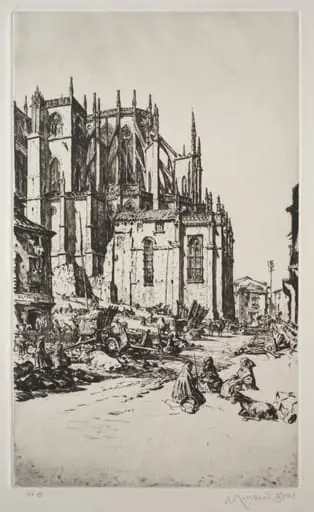 Study for Leon Apse
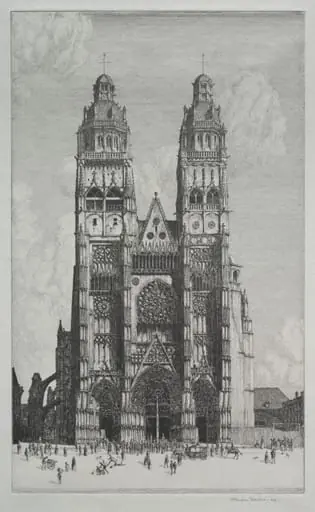 St. Gatiens, Tours
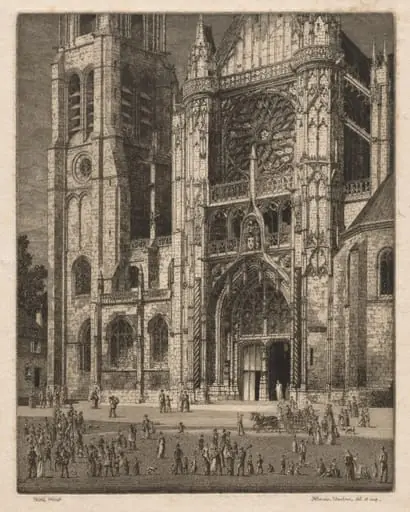 Sevins Cathedral
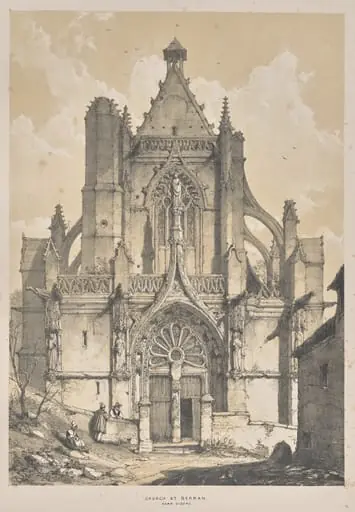 Architecture of the Middle Ages: Church at Serran, near Gisore
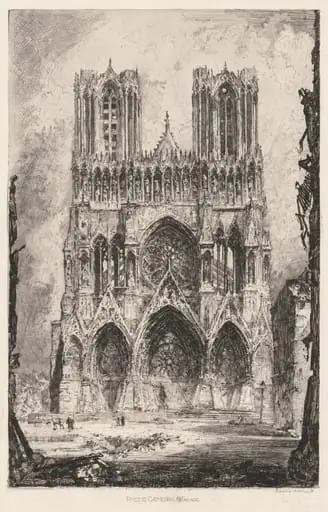 Rheims Cathedral, Facade
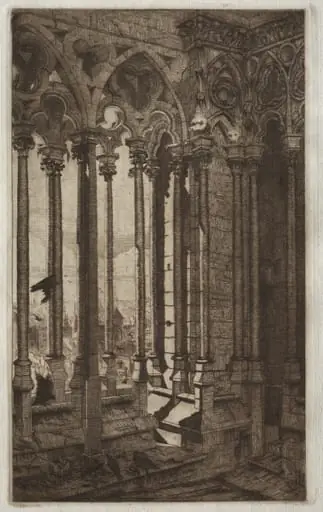 La Galerie Notre Dame
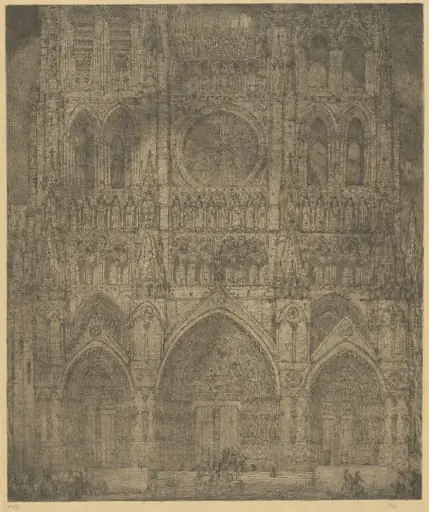 Amiens Cathedral
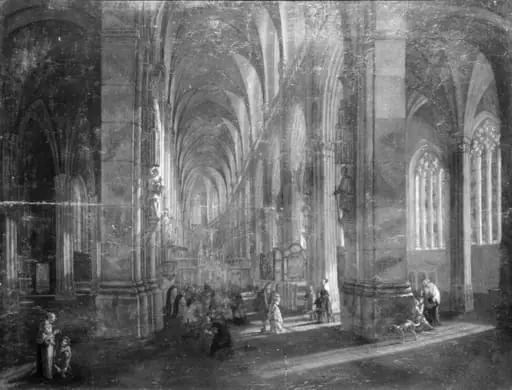 Interior of a Gothic Church
 Rheims Cathedral and Ruins of Archbishop's Palace
 Untitled