Artwork
Mary Bellows Kinsley Gardner 1801-1839
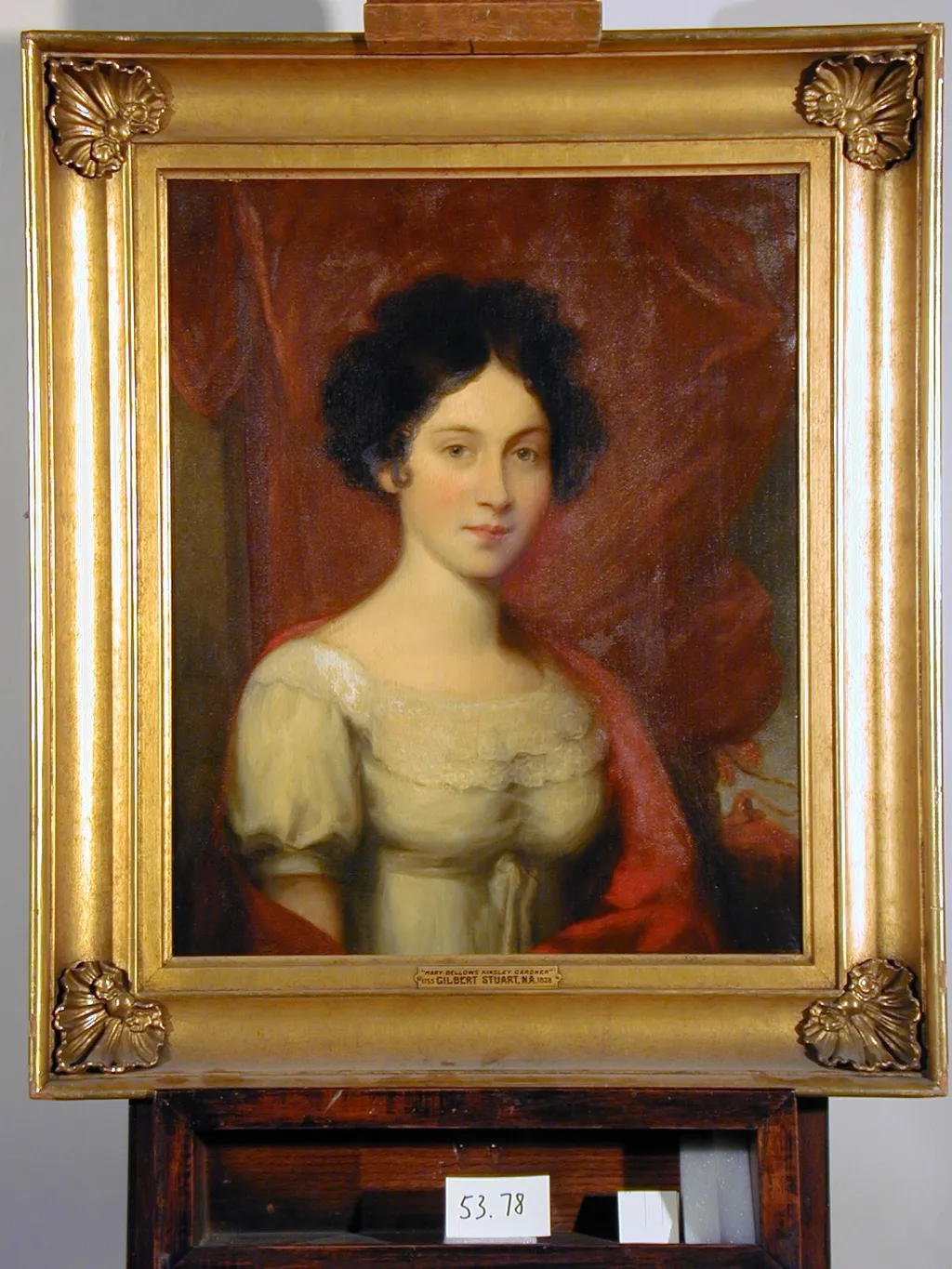
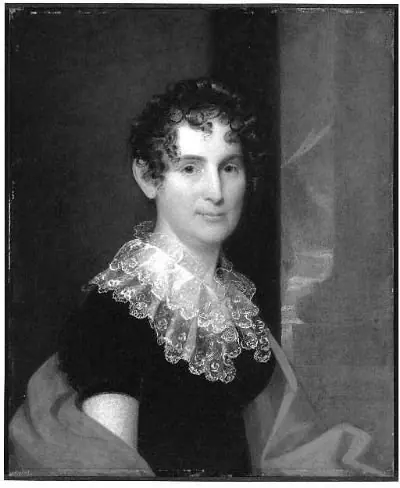
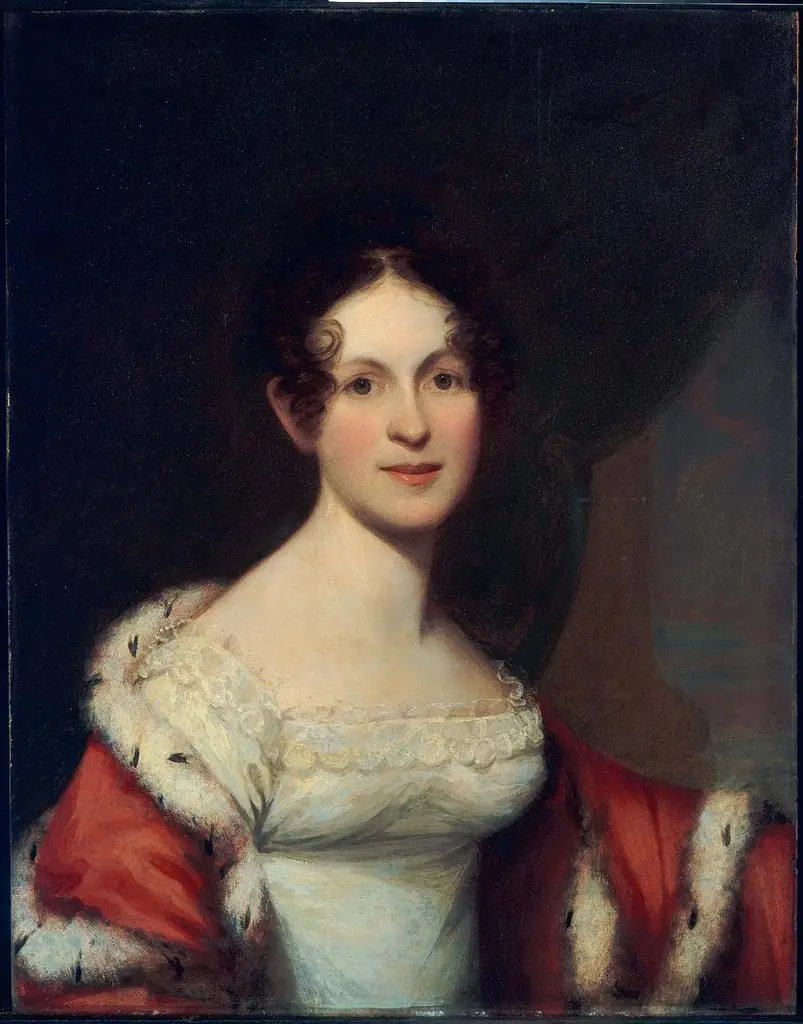
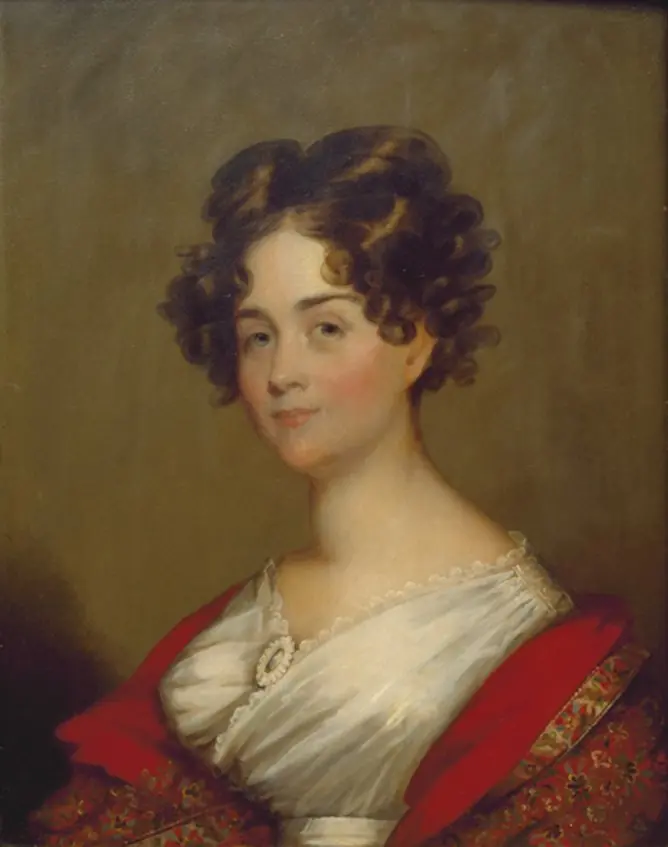
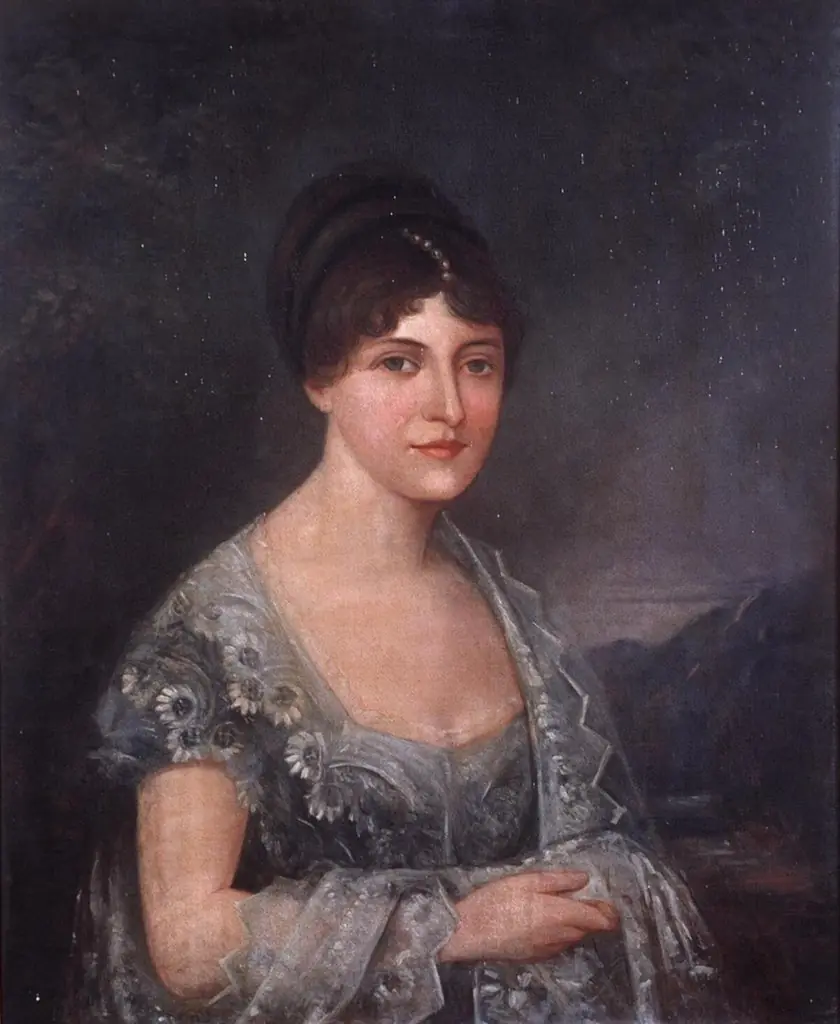
Mary Bellows Kinsley Gardner 1801-1839 is an oil painting by the American Folk Art artist James Frothingham. It dates from 1825 and is held in the collection of the Detroit Institute of Arts. This 1825 oil portrait depicts Mary Bellows Kinsley Gardner, a woman who lived from 1801 to 1839.
About this work
Overview
This 1825 oil portrait depicts Mary Bellows Kinsley Gardner, a woman who lived from 1801 to 1839. Executed by James Frothingham, a New England portraitist, the work is part of the Detroit Institute of Arts collection. The composition presents Gardner in a white dress with a red shawl, set against a deep crimson background, rendered with careful attention to facial features and fabric.
Subject & Meaning
The portrait functions both as a record of identity and as a visual affirmation of social standing within her community.
The sitter, Mary Bellows Kinsley Gardner, is shown with dark, curly hair and a composed expression, suggesting the conventions of genteel femininity in early‑19th‑century America. The white dress conveys modesty, while the red shawl adds a touch of personal or familial distinction. The portrait functions both as a record of identity and as a visual affirmation of social standing within her community.
Technique & Style
Frothingham employed oil on canvas, using fine brushwork to model the sitter’s face and the folds of her clothing. The palette—muted whites contrasted with a saturated red background—reflects the folk‑art aesthetic prevalent in the United States at the time, emphasizing clear outlines and modest realism over academic idealization.
History & Provenance
Created in 1825, the portrait entered the Detroit Institute of Arts through acquisition (date of accession not specified). James Frothingham, active in Massachusetts and New York, was a prolific portraitist whose career included commissions for regional families. He was also the father of fellow painter Sarah C. Frothingham, linking the work to a broader artistic lineage.
Context
The painting emerges from a period when American portraiture served both documentary and decorative purposes for emerging middle‑class families. Frothingham’s work aligns with the folk‑art tradition that favored straightforward representation and accessible materials, contrasting with the more elaborate European academic styles that were beginning to influence elite patrons.
Artist & collection
Artist
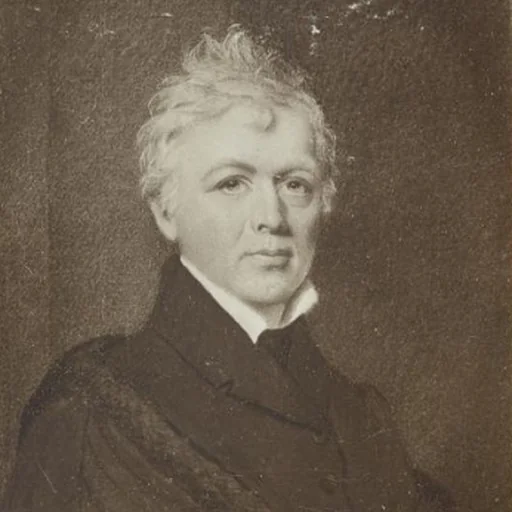
James Frothingham (1786–1864) was an American portrait painter in Massachusetts and New York. He was the father of the painter Sarah C. Frothingham.

 Margaret Seton (1805-1870), född i Skottland, verksam i Sverige, g.m. friherre överste Carl Gustaf Adlercreutz, sondotter till Alexander Baron Seton
 Ellen Vanderpoel McCoy
 Portrait of Charlotte Story Forrester
 Ann King
 Portret van Isabella van Lutsenborgh, echtgenote van Jacobus Dumery
 Portrait of Lady
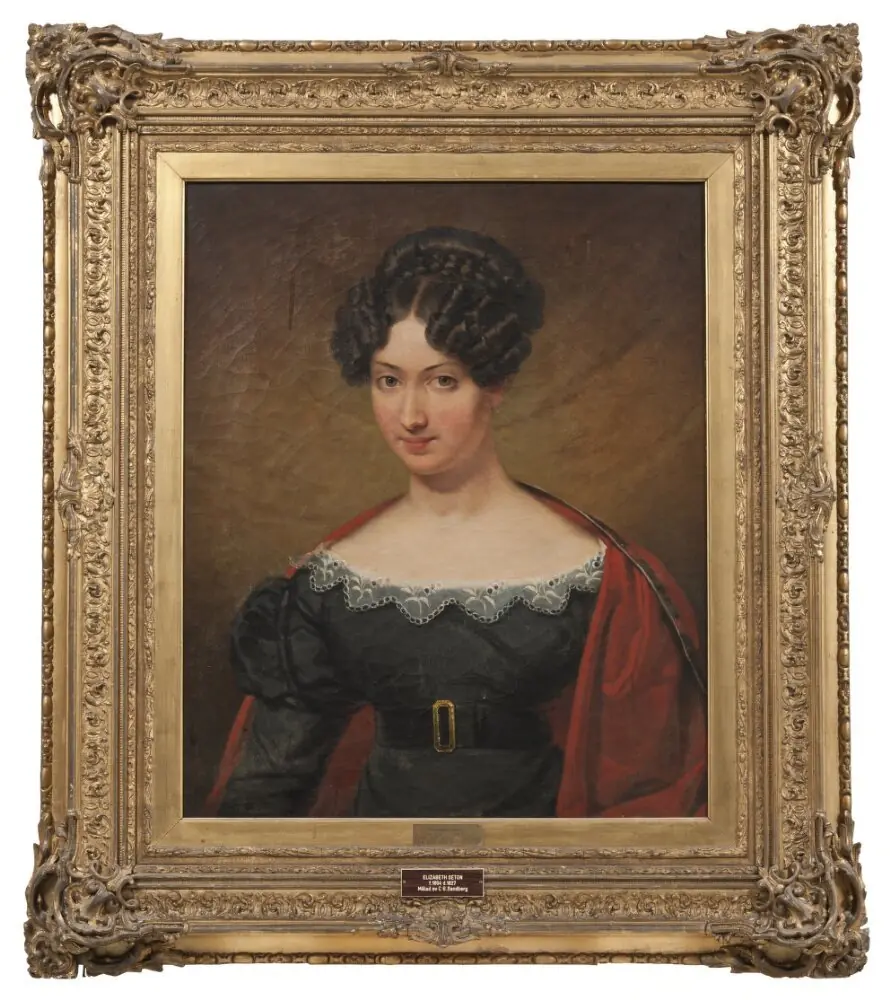 Elizabeth Seton (1804-1827), stiftsjungfru, sondotter till Alexander Baron Seton
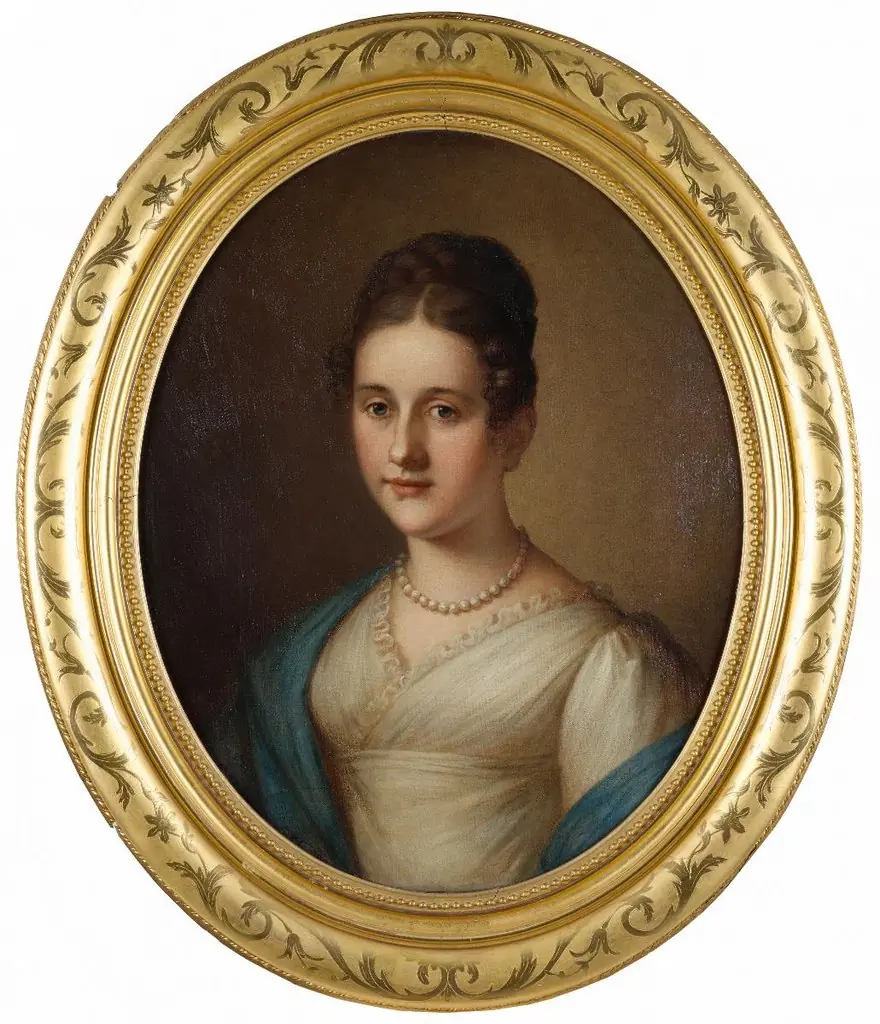 Bildnis Elisabeth Tobler, geborene Bindschedler
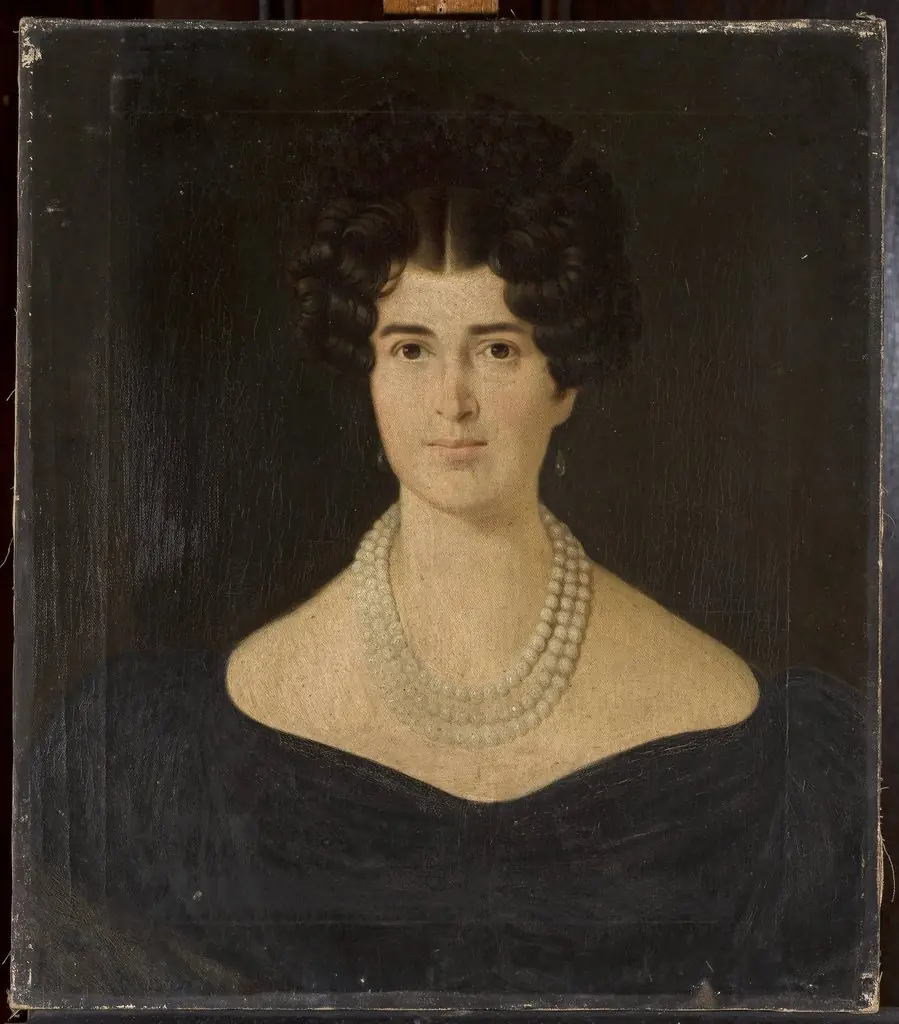 Portrait of Józefina Deboli née Drużbacka
 Portrait of a Lady
 Mrs Davies, Lime Grove, Carmarthen