Artwork
Stratford on Avon
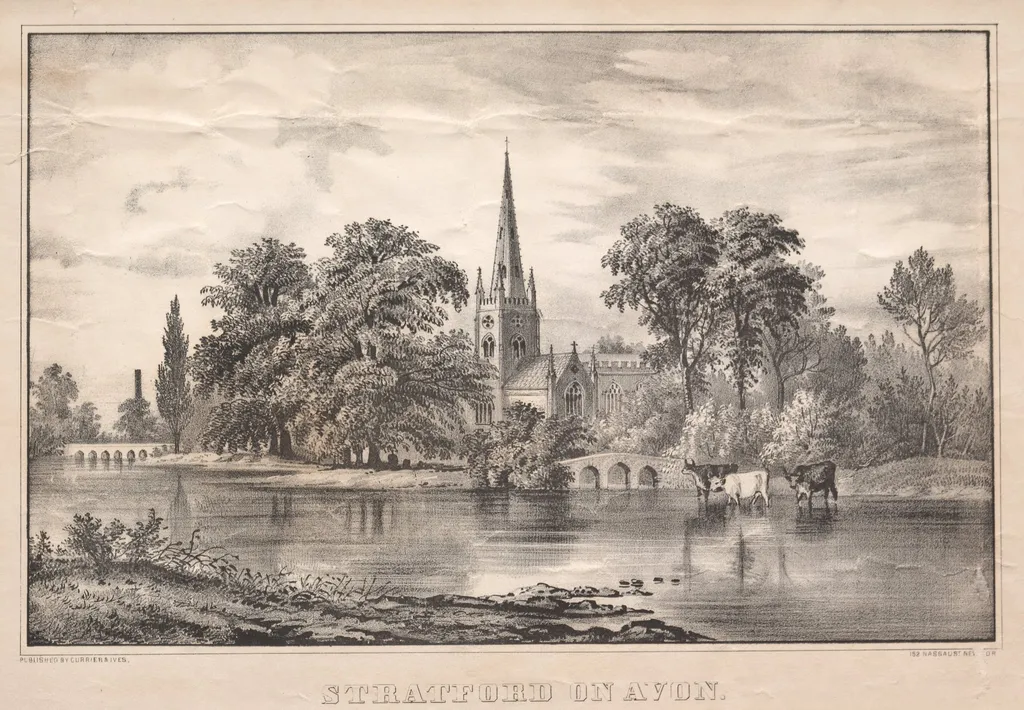
Stratford on Avon is a print by the Impressionist artist James Merritt Ives. It dates from 1856 and is held in the collection of the Cleveland Museum of Art.
About this work
Overview
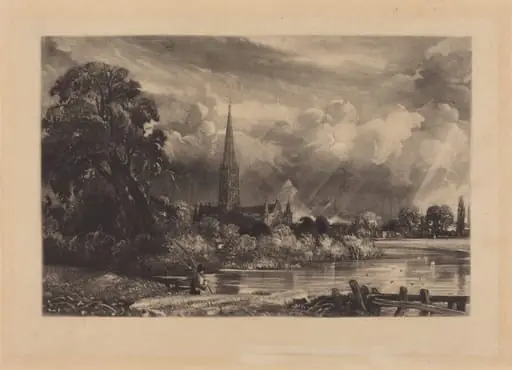
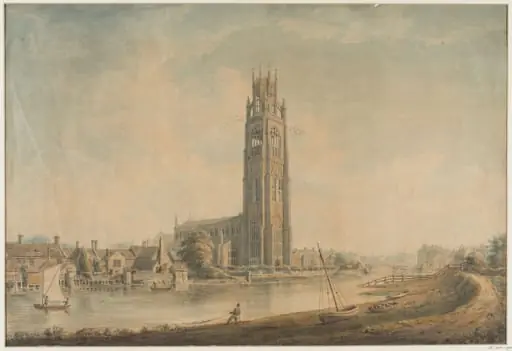
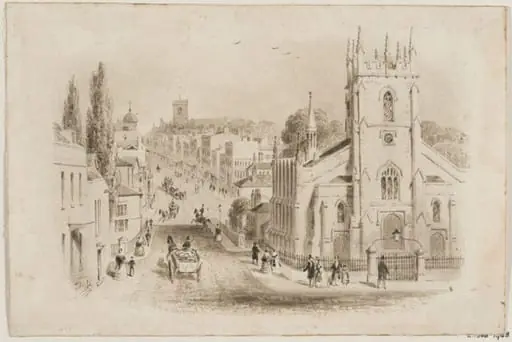
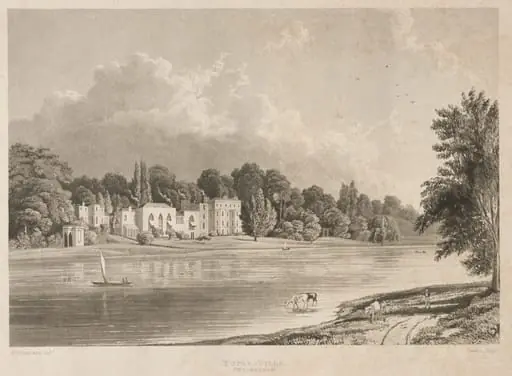
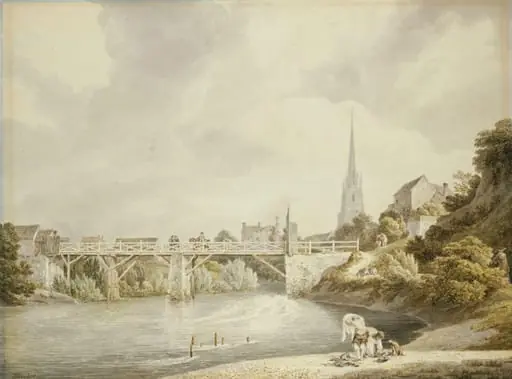
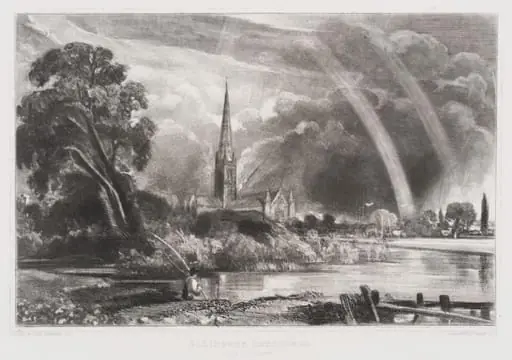
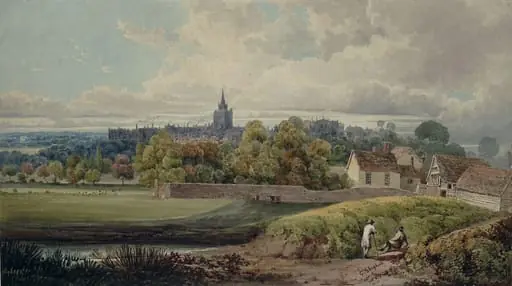
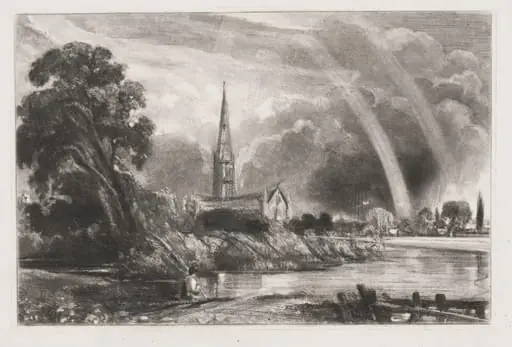
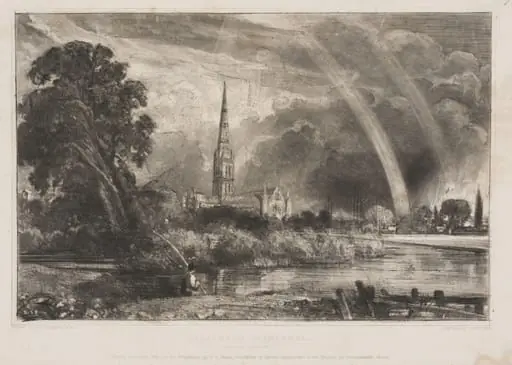
Stratford on Avon is a lithographic print produced in 1856 by James Merritt Ives. It depicts the English town associated with William Shakespeare, rendered in detailed tonal gradations typical of mid-19th-century commercial printmaking. The work is part of the collection at The Cleveland Museum of Art, where it serves as an example of American-produced topographical imagery from the period.
Subject & Meaning
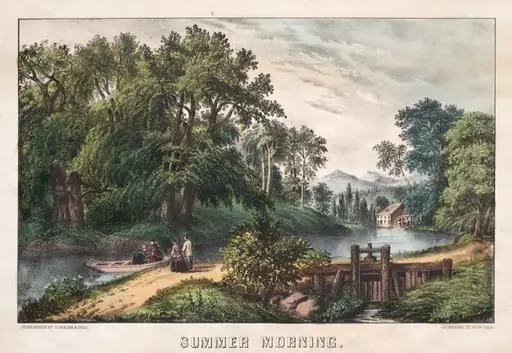
The scene captures the quiet architecture and riverfront of Stratford-upon-Avon, emphasizing its historical character rather than its literary associations.
The scene captures the quiet architecture and riverfront of Stratford-upon-Avon, emphasizing its historical character rather than its literary associations. While the town was known in Britain, its depiction in an American print suggests a growing transatlantic interest in cultural landmarks. The image functions as a visual record, inviting viewers to contemplate place and heritage without overt narrative or symbolism.
Technique & Style
Ives employed lithography to achieve fine detail and atmospheric depth, using layered ink tones to suggest texture in stone buildings and the reflective surface of the river. The composition is balanced and orderly, with a low horizon line that emphasizes the town’s structures. The style reflects the influence of European topographical prints, adapted for American audiences through accessible reproduction techniques.
History & Provenance
Created during Ives’s early career, before his partnership with Currier, this print predates his more famous commercial works. It was likely produced as part of a series of European views aimed at the American market. The Cleveland Museum of Art acquired the print as part of its broader collection of 19th-century American prints, preserving its role in the dissemination of visual culture across the Atlantic.
Context
In the 1850s, American interest in European sites was expanding alongside improved travel and print technologies. Stratford on Avon, though not widely known to the general public, appealed to educated audiences drawn to Shakespearean heritage. This print reflects a broader trend of cultural tourism mediated through mass-produced imagery, bridging transatlantic identity and historical curiosity.
Legacy
Though not among Ives’s most widely circulated works, Stratford on Avon remains a significant example of early American printmaking’s engagement with foreign subjects. It illustrates how commercial artists helped shape public perception of distant places, laying groundwork for later visual narratives of heritage and place in American culture.
Artist & collection