Artwork
Summer Night
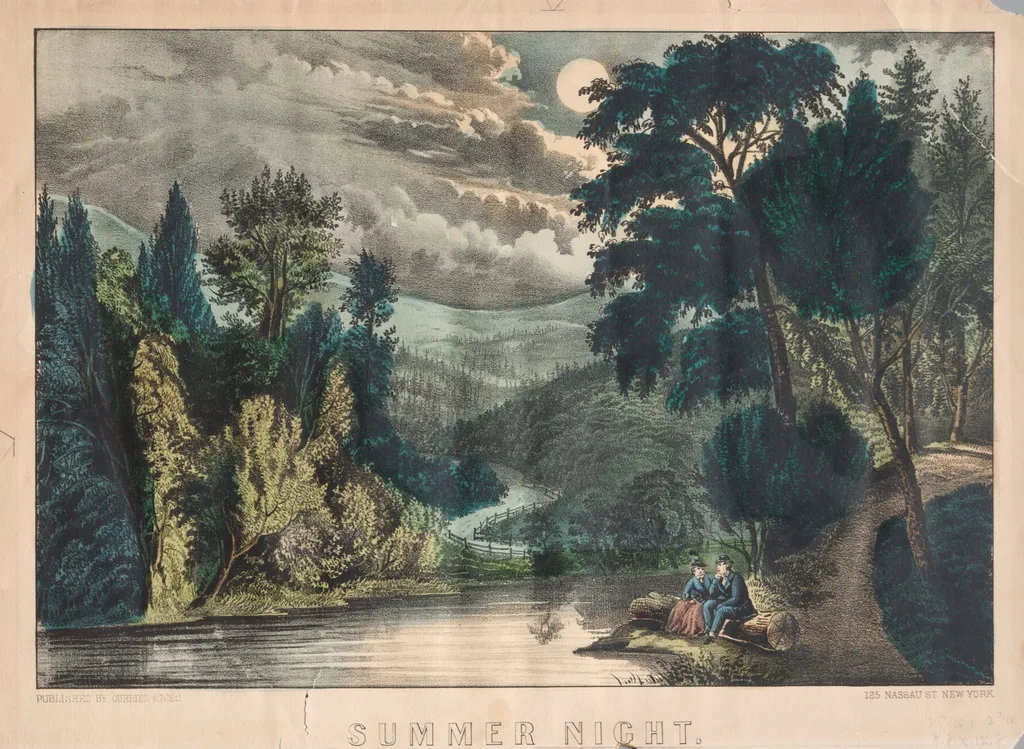
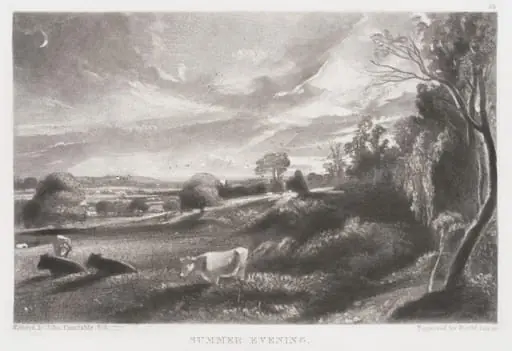
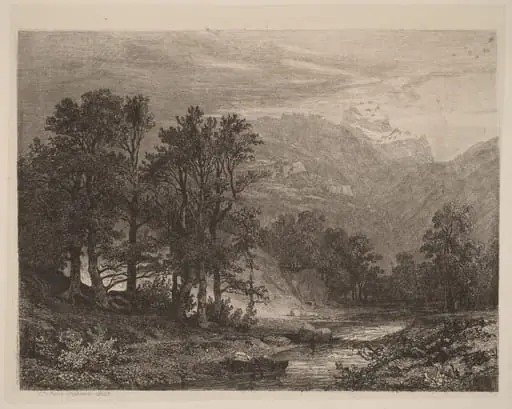
Summer Night is a print by the Impressionist artist James Merritt Ives. It dates from 1864 and is held in the collection of the Cleveland Museum of Art.
About this work
You see a serene nighttime scene in this painting.
The artist used a lot of dark blues and greens to create a calm mood. This was a common approach during the 19th century, and it's interesting to see how the artist balanced light and dark.
Check out the technique of chiaroscuro to learn more about how artists use contrast to create depth.
Overview
Summer Night, created around 1864 by James Merritt Ives, is a print depicting a quiet nocturnal landscape. It resides in the collection of The Cleveland Museum of Art. The work reflects the mid-19th-century interest in tranquil, atmospheric scenes, rendered through controlled tonal variation rather than bold color. Its composition invites contemplation through stillness and subdued lighting.
Subject & Meaning
The scene portrays a calm, unpopulated night landscape, likely inspired by rural American settings. Without figures or dramatic events, the focus lies in the quiet interplay of shadow and dim light. The absence of human activity suggests a meditative mood, aligning with 19th-century ideals of nature as a refuge from urban life and industrial change.
Technique & Style
Ives employed a restrained palette dominated by deep blues and greens, using subtle gradations to suggest depth and volume. The handling of light and shadow follows principles of chiaroscuro, though softened to maintain the scene’s serenity. The print medium allowed for careful tonal control, enabling a delicate balance between darkness and faint illumination across the landscape.
History & Provenance
Created during Ives’s active years as a printmaker and publisher, Summer Night was likely produced for domestic audiences seeking affordable, tasteful art. It entered The Cleveland Museum of Art’s collection through documented acquisition, preserving its original condition. Its survival as a print rather than a unique painting reflects its intended accessibility and commercial context.
Context
In the 1860s, American artists and publishers increasingly turned to peaceful, moonlit landscapes as subjects, responding to Romantic ideals and the public’s appetite for tranquil imagery amid Civil War tensions. Ives’s work aligned with this trend, offering viewers a visual escape through carefully composed nocturnal scenes that emphasized harmony over drama.
Legacy
Summer Night exemplifies the role of printmaking in shaping 19th-century American visual culture. Though not widely recognized today, such works contributed to the popularization of landscape aesthetics and the domestication of art. Its preservation in a major museum underscores its value as a representative artifact of its time.
Artist & collection