Artwork
Sir Jeffrey Amherst
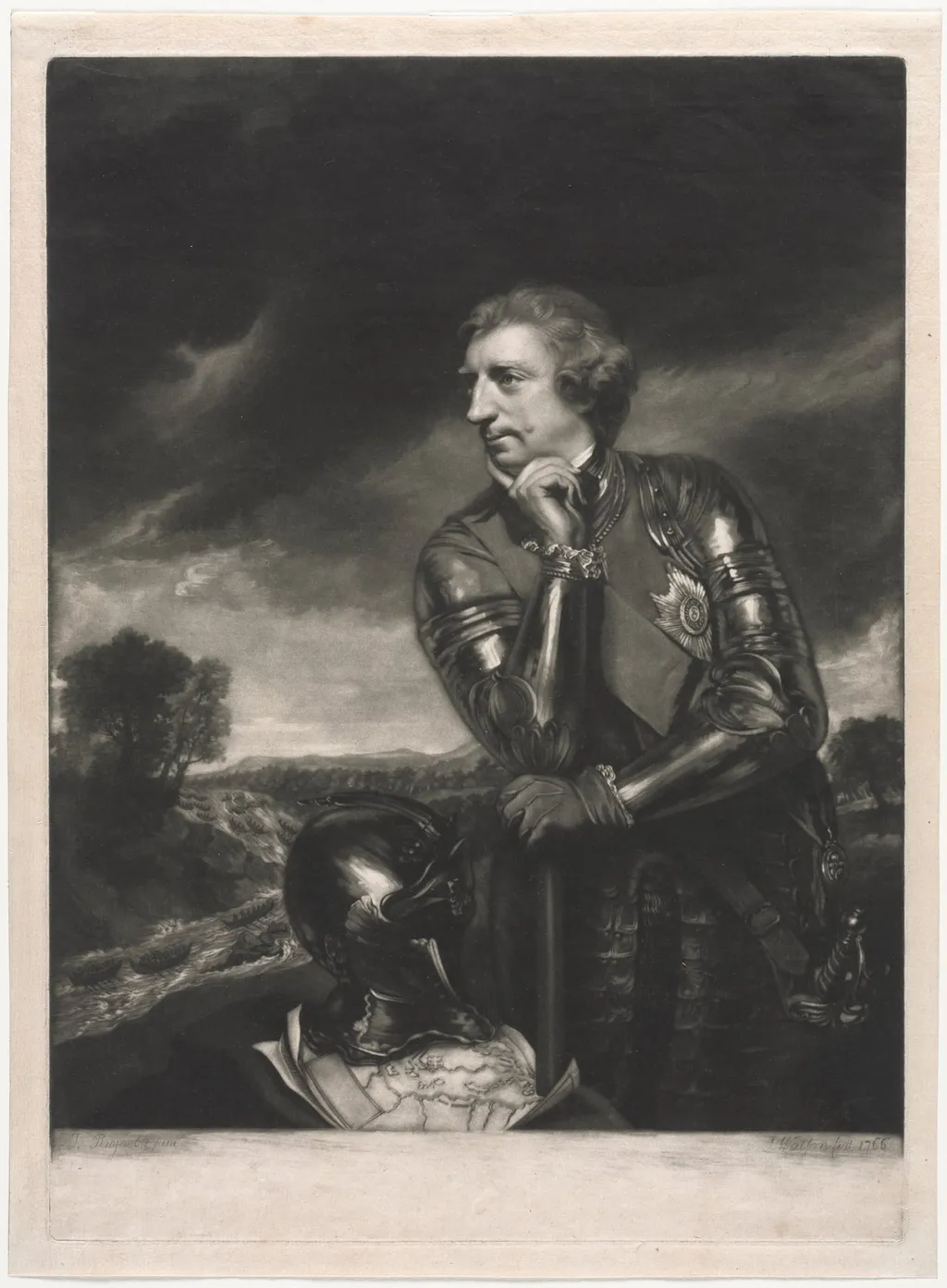
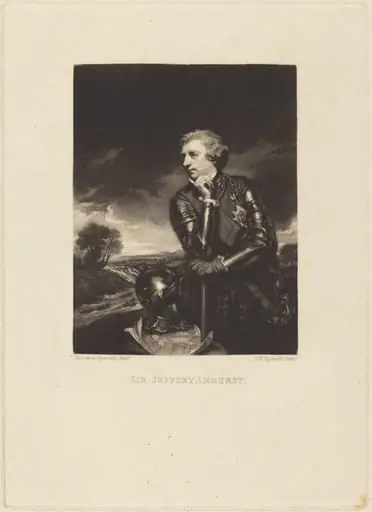
Sir Jeffrey Amherst is a print by the Romanticist artist James Watson. It dates from 1766 and is held in the collection of the Cleveland Museum of Art.
About this work
Overview
This 1766 print by James Watson depicts Sir Jeffrey Amherst, a British military officer, in a formal portrait rendered in monochrome. The image captures him seated, clad in partial armor beneath a dark coat, with a helmet resting beside him. The composition emphasizes his authoritative presence through stark tonal contrasts and a somber backdrop, typical of 18th-century military portraiture.
Subject & Meaning
Amherst is portrayed not as a living individual but as a symbol of imperial command. His armor and medals signify his rank and service, particularly in North America during the Seven Years' War. The helmet, placed within reach, suggests readiness for duty, while his stern expression conveys resolve. The image functions as a visual assertion of military authority rather than a personal likeness.
Technique & Style
Watson employs chiaroscuro to model the figure against a dark, turbulent sky, drawing focus to Amherst’s face and armor.
Watson employs chiaroscuro to model the figure against a dark, turbulent sky, drawing focus to Amherst’s face and armor. The high contrast between light and shadow enhances the three-dimensionality of the metal and fabric, while the background’s indistinct landscape recedes into gloom. The print’s line work and tonal gradation reflect engraving techniques common in British portraiture of the period.
History & Provenance
Created in 1766, the print was likely produced to commemorate Amherst’s role as Commander-in-Chief in North America. It entered the collection of The Cleveland Museum of Art through documented acquisitions, though its original circulation among military circles or aristocratic patrons remains unrecorded in detail. The work survives as a rare example of wartime portraiture in print form.
Context
Amherst’s image emerged during a period of British imperial expansion following victories in the French and Indian War. Portraits like this served to legitimize colonial authority and glorify military leadership. The choice of armor over civilian dress aligns with contemporary trends that associated leadership with martial virtue, even for officers no longer in active combat.
Legacy
The print endures as a historical document reflecting 18th-century British attitudes toward military heroism and imperial identity. While Amherst’s legacy is now critically reassessed, the portrait remains a representative artifact of how power was visually constructed in the age of empire. Its preservation in a major museum underscores its role in understanding visual propaganda of the period.
Artist & collection


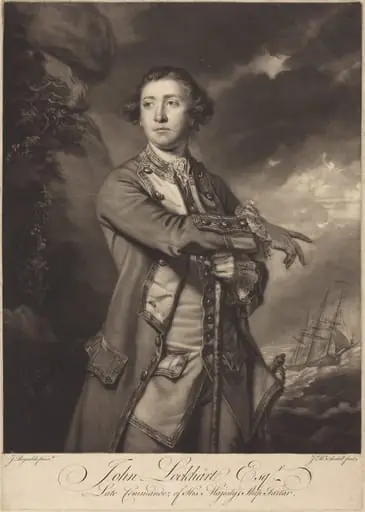 James Lockhart
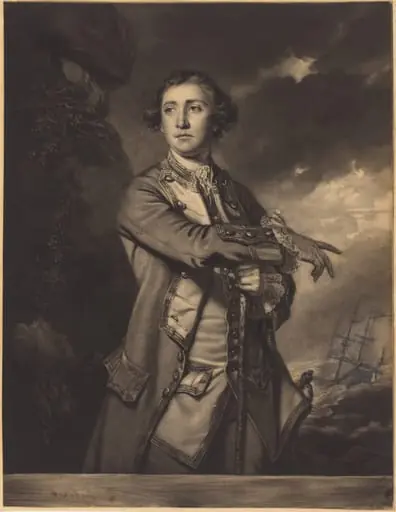 James Lockhart
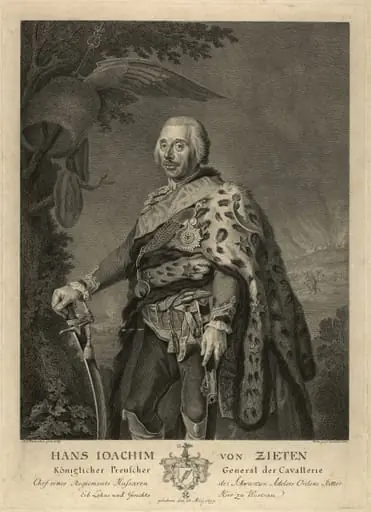 Therbusch, Anna Dorothea (Vorlage): Porträt Hans Joachim von Zieten
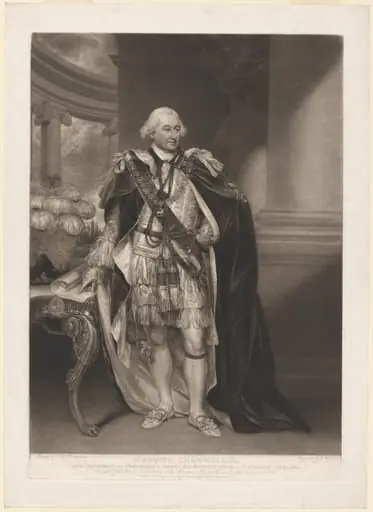 Lord Cornwallis
 H Beard Print Collection
 H Beard Print Collection
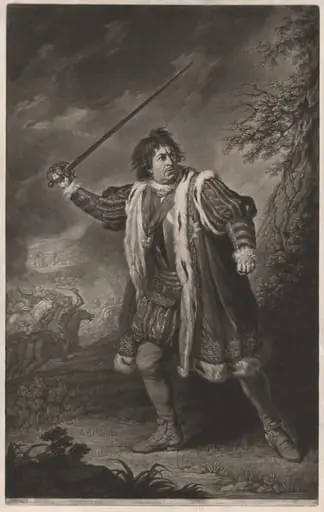 David Garrick in the Role of Richard III
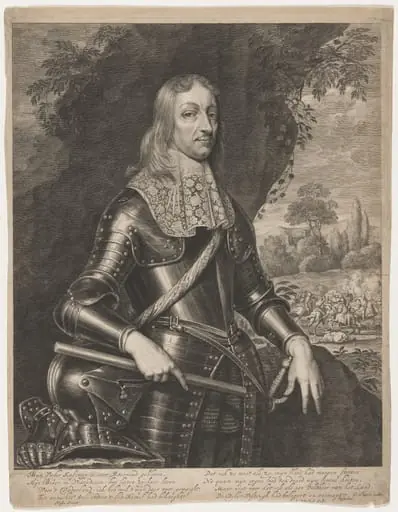 William Frederick of Nassau
 George, Prince of Wales
 H Beard Print Collection
 Auguste III. Roi de Pologne
 Sir Jeffery Amherst