Artwork
Catherine Bunbury
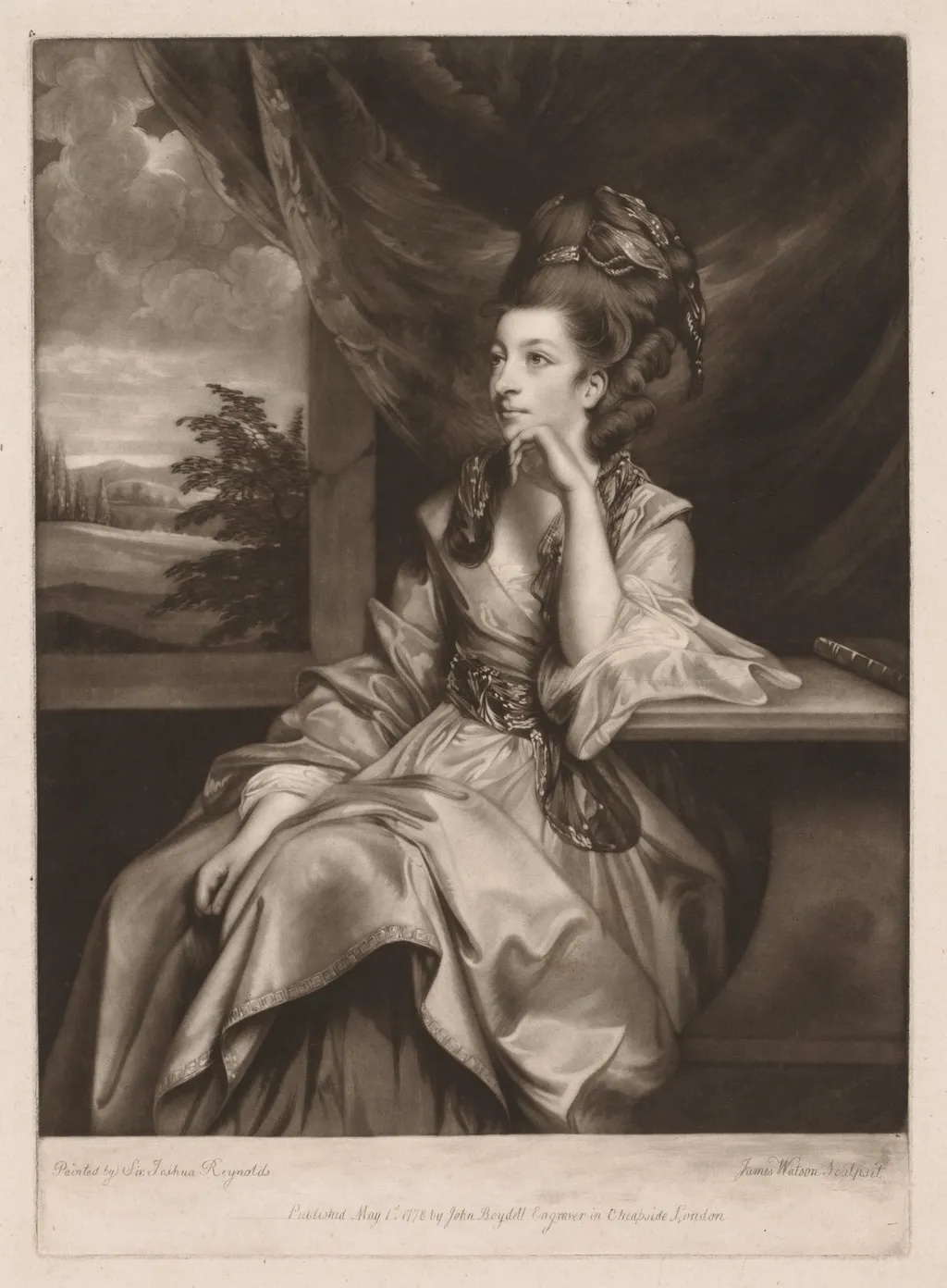
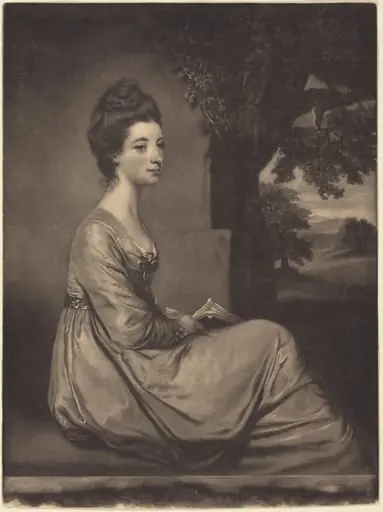
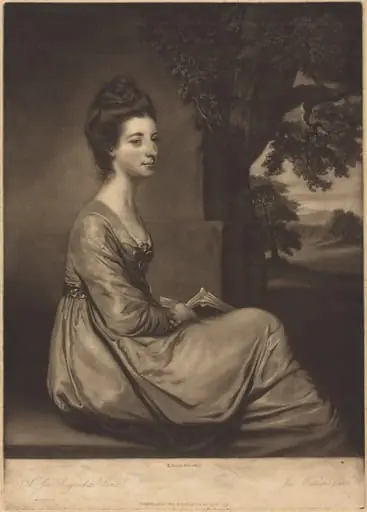
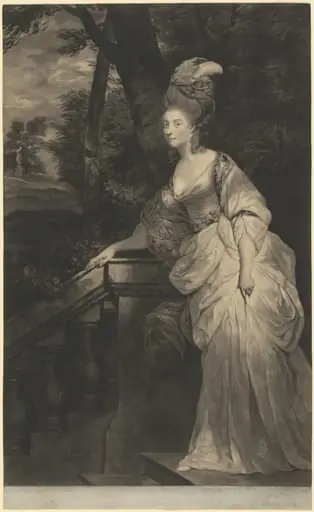
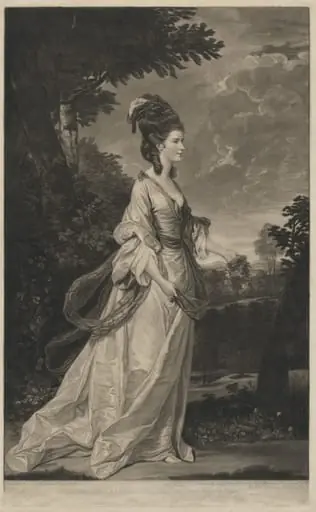
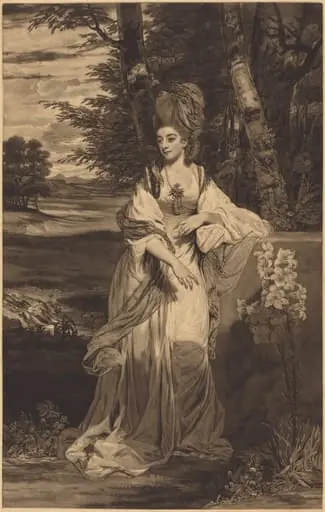
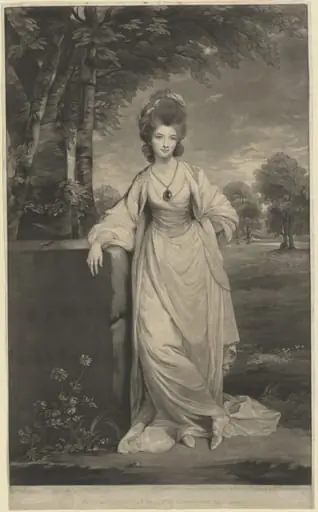
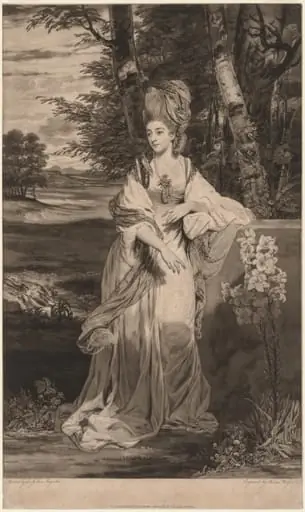
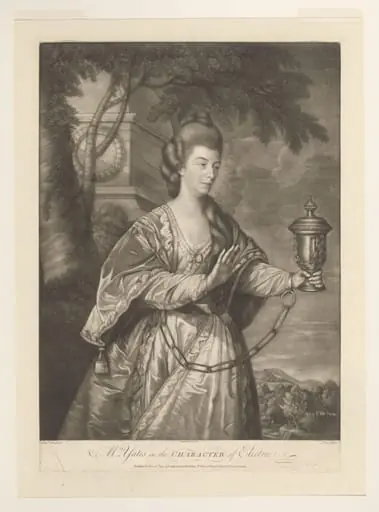
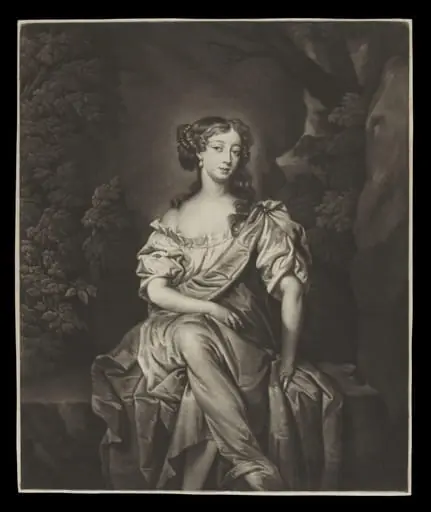
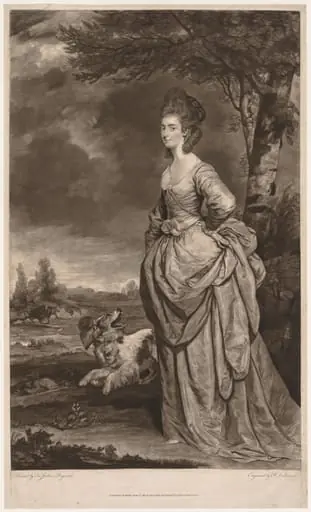
Catherine Bunbury is a print by the Romanticist artist James Watson. It dates from 1778 and is held in the collection of the Cleveland Museum of Art.
About this work
Overview
Executed in a refined, intimate style, it captures a moment of quiet contemplation, reflecting the portraiture conventions of late 18th-century Britain.
Created in 1778 by James Watson, this print depicts Catherine Bunbury, a member of the English gentry. The work is part of the collection at The Cleveland Museum of Art. Executed in a refined, intimate style, it captures a moment of quiet contemplation, reflecting the portraiture conventions of late 18th-century Britain. The medium and composition suggest a focus on personal presence rather than grandeur.
Subject & Meaning
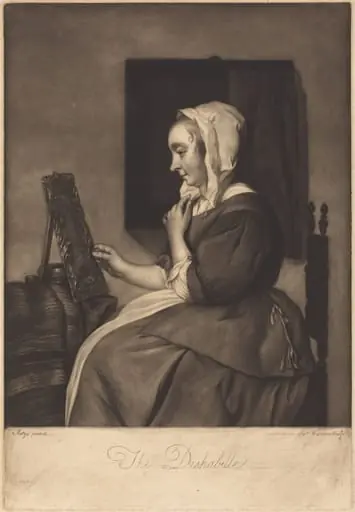
Catherine Bunbury is portrayed seated near a window, her gaze directed away from the viewer, suggesting introspection. Her posture—hand resting on her chin—conveys a sense of stillness and inward thought. The absence of symbolic objects or elaborate setting shifts emphasis to her demeanor, implying a preference for private character over public status. The image invites quiet engagement rather than formal admiration.
Technique & Style
Watson employs subtle tonal contrasts to define form, with soft modeling of the figure against a dark, indistinct background. The landscape beyond the window is rendered minimally, suggesting depth without detail. The light fabric of her dress and the delicate ribbon in her hair are rendered with precision, emphasizing texture and refinement. The print’s clarity and restraint reflect the influence of contemporary British drawing practices.
History & Provenance
The print was produced during a period when engraved portraits of aristocratic women were circulated among elite circles. Catherine Bunbury’s identity as a member of a prominent family likely facilitated the commission. The work entered the Cleveland Museum of Art’s collection through documented acquisitions, preserving its provenance within the context of British print culture of the late 1700s.
Context
In the 1770s, British portraiture increasingly favored naturalism and emotional nuance over rigid formality. While not part of the Romantic movement, this work aligns with a broader trend toward intimate, psychologically subtle depictions. The domestic setting and contemplative mood mirror shifts in social values, where personal demeanor gained cultural weight alongside lineage and wealth.
Legacy
Though not widely reproduced or studied today, the print remains a representative example of modest, high-quality portraiture from Georgian England. It contributes to understanding how private identity was visually articulated outside the grand traditions of oil painting. Its preservation in a major museum underscores its value as a document of social and artistic habit.
Artist & collection