Artwork
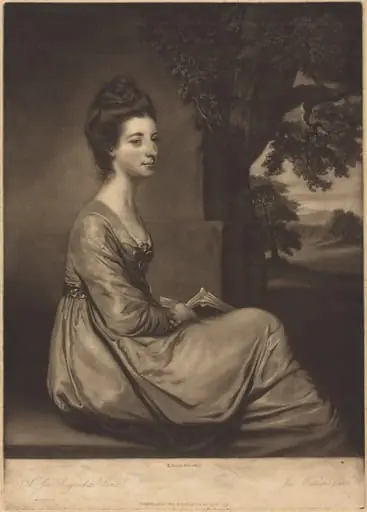
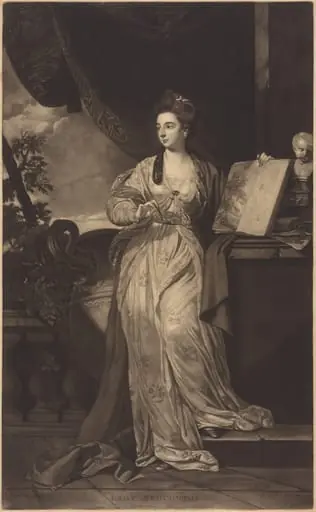
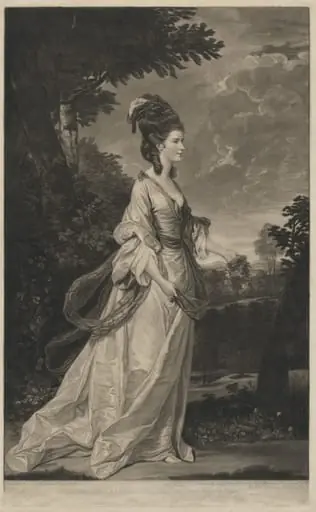
Jemima Countess Cornwallis
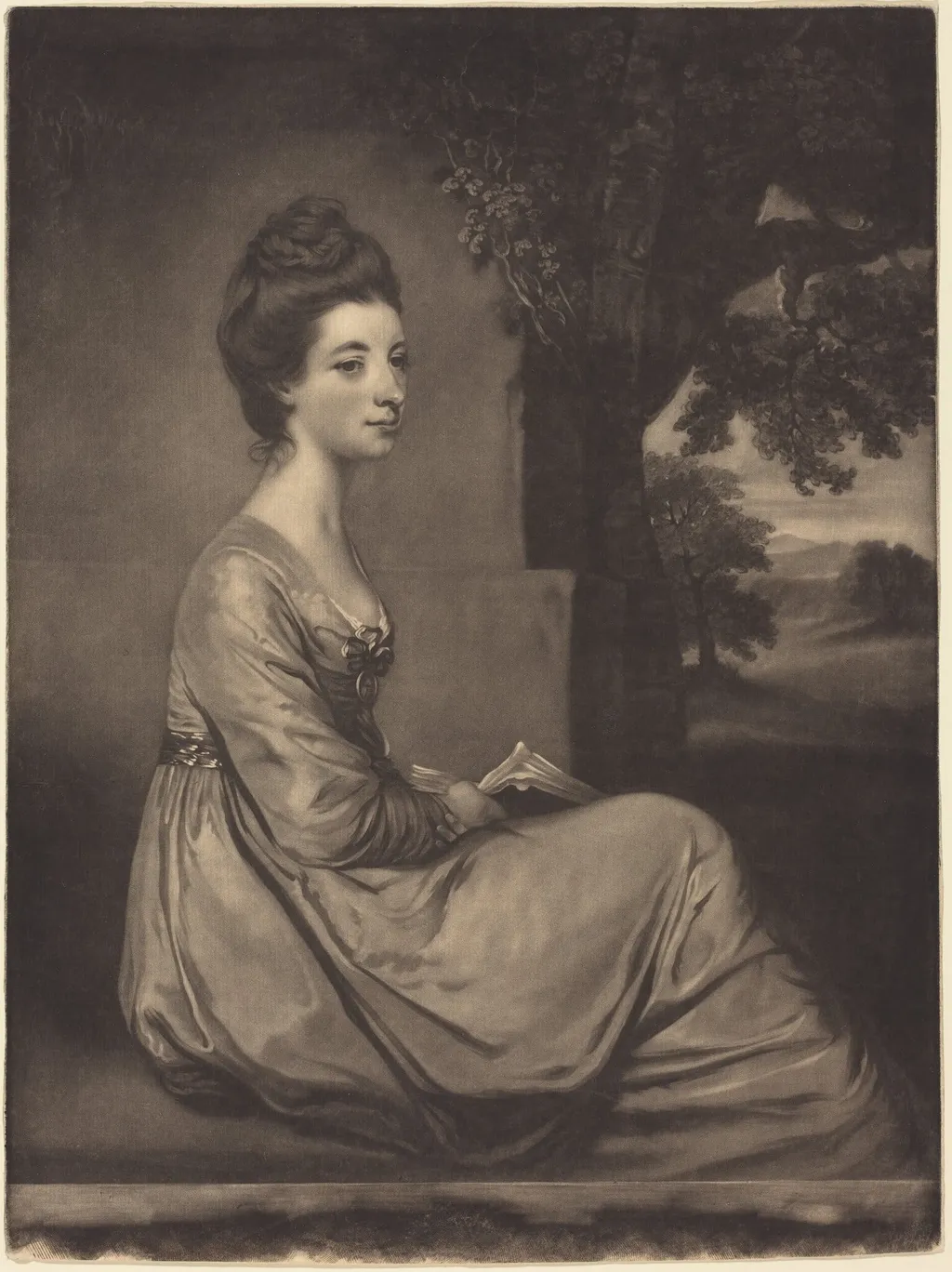
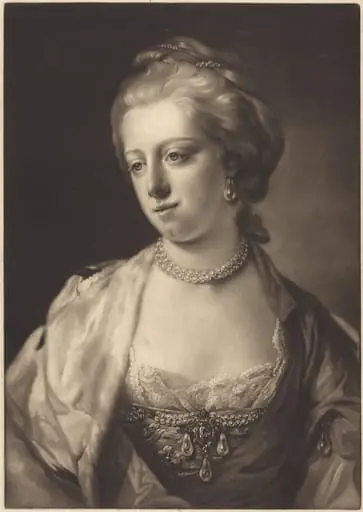
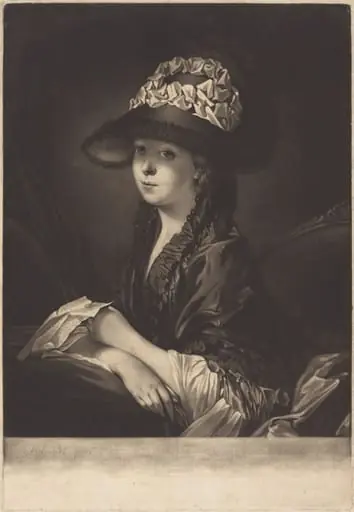
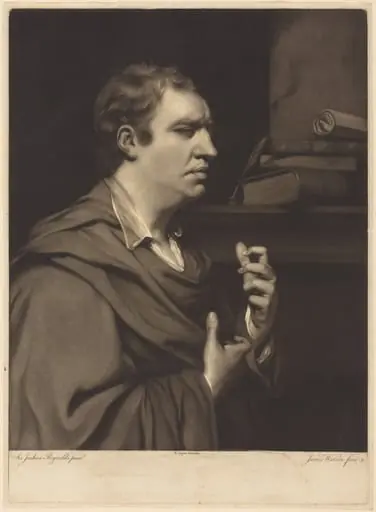
Jemima Countess Cornwallis is an ink print by the Romanticist artist James Watson. It dates from 1771 and is held in the collection of the National Gallery of Art.
About this work
Overview
James Watson’s 1771 mezzotint portrays Jemima, Countess Cornwallis, seated on a cushioned chair. She is attired in a light, flowing gown with a high neckline, her hair neatly pulled back, and holds a folded sheet of paper. A modest landscape painting with trees and a distant view hangs behind her, while a vase of flowers rests on a nearby shelf.
Subject & Meaning
The portrait presents the countess in a composed, domestic setting, emphasizing her genteel status and refined taste. The inclusion of a small landscape and floral vase suggests an appreciation for nature and the arts, while the folded paper may allude to correspondence or personal affairs, underscoring her role within aristocratic society.
Technique & Style
Executed in mezzotint, the image achieves soft gradations of tone through careful scraping and burnishing of the copper plate, producing delicate shadows and smooth transitions. This method allows Watson to render subtle contrasts between the illuminated gown, the darker background, and the muted landscape, creating a sense of depth without the harsh lines of line engraving.
History & Provenance
Created in 1771, the print was likely commissioned to commemorate the countess’s social standing. As a work by James Watson, a noted British mezzotint engraver of the period, it reflects the popularity of printed portraiture among the aristocracy. The piece has since entered public collections, documenting both the artist’s practice and the visual culture of late‑18th‑century England.
Artist & collection