Artwork
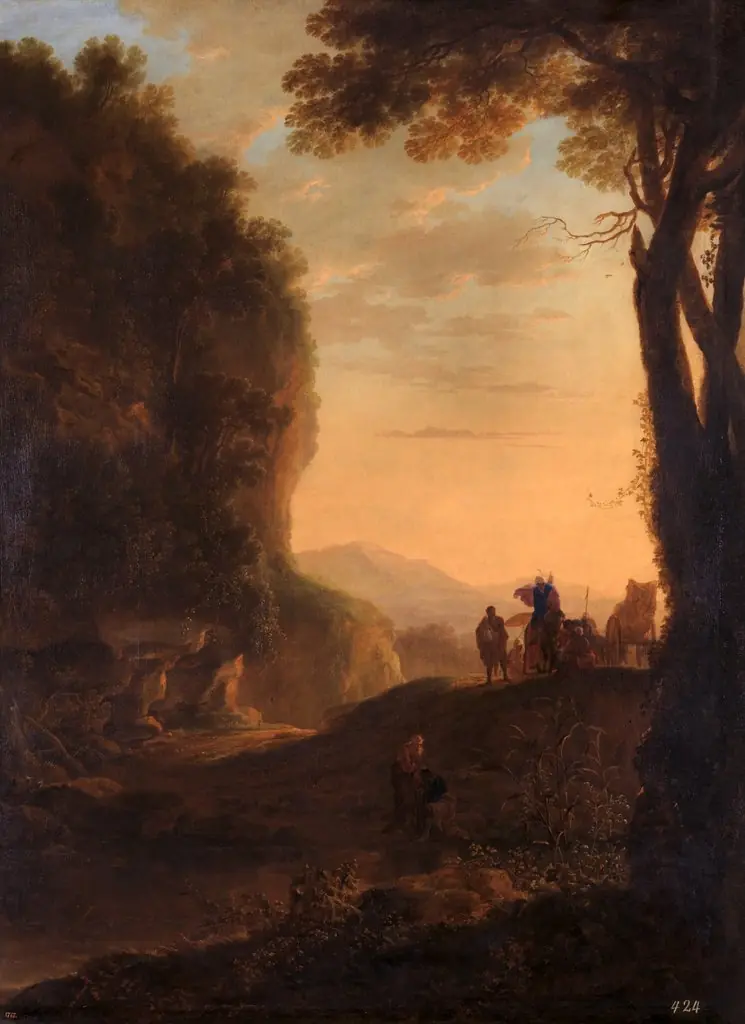
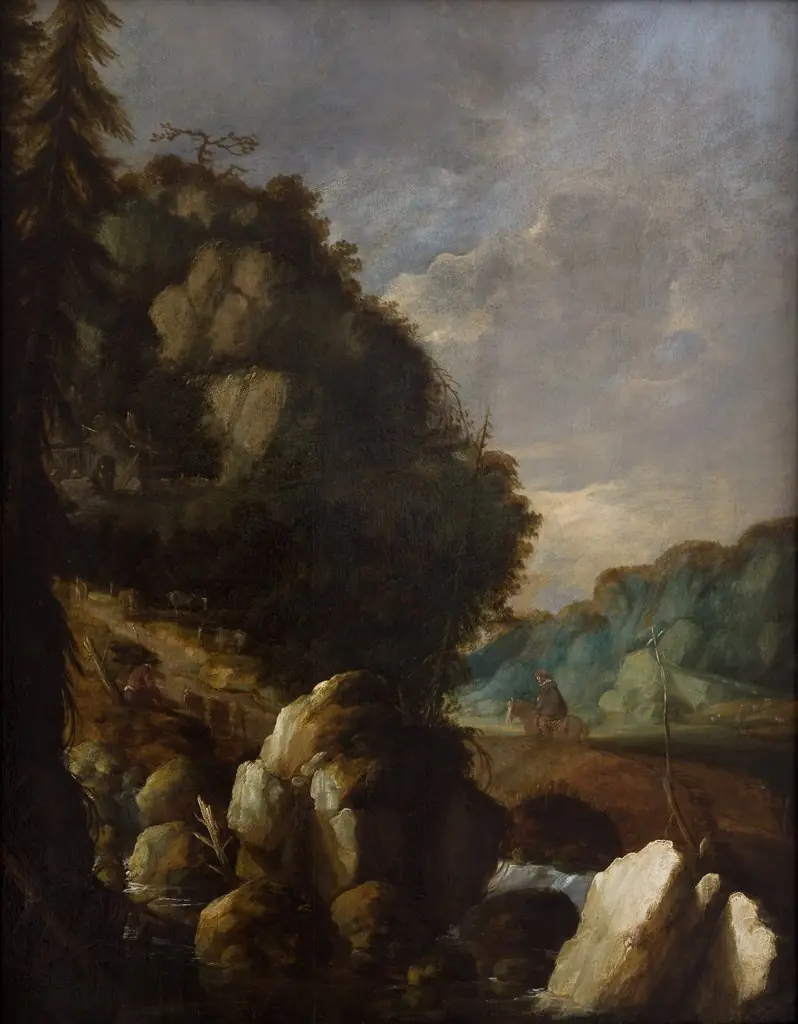
Rocky landscape with a horseman
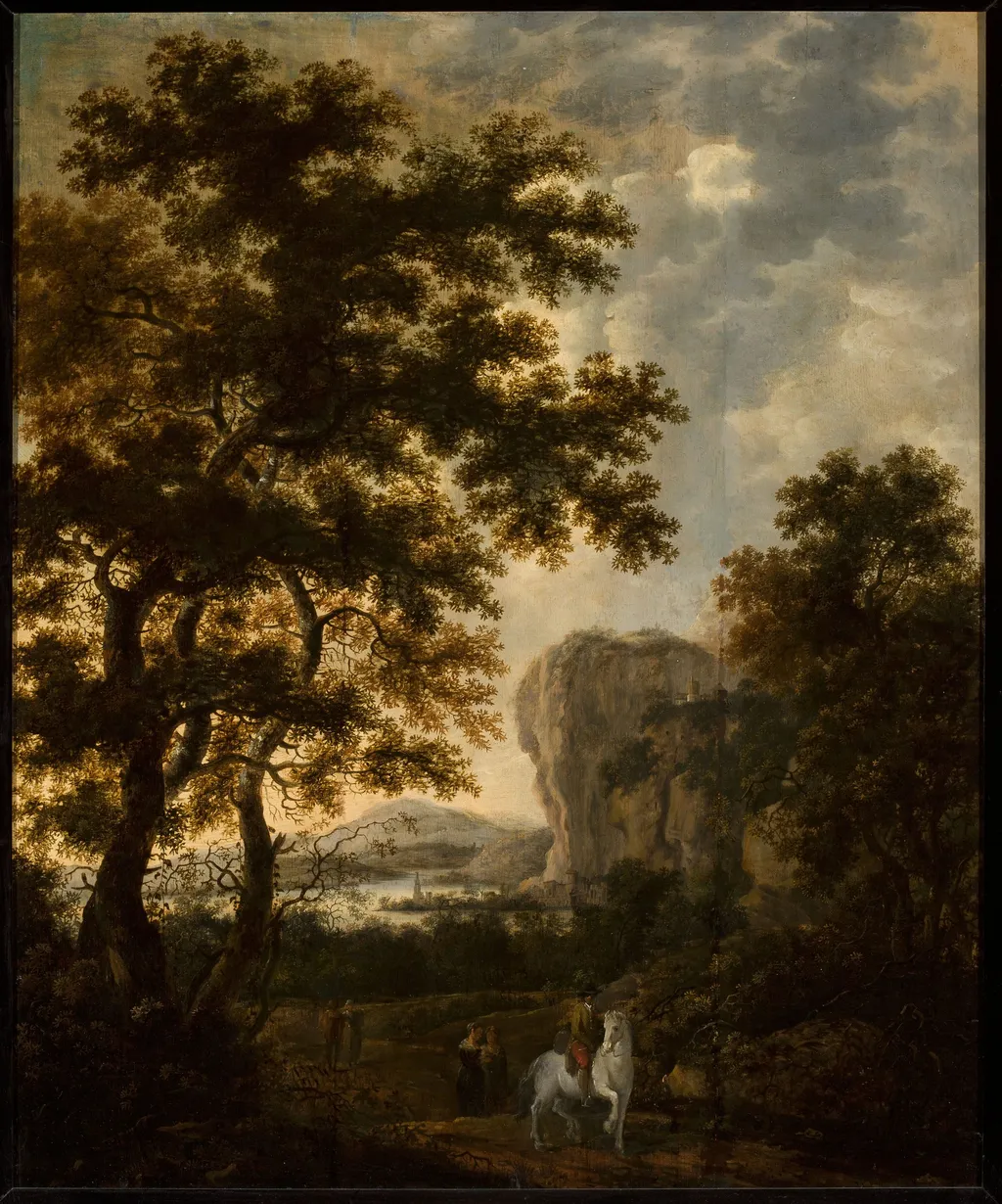
Rocky landscape with a horseman is an oil painting by the Dutch Golden Age artist Jan Both. It dates from 1645 and is held in the collection of the National Museum in Warsaw.
About this work
Overview
The work reflects Both’s engagement with the Roman countryside, filtered through the lens of northern European sensibility.
Painted around 1645, this oil on canvas landscape by Jan Both presents a tranquil Italianate scene. It is part of the collection at the National Museum in Warsaw. The composition centers on a rugged cliff rising behind a quiet path where a horseman and companions traverse the terrain. The work reflects Both’s engagement with the Roman countryside, filtered through the lens of northern European sensibility.
Subject & Meaning
The painting portrays a solitary horseman journeying through a secluded, rocky valley, accompanied by two smaller figures. Their presence suggests travel or pilgrimage, evoking themes of transit and solitude rather than narrative action. The calm atmosphere and uneventful setting imply contemplation, aligning with the period’s idealization of nature as a space for quiet reflection rather than drama.
Technique & Style
Both employed layered glazes to achieve subtle transitions between light and shadow, enhancing the depth of the landscape. Warm ochres and umbers define the rocks and figures, while the sky and water are rendered in cooler, diffused tones. The brushwork is restrained, favoring atmospheric harmony over detailed realism. This approach reflects the influence of Italian landscape traditions adapted to northern European tonal preferences.
History & Provenance
The painting entered the National Museum in Warsaw’s collection in the early 20th century, likely acquired through European art markets. Its origins trace to Both’s time in Rome, where he produced similar works for northern collectors. While its exact early ownership is undocumented, its presence in Warsaw suggests it was part of a broader 19th-century wave of Polish acquisitions of Dutch and Flemish art.
Context
Jan Both traveled to Italy in the 1630s and became known for integrating Italian light and topography into Dutch landscape conventions. This painting belongs to a group of works from the mid-1640s that blend Roman ruins and pastoral settings with a poetic mood. Such scenes appealed to patrons seeking idealized visions of the Mediterranean, even as they remained rooted in northern European aesthetic values.
Legacy
Both’s landscapes, including this one, helped shape the development of Italianate painting in the Netherlands. His use of atmospheric perspective and muted color influenced later generations of landscape artists. Though less celebrated than contemporaries like Claude Lorrain, his work contributed to a broader European dialogue on how nature could be rendered with emotional restraint and visual harmony.
Artist & collection

Artist
Jan Dirksz Both was a Dutch painter, draughtsman, and etcher, who made an important contribution to the development of Dutch Italianate landscape painting.

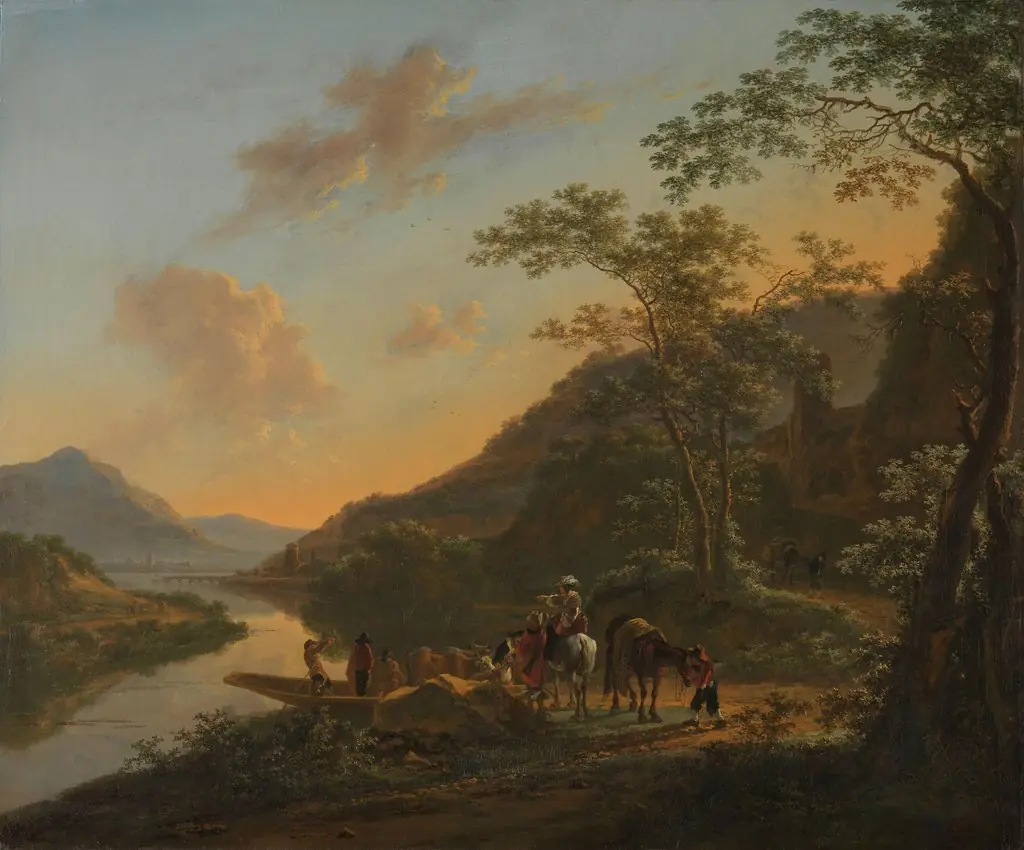
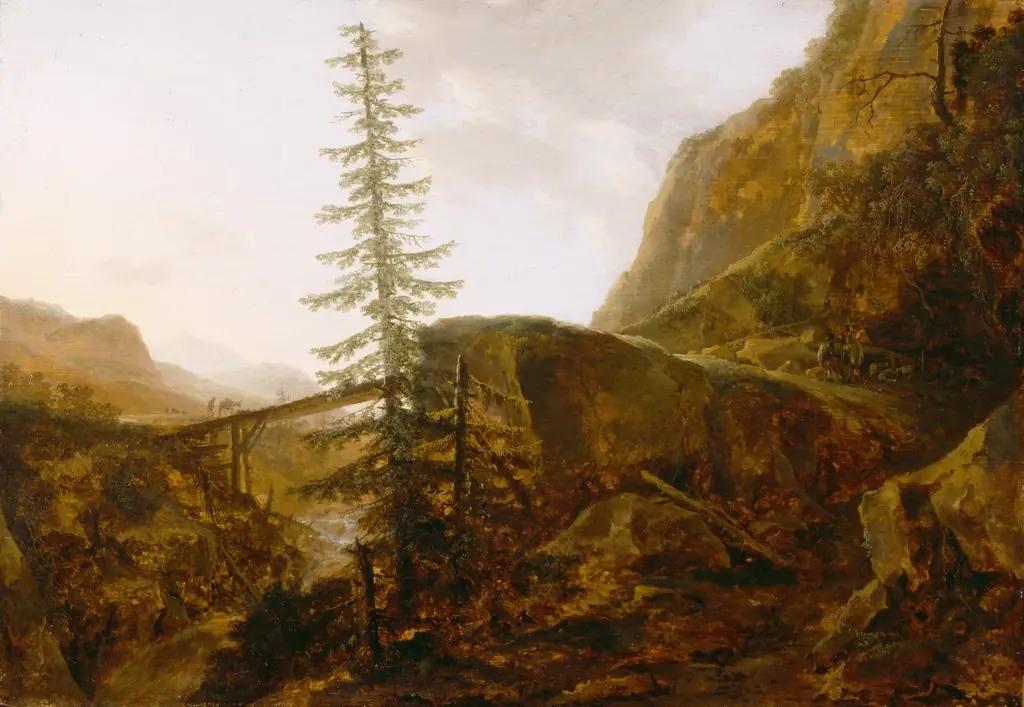
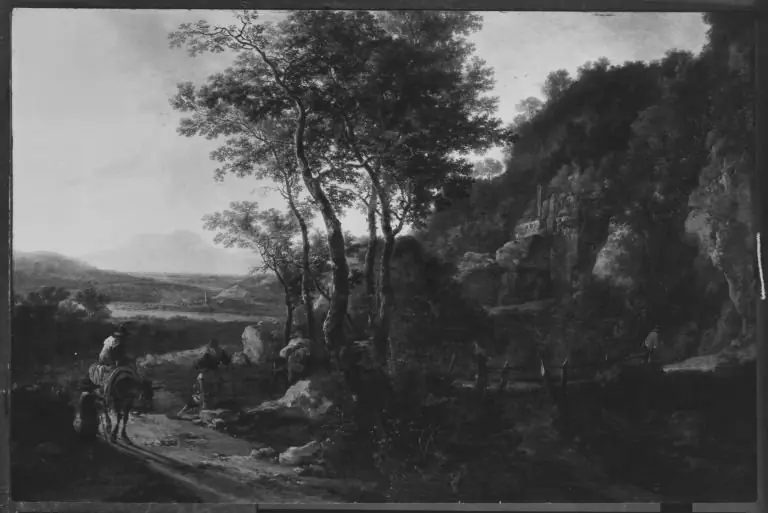
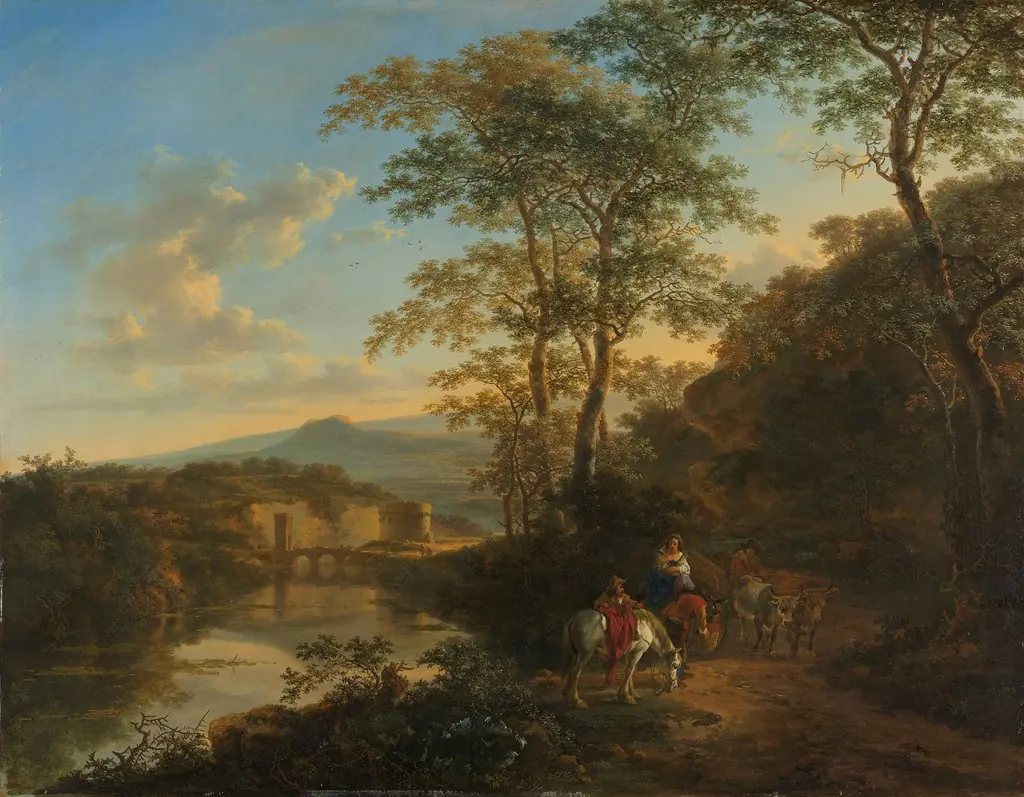
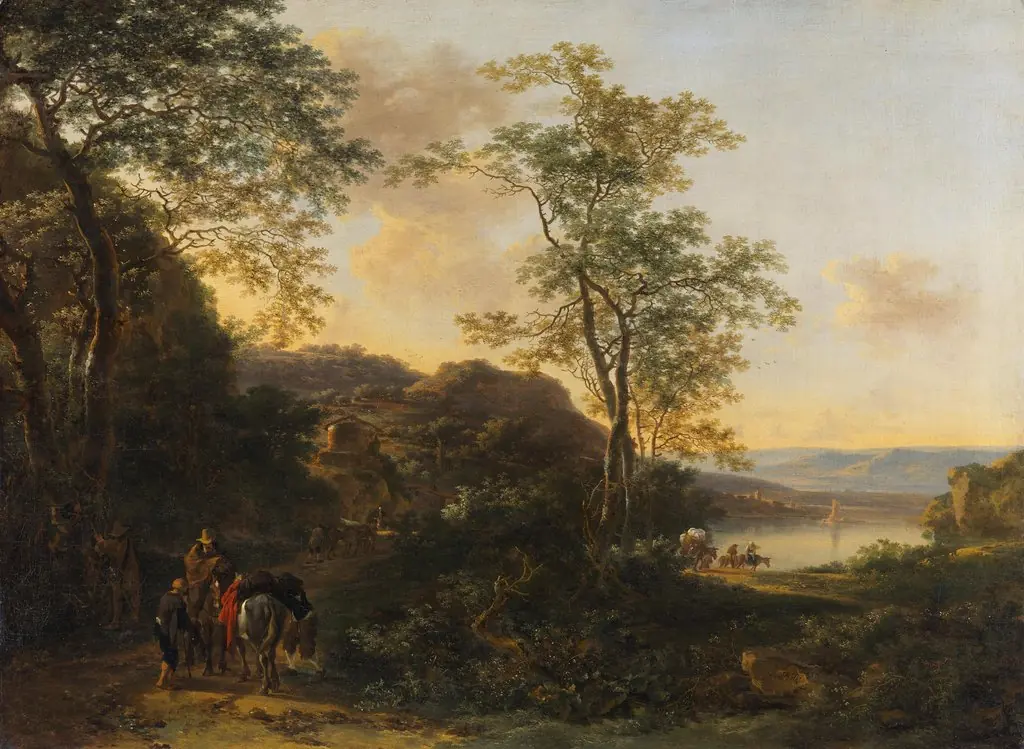 An Italian Landscape
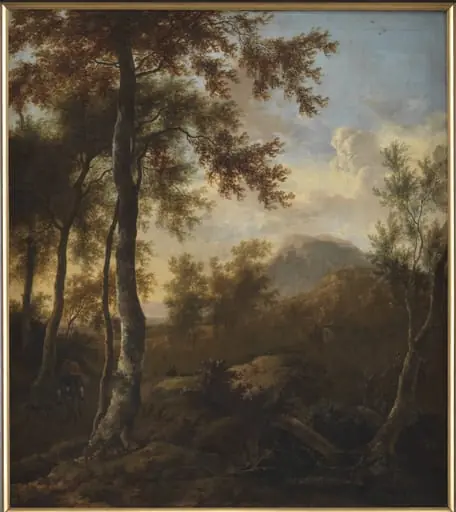 Mountain Landscape
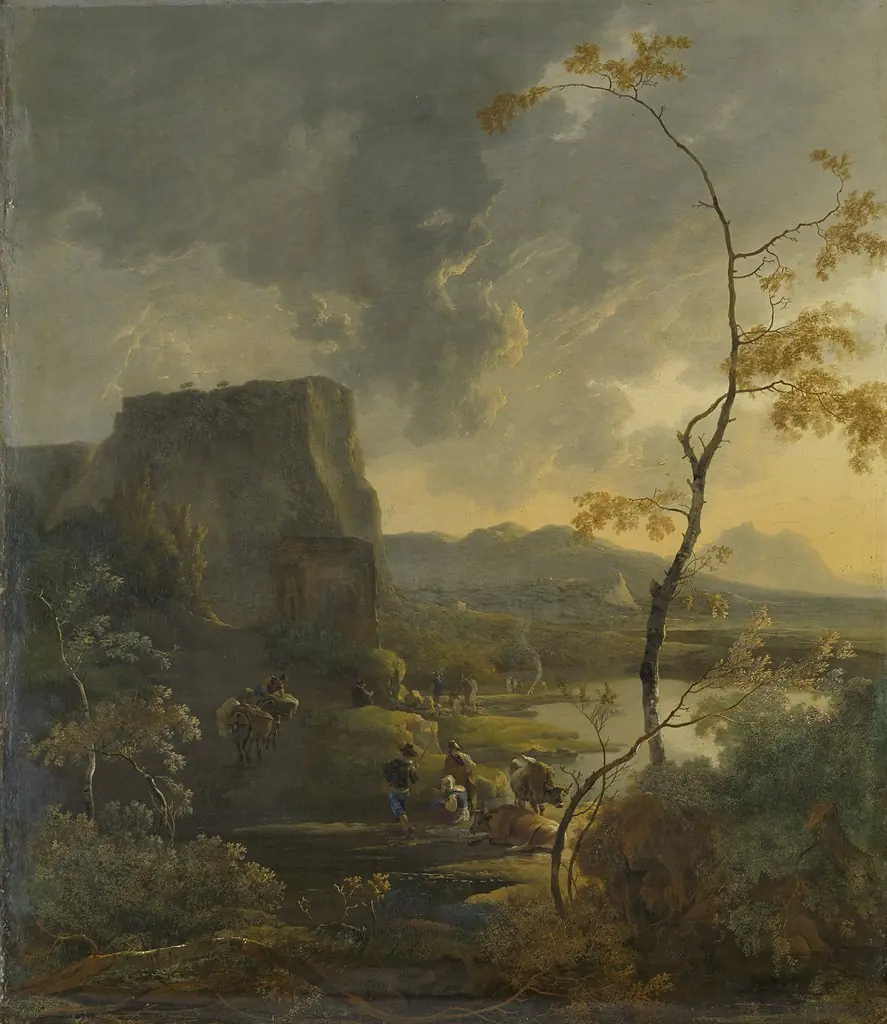 Italian landscape with ancient tempietto
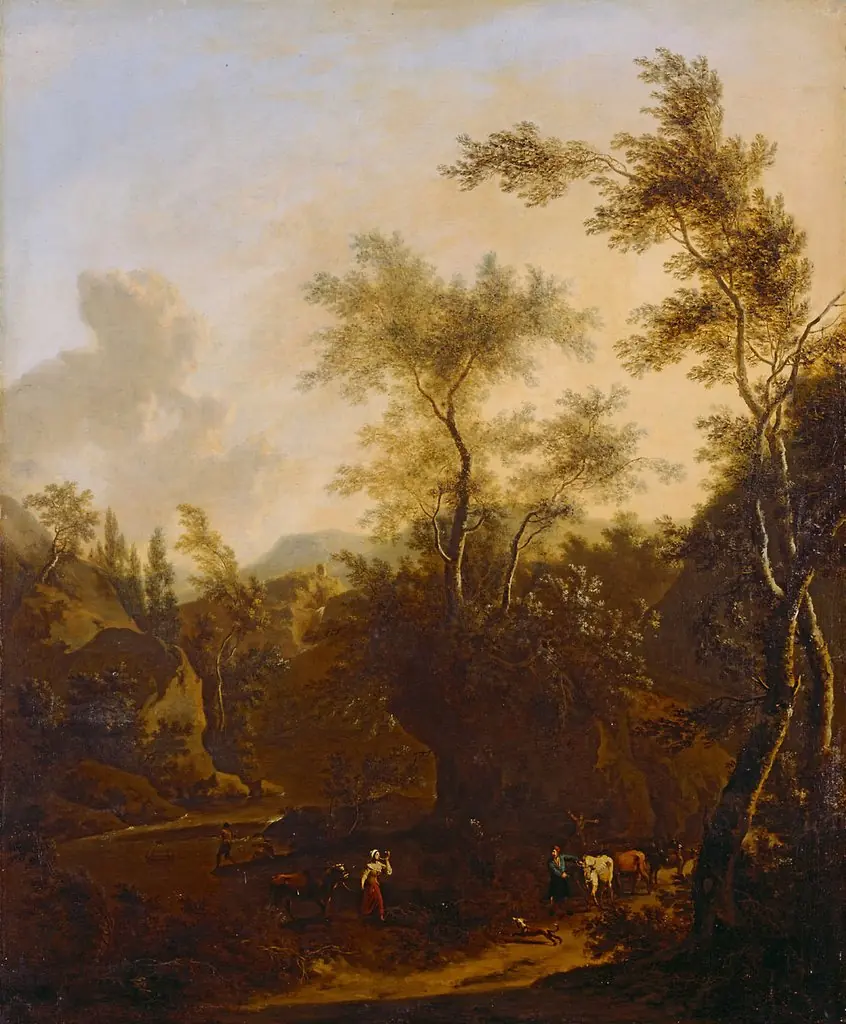 Landschaft mit Hirten und Herde
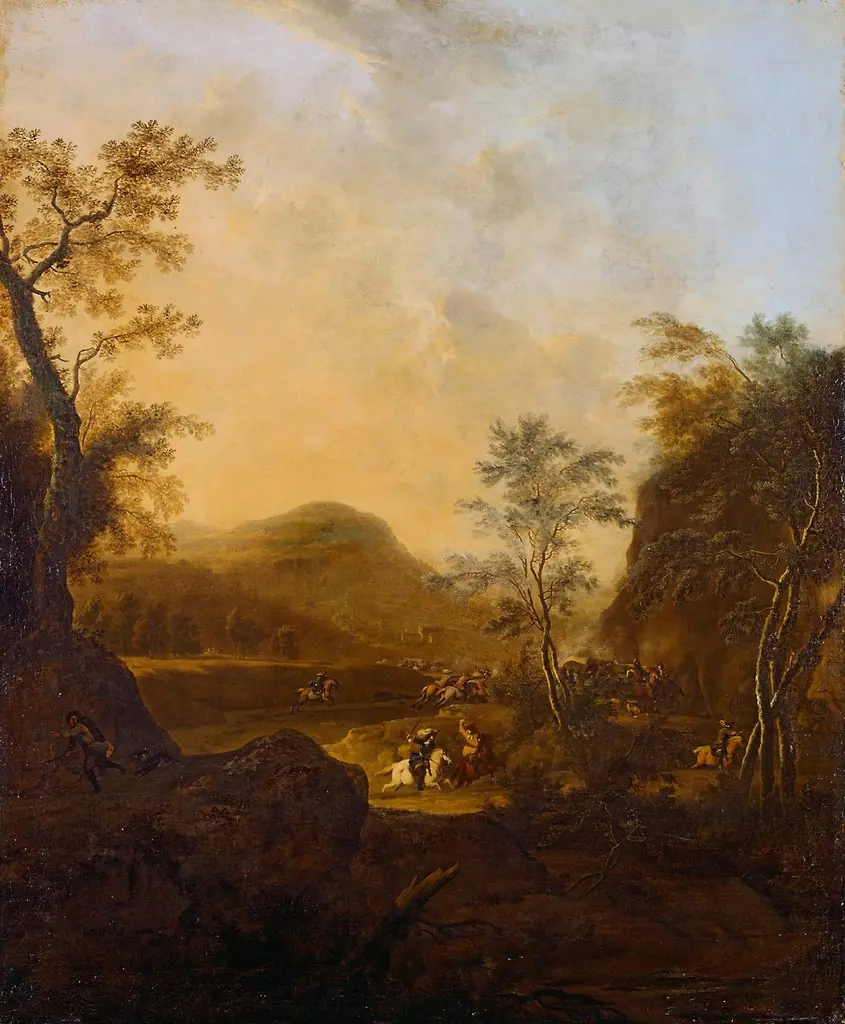 Landschaft mit kämpfenden Reitern
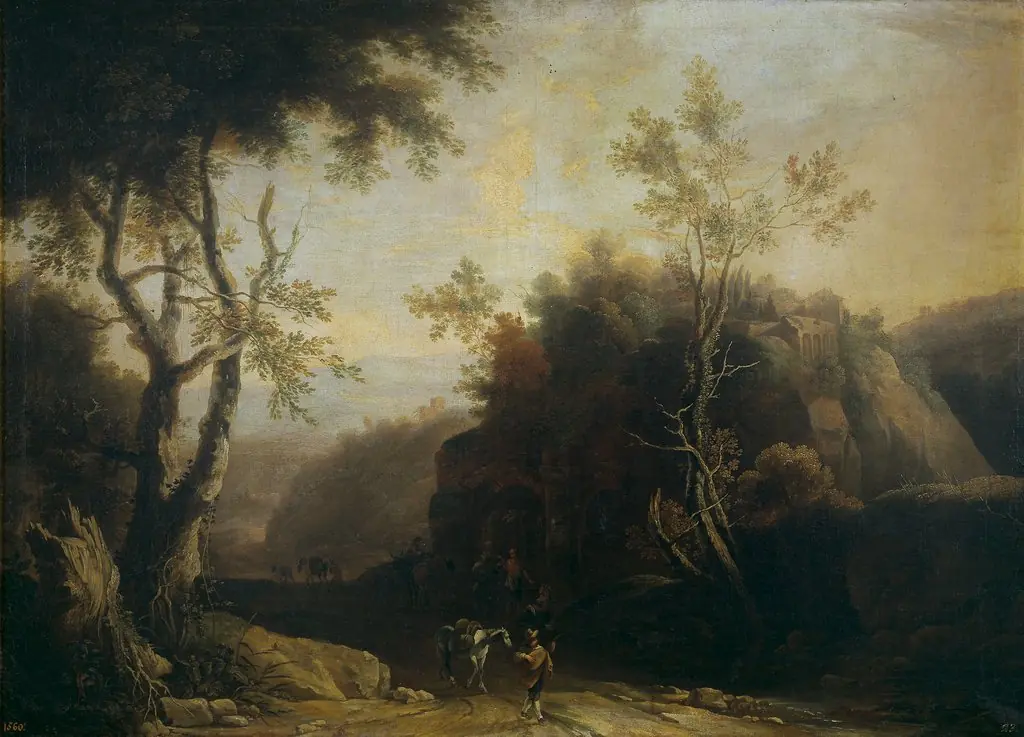 Landscape with tavern and Roman aqueduct
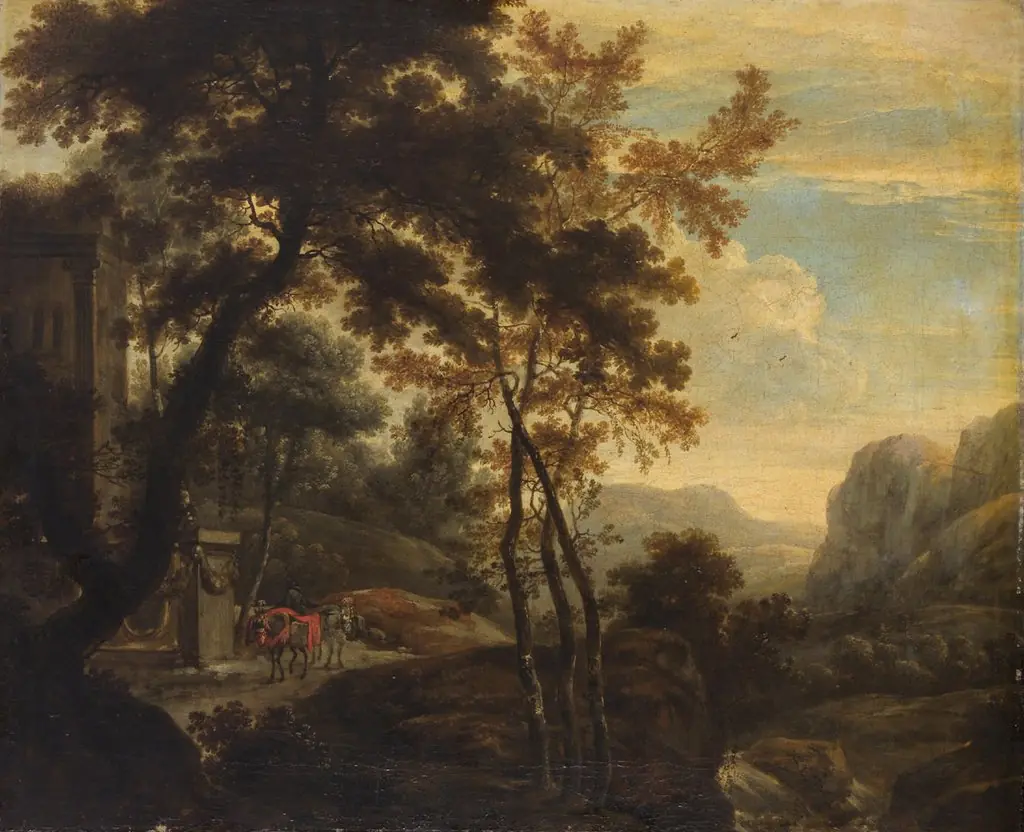 Mountainous landscape
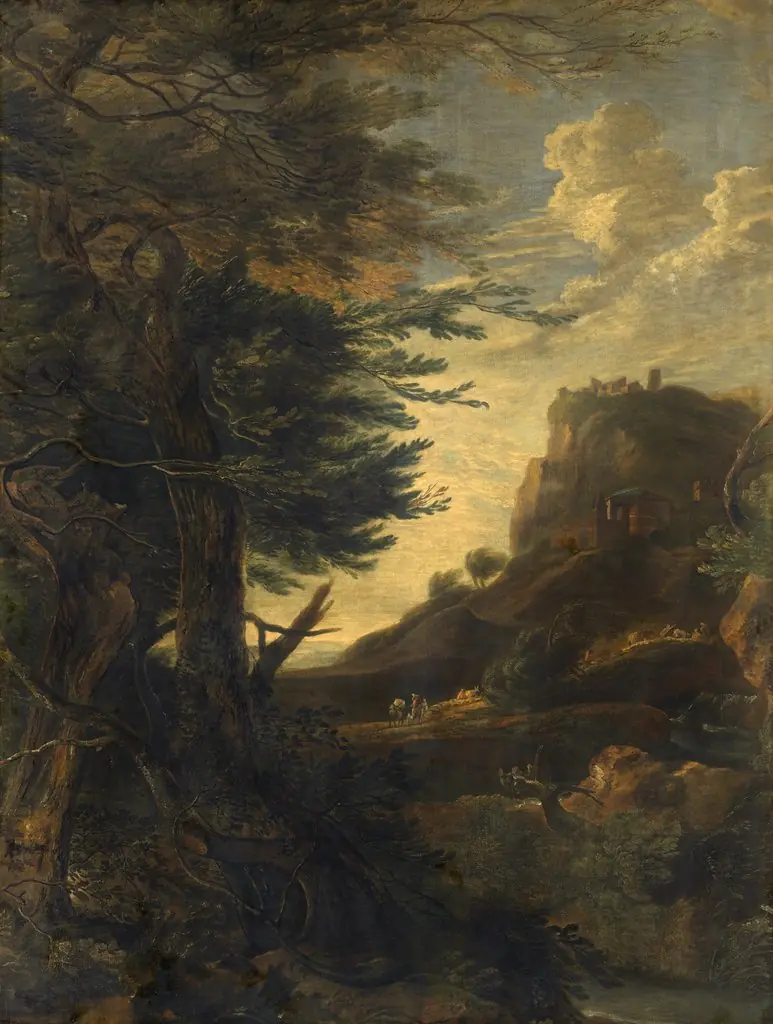 Landscape
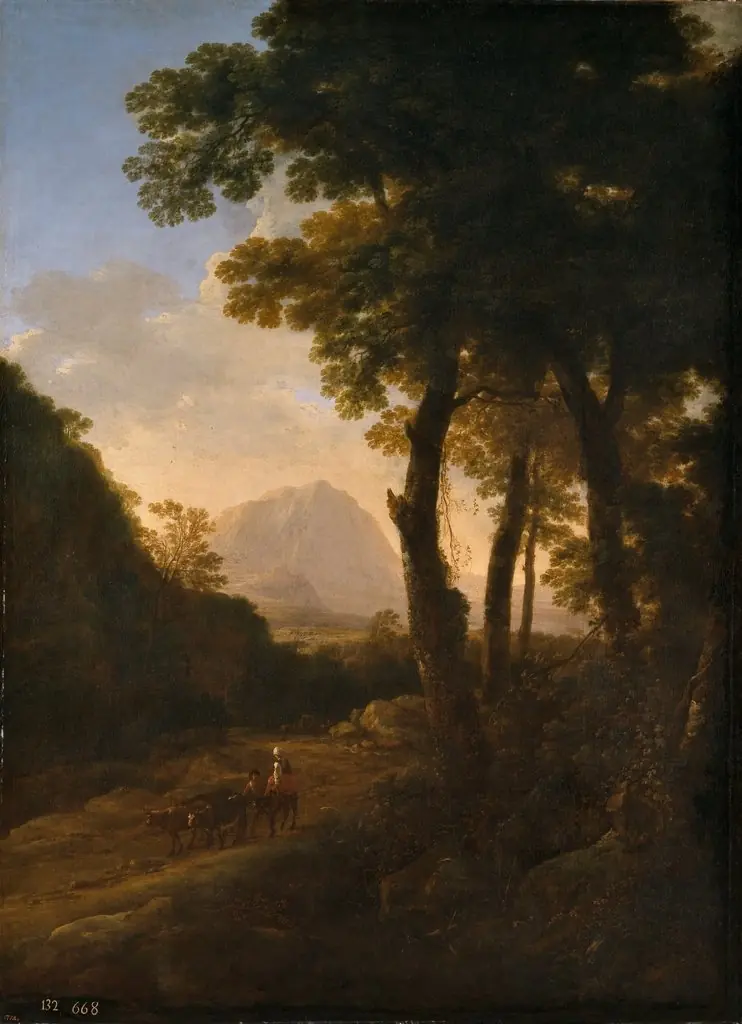 Taking the Cattle out
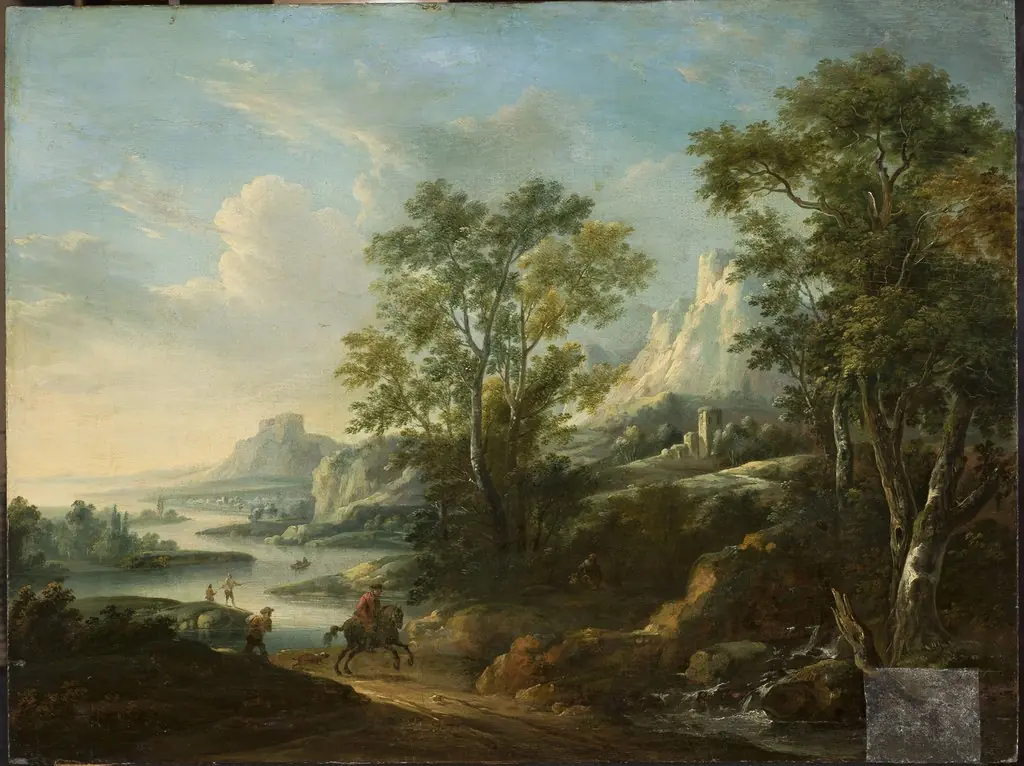 Mountain landscape with a river
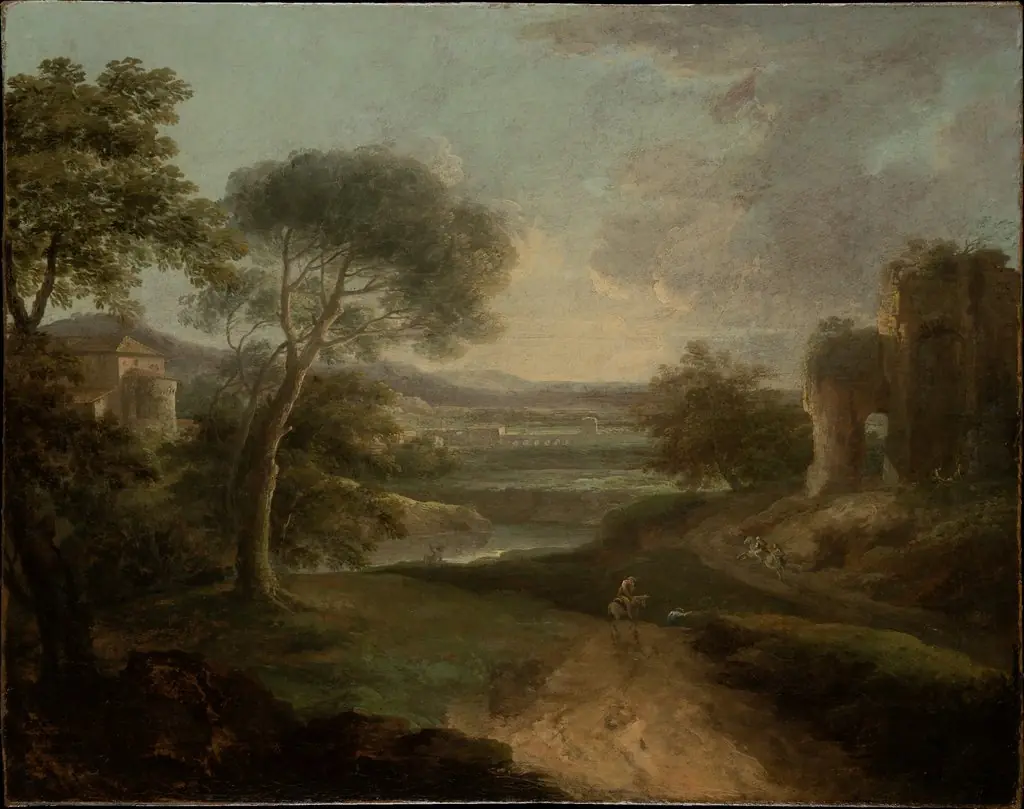 Landscape near Rome
 Mountain Landscape (Horseman on a Mountain Path)