Artwork
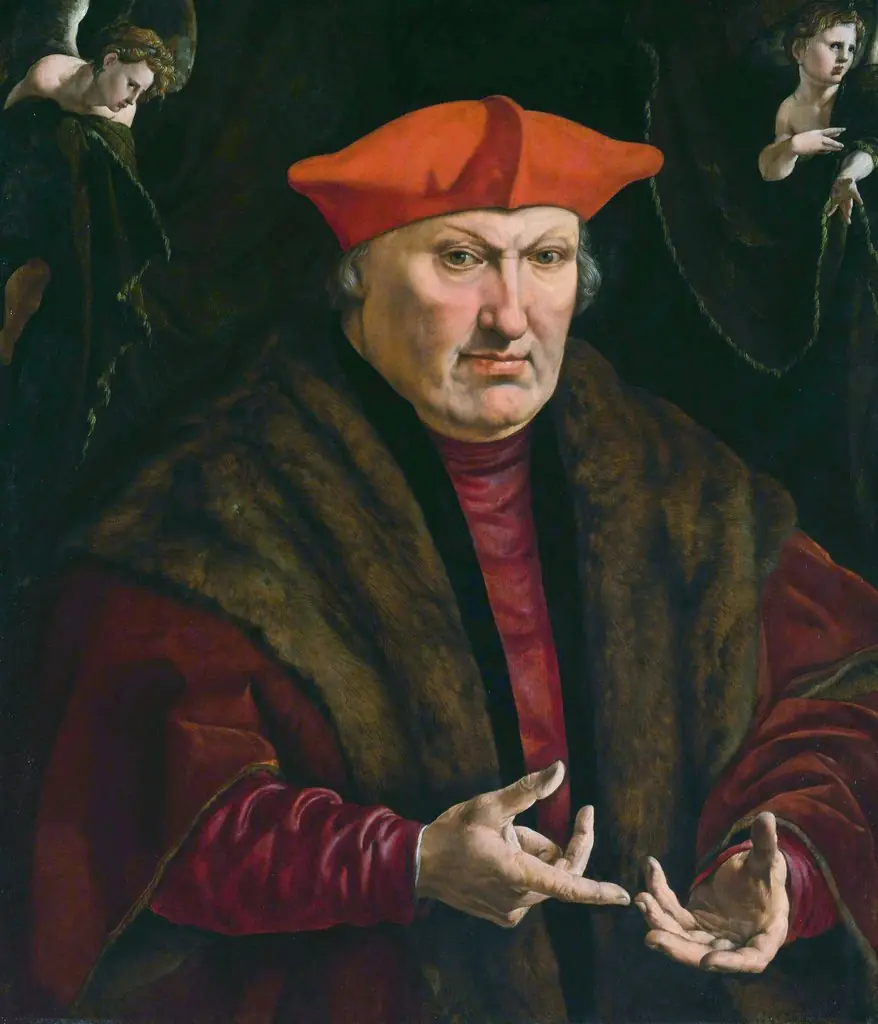
Jan Cornelis Vermeyen. Portrait of Chancellor Jan II Carondelet
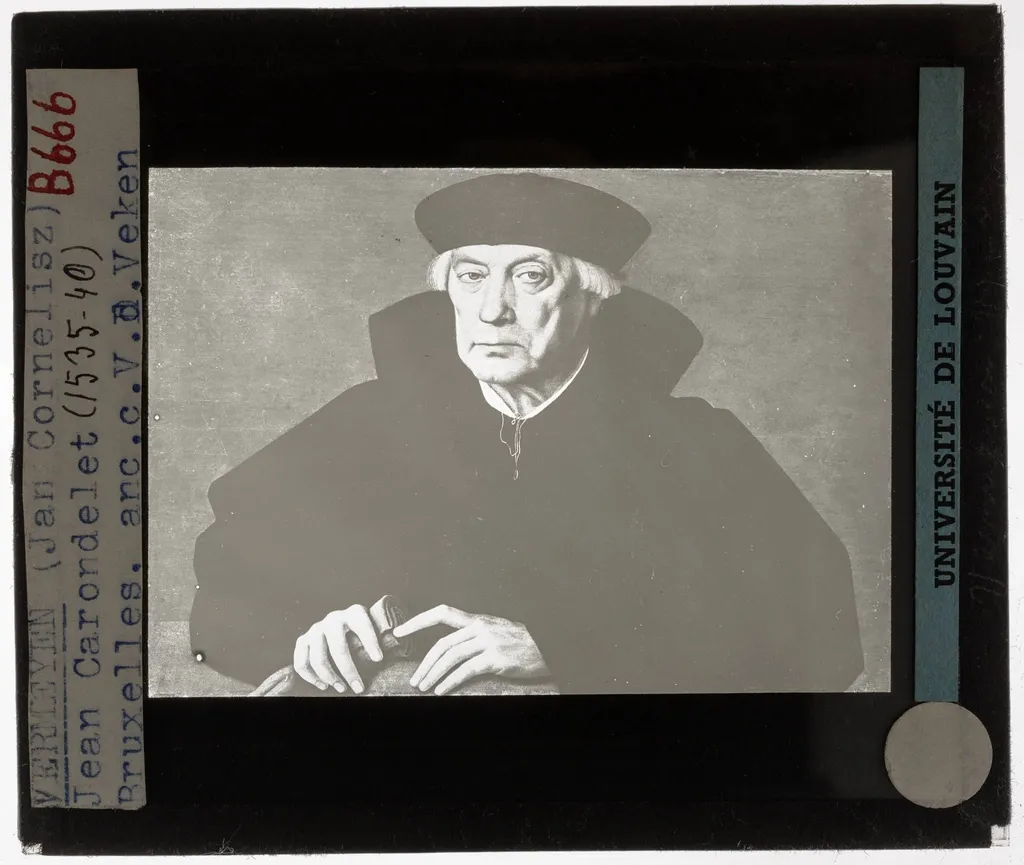
Jan Cornelis Vermeyen. Portrait of Chancellor Jan II Carondelet is an unspecified painting by the Mannerist artist Jan Cornelisz Vermeyen. It dates from 1533 and is held in the collection of the Catholic University of Leuven. Painted in 1533 by Jan Cornelis Vermeyen, this portrait depicts Jan II Carondelet, a prominent Flemish statesman and chancellor.
About this work
You see a man in fancy clothes, sitting at a desk with papers and books.
He looks serious and important.
The painting shows a lot of detail, like the folds in his clothes.
This painting is interesting because it was made a long time ago, in 1533.
The artist paid close attention to the subject's face and clothes.
To learn more about the style of this painting, look up the technique of chiaroscuro.
Overview
It is now held in the Royal Museums of Fine Arts of Belgium in Brussels, where it remains a key example of early 16th-century elite representation.
Painted in 1533 by Jan Cornelis Vermeyen, this portrait depicts Jan II Carondelet, a prominent Flemish statesman and chancellor. Executed in oil on wood panel, the work reflects the precision and quiet dignity characteristic of Northern Renaissance portraiture. It is now held in the Royal Museums of Fine Arts of Belgium in Brussels, where it remains a key example of early 16th-century elite representation.
Subject & Meaning
Jan II Carondelet is portrayed as a learned administrator, seated at a desk strewn with documents and books. His formal attire and composed expression convey authority and intellectual gravitas. The objects around him—inkwells, scrolls, and bound volumes—signal his role in governance and law, reinforcing his identity not merely as a nobleman but as a man of public service and scholarly engagement.
Technique & Style
Vermeyen employs fine brushwork to render textures with meticulous care: the sheen of silk, the grain of wood, and the softness of fur are rendered with quiet realism. Light falls evenly across the figure, avoiding dramatic contrasts, yet subtle modeling defines the contours of the face and hands. The composition is tightly framed, focusing attention on the subject’s presence and the quiet intensity of his gaze.
History & Provenance
The painting was likely commissioned during Carondelet’s tenure as chancellor, possibly for a civic or familial setting. It entered the collection of the Royal Museums of Fine Arts of Belgium in the 19th century, following the consolidation of aristocratic and ecclesiastical holdings after the French Revolutionary period. Its survival through centuries of political upheaval underscores its enduring cultural value.
Context
Created during the height of Habsburg rule in the Low Countries, the portrait reflects the growing importance of secular administrators in a region where church and state were deeply intertwined. Vermeyen, trained in the tradition of Jan van Eyck and Hans Holbein, brought a Northern European attention to detail to the depiction of power, favoring psychological nuance over grandeur.
Legacy
This portrait stands as a representative work of early 16th-century Flemish civic portraiture, influencing later depictions of bureaucratic elites. Its restrained elegance and focus on personal dignity, rather than heraldic display, mark a shift toward individualized representation in Northern art. It remains a reference point for studies of identity, authority, and material culture in the Renaissance.
Artist & collection
Artist
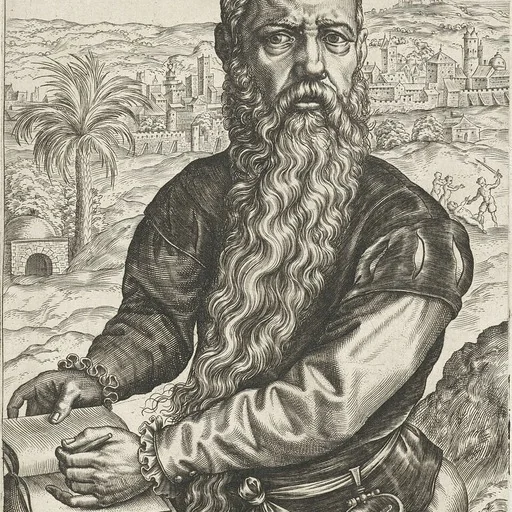
Jan Cornelisz. Vermeyen, also known as Juan del Mayo (c. 1503 – 1559) was a Dutch painter, printmaker and tapestry designer. He is known for his portraits, history scenes and genre subjects. He worked in Mechelen and…
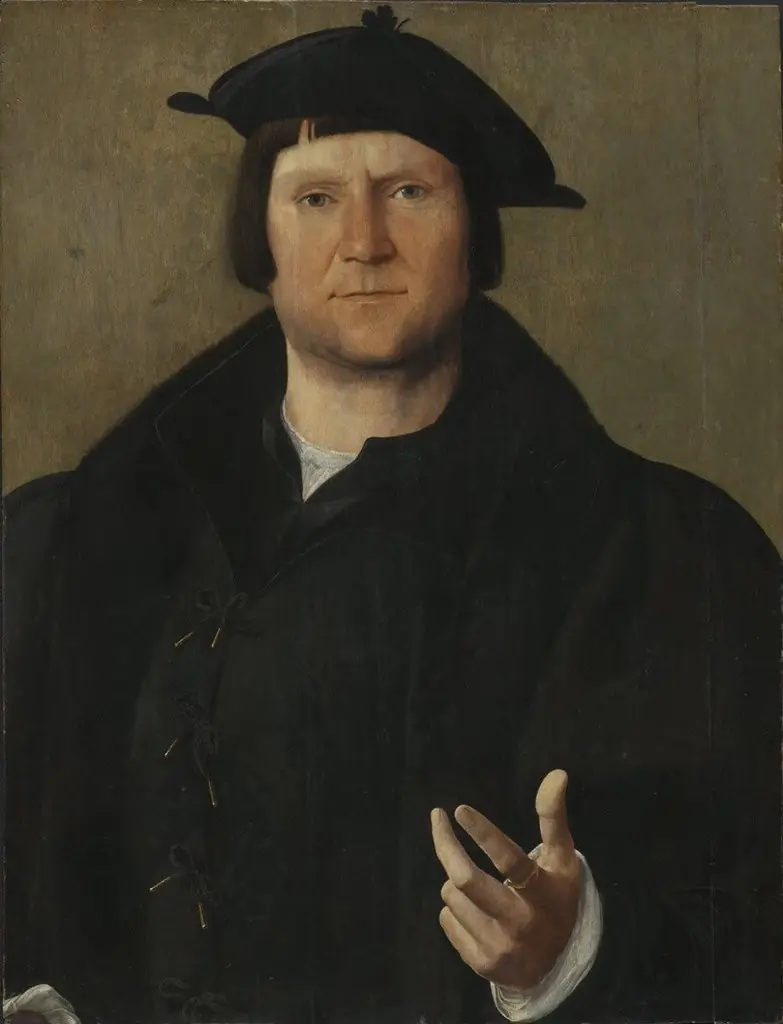
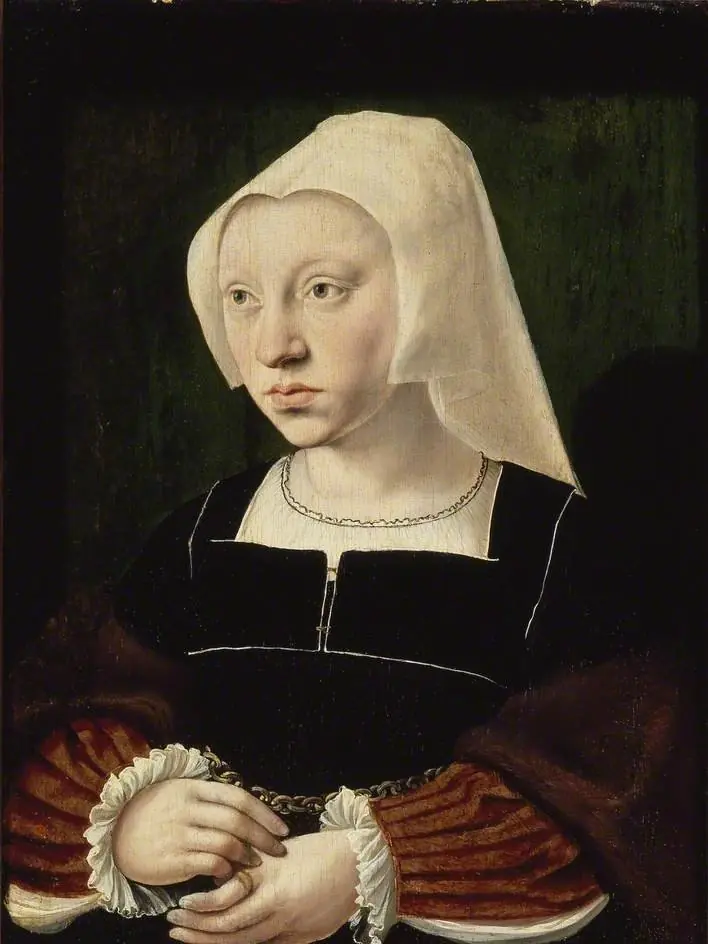
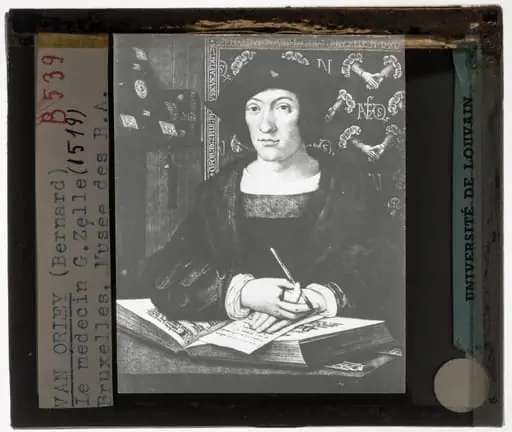 Bernard van Orley. Portrait of doctor Joris Van Zelle
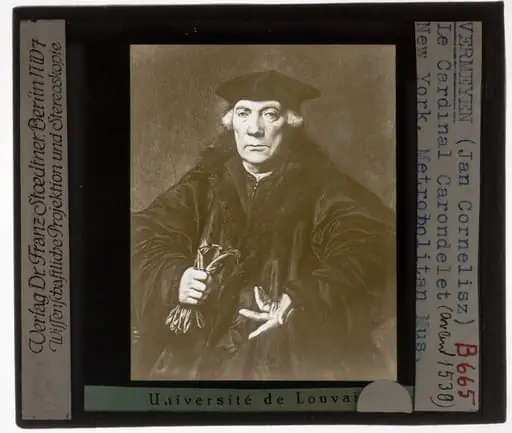 Jan Cornelis Vermeyen. Portret van Jean Carondelet
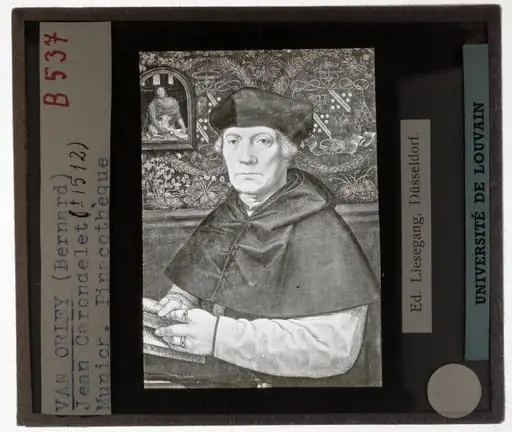 Bernard van Orley. Portret van Jean Carondelet
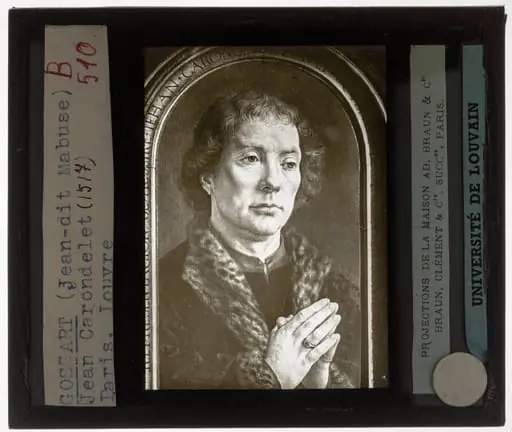 Jan Gossaert. Diptiek van Jean Carondelet Jean Carondelet
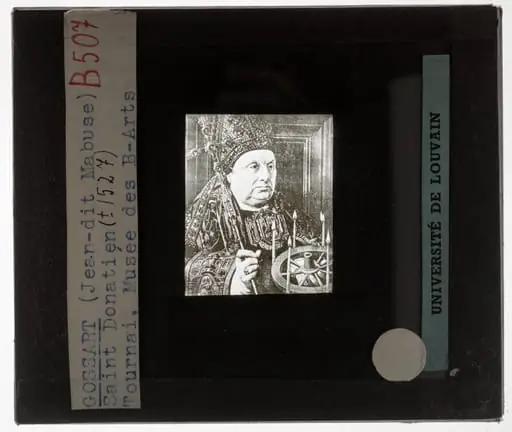 Jan Gossaert. Jan Cornelis Vermeyen. Sint Donatien in de gedaante van Jean Carondelet
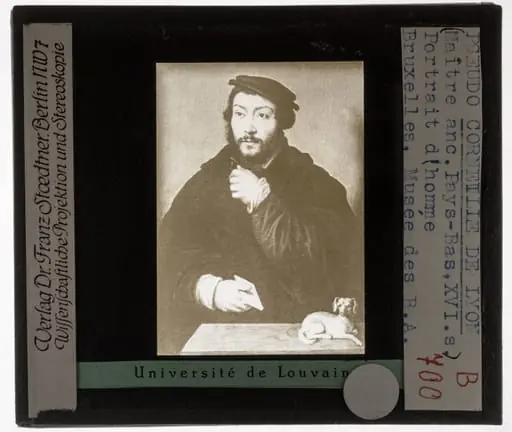 Anonymous. Portrait of a man
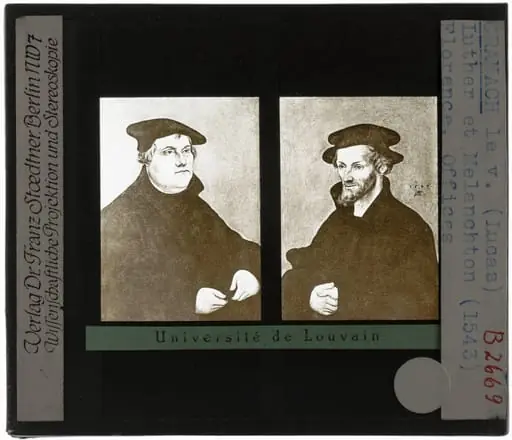 Lucas Cranach der Ältere. Portret van Martin Luther en Philipp Melanchthon
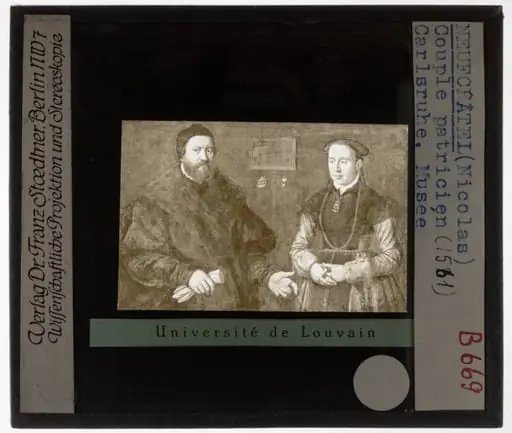 Nicolas Neufchatel. Portret van Balthasar Dörrer en zijn tweede vrouw Magdalena Bayerin
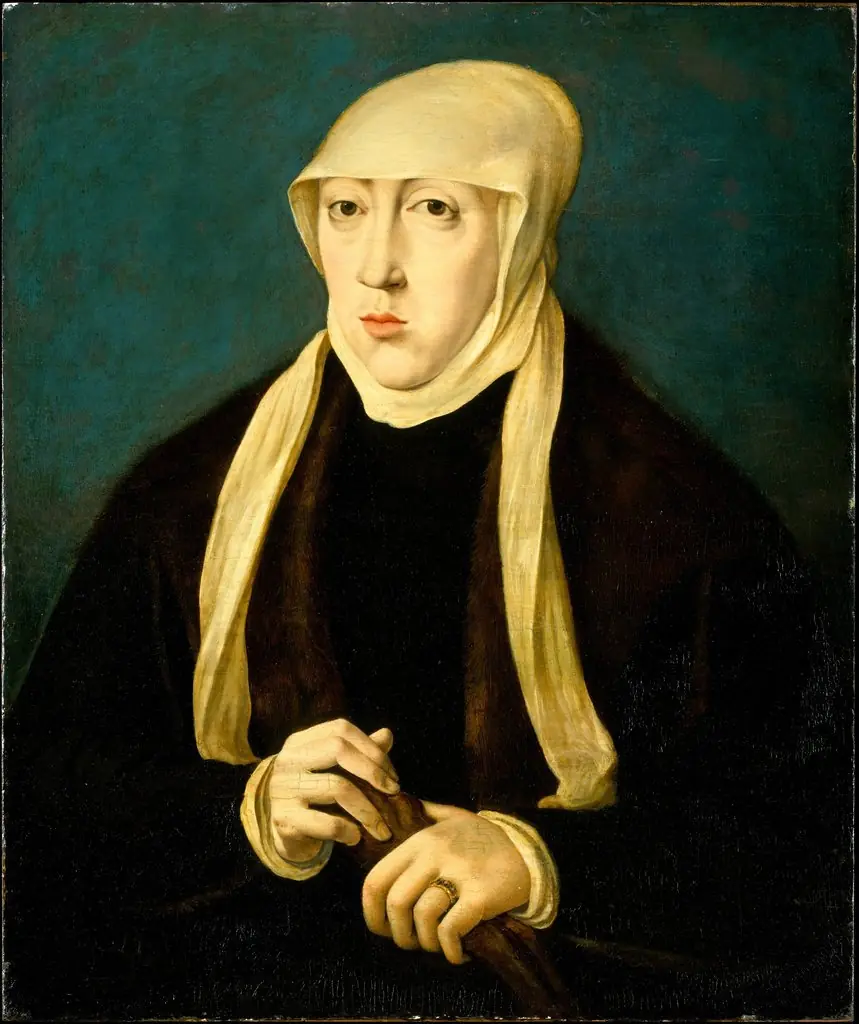
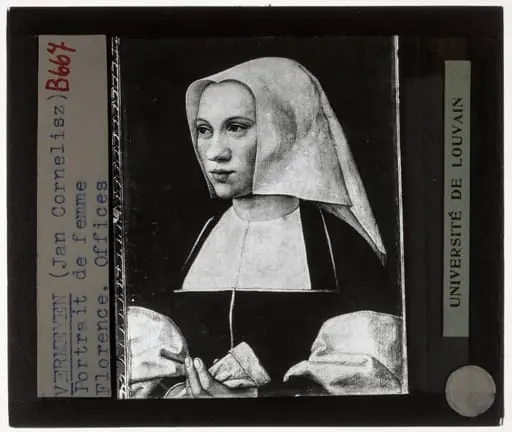 Jan Cornelis Vermeyen. Portrait of a woman
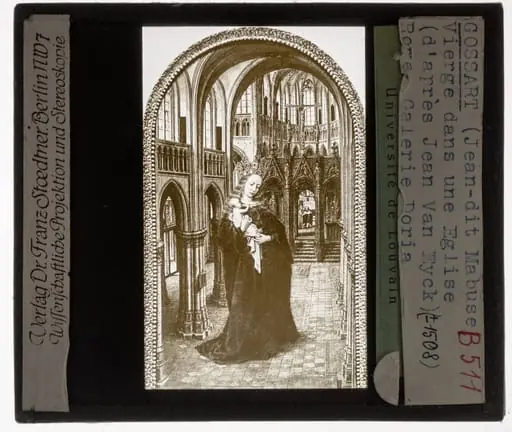 Jan Gossaert (naar Jan van Eyck). De Maagd in de kerk Portret van Antonio Siciliano met zijn patroonheilige
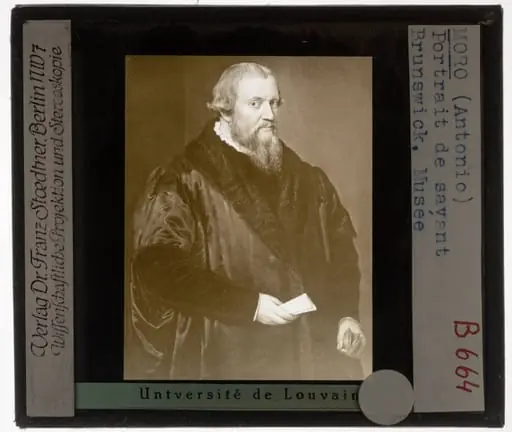 Anthonis Mor van Dashorst. Portret van wetenschapper