Artwork
Jan Gossaert. Jan Cornelis Vermeyen. Sint Donatien in de gedaante van Jean Carondelet
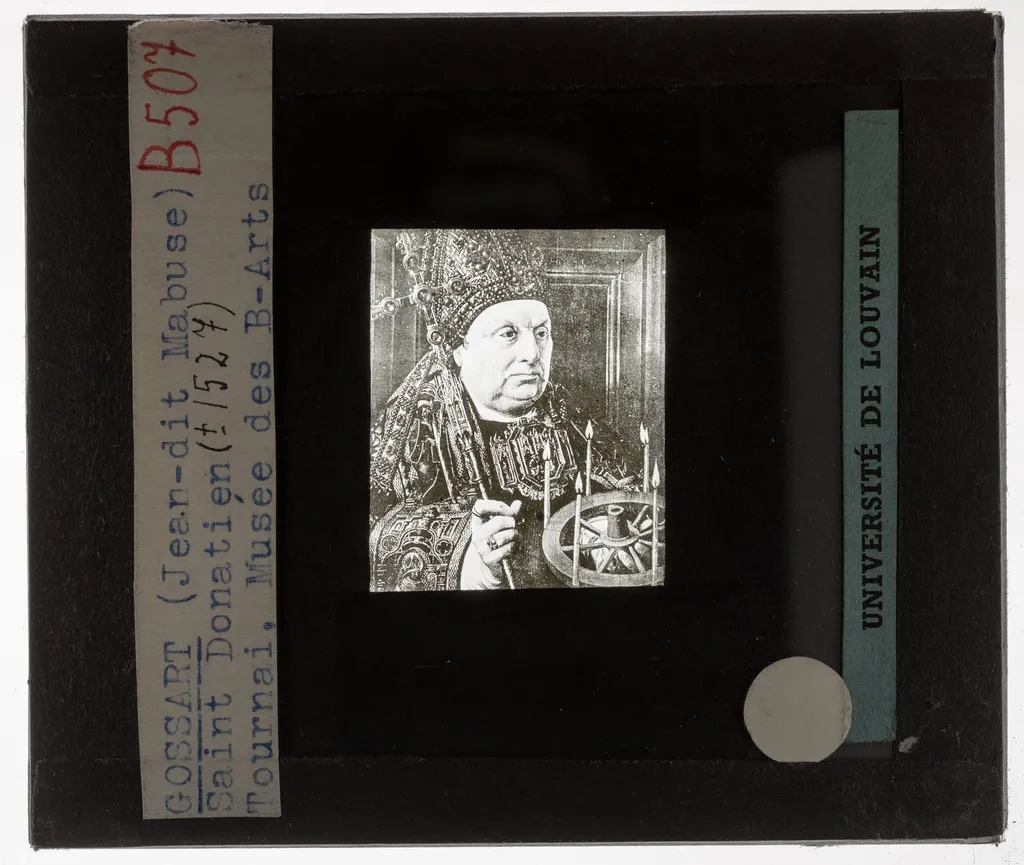
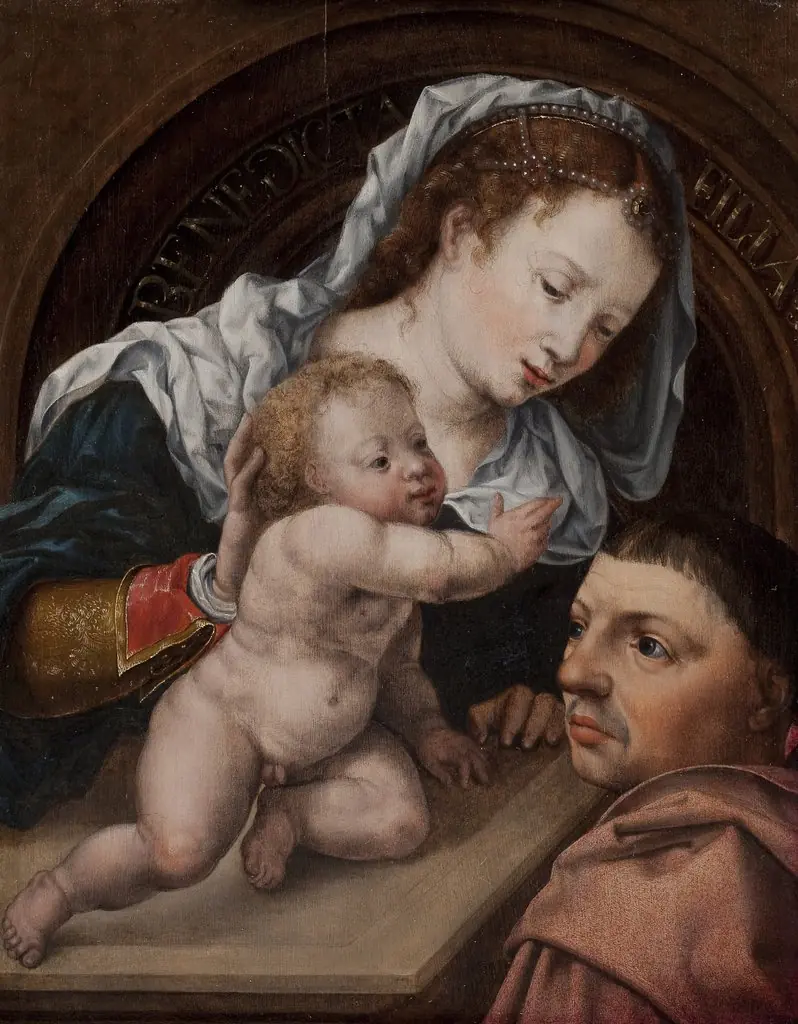
Jan Gossaert. Jan Cornelis Vermeyen. Sint Donatien in de gedaante van Jean Carondelet is an unspecified painting by the Northern Renaissance artist Jan Gossaert. It dates from 1527 and is held in the collection of the Catholic University of Leuven.
About this work
Overview
This portrait, created between 1525 and 1530, depicts Jean Carondelet, a prominent Burgundian statesman and cleric, portrayed as Saint Donatian of Reims.
This portrait, created between 1525 and 1530, depicts Jean Carondelet, a prominent Burgundian statesman and cleric, portrayed as Saint Donatian of Reims. Painted in oil on panel, it merges secular identity with religious symbolism, reflecting the hybrid devotional practices of the Northern Renaissance. The work is held in the Musée des Beaux-Arts in Tournai, Belgium, and originates from a period when elite patrons frequently commissioned spiritualized portraiture.
Subject & Meaning
Jean Carondelet, a high-ranking advisor to Emperor Charles V, is depicted not as himself but as Saint Donatian, the patron saint of Tournai. This allegorical representation asserts his spiritual authority and local influence, aligning his earthly power with divine protection. The choice of saintly guise underscores his role as a benefactor of the cathedral and his desire to be remembered in sacred terms, blending personal legacy with ecclesiastical devotion.
Technique & Style
The artist employs meticulous oil painting techniques characteristic of the Northern Renaissance, with fine brushwork rendering textures of fabric, metal, and stone. Subtle chiaroscuro models the face and hands, enhancing three-dimensionality without dramatic contrast. The interior setting is rendered with architectural precision, and the background’s distant landscape suggests spatial depth, reflecting an interest in naturalism and material detail over idealized form.
History & Provenance
The painting was likely commissioned during Carondelet’s tenure as abbot of Saint Donatian’s Abbey in Tournai. It remained in ecclesiastical collections until entering the Musée des Beaux-Arts in the 19th century. Earlier glass slide reproductions from KU Leuven, dated between 1839 and 1939, indicate its use in academic instruction, though the original artist remains uncertain—sometimes attributed to Jan Gossaert or Jan Cornelis Vermeyen.
Context
In early 16th-century Flanders, portraits of clergy often incorporated saintly attributes to reinforce moral and institutional authority. Carondelet’s image reflects a broader trend among humanist elites who used visual culture to negotiate identity between secular office and religious duty. The painting’s realism and symbolic layering align with the intellectual climate of the Northern Renaissance, where personal piety and political influence were visually intertwined.
Legacy
Though not widely exhibited, the portrait remains a significant example of how Northern Renaissance artists translated personal identity into sacred allegory. Its detailed rendering of costume and interior space influenced later portraiture in the Low Countries. Scholarly attention continues for its fusion of biography and hagiography, offering insight into the visual rhetoric of power among clerical elites in Habsburg territories.
Artist & collection
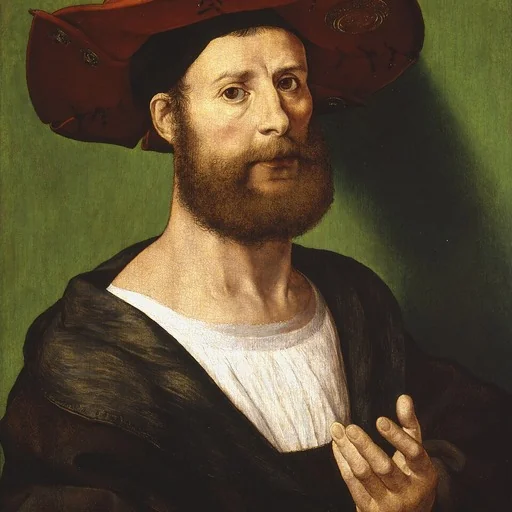
Artist
Jan Gossaert (c. 1478 – 1 October 1532) was a French-speaking painter from the Low Countries also known as Jan Mabuse (the name he adopted from his birthplace, Maubeuge) or Jennyn van Hennegouwe (Hainaut), as he called…
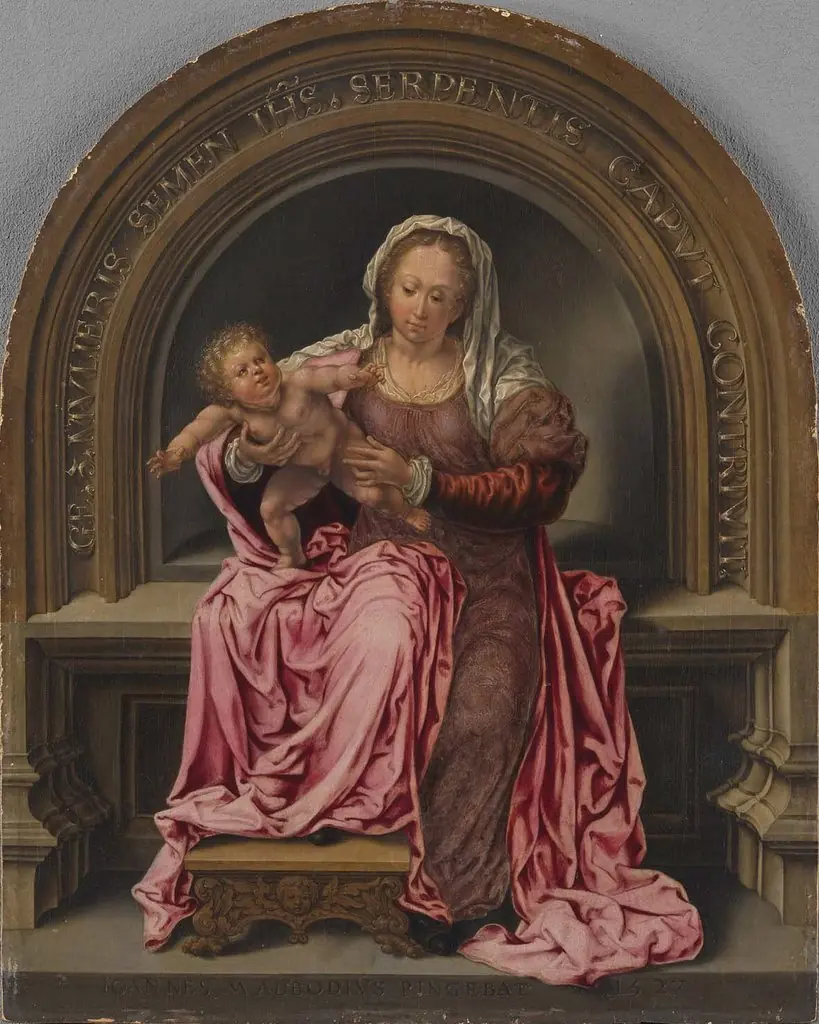
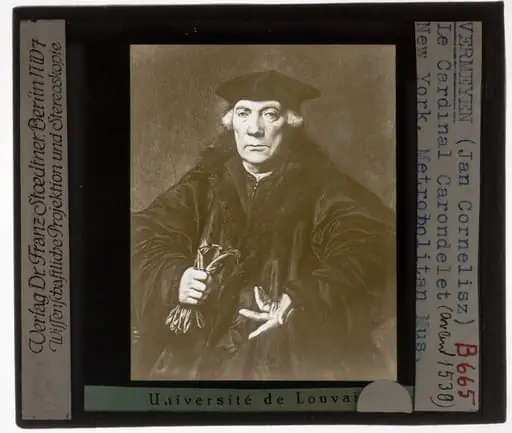 Jan Cornelis Vermeyen. Portret van Jean Carondelet
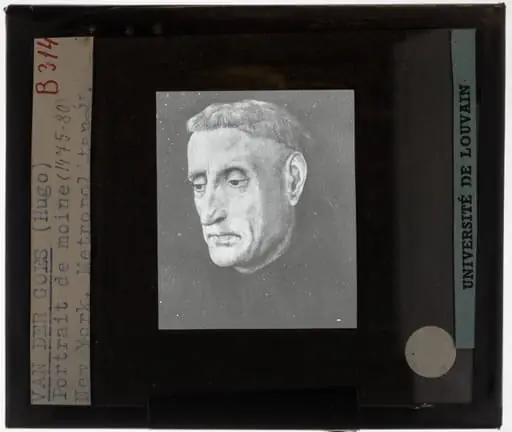 Hugo van der Goes. Portret van een Benedictijnse monnik
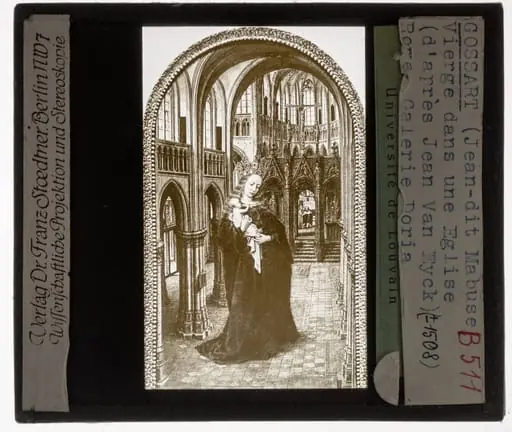 Jan Gossaert (naar Jan van Eyck). De Maagd in de kerk Portret van Antonio Siciliano met zijn patroonheilige
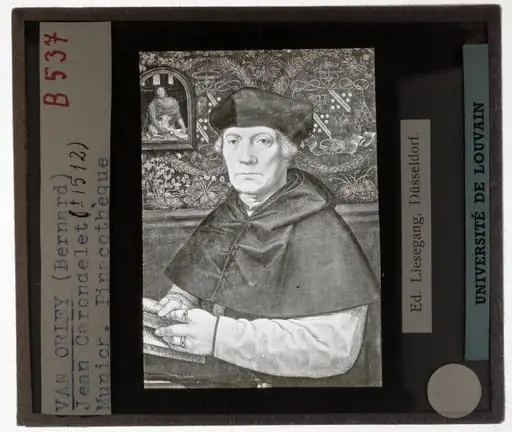 Bernard van Orley. Portret van Jean Carondelet
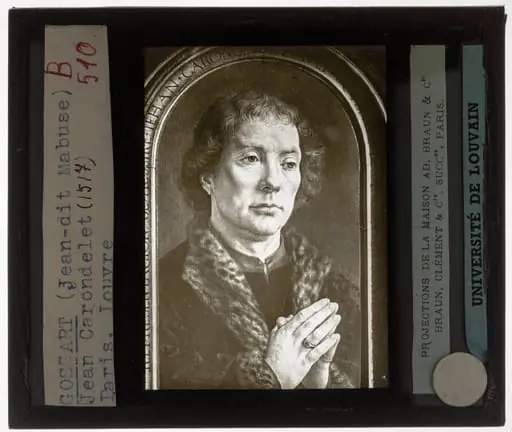 Jan Gossaert. Diptiek van Jean Carondelet Jean Carondelet
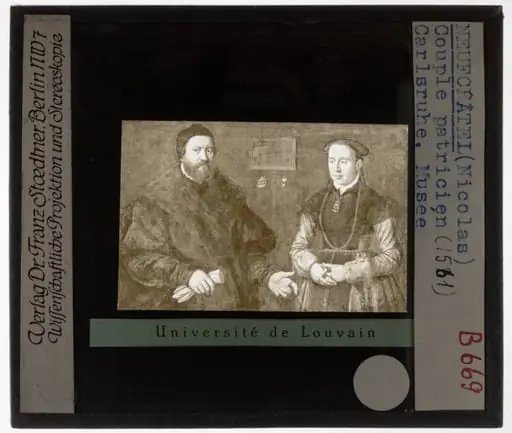 Nicolas Neufchatel. Portret van Balthasar Dörrer en zijn tweede vrouw Magdalena Bayerin
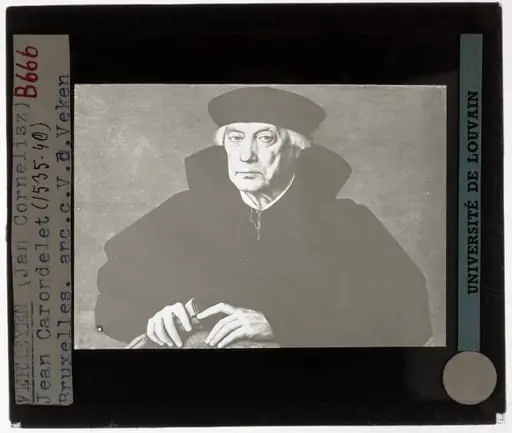 Jan Cornelis Vermeyen. Portrait of Chancellor Jan II Carondelet
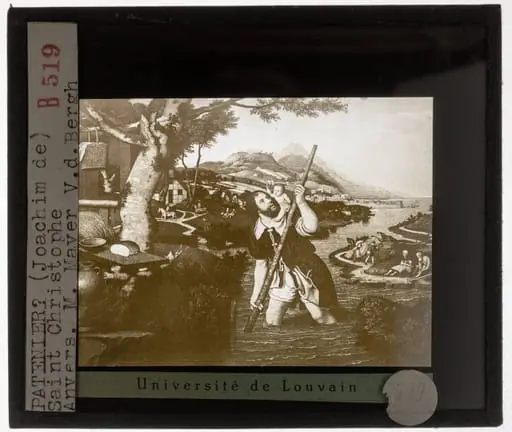 Joachim Patinir. Sint Christoffel
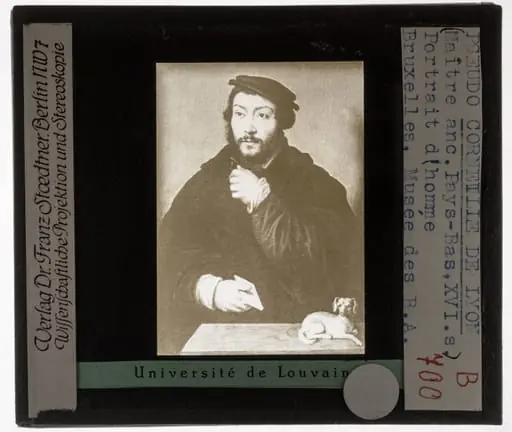 Anonymous. Portrait of a man
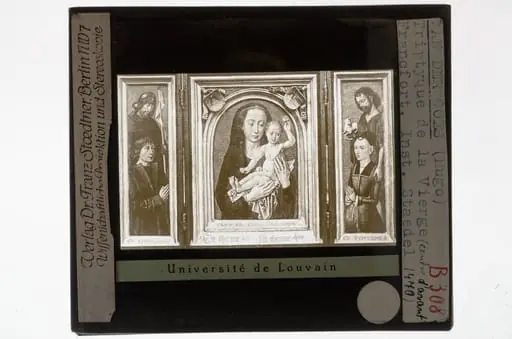 Hugo van der Goes. Triptych
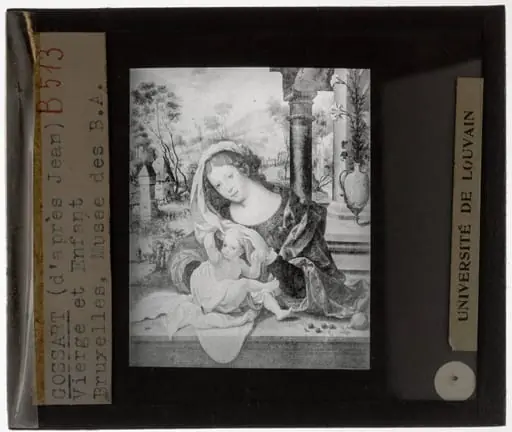 Jan Gossaert (kopie). De heilige Maagd met de sluier
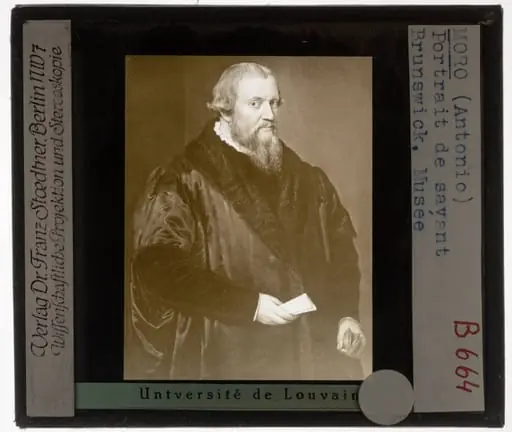 Anthonis Mor van Dashorst. Portret van wetenschapper