Artwork
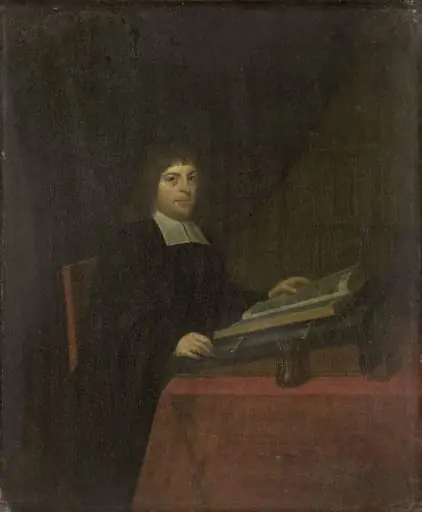
Portrait of a man at the table covered with a carpet
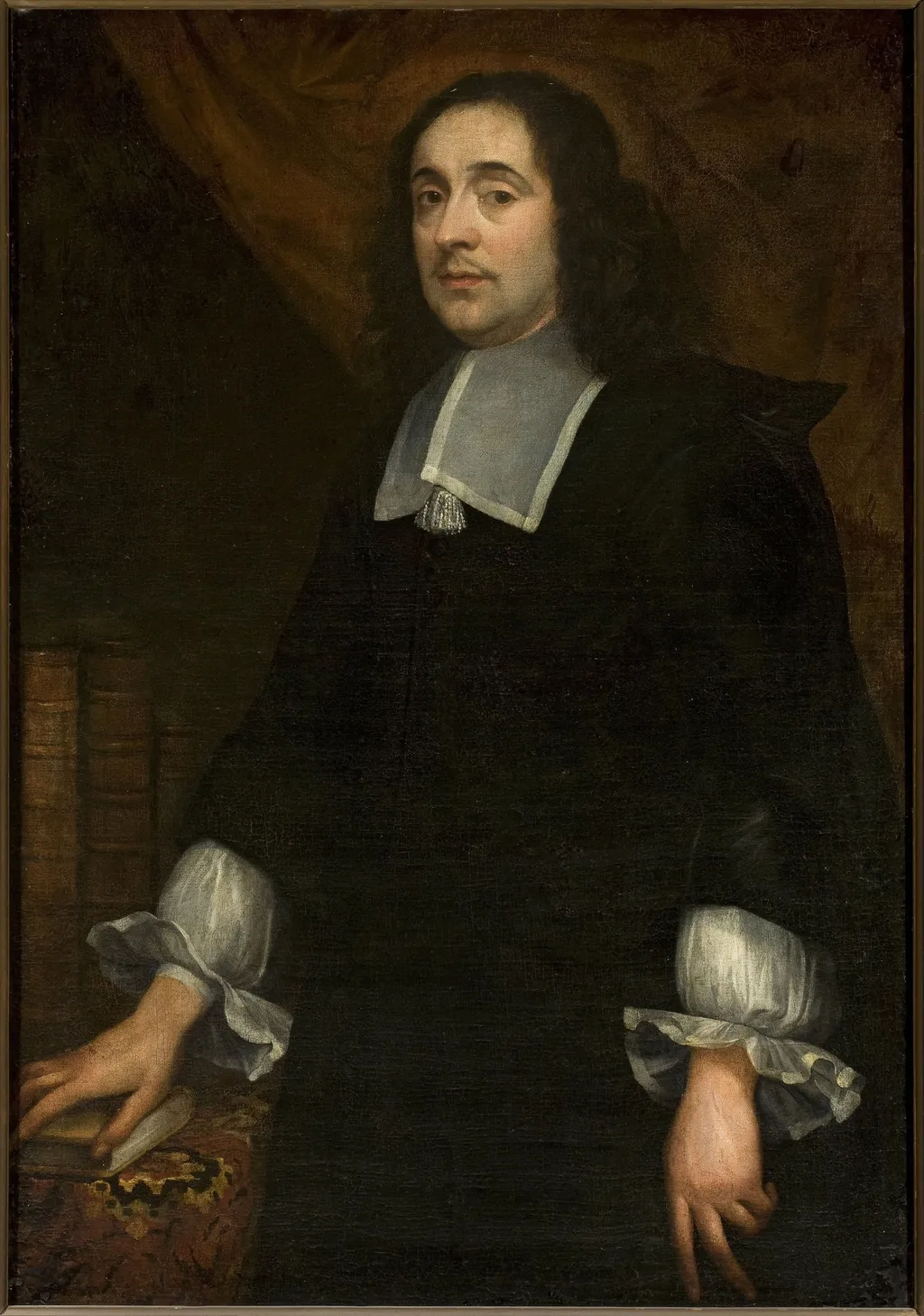
Portrait of a man at the table covered with a carpet is an oil painting by the Dutch Golden Age artist Jan de Baen. It dates from 1677 and is held in the collection of the National Museum in Warsaw.
About this work
Overview
Portrait of a man at the table covered with a carpet is an oil painting created by Jan de Baen around 1677. Characteristic of Dutch Golden Age portraiture, the work showcases de Baen's adherence to traditional techniques while capturing a serene, introspective atmosphere.
Subject & Meaning
The painting portrays a solemn-faced man dressed in a black coat with white accents, seated in a simple, dark room. The subject's identity remains unspecified, suggesting the piece may prioritize typological representation over individual commemoration. The setting, including a table draped with an intricately patterned carpet, reflects the conventions of the era's portraiture.
Technique & Style
De Baen employed chiaroscuro to dramatic effect, using deep shadows in the background to make the subject's face emerge prominently. This contrast, coupled with the subtle play of light on the subject's attire and the carpet's patterns, exemplifies the artist's mastery of lighting to evoke depth and presence.
History & Provenance
Jan de Baen, trained under Jacob Adriaensz Backer, created this work during his established period in The Hague (1660-1702). Having previously worked for exiled Charles II of England, de Baen's style in this painting reflects both his Dutch roots and broader European influences.
Context
Produced during the Dutch Golden Age, the painting situates itself within a flourishing portraiture tradition. The inclusion of a carpeted table, a common motif, grounds the work in the aesthetic preferences of the time, emphasizing comfort, status, and the subject's contemplative state.
Artist & collection
Artist
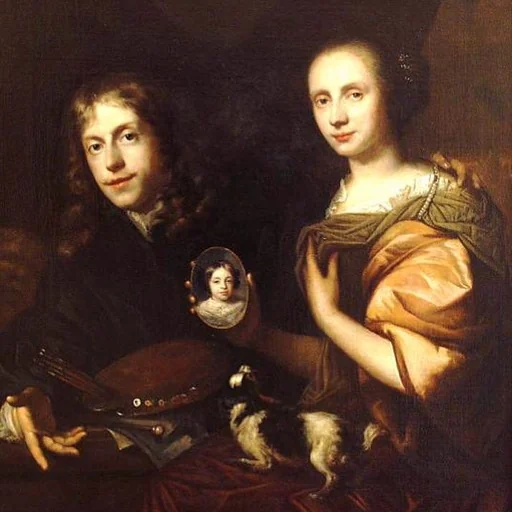
Jan de Baen (20 February 1633 – 1702) was a Dutch portrait painter who lived during the Dutch Golden Age.

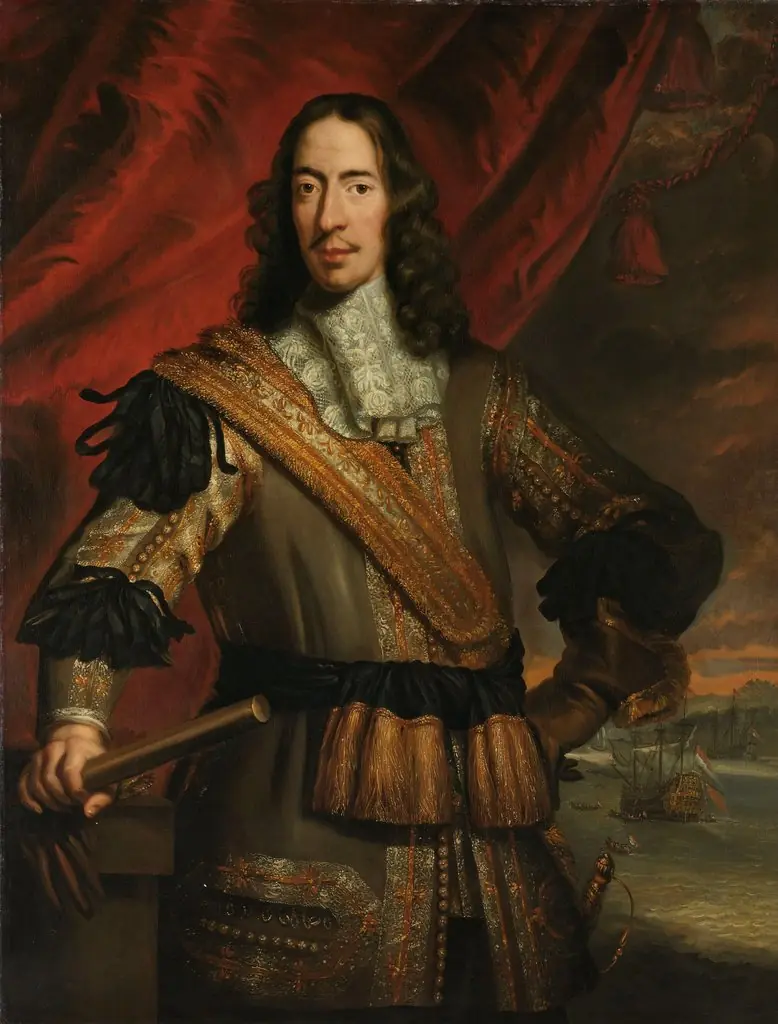 Portrait of Cornelis de Witt (1623-72), Burgomaster of Dordrecht and lord lieutenant of Putten
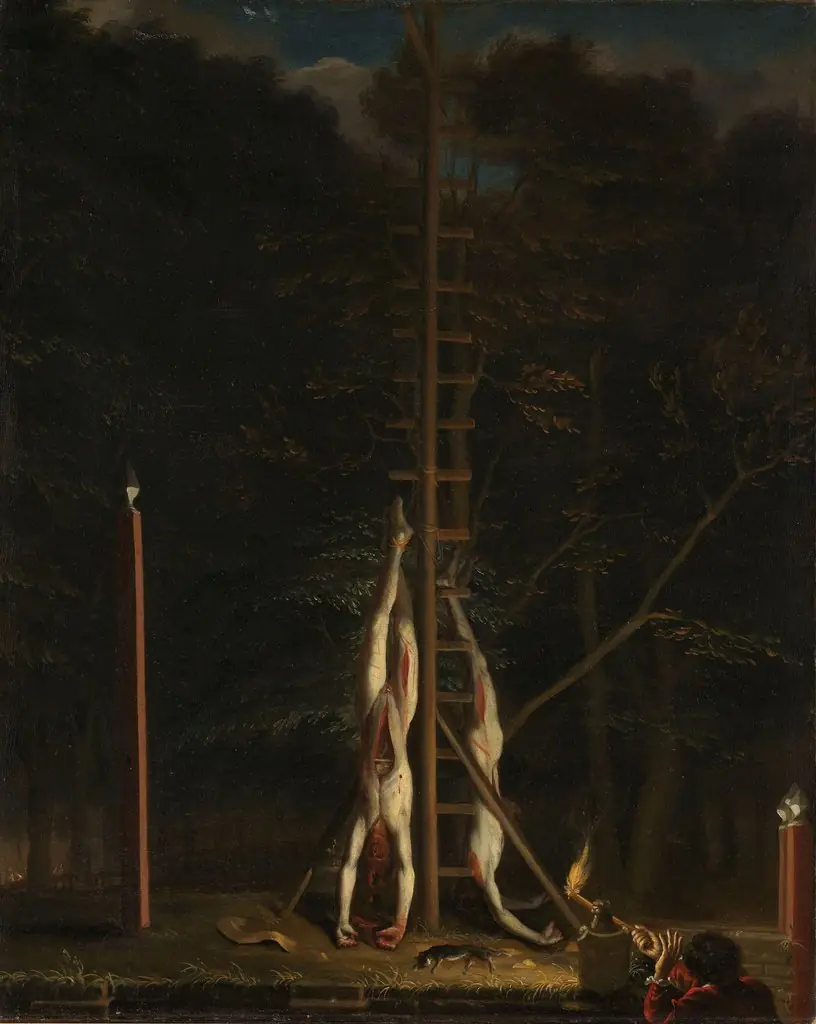 The Corpses of the De Witt Brothers
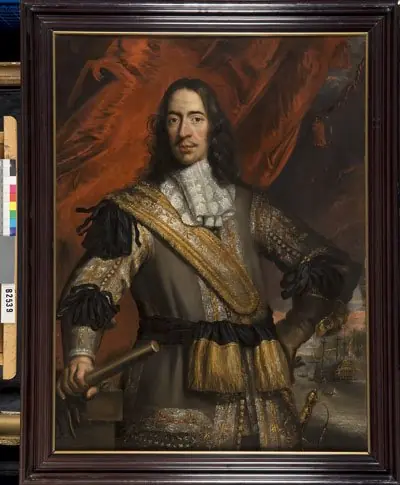 Portrait of Cornelis de Witt (1623-1672)
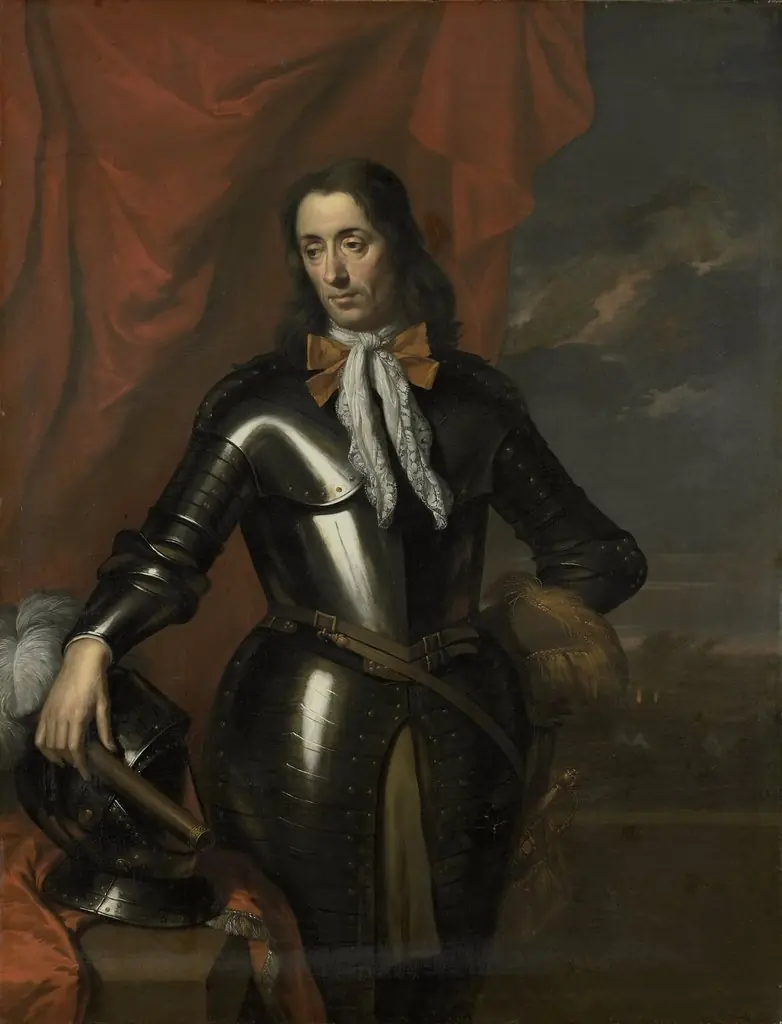 Portrait of Isaac de l'Ostal de Saint-Martin (ca 1629-96), governor of the Dutch East Indies and commander of the garrison at Batavia
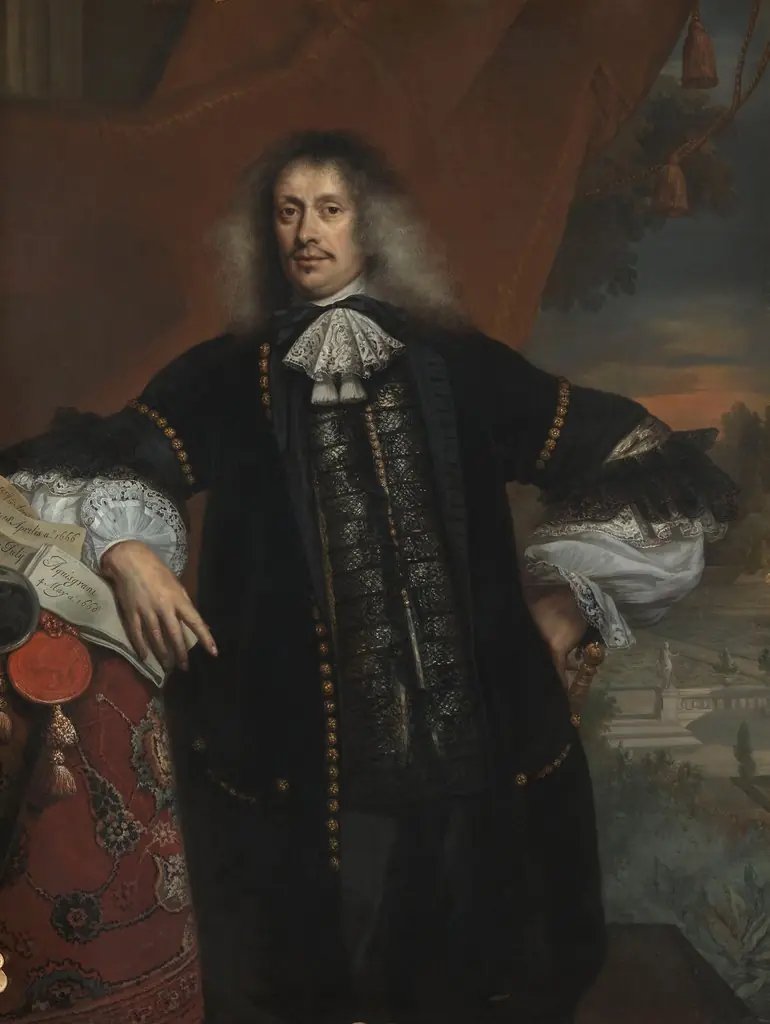 Hieronymus van Beverningk
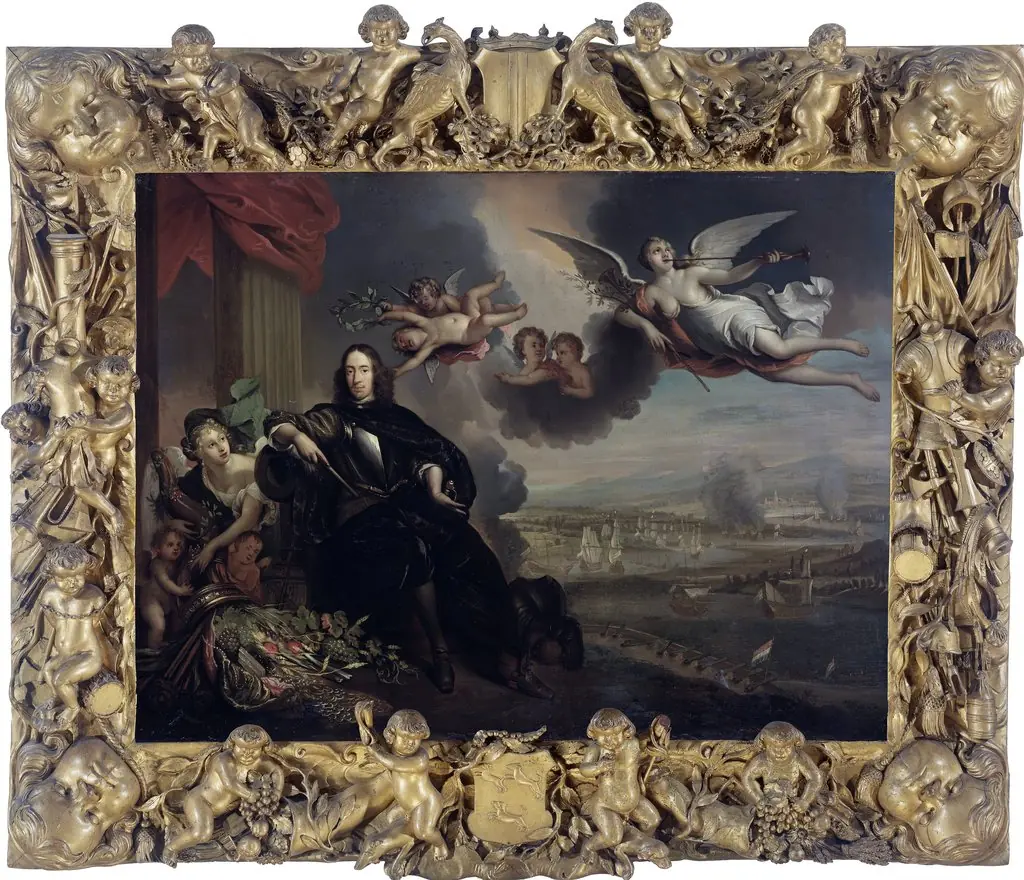 The apotheosis of Cornelis de Witt, with the raid on Chatham in the background
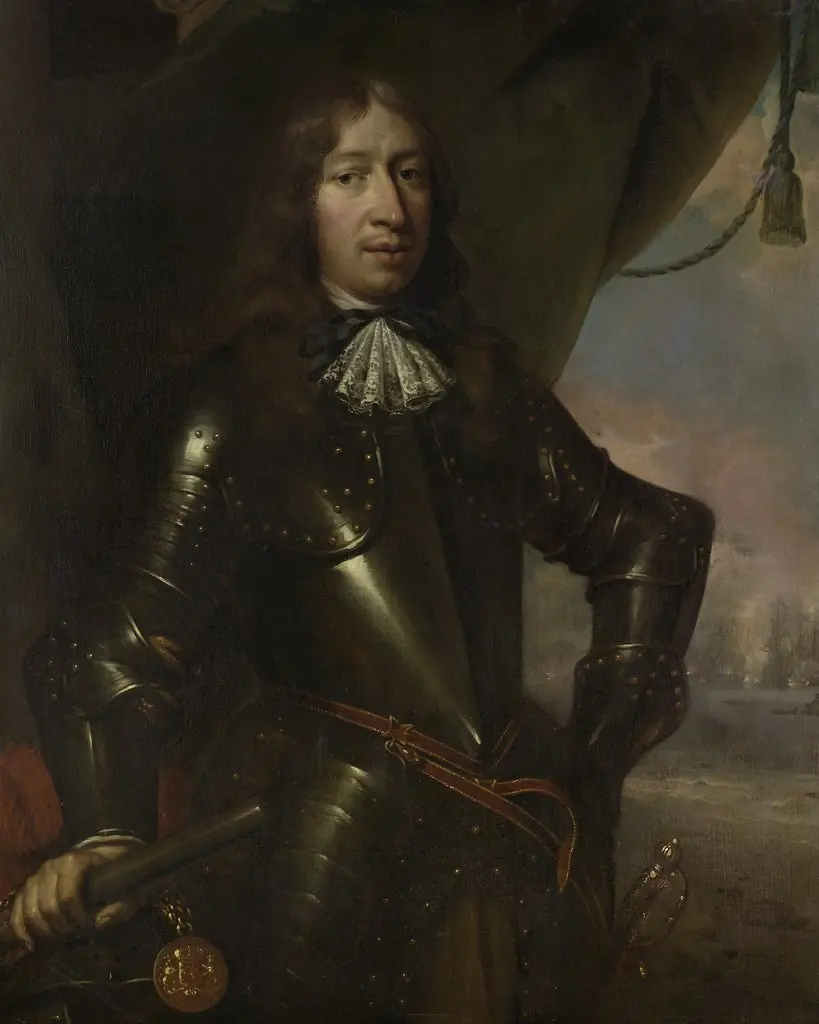 Portrait of Willem Joseph Baron van Ghent (1626-72), vice-admiral
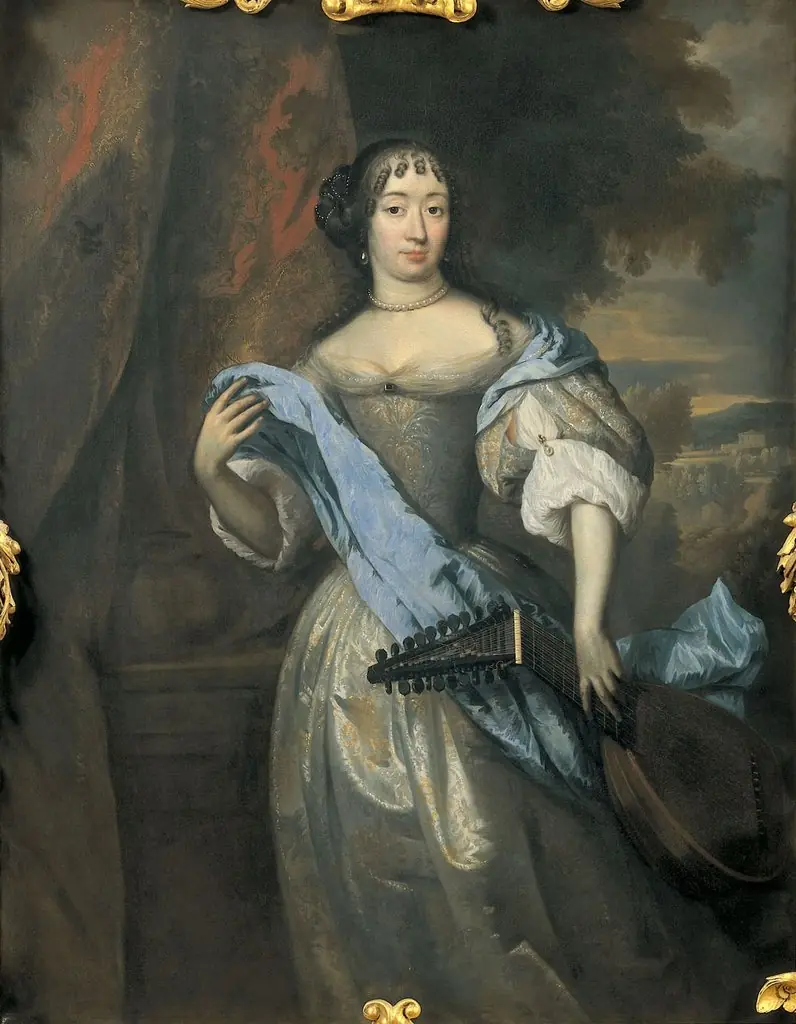 Johanna le Gillon, Wife of Hieronymus van Beverningk
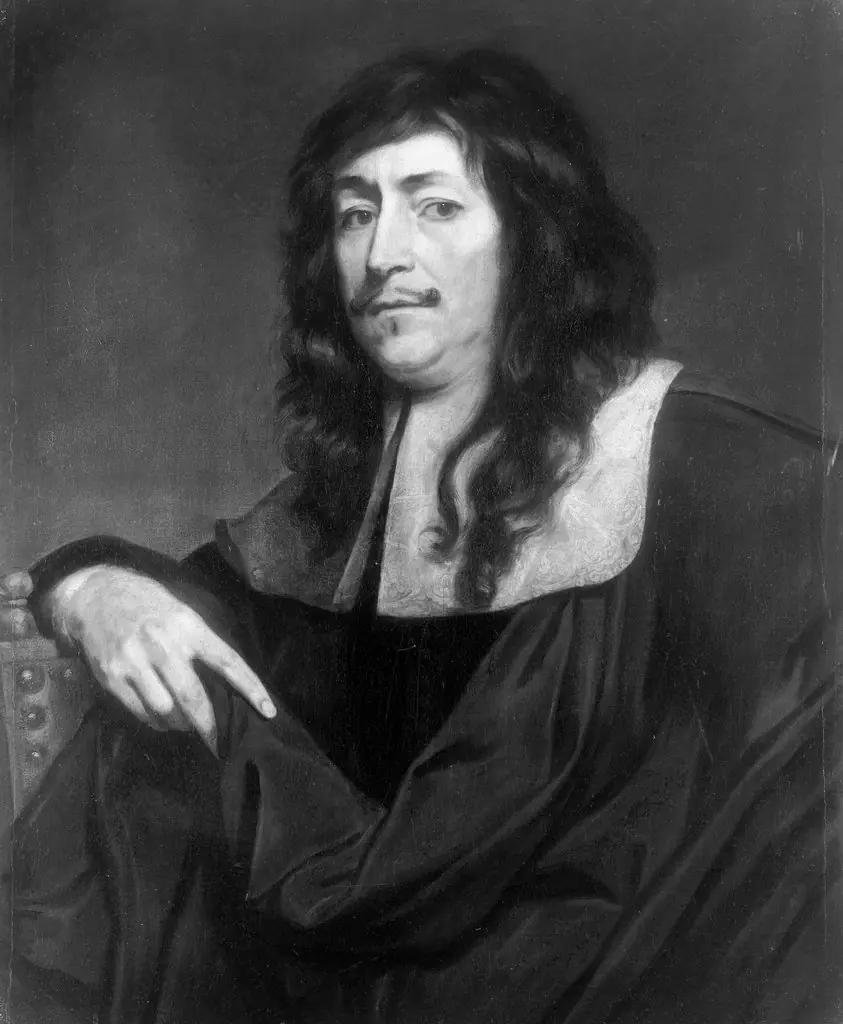 Portrait of a man
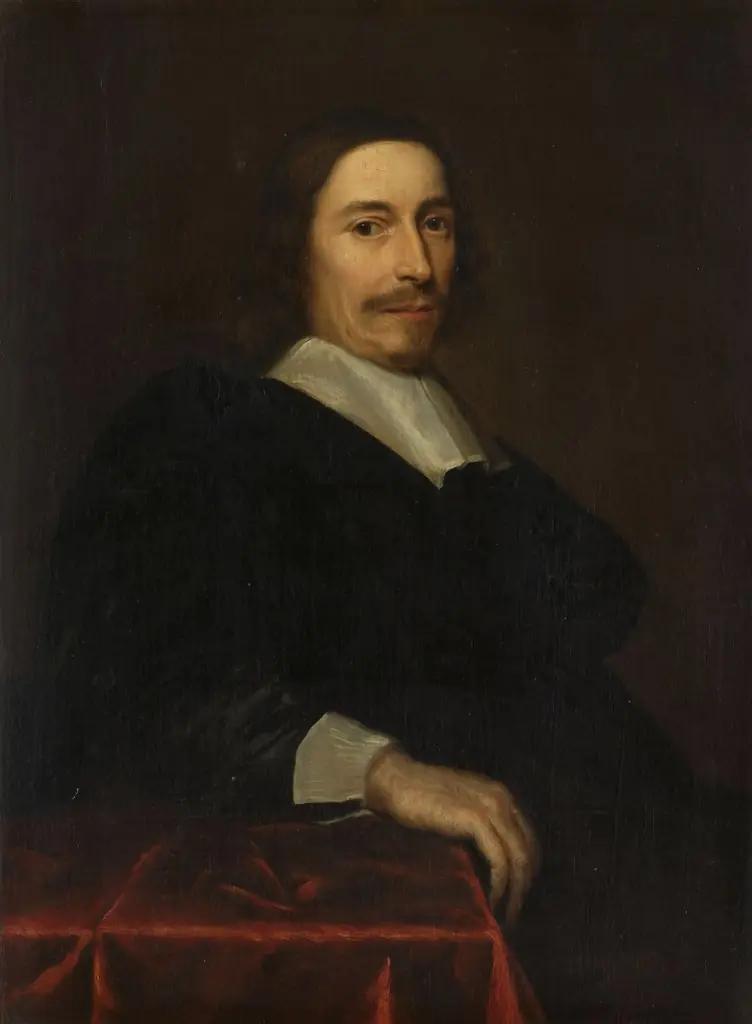 Jacob de Witt (1589-1674)
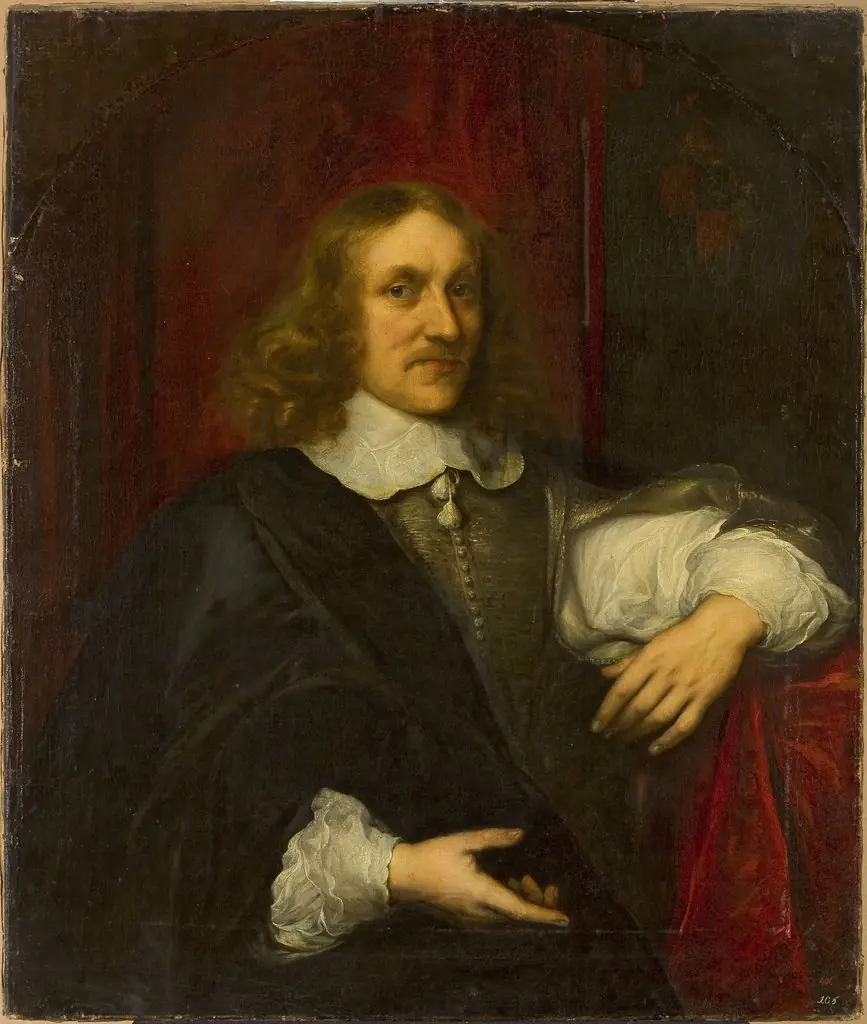 Portrait of a man
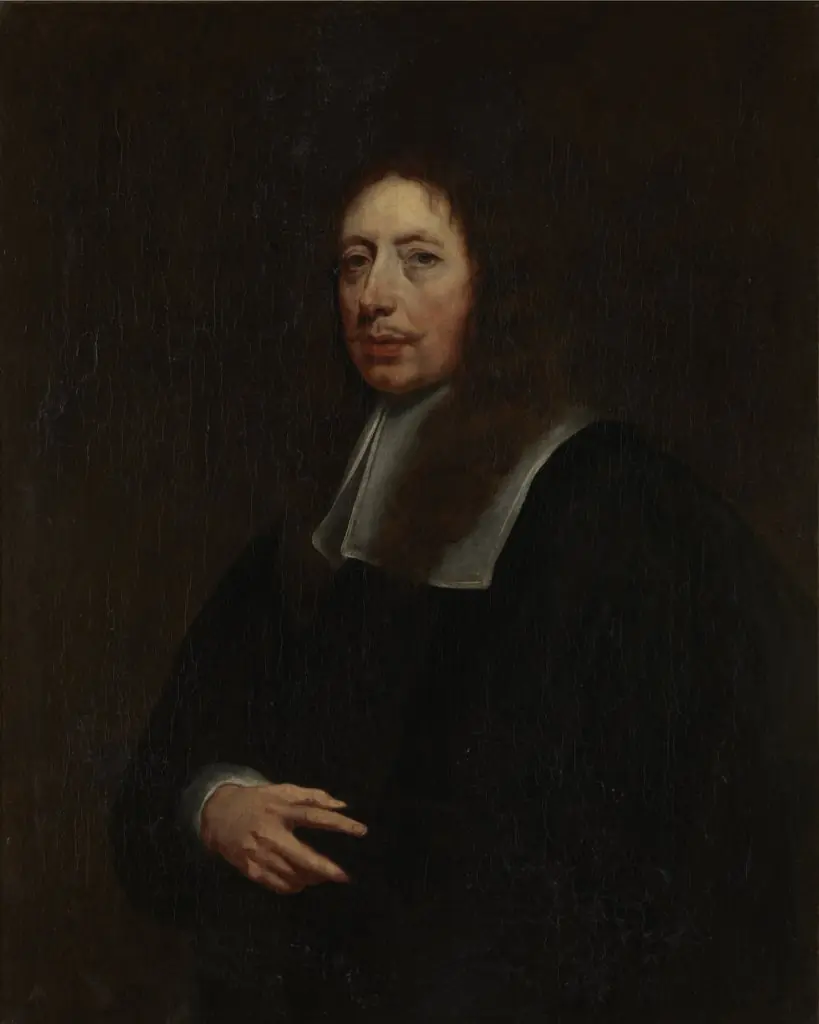 Maximus Gerardi
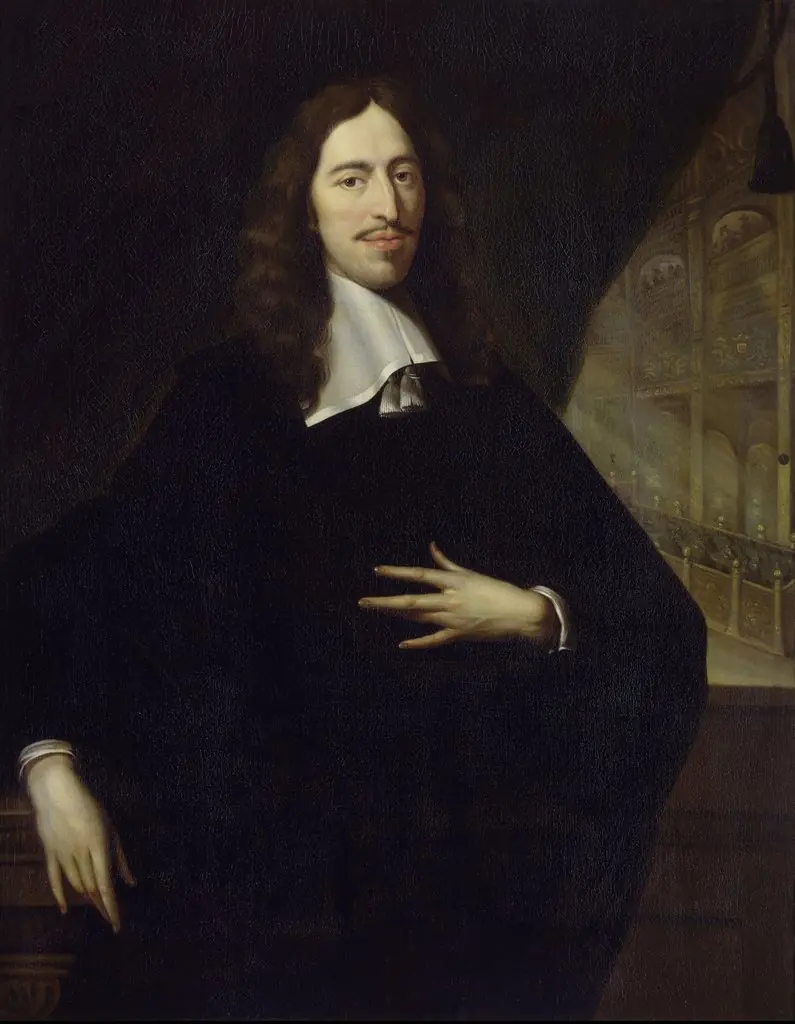 Portrait of Johan de Witt (1625-72), Grand Pensionary of Holland
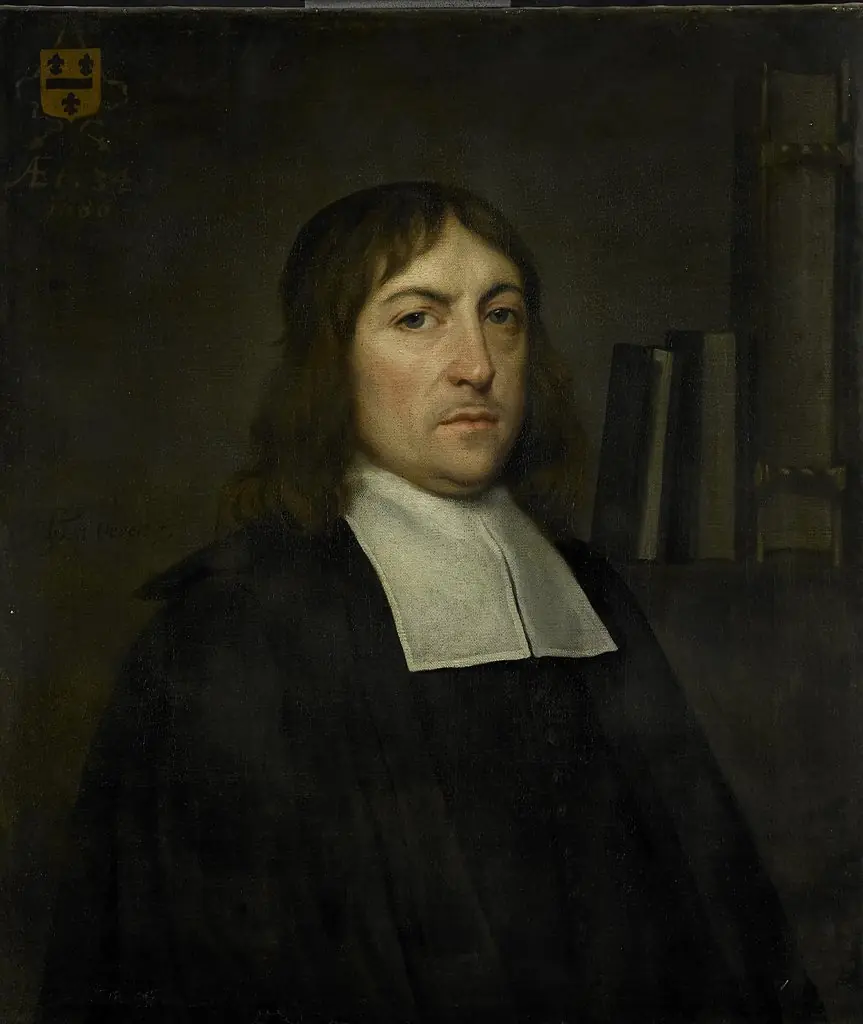 Portrait of Barend Hakvoort (1652-1735), bookseller, church reader and catechism master in Zwolle
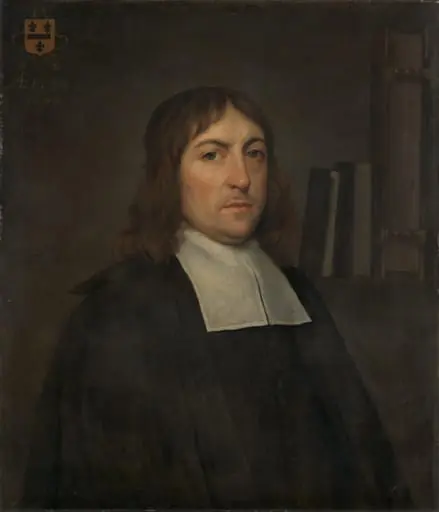 Portrait of Barend Hakvoort (1652-1735)
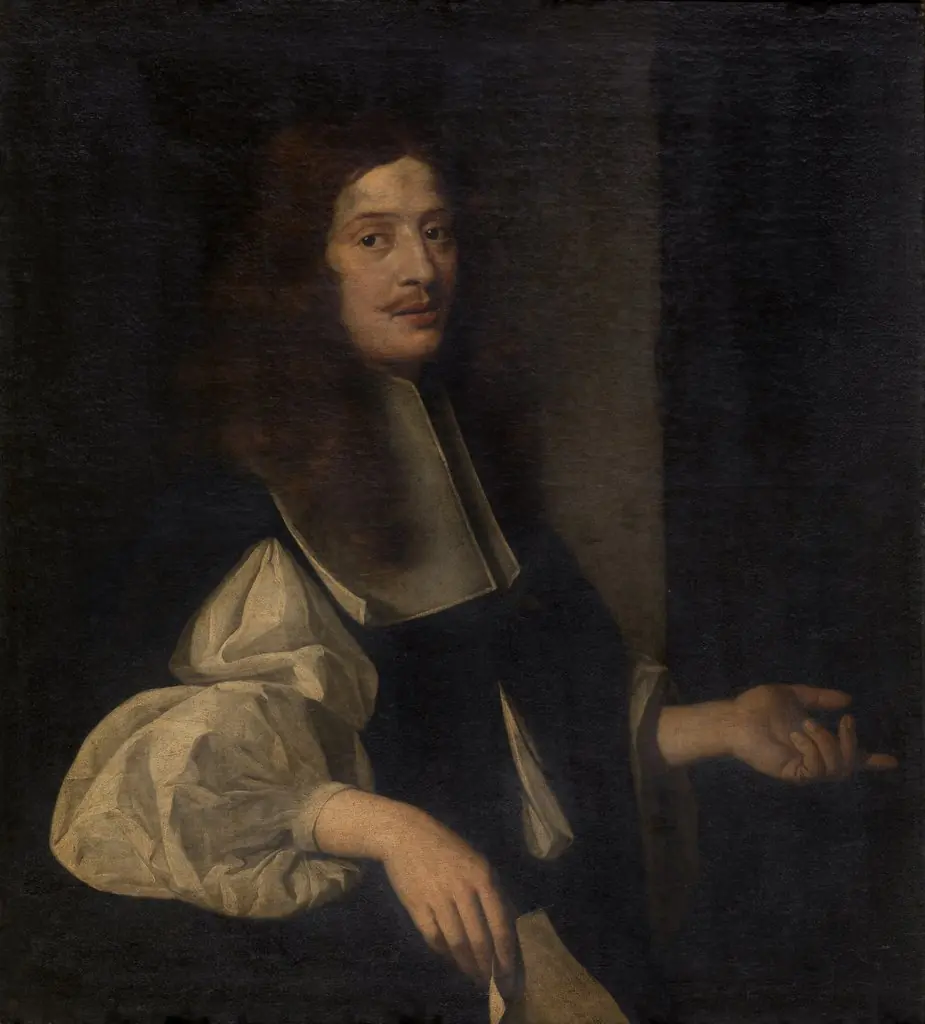 Portrait of a Man
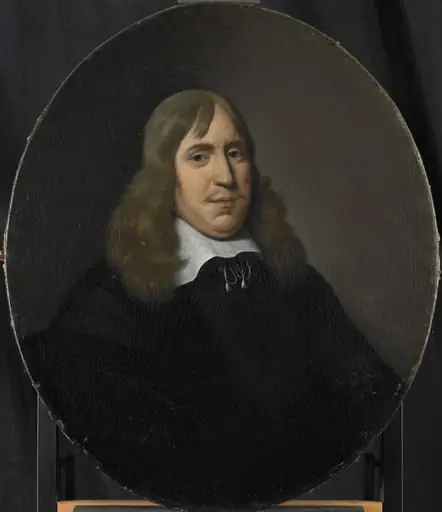 Portrait of Willem Hartigsvelt, Director of the Rotterdam Chamber of the Dutch East India Company, elected 1657
 Portrait of Barend Hakvoort (1652-1735)
 Portrait of a Minister
 Kunstkammerforvalter Bendix Grodtschilling den ældre, kunstnerens fader