Artwork
Interior of a Palazzo with Classical Sculptures in Niches and above a Door
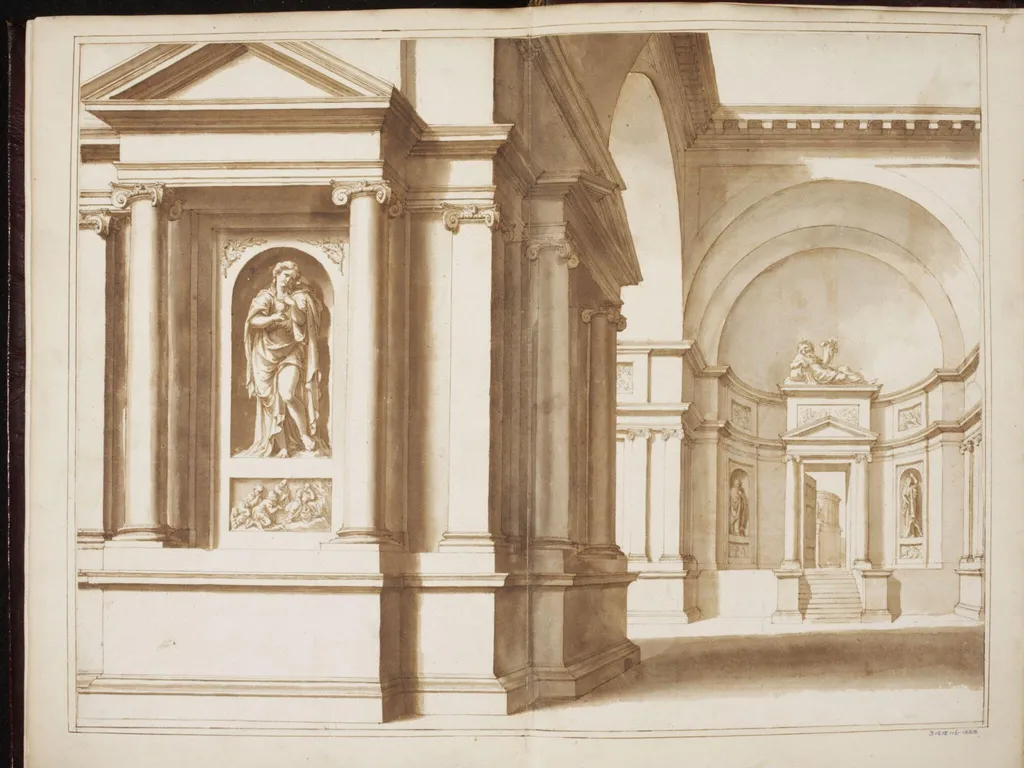
Interior of a Palazzo with Classical Sculptures in Niches and above a Door is a drawing by Jan de Bisschop. It dates from 1650 and is held in the collection of the Victoria and Albert Museum.
About this work
Overview
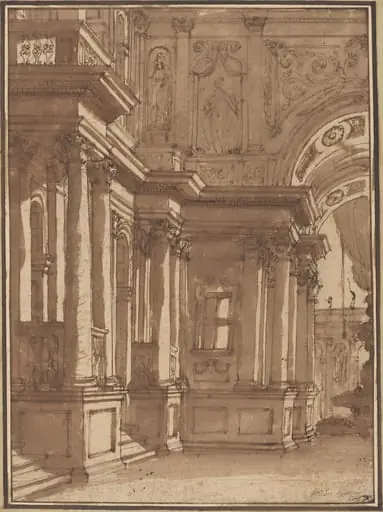
Created in 1650 by Jan de Bisschop, this ink drawing captures the interior of a grand architectural space adorned with classical sculptures. Executed with precision, it belongs to a bound album of 140 works, reflecting the artist’s engagement with Italianate design and antiquarian interests. The drawing was later collected by prominent European figures before entering a public museum in 1889.
Subject & Meaning
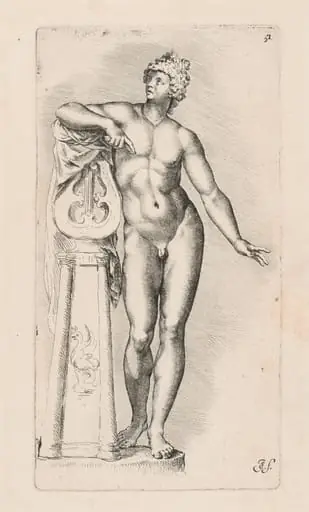
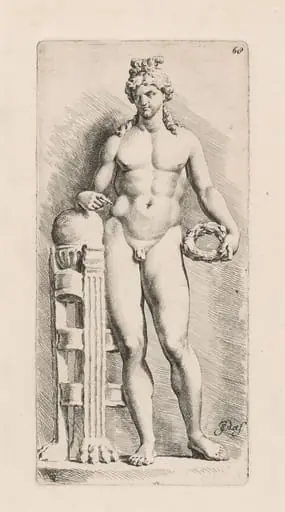
The scene depicts a vaulted interior lined with niches housing classical statues, their forms arranged to evoke cultural continuity with antiquity. Above a central doorway, additional figures suggest a devotional or civic setting. The arrangement implies a space designed to display learned taste, where sculpture functions as both decoration and intellectual reference.
Technique & Style
De Bisschop employs fine ink lines and controlled cross-hatching to model volume and texture, rendering stone surfaces and architectural details with clarity. The composition is structured with geometric order, emphasizing symmetry and spatial depth. The absence of color focuses attention on form and line, characteristic of Dutch draftsmanship of the period.
History & Provenance
The drawing passed through the hands of several 18th-century collectors, including British artists and antiquarians such as Reynolds and Walpole, who valued such works for their scholarly aesthetic. It was later acquired by Edwin Parsons before being donated to a museum in 1889, where it became part of a broader collection of European drawings.
Context
In mid-17th-century Netherlands, artists often studied Italian architecture and classical sculpture through travel or prints. De Bisschop’s work reflects this trend, aligning with a broader interest in antiquity as a model for artistic and moral refinement. Such drawings served as both study tools and expressions of cultivated taste among the educated elite.
Legacy
This drawing exemplifies how Dutch draftsmen engaged with classical ideals without direct access to Italy. Its preservation in a major collection underscores its role in documenting the transmission of Renaissance and Baroque aesthetics across Northern Europe, influencing later generations of artists and collectors.
Artist & collection
Artist
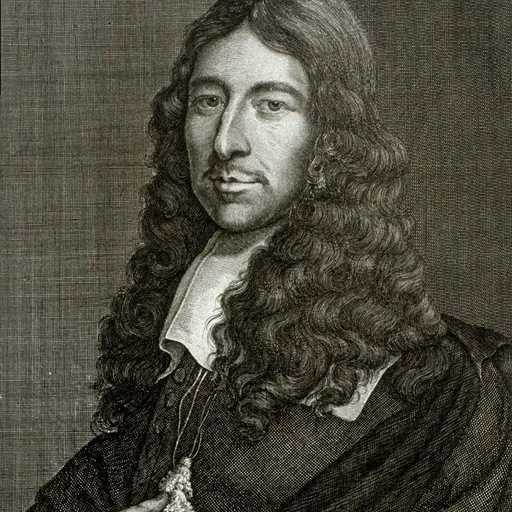
Jan de Bisschop, also known as Johannes Episcopius (1628–1671), was a lawyer, who became a Dutch Golden Age painter and engraver.

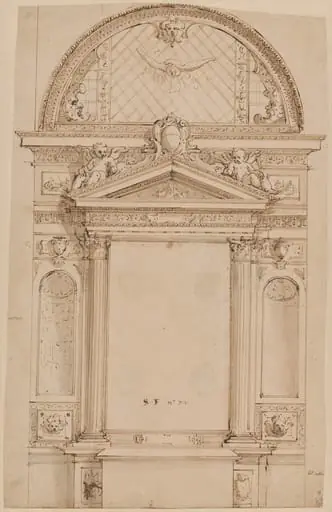 Design for an Altar
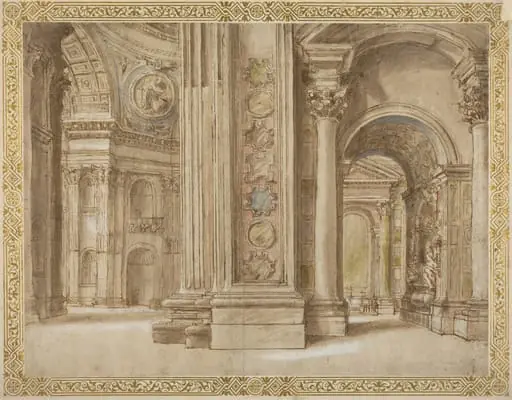 The Interior of Saint Peter's, Rome
 Interior of a Temple
 Architectural Capriccio with a Soldier and Dog
 Design for Entrance to a Hall
 An Elaborate Altar of Colored Marble Ornamented with Sculptures
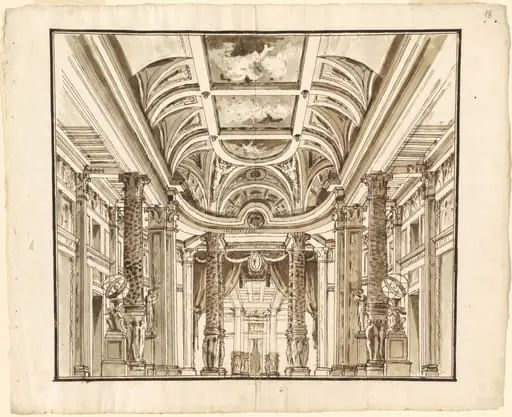 Fantasy of a Great Hall with Basketweave Columns
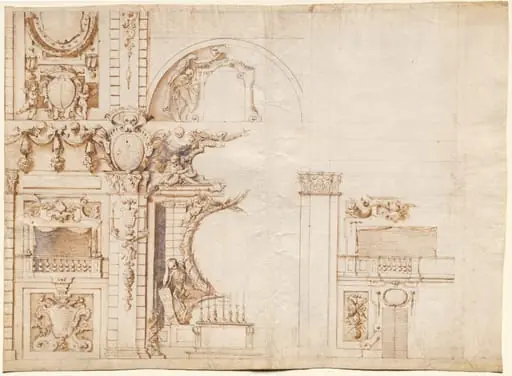 Study for the 'Essequie' Conducted in San Lorenzo, Florence, in 1637 in Honour of Holy Roman Emperor Ferdinand II
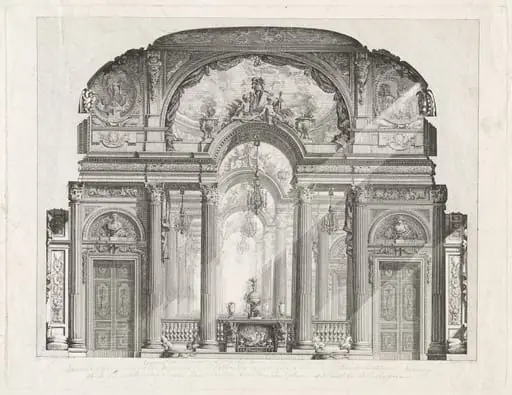 Cross Section of the Salon of the Palazzo Spinola, Genoa
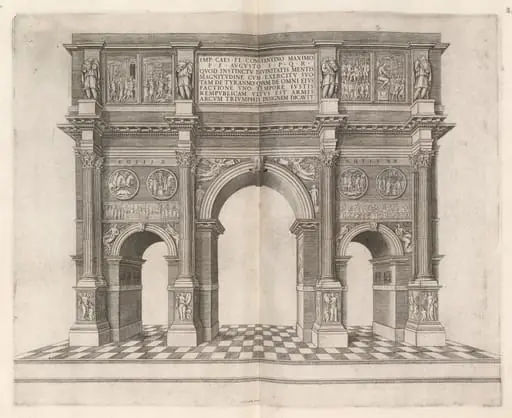 Arch of Constantine
 Study for a gateway
 Interior of a Palace