Artwork
Sigismund Augustus in the Vilnius garden, sketch
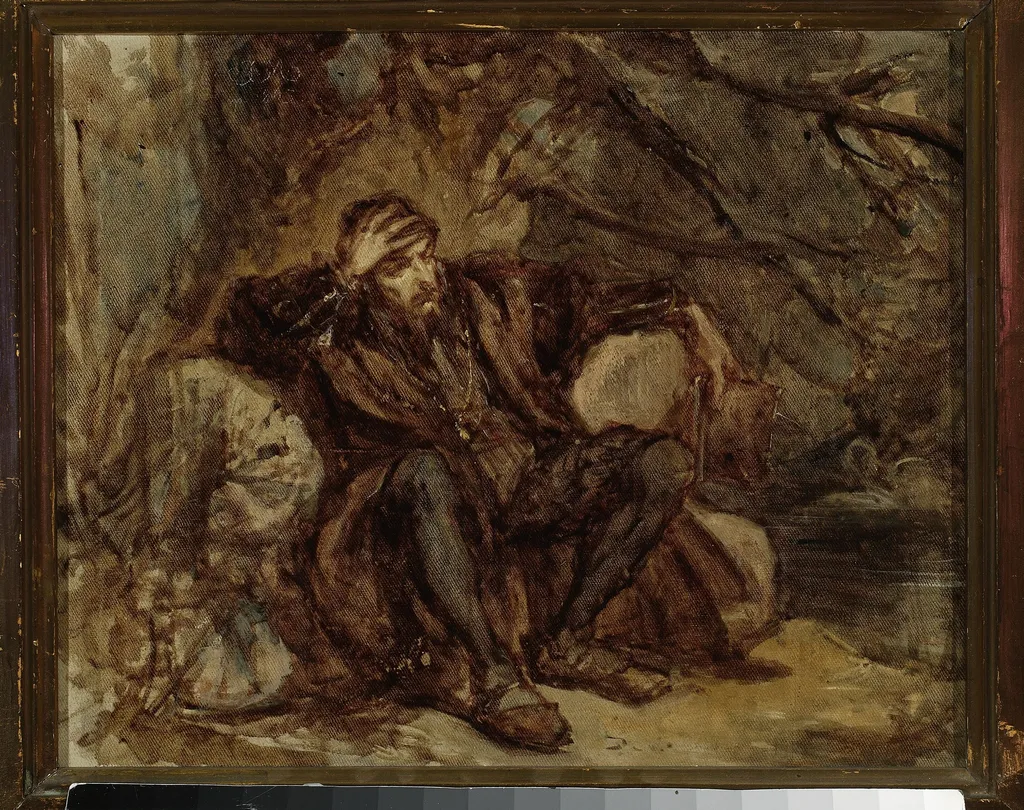
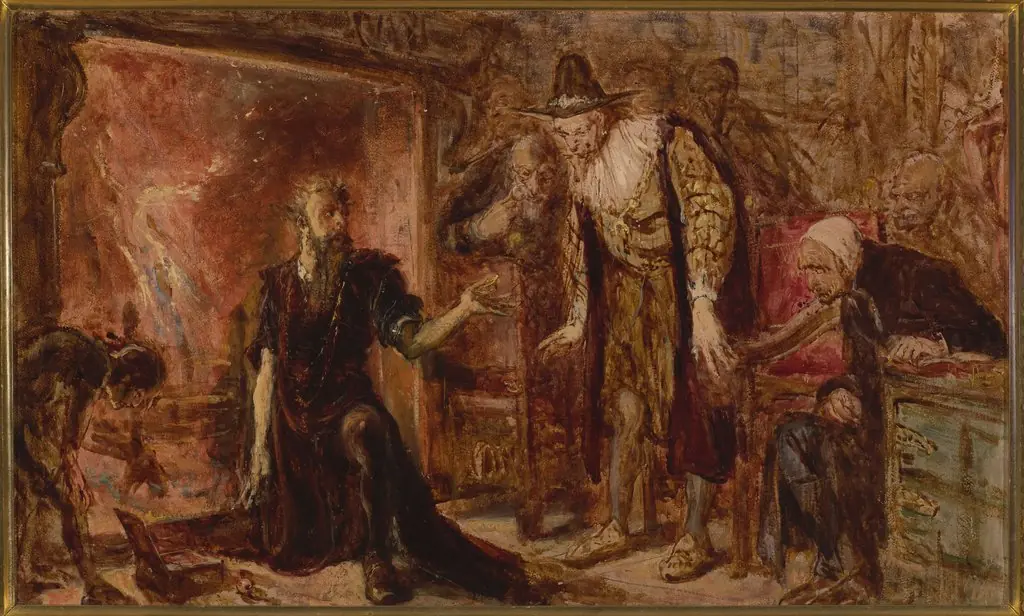
Sigismund Augustus in the Vilnius garden, sketch is an oil painting by Jan Matejko. It dates from 1865 and is held in the collection of the National Museum in Warsaw.
About this work
Overview
Created in 1865, this oil sketch by Jan Matejko portrays Sigismund Augustus, the final monarch of the Jagiellonian line, in a quiet garden near Vilnius.
Created in 1865, this oil sketch by Jan Matejko portrays Sigismund Augustus, the final monarch of the Jagiellonian line, in a quiet garden near Vilnius. Though smaller in scale than his grand historical compositions, the work reflects Matejko’s sustained interest in Poland’s royal past. Executed with deliberate restraint, it serves as a study in mood rather than narrative, capturing a moment of private stillness amid the weight of dynastic decline.
Subject & Meaning
The figure of Sigismund Augustus is shown seated on a stone, hand raised to his brow, as if weighed by thought. His dark attire contrasts with the dappled greens of the surrounding foliage, emphasizing solitude. The setting, though unspecified in detail, evokes the Lithuanian court’s cultural milieu. The image does not depict an event but a psychological state—contemplation in the shadow of impending succession crisis and the end of an era.
Technique & Style
Matejko employed loose, atmospheric brushwork to suggest the garden’s naturalism without detailed finish, consistent with the sketch’s preparatory function. Dark tones dominate the figure, while lighter greens and ochres define the background, creating a sense of depth and soft light. The composition avoids theatricality; instead, it favors quiet observation, with the king’s posture and the hazy foliage reinforcing an introspective tone.
History & Provenance
The painting entered the collection of the National Museum in Warsaw shortly after its creation and has remained there since. As a sketch, it was likely made for personal reflection or as a study for a larger, unrealized work. Its preservation underscores Matejko’s practice of revisiting historical figures in intimate formats, preserving emotional resonance beyond public commissions.
Context
Painted during a period of Polish partitions, Matejko’s focus on the last Jagiellonian king carried implicit resonance. Sigismund Augustus’s reign marked the union of Poland and Lithuania, a symbol of unity now lost. In 1865, under Russian rule, such depictions of sovereign dignity offered subtle cultural resistance, framing historical memory as a quiet act of continuity.
Legacy
Though less known than Matejko’s monumental canvases, this sketch reveals his capacity for psychological nuance. It influenced later Polish artists seeking to portray historical figures not as symbols, but as individuals burdened by time. Its endurance in the National Museum’s collection affirms its role as a quiet testament to the emotional weight of national memory.
Artist & collection
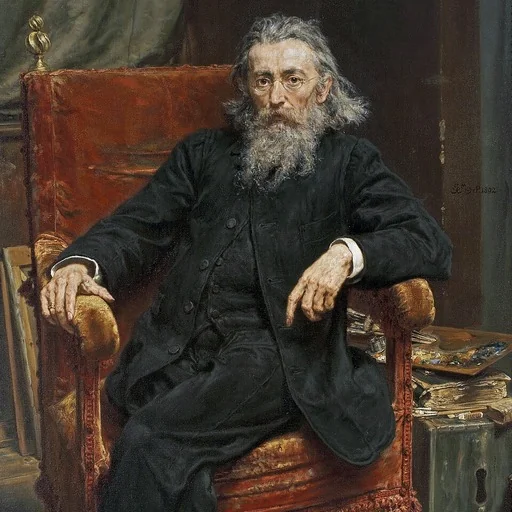
Artist
Jan Alojzy Matejko (Polish pronunciation: ; also known as Jan Mateyko; 24 June 1838 – 1 November 1893) was a Polish painter, a leading 19th-century exponent of history painting, known for depicting nodal events from Polish history.