Artwork
The self-sacrifice of Dutch missionary Antonius Hambroeck in Formosa
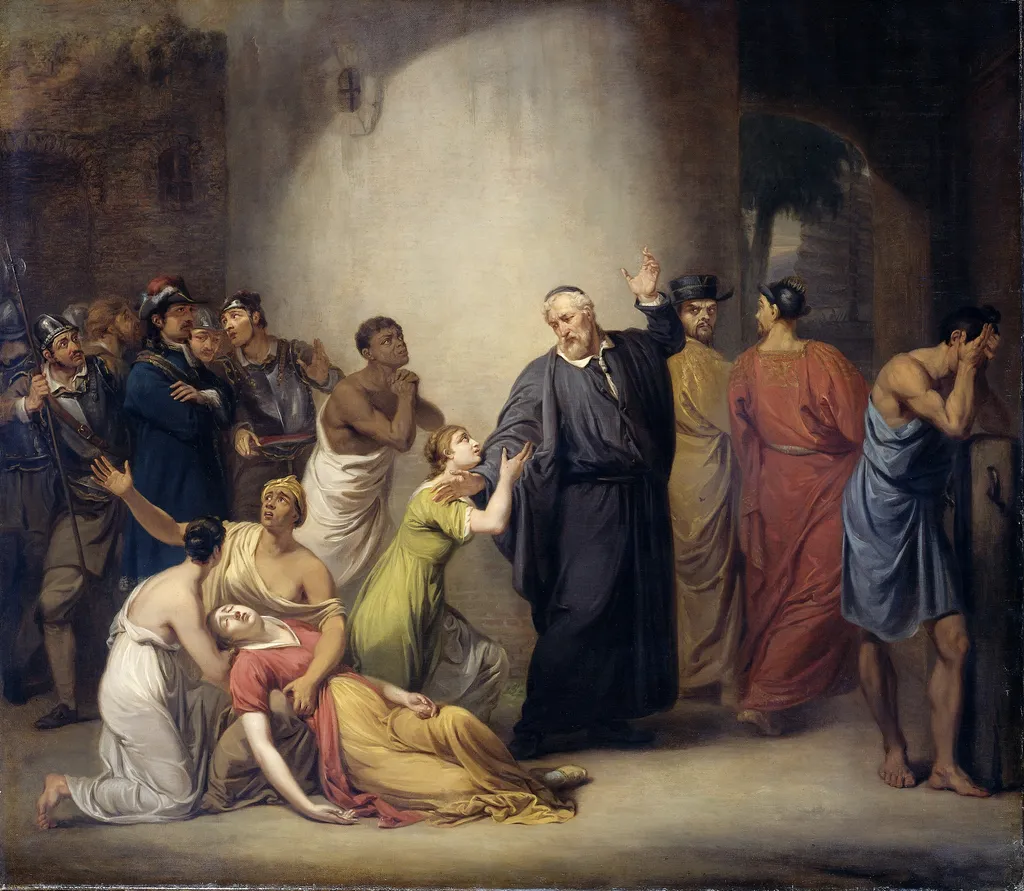
The self-sacrifice of Dutch missionary Antonius Hambroeck in Formosa is an oil painting by Jan Willem Pieneman. It dates from 1810 and is held in the collection of the Rijksmuseum.
About this work
Overview
Jan Willem Pieneman’s 1810 oil painting, titled *The self‑sacrifice of Dutch missionary Antonius Hambroeck in Formosa*, portrays a dramatic moment involving the Dutch missionary Antonius Hambroek. The work is part of the Rijksmuseum’s collection and measures a modest size, typical of early‑19th‑century history paintings that aim to illustrate a specific narrative episode.
Subject & Meaning
The composition centers on a solemn figure in a dark robe, gesturing toward a gathering of onlookers whose expressions range from anxiety to grief. A woman in a red dress lies on the ground, while another in yellow kneels nearby, suggesting a scene of loss or martyrdom. The arrangement underscores themes of sacrifice and the human cost of missionary activity in Formosa.
Technique & Style
Pieneman employs chiaroscuro to model the figures, allowing light to fall on the central missionary and recede into the darker surroundings. The muted palette of browns, beiges, and restrained reds creates a somber atmosphere, while the plain wall and arched doorway provide a simple architectural backdrop that focuses attention on the emotional interaction among the characters.
History & Provenance
Completed in 1810, the painting reflects contemporary Dutch interest in colonial narratives. It entered the Rijksmuseum’s holdings as part of the museum’s early 19th‑century acquisitions of national historical works, where it remains on display as an example of Pieneman’s contribution to Dutch historical painting.
Own this work as a print
Artist & collection

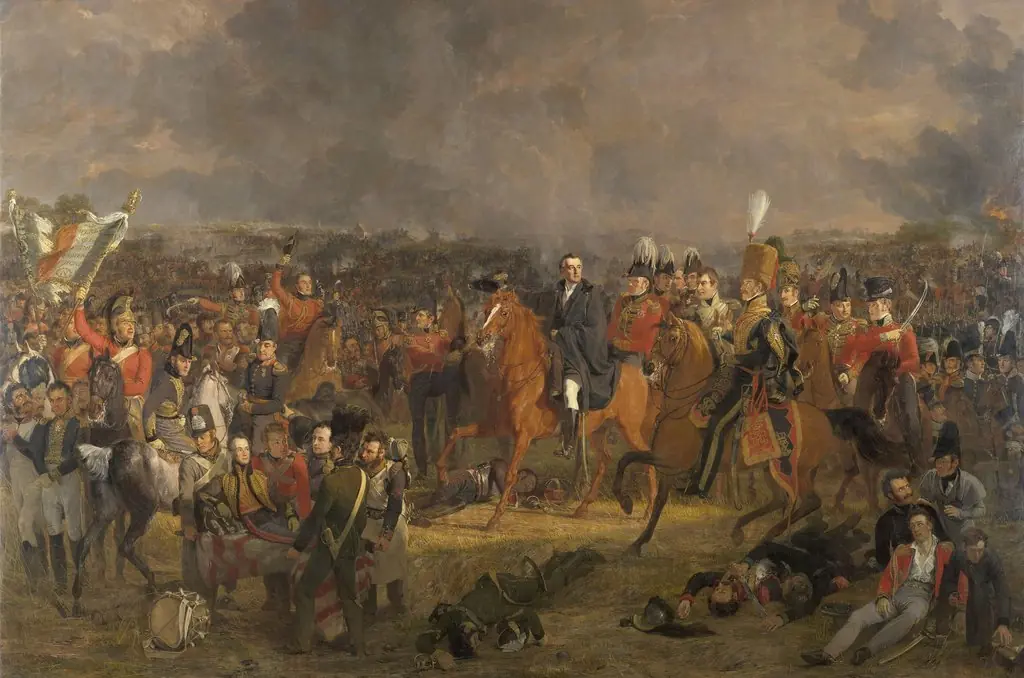 The Battle of Waterloo
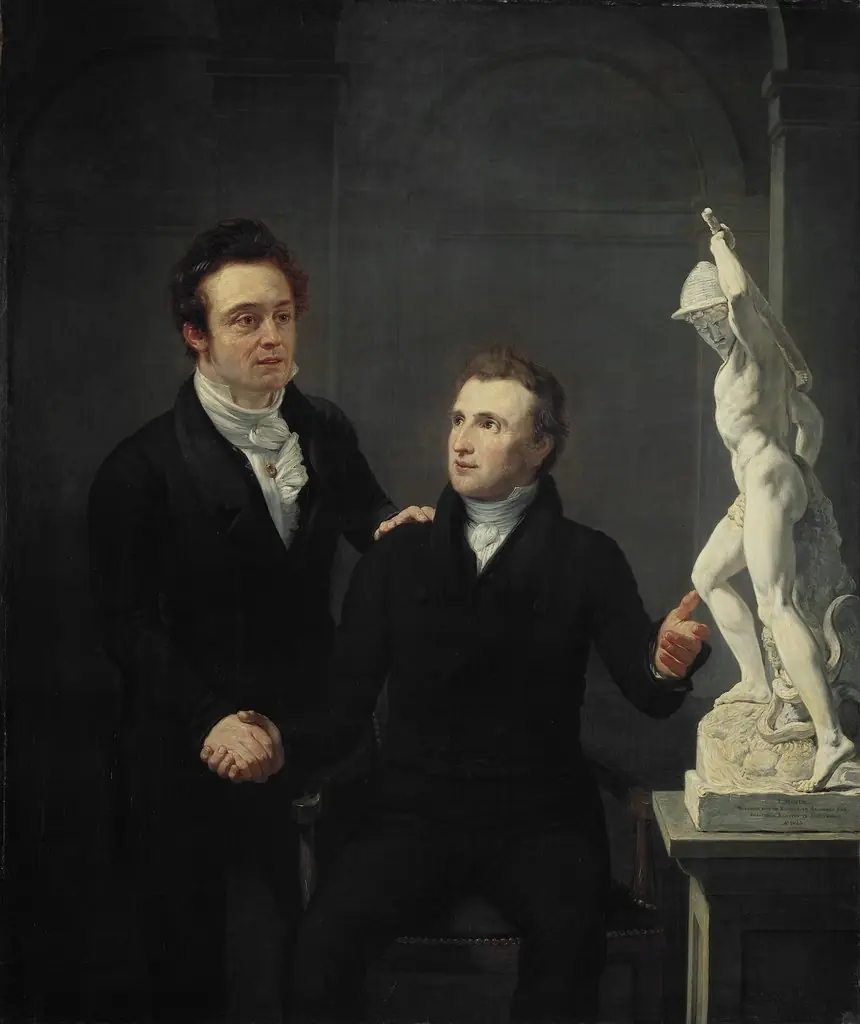 Louis Royer, sculptor, and Albertus Bernardus Roothaan, stockbroker, friend of the arts, and patron of the sciences
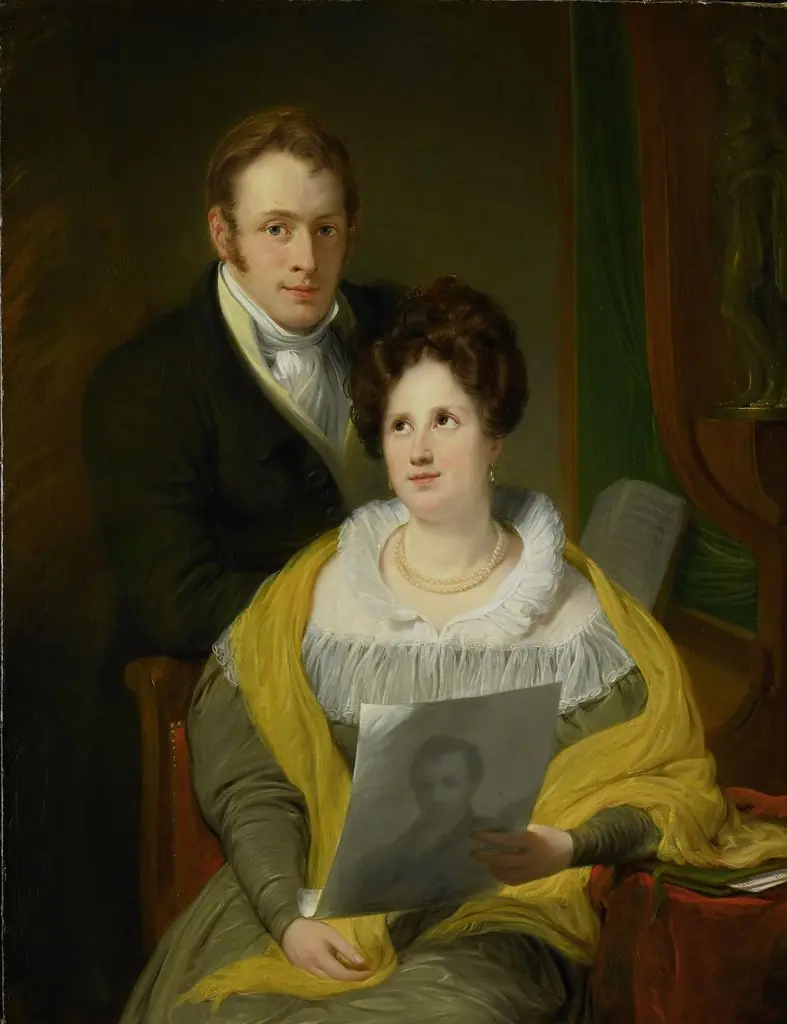 Portrait of a Woman and a Man
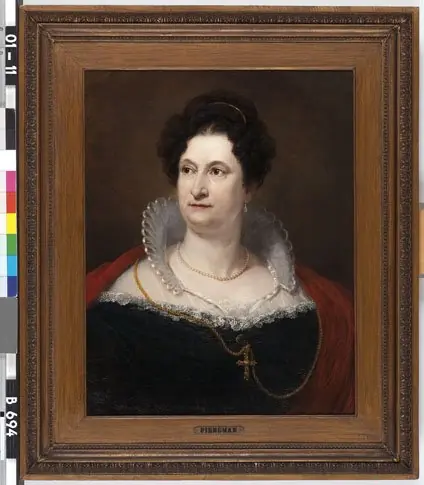 Joanna Cornelia Ziesenis-Wattier (1762–1827). Toneelspeelster
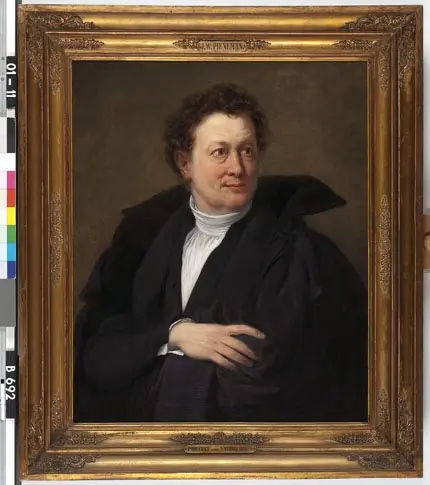 Andries Snoek (1766–1829). Toneelspeler
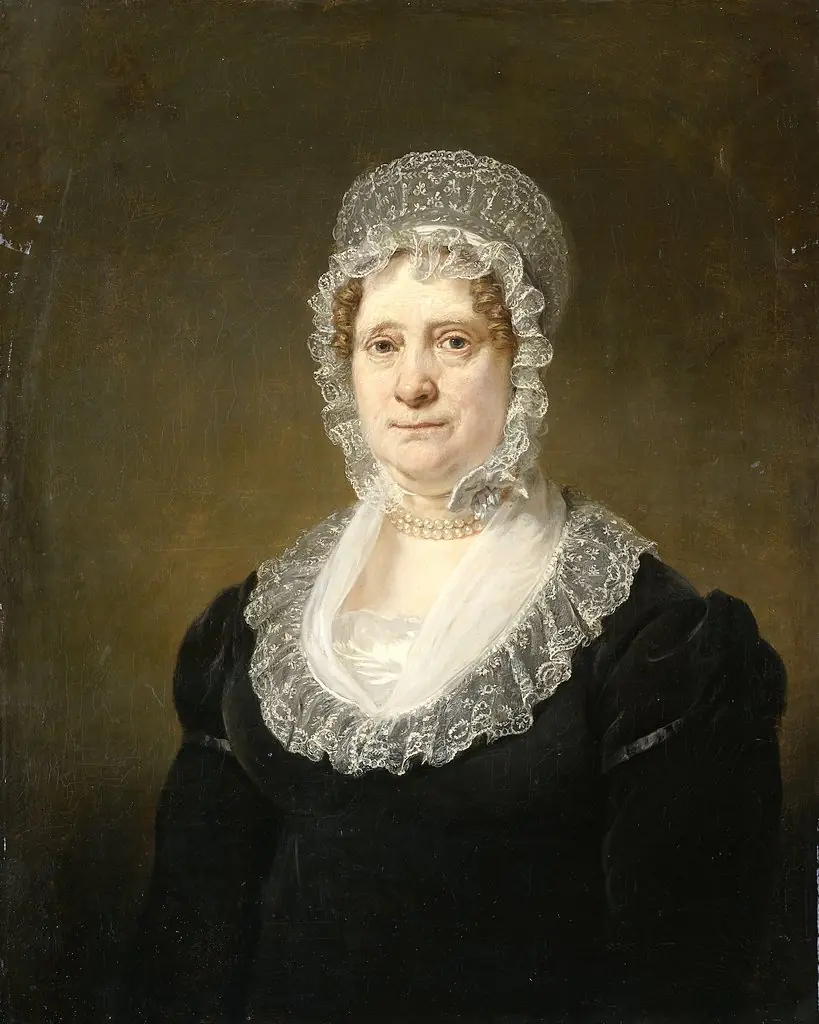 Portrait of Sara de Haan, Widow of the Amsterdam Underwriter Cornelis Hartsen
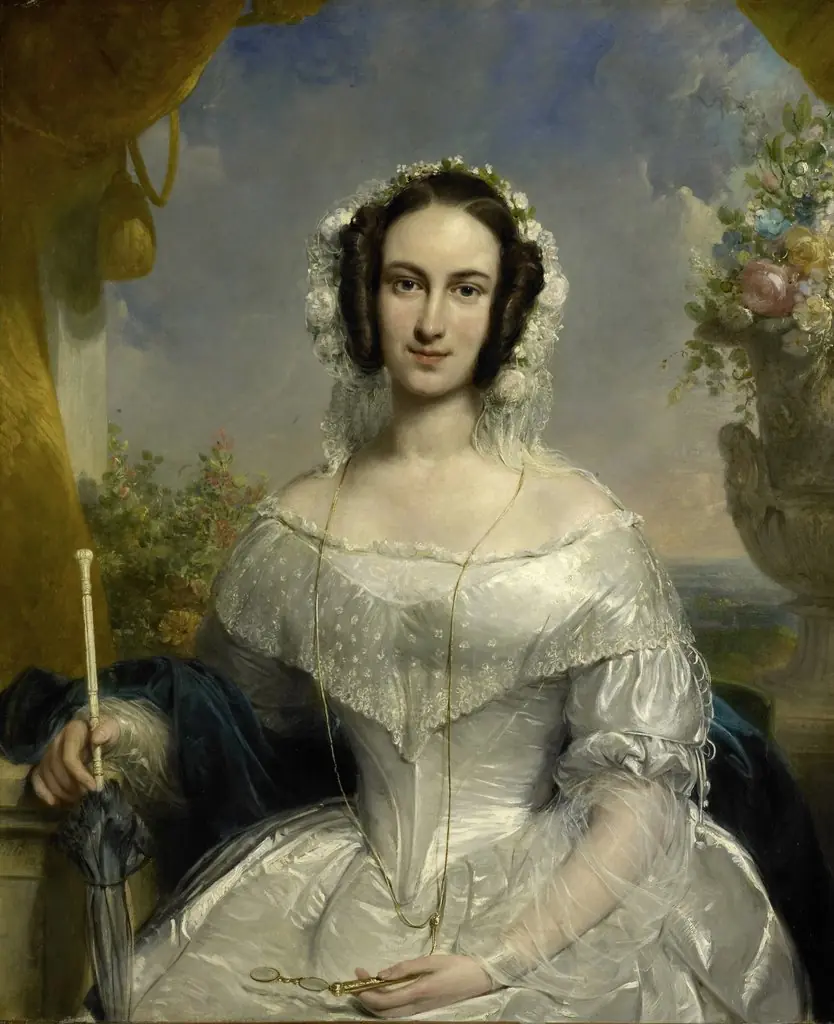 Agatha Petronella Hartsen (1814-78). In bruidstoilet ter gelegenheid van haar huwelijk met Jan van der Hoop op 17 maart 1841
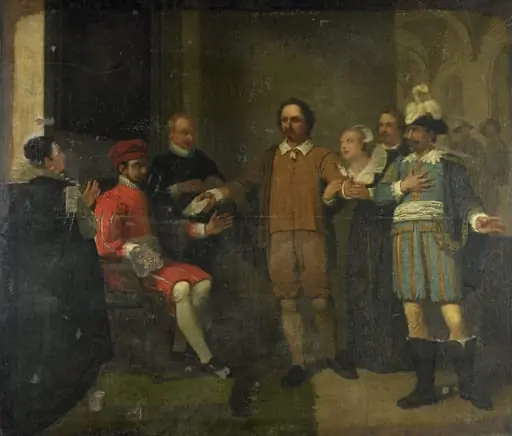 Jacob Simonsz de Rijk getting the Spanish Governor-General Requesens to Release Marnix van Sint Aldegonde, 1575
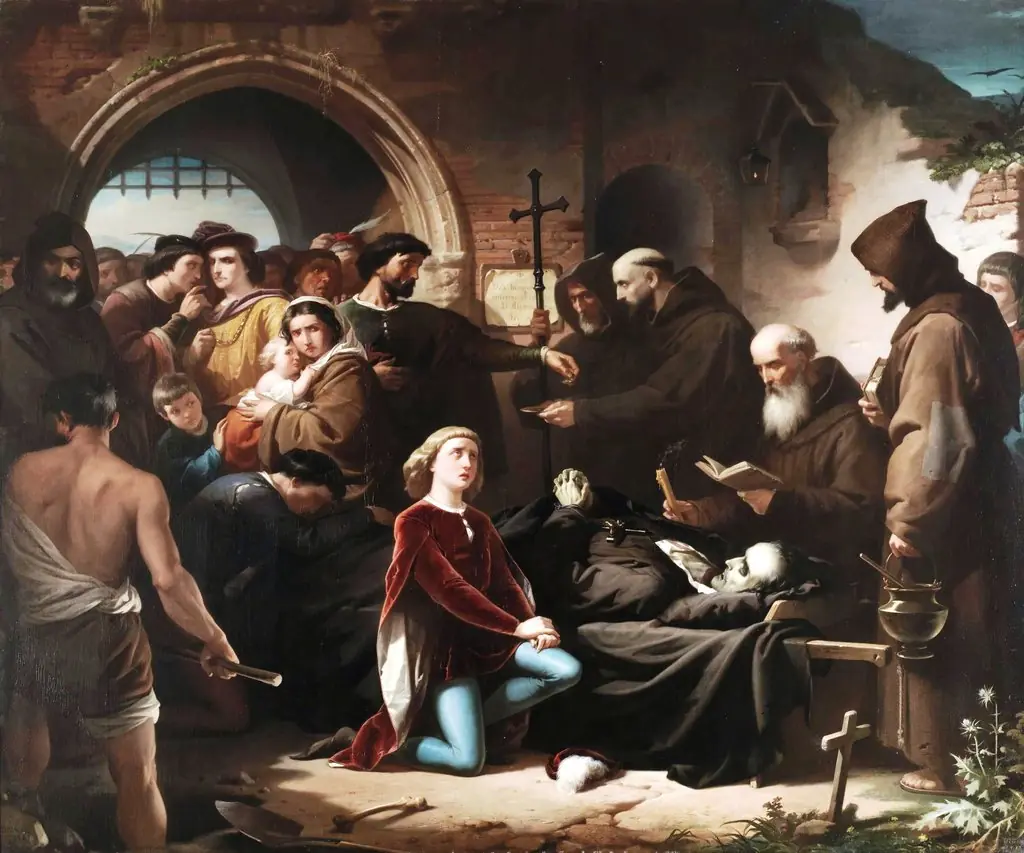 Don Álvaro de Luna condestable y favorito del rey D. Juan II de Castilla decapitado públicamente en la Plaza Mayor de Valladolid el 2 de junio de 1453 es enterrado de limosna en el cementerio de los ajusticiados extramuros de dicha ciudad
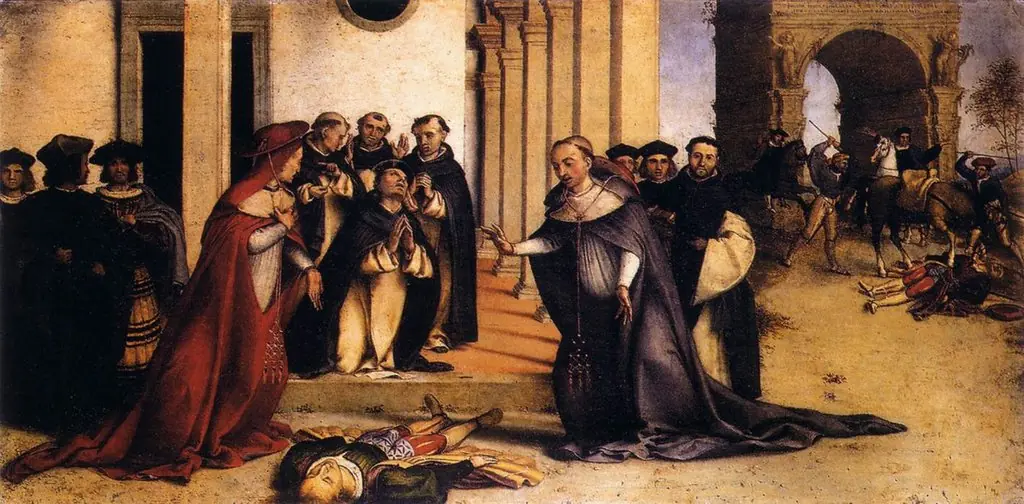 St Dominic Raises Napoleone Orsini
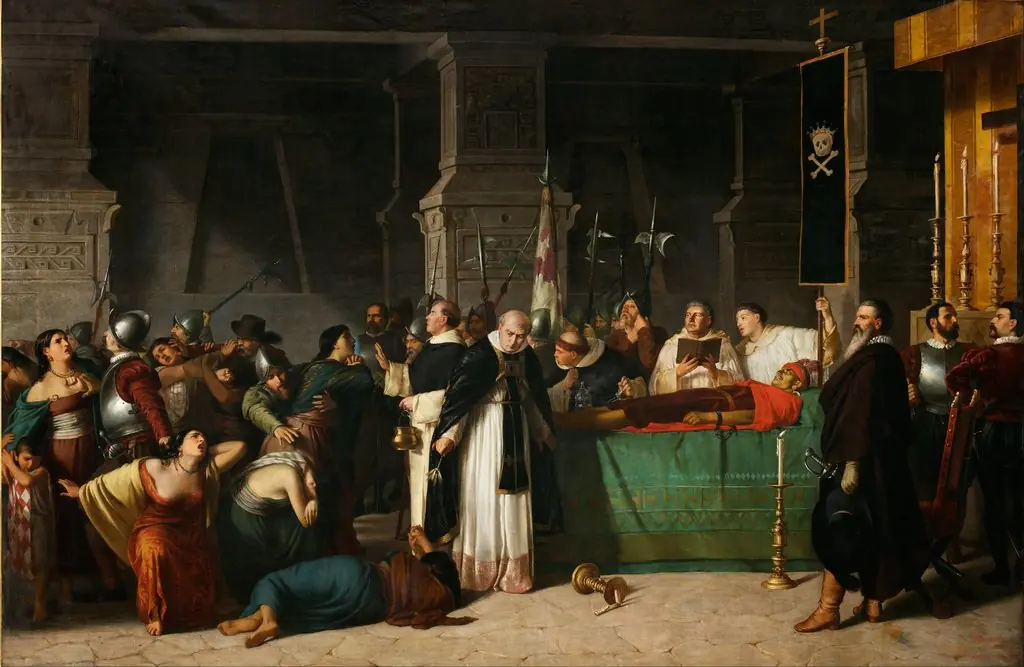 The Funerals of Inca Atahualpa
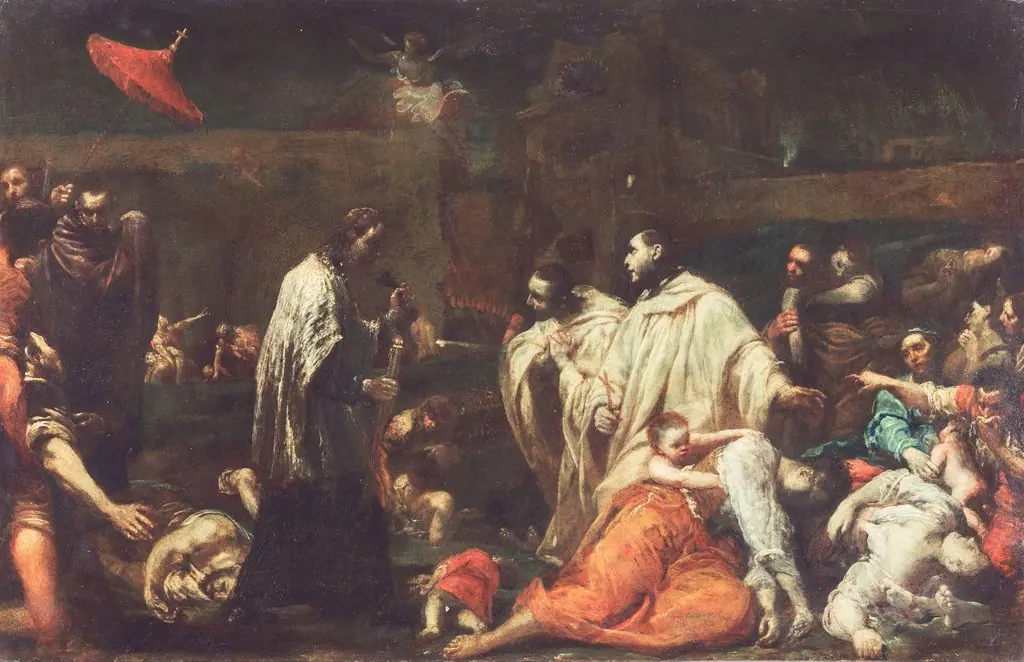 Blessed Bernard Tolomei Interceding for the Cessation of the Plague in Siena
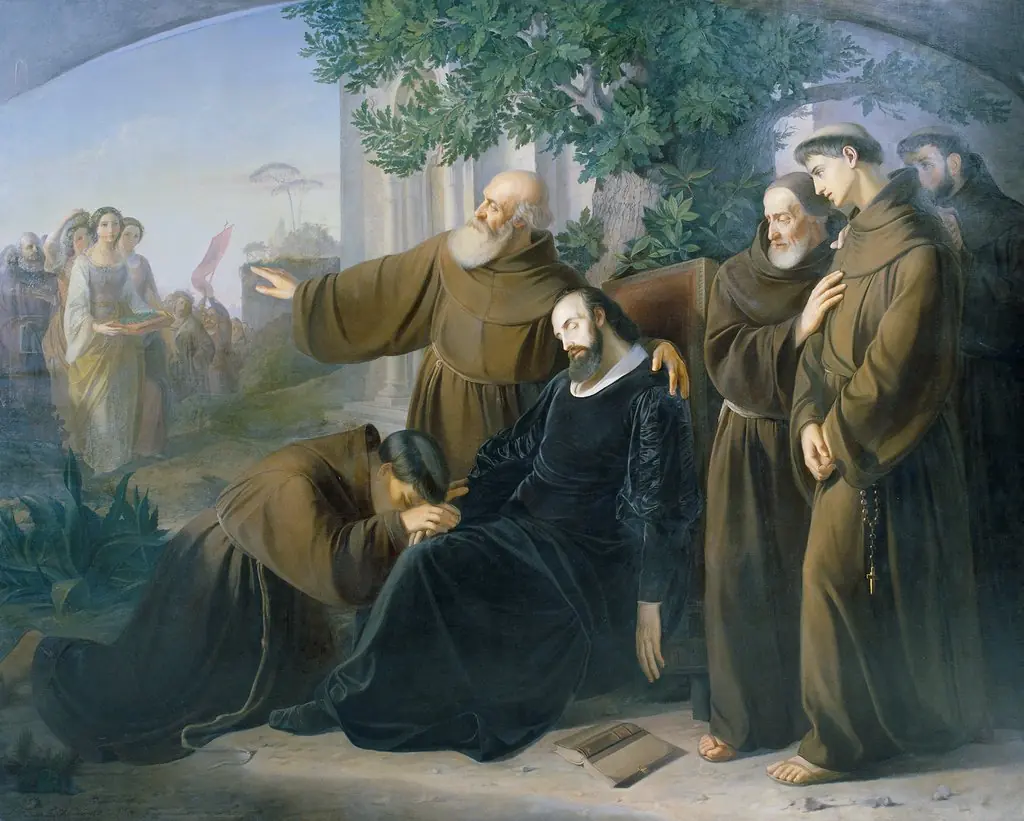 Der Tod Torquato Tassos
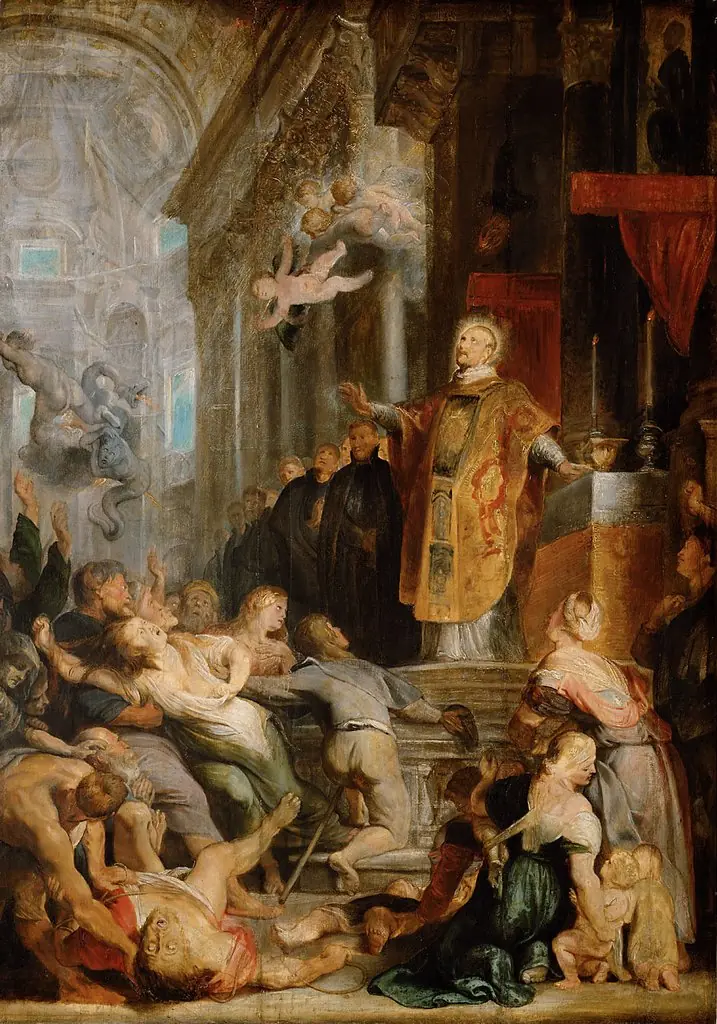 Miracle of Saint Ignatius of Loyala (study)
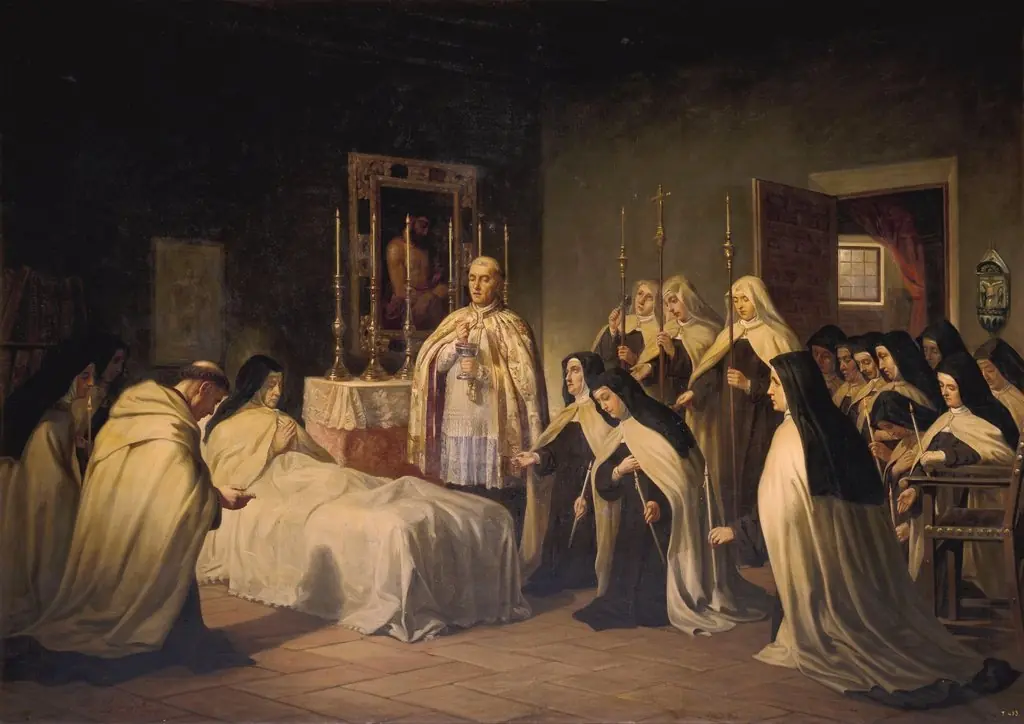 Viático de santa Teresa
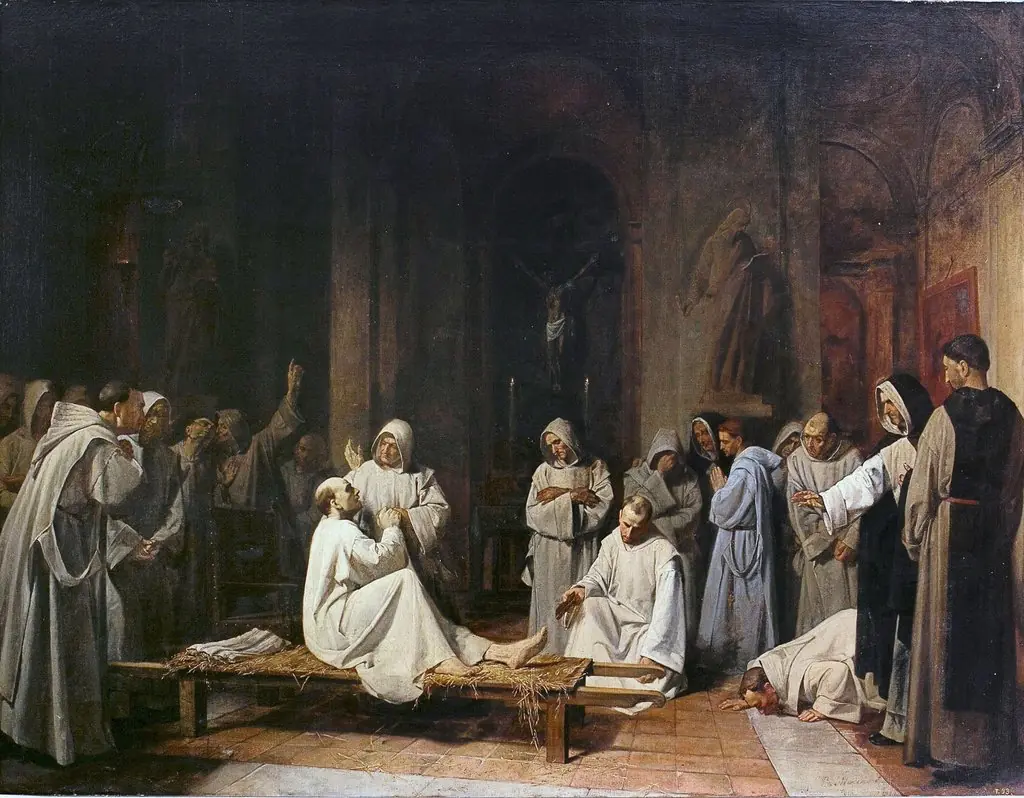 Últimos momento de Fray Charles Climaque
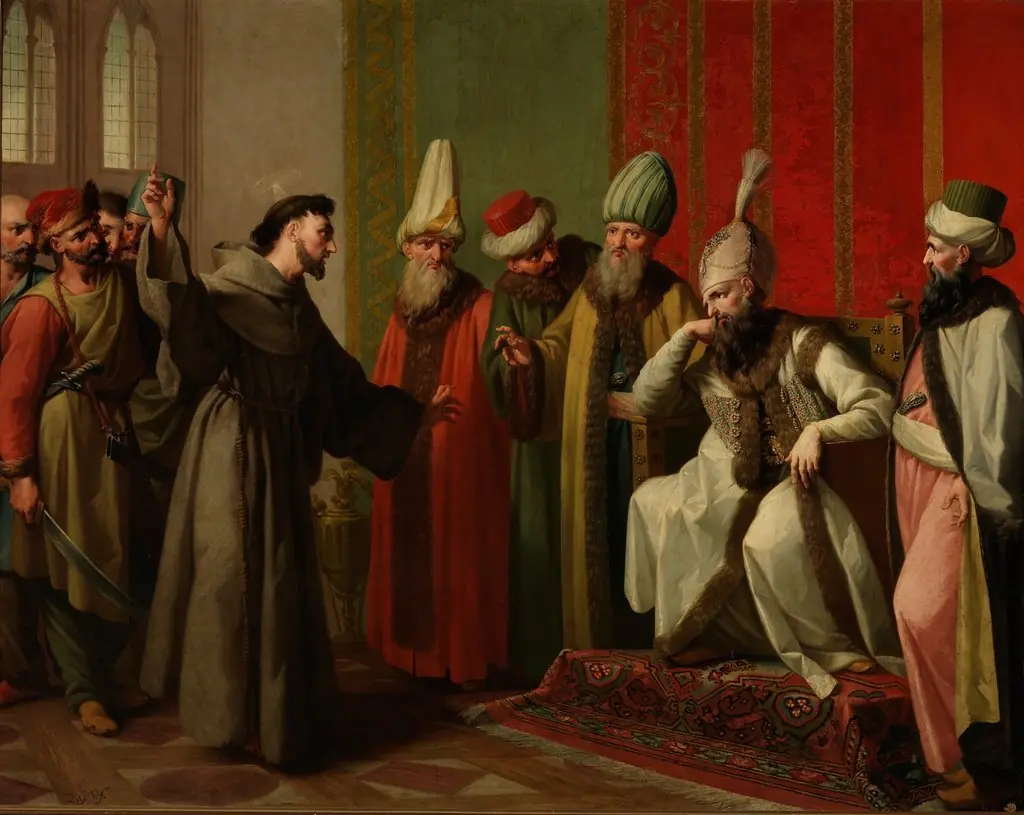 San Francisco ante el sultán de Egipto Malec-el-Kamal
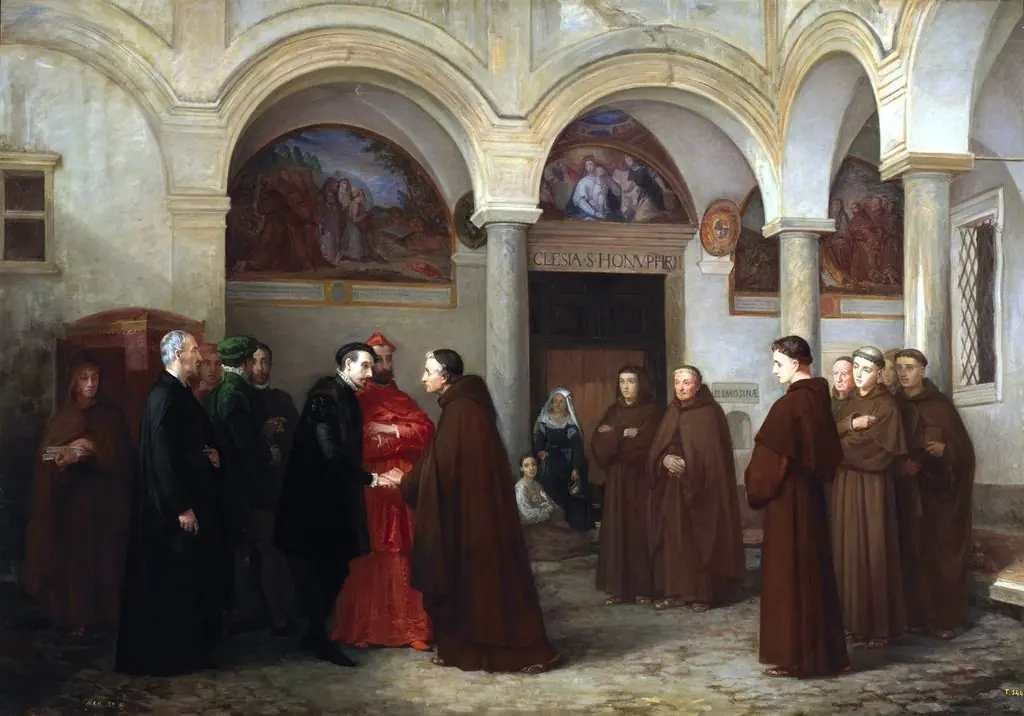 Torcuato Tasso se retira al convento de San Onofre en el Janículo
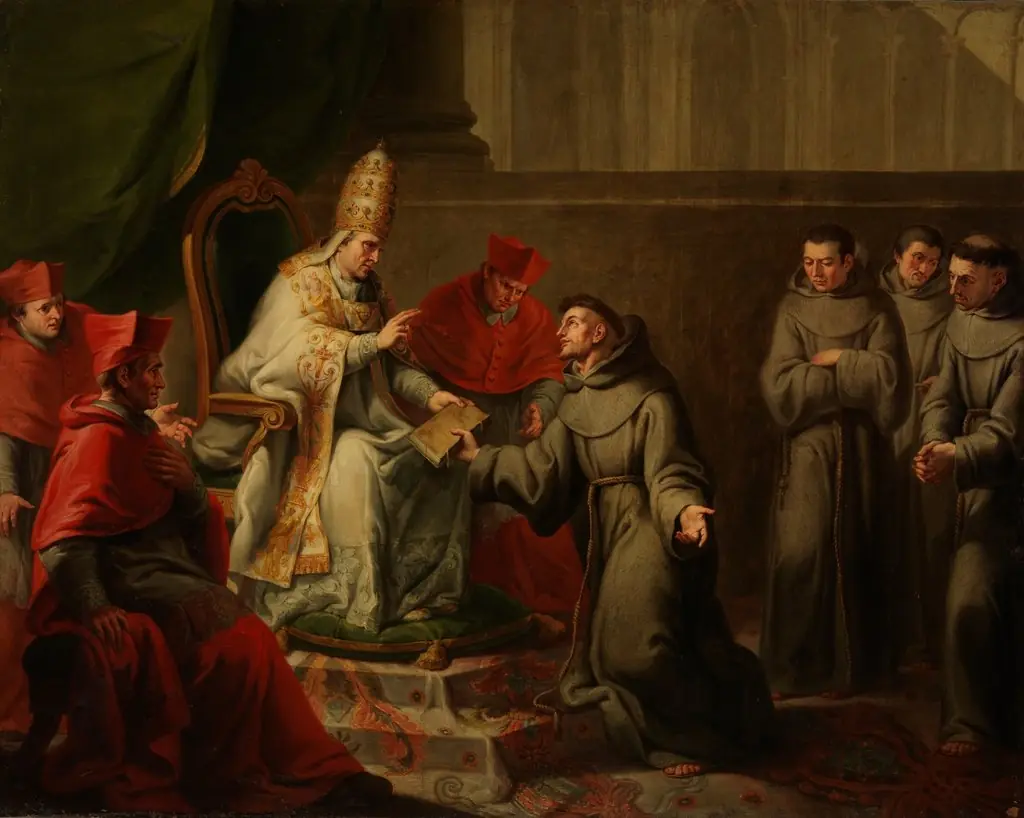 Aprobación de la regla franciscana por el papa Inocencio III
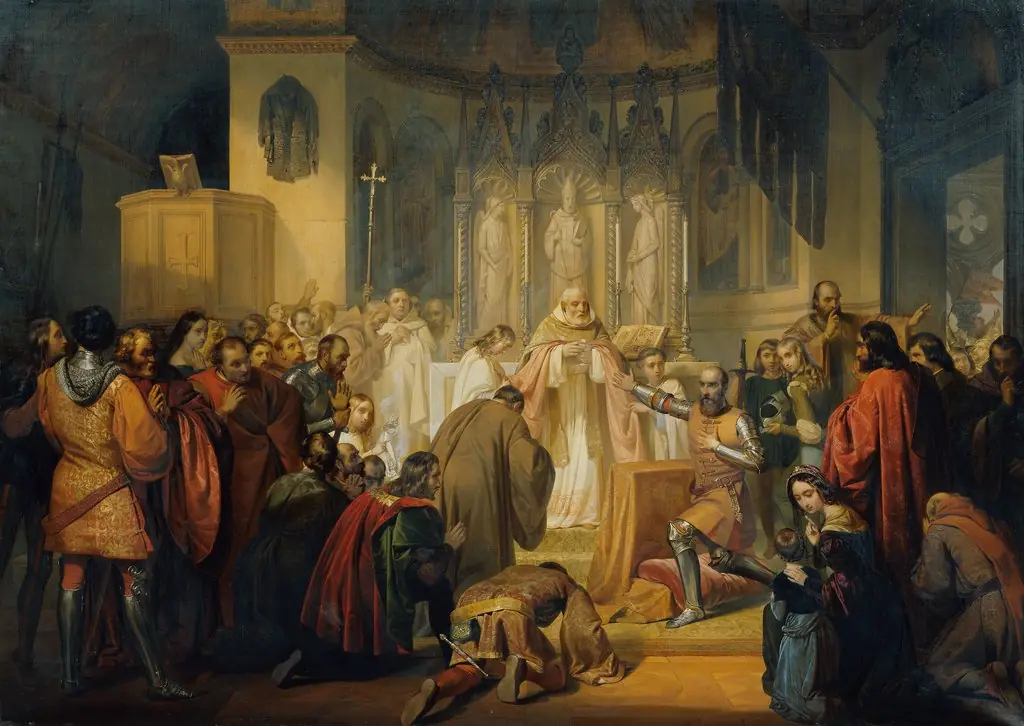 Vittore Pisani receives Holy Communion before taking command of an expedition against the Genoese