Artwork
Study of Weeds
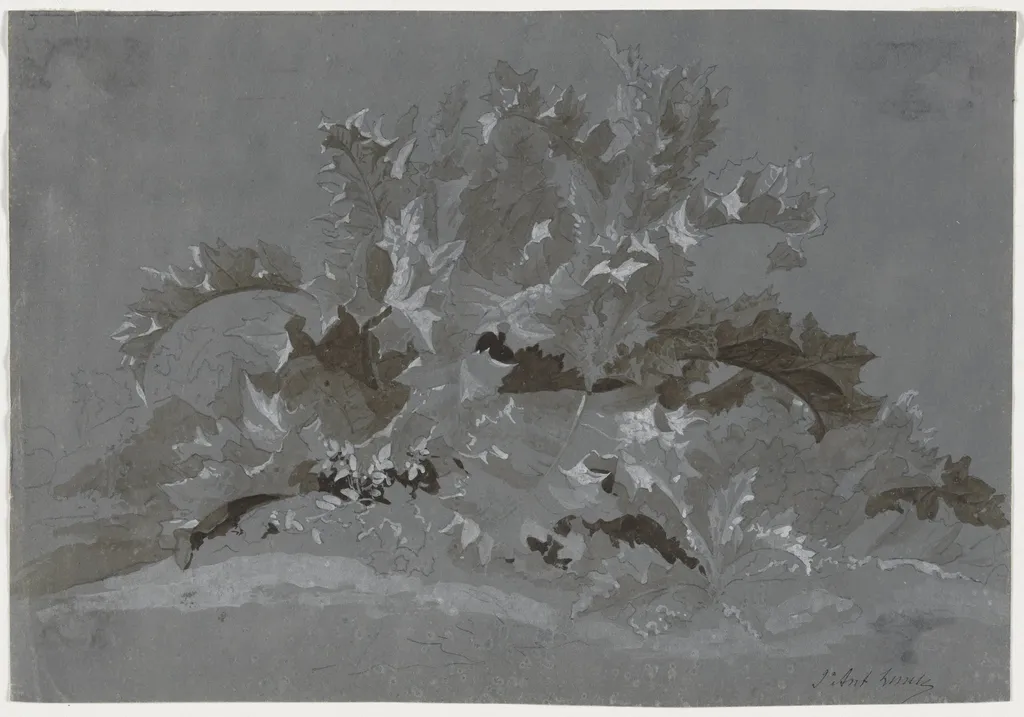
Study of Weeds is a drawing by the Romanticist artist Jean Antoine Linck. It dates from 1825 and is held in the collection of the Cleveland Museum of Art.
About this work
This painting shows a pile of weeds and dead leaves. The colors are mostly gray, brown, and a little white. The brushstrokes look rough and uneven, almost like the plants themselves.
The artist focused on how nature looks messy and real, not neat. This was made between 1800 and 1850.
Next, look up Romanticism to see how artists like this one used nature in their work.
Overview
Executed in monochrome tones of gray, brown, and faint white, the work belongs to the collection of The Cleveland Museum of Art.
Created in 1825 by Jean Antoine Linck, this drawing captures a cluster of dried weeds and fallen leaves. Executed in monochrome tones of gray, brown, and faint white, the work belongs to the collection of The Cleveland Museum of Art. Its unidealized subject and textured handling reflect a deliberate turn toward the ordinary elements of the natural world, distinguishing it from more polished botanical illustrations of the period.
Subject & Meaning
The drawing presents no grand landscape or cultivated flora, but rather the discarded growth of neglected ground. By focusing on weeds and decay, Linck elevates the overlooked and transient aspects of nature. This choice aligns with Romantic-era interests in authenticity and the emotional resonance of wild, unmanaged environments, suggesting a quiet reverence for life in its most unrefined state.
Technique & Style
Linck employs rough, irregular strokes to mimic the jagged textures of dried vegetation. The absence of smooth blending or idealized form emphasizes materiality over polish. The limited palette reinforces the somber, earthy character of the subject, while the loose handling conveys immediacy—suggesting direct observation rather than studio refinement. The technique mirrors the untamed quality of the plants themselves.
History & Provenance
The drawing was completed in 1825 and entered the collection of The Cleveland Museum of Art at an unspecified later date. No public record details its early ownership or exhibition history. Its survival as a standalone study, rather than a preparatory sketch for a larger work, implies it was valued for its own observational merit, possibly by a collector interested in naturalist detail.
Context
During the early 19th century, Romantic artists increasingly turned to nature as a source of emotional and philosophical insight, often favoring wild, untamed scenes over classical order. Linck’s focus on weeds reflects this shift—rejecting idealized botany in favor of the raw, decaying elements that others ignored. His work resonates with contemporaries who saw beauty in impermanence and the unpolished rhythms of the natural world.
Legacy
Though not widely exhibited or reproduced, this drawing contributes to a broader 19th-century movement that redefined artistic value through close, unembellished observation of nature. Its quiet intensity anticipates later realist and modernist tendencies to find significance in the mundane. As a preserved study, it offers insight into how artists of the time engaged with nature beyond symbolism—through direct, tactile attention.
Artist & collection

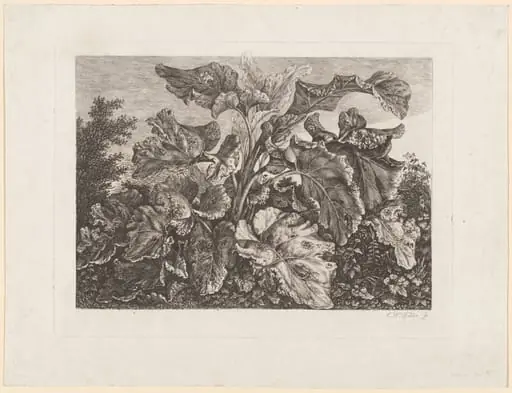 Plant Study with Burdock
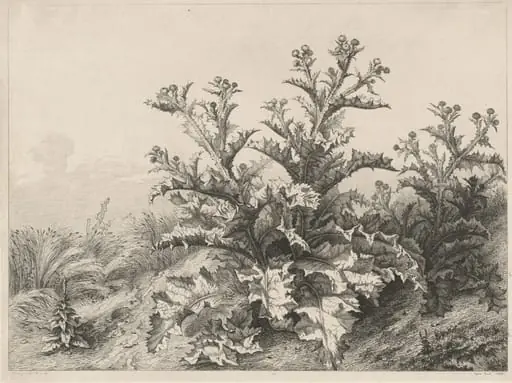 The Great Thistle (Le Grand Chardon)
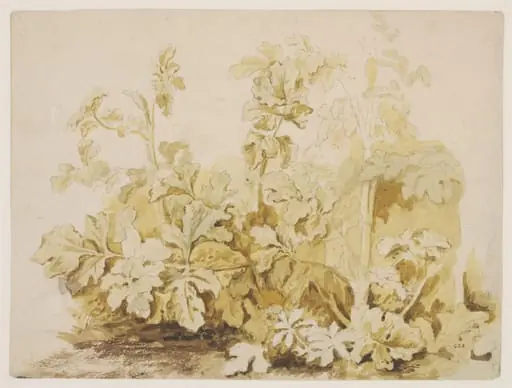 Study of Common Hogweed (<i>Heracleum sphondylium</i>)
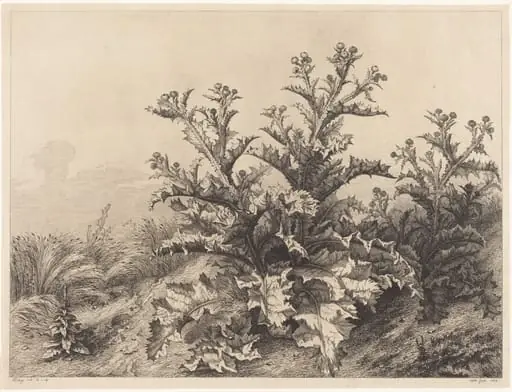 Large Thistle
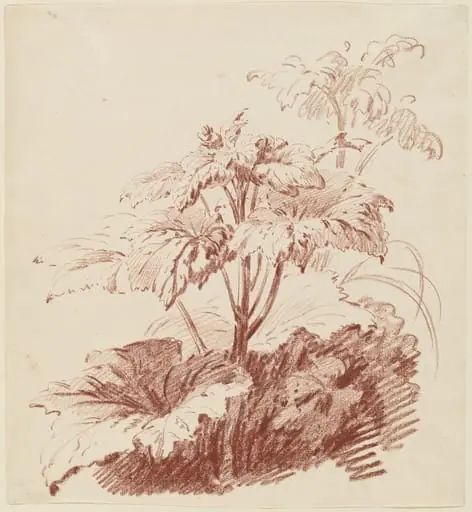 Flowering Plant with Buds
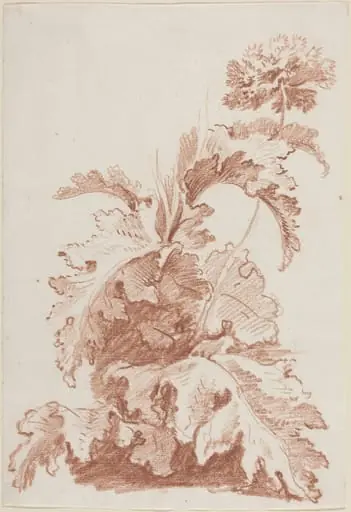 Poppy in Bloom
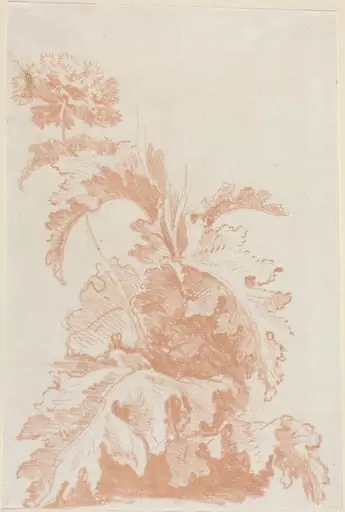 Poppy in Bloom
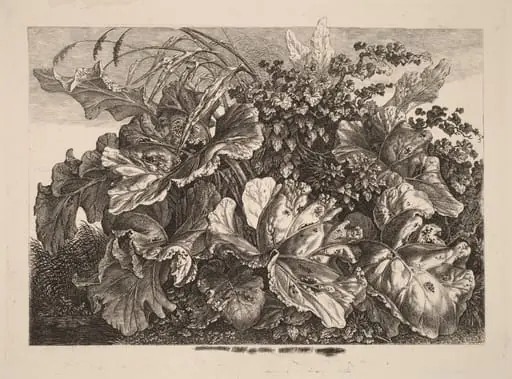 Foliage Study with Reed and Hops
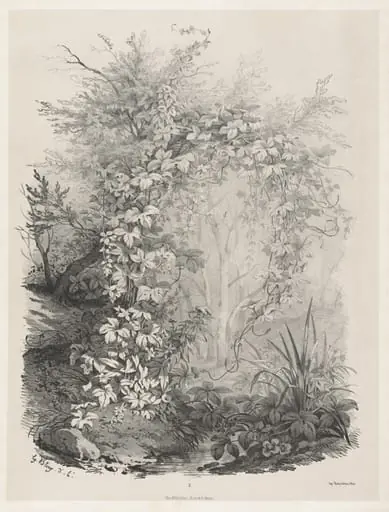 Plants and Ivies by a Stream
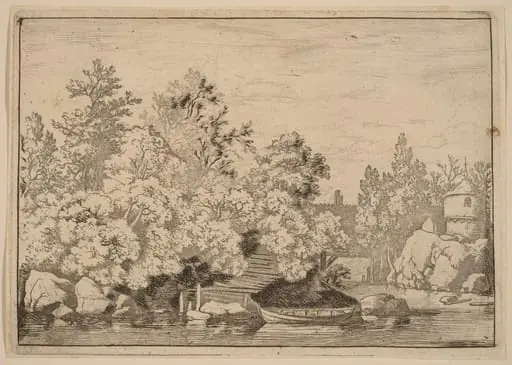 The Cudgel Dam and Covered Bridge
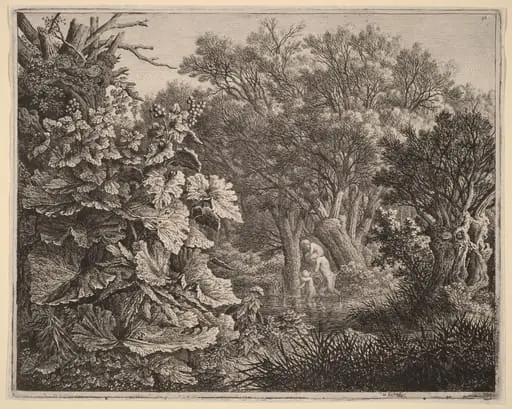 Landscape with Large Leaves and Three Satyrs
 In the Hague Woods