Artwork
Lago di Piediluco, Umbria
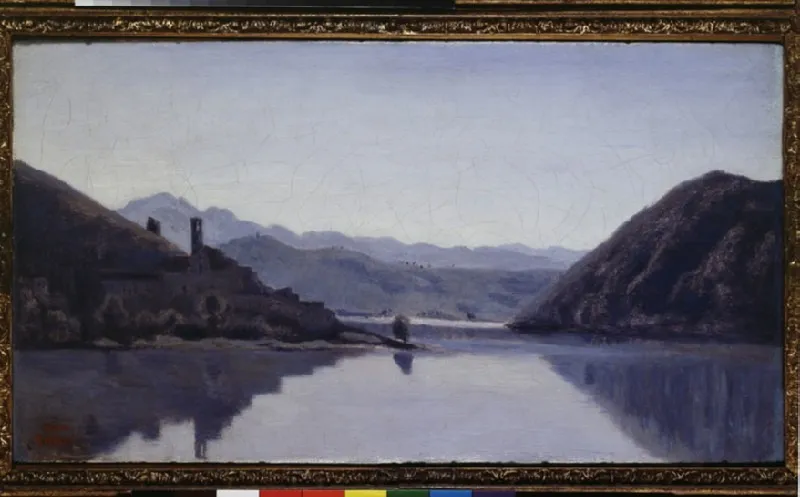
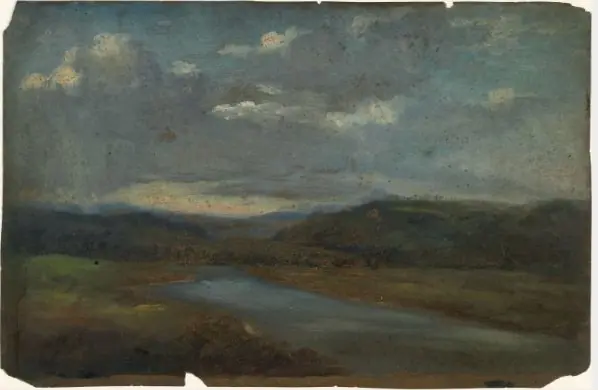
Lago di Piediluco, Umbria is an oil painting by the Realist artist Jean Baptiste Camille Corot. It dates from 1826 and is held in the collection of the Ashmolean Museum.
About this work
Overview
It reflects Corot’s growing interest in direct observation of nature, marking a shift from idealized landscapes toward more naturalistic renderings.
Painted in 1826, *Lago di Piediluco, Umbria* is an early oil work by the French artist Jean-Baptiste-Camille Corot. Created during his first extended stay in Italy, the painting captures a quiet lakeside view in the Umbrian countryside. It reflects Corot’s growing interest in direct observation of nature, marking a shift from idealized landscapes toward more naturalistic renderings. The piece is now part of the Ashmolean Museum’s collection in Oxford.
Subject & Meaning
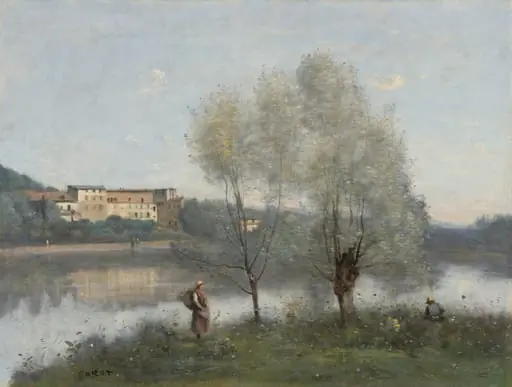
The scene depicts the tranquil waters of Lago di Piediluco, framed by gently sloping hills and a modest structure with a tower on the left shore. Sparse trees and open sky suggest a moment of stillness, free from human activity. Corot’s focus on atmospheric harmony, rather than narrative or symbolism, conveys a contemplative mood. The painting invites quiet reflection, emphasizing the quiet dignity of the Italian landscape as experienced firsthand.
Technique & Style
Corot employed soft, blended brushwork and a restrained palette of muted greens, blues, and earth tones to evoke the hazy light of early afternoon. The water’s surface is rendered with delicate touches that suggest subtle ripples and reflections without sharp definition. His handling of light and tone anticipates later plein-air practices, though the composition retains a structured, almost classical balance inherited from academic training.
History & Provenance
Corot painted this work during his 1825–1828 journey through Italy, a formative period that deepened his engagement with natural light and topography. The painting remained in his possession until his death, later entering private collections before being acquired by the Ashmolean Museum. Its documented history aligns with Corot’s early Italian sketches, which were foundational to his mature style.
Context
In the 1820s, French artists increasingly traveled to Italy to study classical ruins and rural scenery. Corot’s approach diverged from the grand historical landscapes favored by the Academy; instead, he favored intimate, unidealized views. *Lago di Piediluco* reflects this emerging sensibility, positioning landscape as a subject worthy of quiet, sustained attention rather than dramatic embellishment.
Legacy
Though not among Corot’s most widely known works, *Lago di Piediluco* exemplifies the transitional phase in his career between academic convention and the observational methods that would influence later generations. Its sensitivity to light and atmosphere helped pave the way for the Impressionists, who admired his ability to capture fleeting natural effects with restraint and sincerity.
Artist & collection
Artist
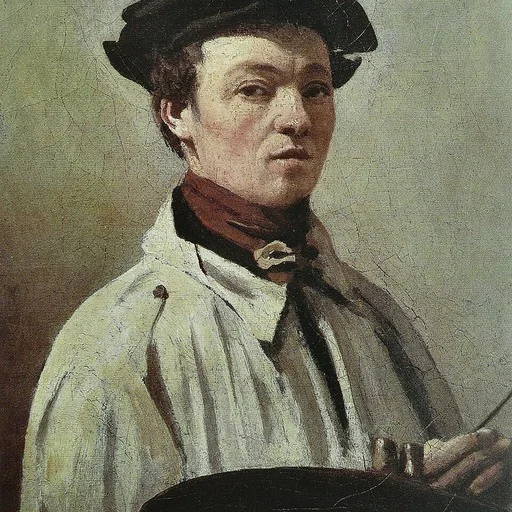
Jean-Baptiste-Camille Corot (UK: KORR-oh, US: kə-ROH, kor-OH; French: ; 16 July 1796 – 22 February 1875), or simply Camille Corot, was a French landscape and portrait painter as well as a printmaker in etching.

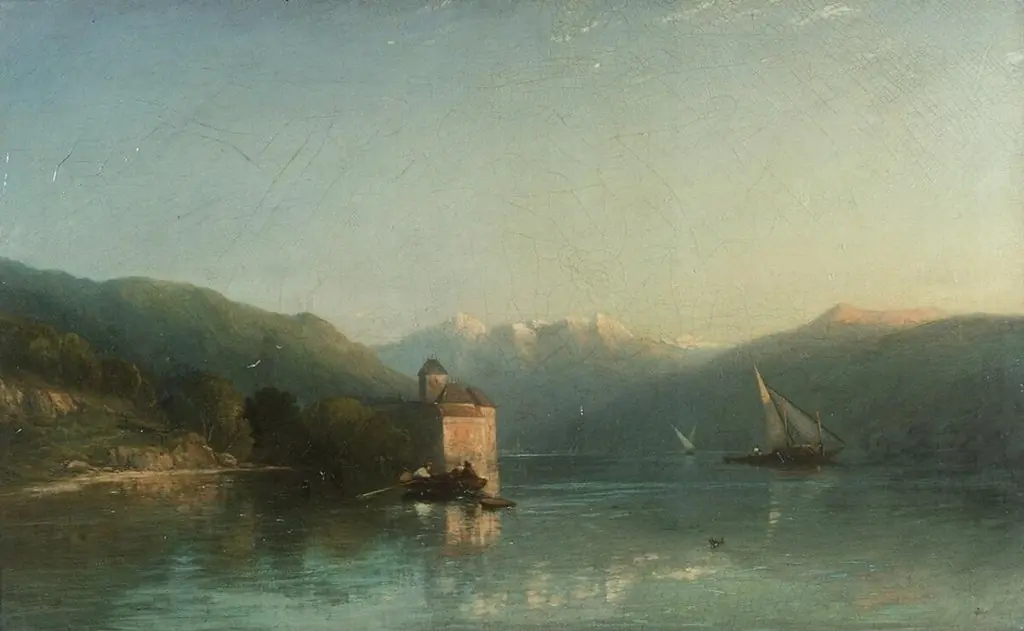 Castle of Chillon, Lake Geneva
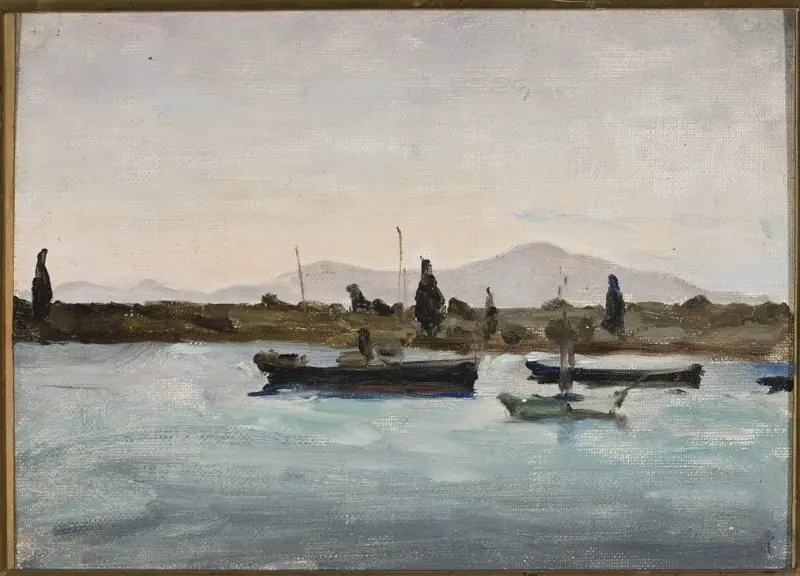 Boats at the coast, Marmora – Tuscula. From the journey to Palestine
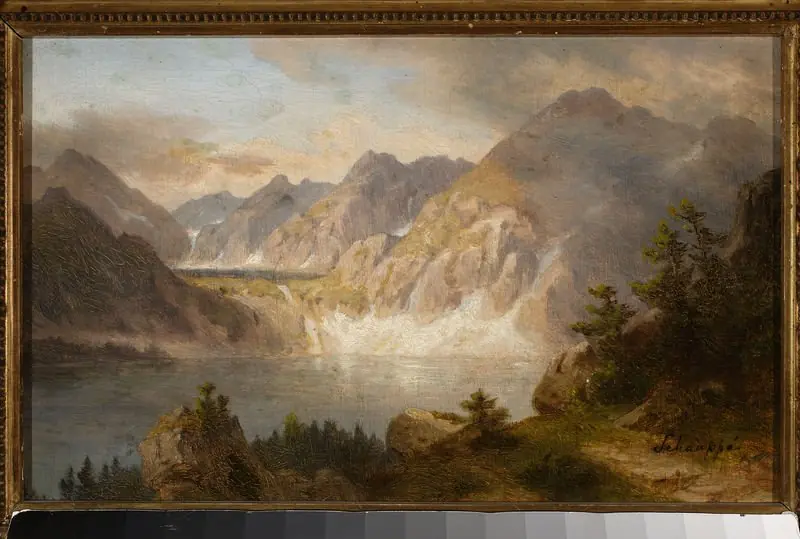 Morskie Oko Lake
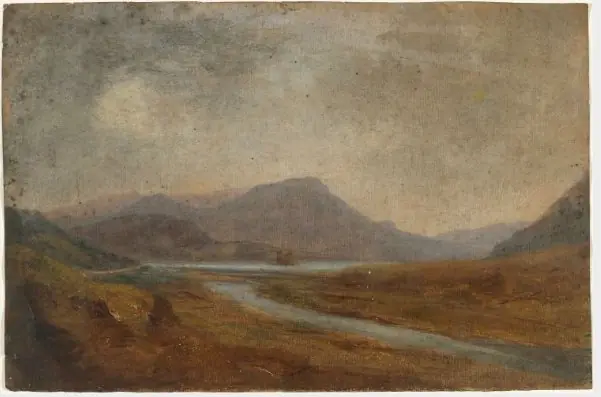 Hen's Castle, Lough Corrib, County Galway
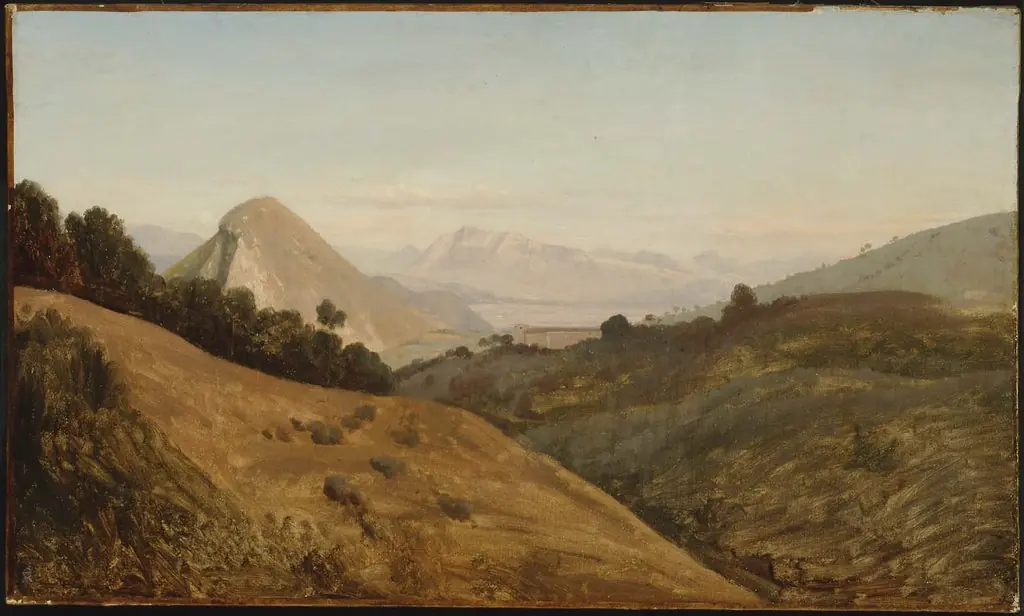 Italian Hills
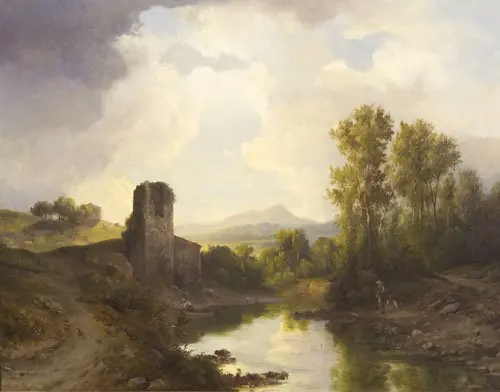 Landscape
 Mill and Cottage
 A View of the Maritime Alps
 View of the Fontana Acetosa, Rome
 Harbour – study. From the journey to Constantinople
 On the River Avon, County Wicklow
 Isola Bella in Lago Maggiore