Artwork
Untitled
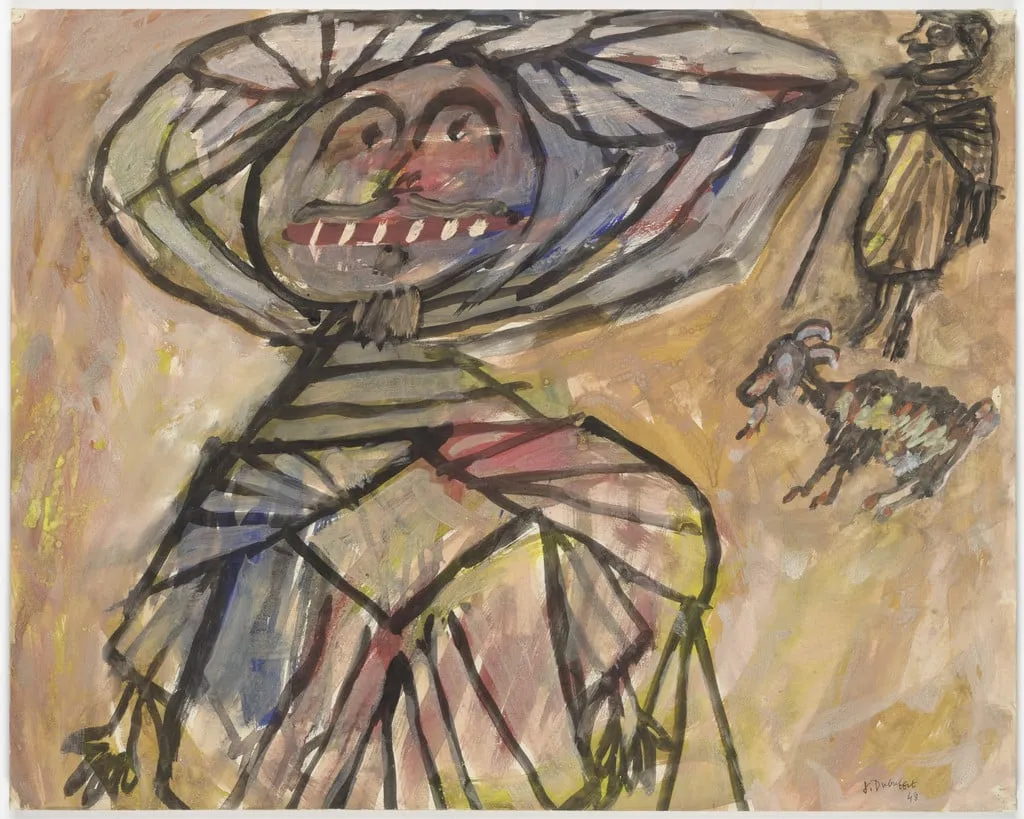
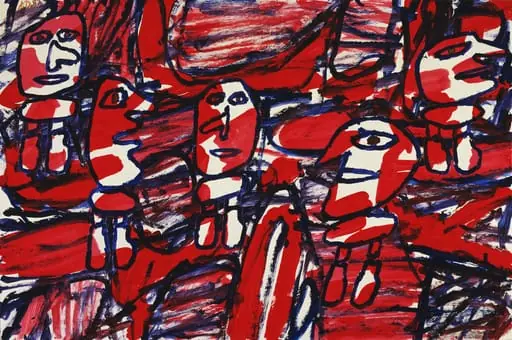
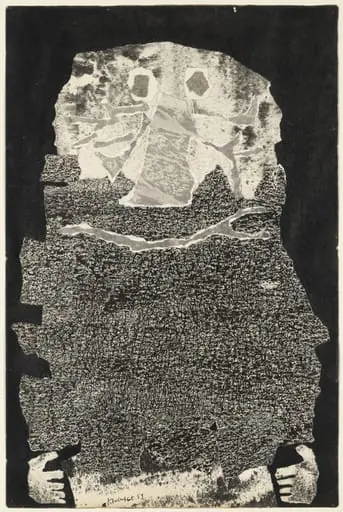
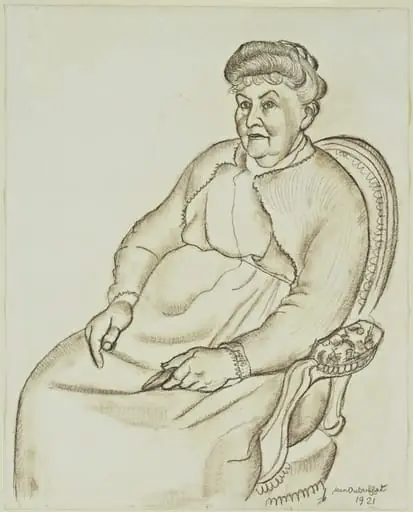
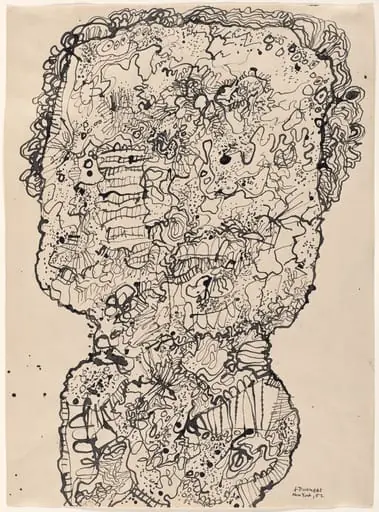
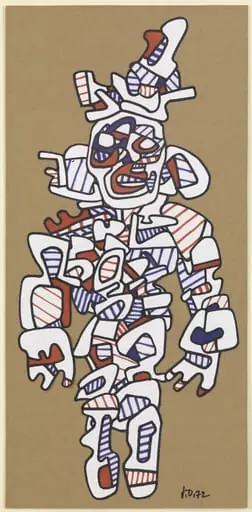
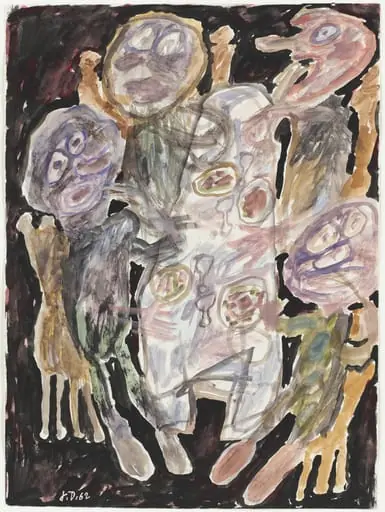
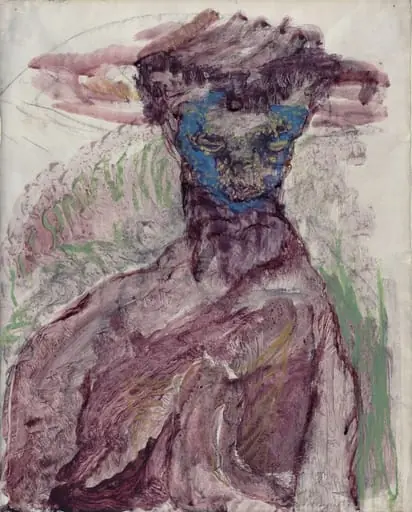
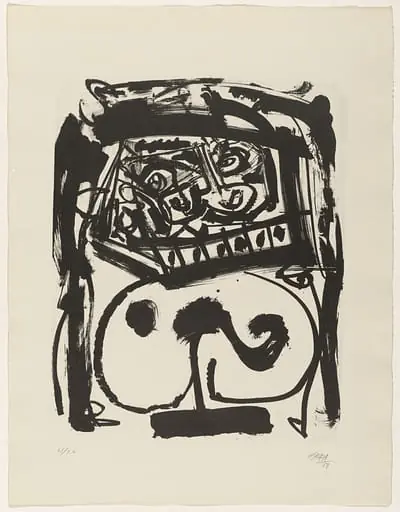
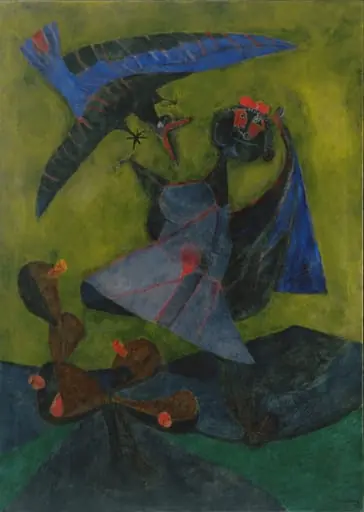
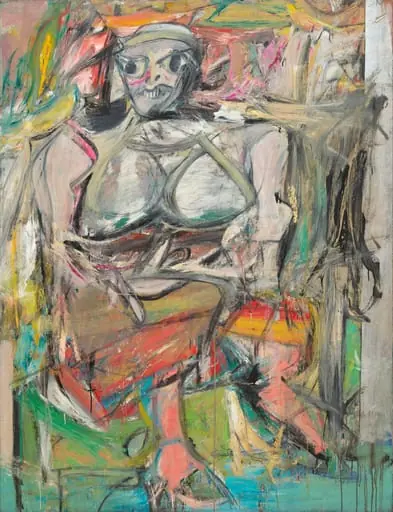
Untitled is a gouache drawing by Jean Dubuffet. It dates from 1948 and is held in the collection of the Museum of Modern Art.
About this work
Overview
The piece resides in The Museum of Modern Art’s collection, where it represents a pivotal moment in postwar European art’s shift away from classical ideals.
Jean Dubuffet produced this gouache on paper mounted to board in 1948. The work belongs to a series in which he explored forms unshaped by formal training, favoring spontaneity over polish. Its physical structure—paper adhered to a rigid support—reflects his interest in accessible, non-traditional materials. The piece resides in The Museum of Modern Art’s collection, where it represents a pivotal moment in postwar European art’s shift away from classical ideals.
Subject & Meaning
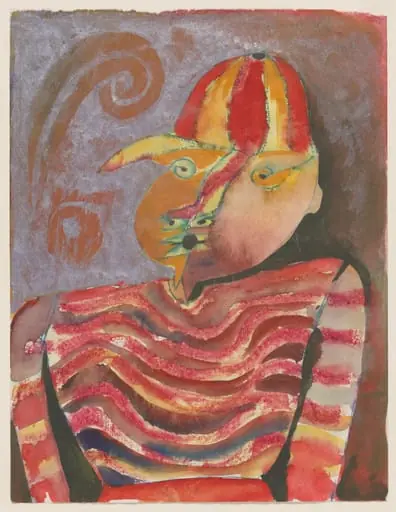
A bulky, exaggerated figure dominates the composition, wearing a striped garment and an oversized hat. Its face is distorted into a wide, vacant grin, with wide-set eyes conveying a sense of vacant surprise. Beside it, a small, goat-like creature leaps, while a slender, minimally rendered figure stands at the edge. These figures resist narrative logic, instead suggesting primal or childlike archetypes, evoking a world unmediated by social or artistic conventions.
Technique & Style
Dubuffet applied gouache with thick, irregular strokes that resemble hurried marks or scribbles. Colors are applied flatly, without shading or modeling, creating a sense of visual immediacy. Forms are simplified and deliberately crude, rejecting perspective and anatomical accuracy. The surface feels tactile and unrefined, emphasizing process over polish, aligning with his pursuit of raw, untrained expression.
History & Provenance
Created during Dubuffet’s most active period of developing *art brut*, this work emerged from his engagement with outsider art and psychiatric patient creations. It entered The Museum of Modern Art’s collection in the late 1940s or early 1950s, part of an early institutional recognition of his radical approach. Its preservation reflects a growing interest in art that defied established hierarchies of skill and taste.
Context
In postwar Europe, Dubuffet positioned himself against the dominance of academic and Surrealist traditions. He collected works by untrained individuals—children, prisoners, the mentally ill—and sought to emulate their unselfconscious mark-making. This piece is one of many in which he translated that ethos into his own practice, challenging the notion that artistic value required technical refinement or classical training.
Legacy
Dubuffet’s rejection of conventional aesthetics influenced later movements including Art Informel and Neo-Expressionism. His emphasis on rawness and authenticity opened space for non-traditional voices in art institutions. This work, though modest in scale, contributed to a broader redefinition of what could be considered art, expanding the boundaries of acceptable form and subject matter in modern art.
Artist & collection
Artist
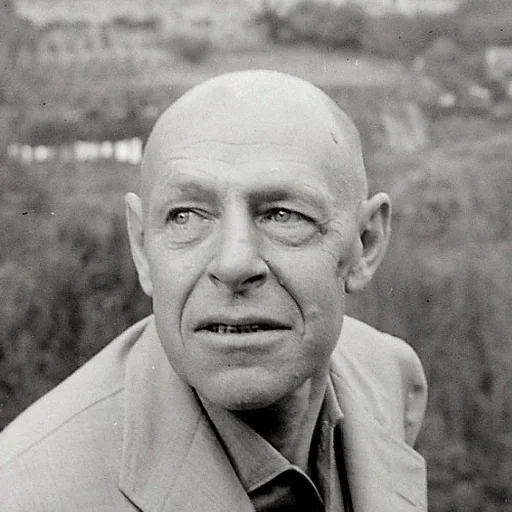
Jean Philippe Arthur Dubuffet (French pronunciation: ; 31 July 1901 – 12 May 1985) was a French painter and sculptor of the École de Paris (School of Paris).