Artwork
Portrait of Âdile Hanim, a Turkish woman from Constantinople
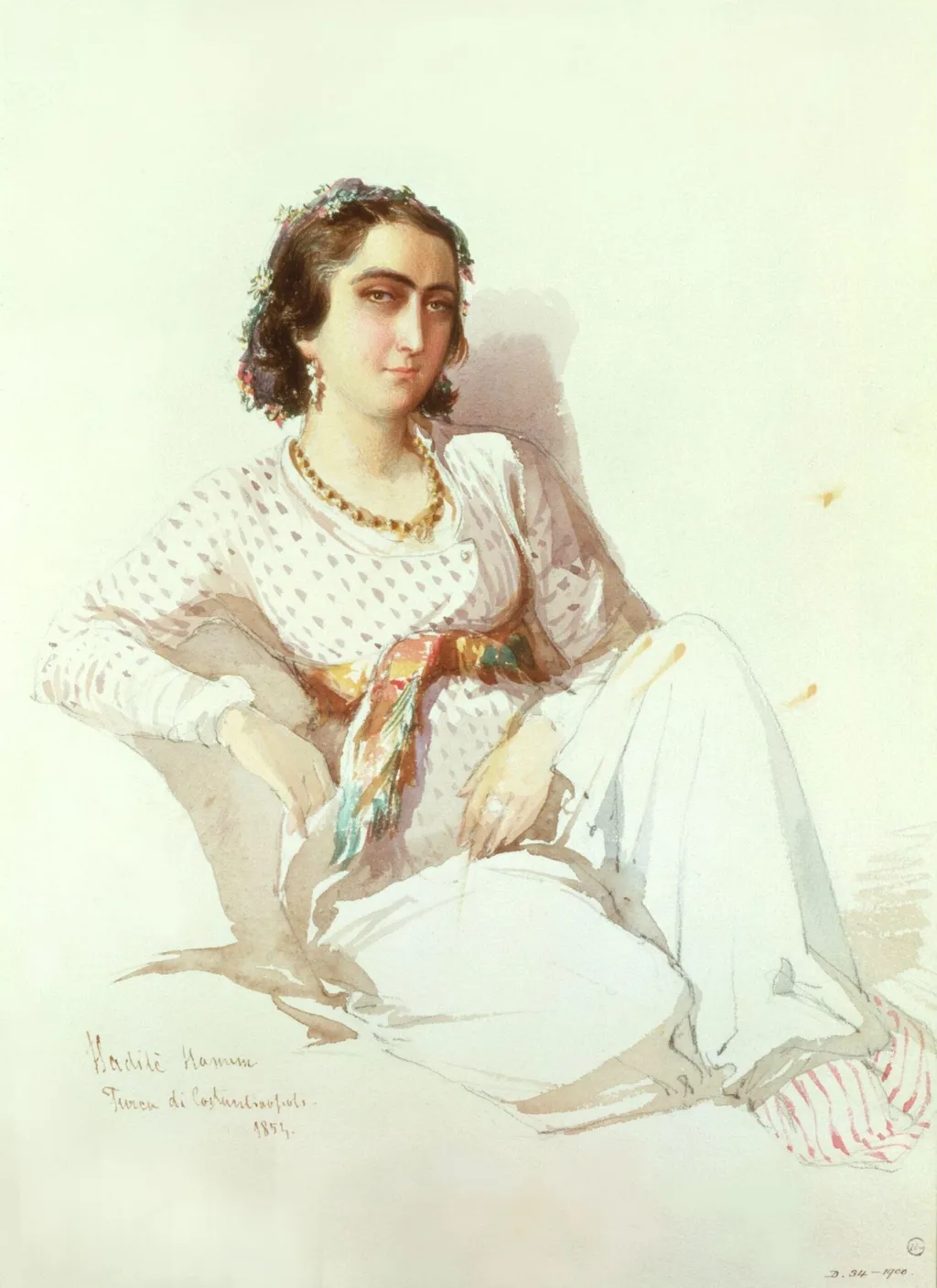
Portrait of Âdile Hanim, a Turkish woman from Constantinople is a watercolor work on paper by the Impressionist artist Aloysius Rosarius Amadeus Raymondus Andreas Preziosi. It dates from 1854 and is held in the collection of the Victoria and Albert Museum. Painted in 1854, this watercolour portrait depicts Âdile Hanim, a woman from Constantinople, by the Italian artist Alessandro Preziosi.
About this work
This portrait is of Âdile Hanim, a Turkish woman from Constantinople. It's a watercolour painting from 1854.
The painting is notable for being a straightforward portrait of a Turkish woman, which was uncommon at the time. The circumstances of how the artist managed to create this likeness are not known.
To learn more about the style and context of this painting, look up the movement: Realism.
Overview
Painted in 1854, this watercolour portrait depicts Âdile Hanim, a woman from Constantinople, by the Italian artist Alessandro Preziosi.
Painted in 1854, this watercolour portrait depicts Âdile Hanim, a woman from Constantinople, by the Italian artist Alessandro Preziosi. It stands as an uncommon example of direct portraiture of a Turkish woman by a European artist during a period when cultural norms typically restricted such visual access. The work’s intimacy and lack of exoticism distinguish it from prevailing Orientalist conventions of the time.
Subject & Meaning
Âdile Hanim is portrayed with quiet dignity, her unadorned face and direct gaze resisting the romanticized or veiled stereotypes common in Western depictions of Ottoman women. Her presence suggests agency and individuality, challenging the fantasy-driven imagery produced by artists who had never encountered the subjects they portrayed. The portrait implies a moment of mutual recognition, not spectacle.
Technique & Style
Executed in watercolour, the painting employs a restrained palette and delicate brushwork to capture subtle shifts in light and texture. Preziosi avoids theatrical lighting or ornamental detail, focusing instead on the natural contours of the face and the quiet intensity of the sitter’s expression. The medium’s transparency enhances the sense of immediacy and authenticity.
History & Provenance
The circumstances surrounding the creation of this portrait remain undocumented. Preziosi’s relationships within Constantinople’s local communities may have facilitated access to Âdile Hanim, though no records confirm how the sitting occurred. Speculation that she may have belonged to the Alevi community—known for more relaxed gender norms—offers one possible explanation, but remains unverified.
Context
In mid-19th century Constantinople, Muslim women of high status rarely appeared unveiled before strangers, especially foreign men. European artists typically depicted Ottoman women through filtered, idealized lenses. Preziosi’s portrait diverges from this trend, aligning more closely with emerging Realist principles that valued observation over invention, even if such work remained rare.
Legacy
This portrait endures as a quiet counterpoint to the dominant Orientalist aesthetic. It offers a rare glimpse of a Turkish woman as she may have been seen by those who knew her—not as a symbol, but as a person. Its significance lies not in grandeur, but in its restraint, and in the dignity it affords its subject without embellishment.
Artist & collection
Artist
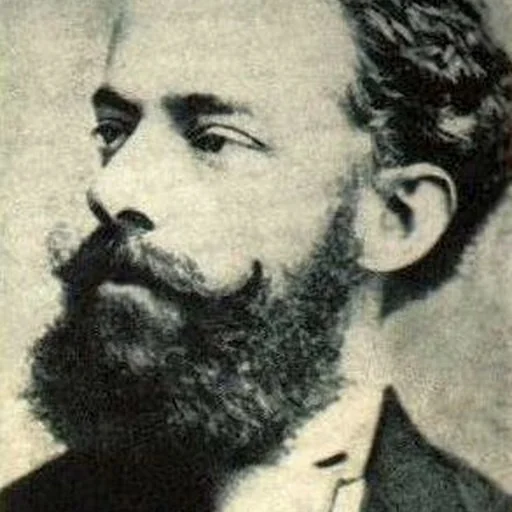
Aloysius Rosarius Amadeus Raymondus Andreas Preziosi
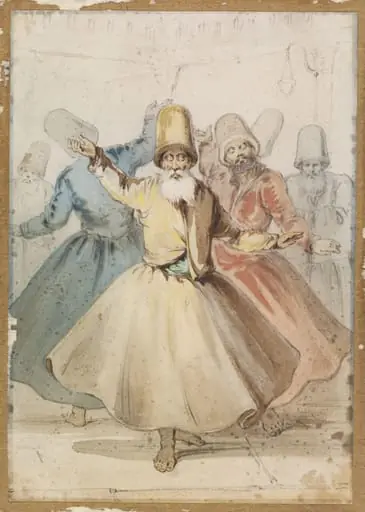
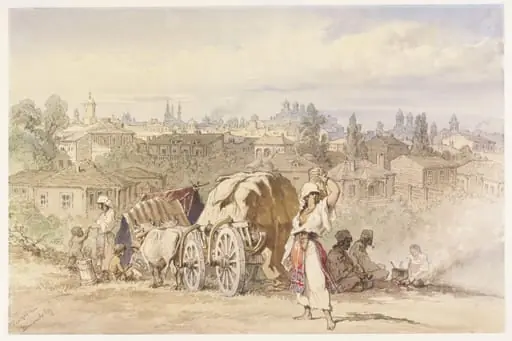
Amedeo Preziosi (2 December 1816 – 27 September 1882) was a Maltese painter and traveler known for his watercolours and prints of Constantinople, the Balkans, Ottoman Empire, and Romania.

![Portrait of Trehem[?]Walid 'Abdullah, an Arab from Iraq, by Aloysius Rosarius Amadeus Raymondus Andreas Preziosi](https://artifactworldgallery.com/img/aloysius-rosarius-amadeus-raymondus-andreas-preziosi--portrait-of-trehem-walid-abdullah-an-arab-from-iraq--2476a3692d0929a5-w320.webp)
![A Seller of Milk-puddings [Mahallebi], by Aloysius Rosarius Amadeus Raymondus Andreas Preziosi](https://artifactworldgallery.com/img/aloysius-rosarius-amadeus-raymondus-andreas-preziosi--a-seller-of-milk-puddings-mahallebi--3da9fd2db017402d-w320.webp)
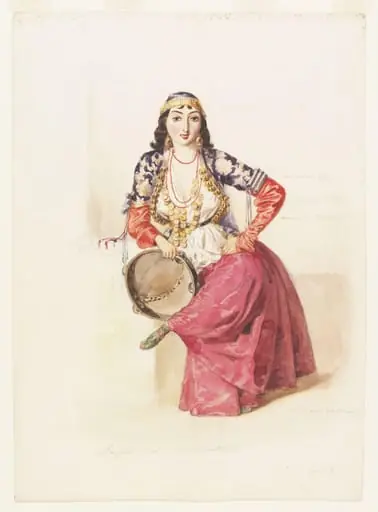 Bayadère de Chemakha
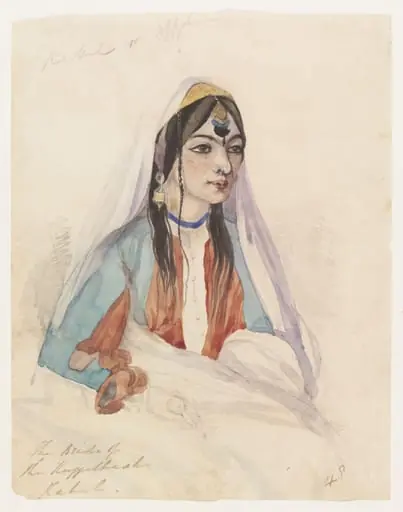 The Bride of the Kuzzelbash Kabul
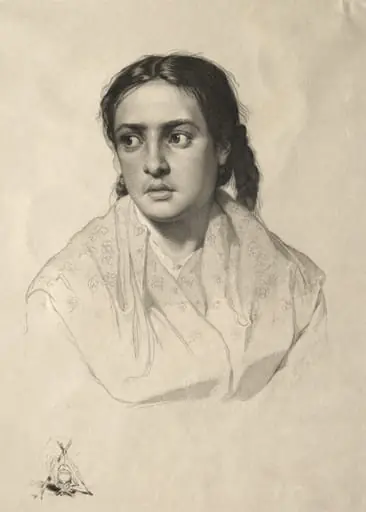 Head of a Girl
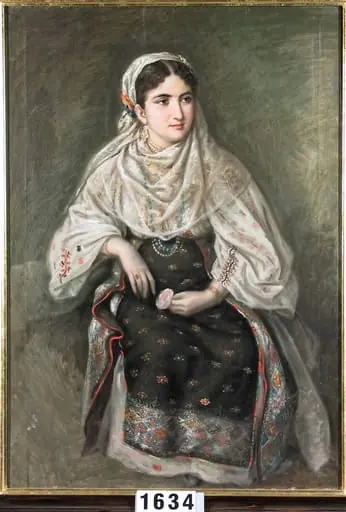 Portret de femeie din Câmpulung (Doamna Georgescu)
 Portrait of a Hindu woman wearing jewellery
 Femeie pe terasă
 Regina. Roman Girl with Choral Necklace and Earrings
 Head and shoulders portrait of an Indian lady
 Fată cu salbă
 Portrait of Leontyna Aniela Aszpergerówna